


Cat Eye Care: Essential Tips & Home Remedies
Essential Tips for Cat Eye Care
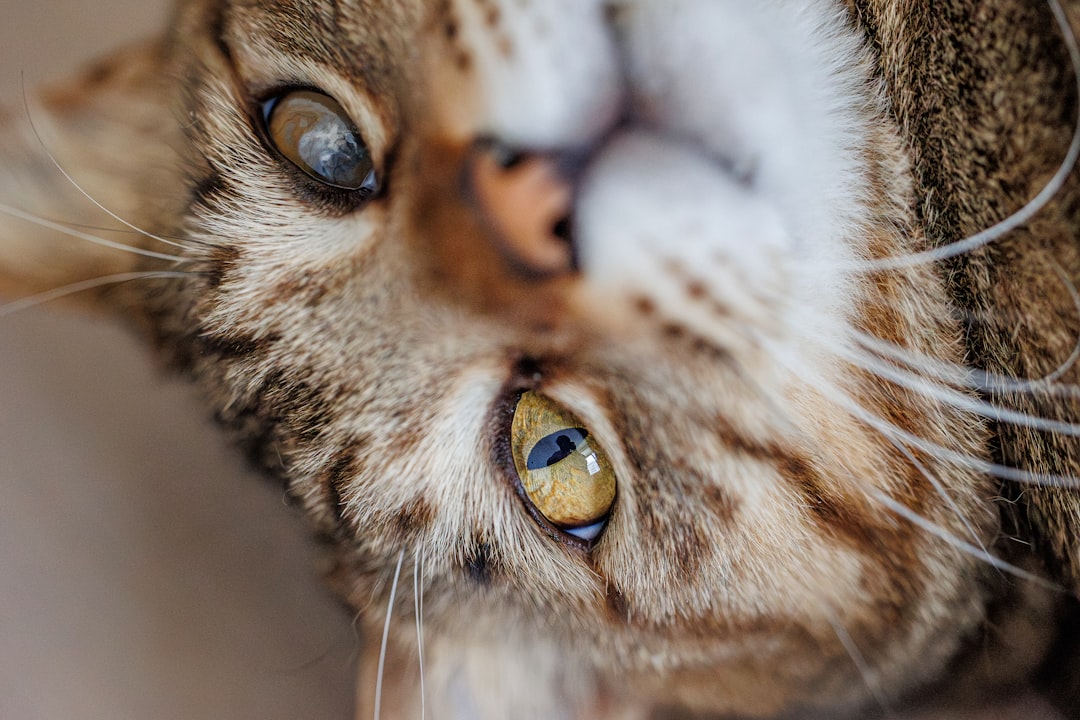
You’re petting your cat when they look up, revealing an angry, swollen eye. Spotting a feline red eye triggers instant panic, but knowing how their delicate anatomy works helps you respond calmly. According to veterinary experts, cat eyes deteriorate much faster than human eyes due to their exceptionally thin protective layers. Consequently, a seemingly minor irritation can escalate into an emergency in just a few hours.
Are you looking at a simple surface scratch or a deeper, internal pressure buildup? The eye's clear dome acts like a protective smartphone screen, making it critical to distinguish between a superficial scratch on that glass versus internal inflammation. Three visual red flags demand an immediate vet visit: severe cat squinting and watery eyes, sudden cloudiness where there should be clear color, or a deeply cat bloodshot eye accompanied by pawing at the face.
Transitioning from home observation to clinical diagnosis requires clear communication with your veterinarian. Recognizing specific symptoms bridges the gap between spotting an unusual blink and securing the correct treatment to preserve your pet's vision.
Is It an Emergency? Spotting the Red Flags of Sudden Vision Loss and Pain
While a squint might seem like a simple reaction to dust, intense pawing and a tightly clamped eye signal a deeper crisis. If the eye suddenly looks like a cloudy marble, you might be seeing feline glaucoma pressure signs. Like an over-inflated tire, this happens when the eye's internal drainage system clogs, causing a highly painful buildup of fluid.
Deep-seated inflammation inside the eyeball is another critical danger. People often ask, is feline uveitis a veterinary emergency? Absolutely. Unlike a superficial scratch, this internal swelling can rapidly destroy sight. You might notice your cat's iris changing color, or a "fixed pupil" that stays wide open or tightly pinned regardless of lighting changes.
Untreated internal pressure or severe trauma are usually to blame for sudden feline vision loss in these scenarios. Seek immediate veterinary care if you observe:
- Bloody discharge or active bleeding
- Visible bulging of the eyeball
- Sudden cloudiness covering the clear surface
- Total pupil fixedness where the dark center ignores light
Catching these severe warning signs early protects your pet's comfort and sight. Fortunately, most daily eye issues aren't quite this dramatic, though they still require careful monitoring.

Beyond the 'Pink Eye': Why the Third Eyelid Shows and What Conjunctivitis Means
You might panic when you see a pale, fleshy film creeping across your pet's vision, but this nictitating membrane—or third eyelid—is actually a built-in windshield wiper. It naturally distributes tears and shields the eyeball from debris. However, owners frequently ask why their cat's third eyelid is showing when they are fully awake. This usually happens when the eye sinks backward into the socket due to pain, though it also acts as a warning sign for:
- Dehydration or rapid weight loss
- Nerve issues affecting the facial muscles
- Local irritation from a trapped eyelash or grit
Another common culprit for redness is an inflamed conjunctiva in cats, which you likely know as "pink eye." Unlike humans who often get isolated pink eye, a feline eye infection is frequently tied to an upper respiratory virus. If your cat is sneezing and developing thick "cat eye snot," you are likely dealing with a systemic illness—essentially a feline cold—rather than just an isolated eye problem.
Distinguishing an overall sickness from a localized injury directly dictates the treatment plan. While a viral flare-up might explain watery redness, physical wounds require an entirely different medical approach.
The 'Scratched Screen' Problem: Recognizing Corneal Ulcers and Preventing Permanent Damage
Picture your cat's eye like a pristine smartphone screen. When a rogue claw scratches that clear outer layer, it creates a painful pit called a corneal ulcer. Because these craters expose sensitive nerves, you will immediately notice corneal ulcer symptoms in cats, including:
- Intense light sensitivity (photophobia), causing your cat to hide in dark rooms
- Excessive pawing at the affected side of the face
- A cloudy spot appearing over the normally clear eye
Trying to manage an eye infection in cats without professional help is dangerous. If you attempt feline eye infection treatment at home using leftover human steroid drops, a minor scratch can rapidly escalate into a severe "melting" ulcer that destroys the eye. To prevent this, veterinarians apply a painless green dye called a fluorescein stain; it sticks to damaged tissue, safely lighting up hidden scratches like a neon sign.
After confirming whether the cornea is scratched or intact, identifying the root cause is the next critical step. While physical trauma is a common trigger, an underlying sickness often weakens the eye's defenses, making it necessary to distinguish between internal illnesses and external irritants.

Viral vs. Bacterial: Differentiating Herpesvirus Flare-ups from Environmental Allergies
Waking up to find your cat with a gooey eye immediately sparks concern. The primary clue to solving this mystery lies in the discharge. When comparing a cat eye infection vs allergies, look closely at the fluid. Is it clear like tears, or a thick, yellow-green slime? Veterinarians call this thick muck "purulent" discharge, which strongly points to an infection rather than a simple reaction to environmental allergens like pollen or household dust.
A frequent culprit behind these messy flare-ups is Feline Herpesvirus-1 (FHV-1). Unlike a passing cold, this virus is a master of hiding. After initial exposure, it goes dormant inside the body, waiting for stressful events—like moving houses or visiting the clinic—to wake up. During these stress-induced periods, you will likely spot feline herpesvirus respiratory infection symptoms, including chronic squinting, bouts of sneezing, and a severely runny nose.
Decoding viral vs bacterial feline eye infections, or spotting seasonal irritation, becomes easier using these classic symptom clusters:
- Viral (FHV-1): Clear, watery tears paired with sneezing and chronic squinting.
- Bacterial: Thick, yellow or green purulent discharge that crusts the eyelids shut.
- Allergies: Clear watering and itchy, red eyes without any upper respiratory sickness.
Providing your vet with an accurate report of these differences speeds up the diagnostic process. Prior to the appointment, offering gentle physical relief at home can keep your cat comfortable while preventing further irritation.
The Right Way to Help at Home: Cleaning 'Cat Eye Snot' and Safe Administration Techniques
Seeing crusty eyes makes you want to help instantly, but internet fads like tea bags or apple cider vinegar can cause painful chemical burns. Knowing how to clean cat eye discharge safely is your best first step. Always wipe outward to avoid pushing bacteria into the tear duct. Follow this simple routine:
- Sterile saline: Dampen a clean cotton pad with plain sterile saline.
- Warm compress: Soften hard crusts gently before wiping.
- Gentle wiping: Sweep outward from the inner corner toward the ear.
- Disposal: Throw the dirty pad away immediately.
- Hand washing: Scrub thoroughly after cleaning to prevent spreading germs.
Once clean, applying medication is usually your cat's least favorite part. To keep claws safely contained, use the "Towel Burrito" restraint. Snugly wrap your cat in a thick bath towel with only their head exposed, creating a secure hold that protects both of you.
Proper positioning is crucial when administering antibiotic eye drops to cats. Approach from behind the head so they don't see the dropper coming, ensuring the tip never touches the actual eyeball. Whether applying prescribed eye drops for kittens or treating a senior cat, mastering these gentle home basics ensures your cat receives medication safely and effectively.

What to Expect at the Vet: From the Ophthalmic Exam to Long-Term Vision Care
Knowing when to seek professional help is your most important tool. Understanding veterinary ophthalmic exam expectations makes the visit less stressful, as your vet will quickly measure eye health using three common tests:
- Fluorescein Stain: A harmless dye to highlight surface scratches.
- Tonometry: A gentle tool to check internal eye pressure.
- Schirmer Tear Test: A tiny paper strip measuring natural moisture.
These diagnostics are vital because the causes of cloudy cat eyes often involve dangerous internal pressure spikes that require an immediate clinical response. On the milder side, treating feline conjunctivitis at home with prescribed veterinary drops usually resolves the infection within a week or two. Just remember to be patient with the healing process and never substitute human eye medications, which can be toxic to pets.
You now know how to distinguish a minor irritation from a serious threat. Always keep your safety check in mind: extreme squinting, sudden cloudiness, or vision loss demands an urgent vet visit. Cats are incredibly resilient healers when they receive prompt, appropriate care. By watching for these early warning signs and acting quickly, you ensure your favorite feline companion stays comfortable, pain-free, and beautifully bright-eyed.

Written by Talis Us



Leave a comment
This site is protected by hCaptcha and the hCaptcha Privacy Policy and Terms of Service apply.