


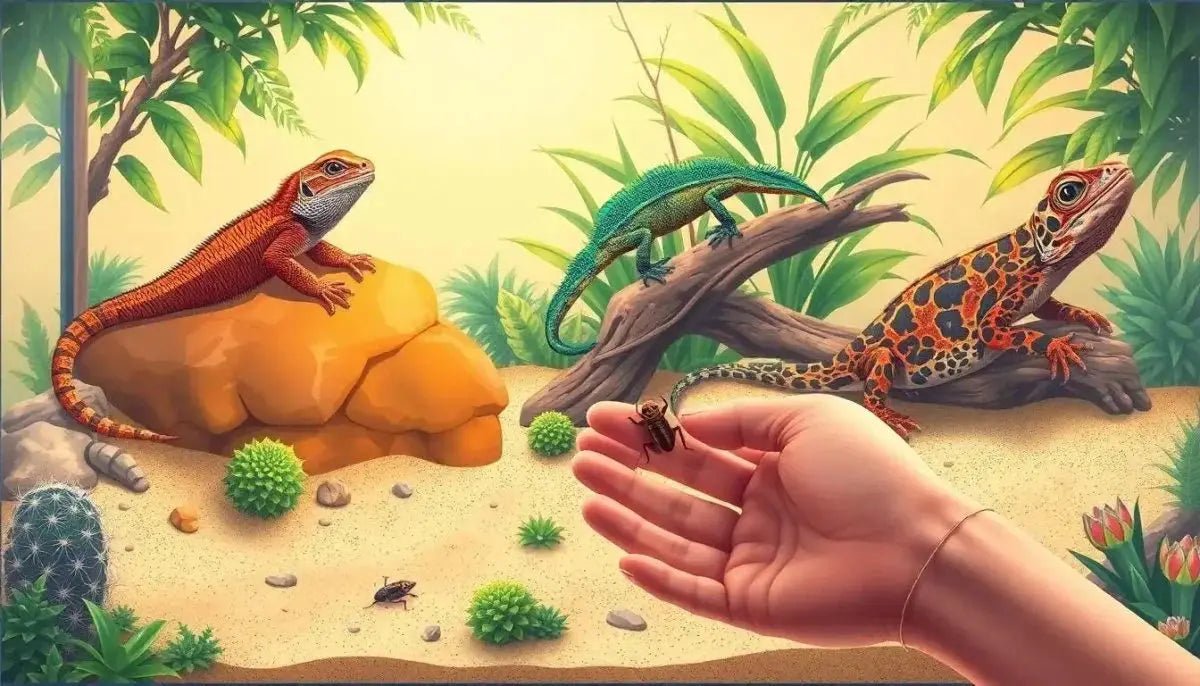
Caring for Your Scaly Companions: A Guide to Reptile Pets
Are you fascinated by the world of reptiles and considering adding one to your family? Owning a reptile pet can be an incredibly rewarding experience, but it also comes with unique challenges and responsibilities. In this comprehensive guide, we'll dive into the world of reptile care, exploring the joys and considerations of keeping these fascinating creatures as pets.
Choosing the Right Reptile for Your Lifestyle
Reptiles come in a wide variety of shapes, sizes, and species, each with its own set of care requirements. Before you bring home your new scaly friend, it's essential to research and choose a reptile that aligns with your lifestyle and experience level. Some popular reptile pets include:
Bearded Dragons
Bearded dragons are known for their calm demeanor and relatively straightforward care requirements. These docile lizards make excellent pets for first-time reptile owners and families.
Ball Pythons
Ball pythons are renowned for their gentle nature and ease of handling. They are a popular choice among reptile enthusiasts and can thrive in a variety of home environments.
Leopard Geckos
Leopard geckos are small, hardy lizards that are often recommended for beginner reptile owners. They are relatively low-maintenance and can be quite interactive with their human companions.
Red-Eared Slider Turtles
Red-eared slider turtles are aquatic reptiles that require a specialized setup with both land and water areas. They can make engaging pets for those willing to provide the necessary care and space.
Habitat Setup and Maintenance
Providing the right habitat is crucial for the health and well-being of your reptile pet. Each species has unique environmental requirements, so it's essential to research and set up an appropriate enclosure that mimics their natural habitat.
Temperature and Lighting
Reptiles are ectothermic, meaning they rely on external heat sources to regulate their body temperature. Ensuring the correct temperature gradient and proper lighting is essential for their metabolic processes and overall health.
Substrate and Decor
The substrate, or bedding, you choose for your reptile's enclosure should be safe, absorbent, and easy to clean. Incorporating appropriate decor, such as hiding spots, branches, and plants, can help create a naturalistic and enriching environment.
Humidity Control
Maintaining the correct humidity levels is crucial for many reptile species, as it affects their ability to properly shed their skin and prevent respiratory issues.
Feeding and Nutrition
Reptiles have diverse dietary needs, and it's important to provide a balanced and nutritious diet to support their health. This may involve live prey, specialized reptile pellets, or a combination of both, depending on the species.
Prey Selection
For carnivorous or omnivorous reptiles, it's essential to offer a variety of appropriately sized live prey, such as insects, rodents, or fish. Proper prey handling and feeding techniques are crucial to ensure your reptile's safety.
Supplementation
Many reptiles require vitamin and mineral supplements to prevent deficiencies and support their overall well-being. Researching the specific supplementation needs of your reptile species is crucial.
Health and Veterinary Care
Reptiles can be susceptible to a range of health issues, from respiratory infections to metabolic disorders. Regular check-ups with an experienced reptile veterinarian are essential to catch and address any problems early on.
Common Health Concerns
Some common health issues in reptiles include skin infections, parasites, and metabolic bone disease. Being aware of the signs and symptoms of these conditions can help you provide prompt and appropriate care.
Preventive Measures
Maintaining a clean and properly set up enclosure, providing a balanced diet, and monitoring your reptile's behavior can go a long way in preventing health problems and ensuring their well-being.
Handling and Interaction
Reptiles can be fascinating and rewarding pets, but they often have unique handling requirements. Proper techniques and precautions are essential to ensure the safety of both you and your reptile.
Gentle Handling
Reptiles have delicate skin and skeletal structures, so it's crucial to handle them gently and with care. Avoid grabbing or squeezing them, and always support their entire body when picking them up.
Acclimation and Socialization
Reptiles can be shy and may require time to acclimate to their new environment and human interaction. Patience and positive reinforcement can help build trust and facilitate enjoyable interactions.
Conclusion
Caring for a reptile pet can be a rewarding and fascinating experience, but it also requires a significant commitment to providing the right environment, nutrition, and veterinary care. By researching, preparing, and being attentive to your reptile's needs, you can create a loving and enriching home for your scaly companion. Remember, responsible reptile ownership is key to ensuring the health and happiness of these unique and captivating creatures.

Written by Talis Us




Leave a comment
This site is protected by hCaptcha and the hCaptcha Privacy Policy and Terms of Service apply.