


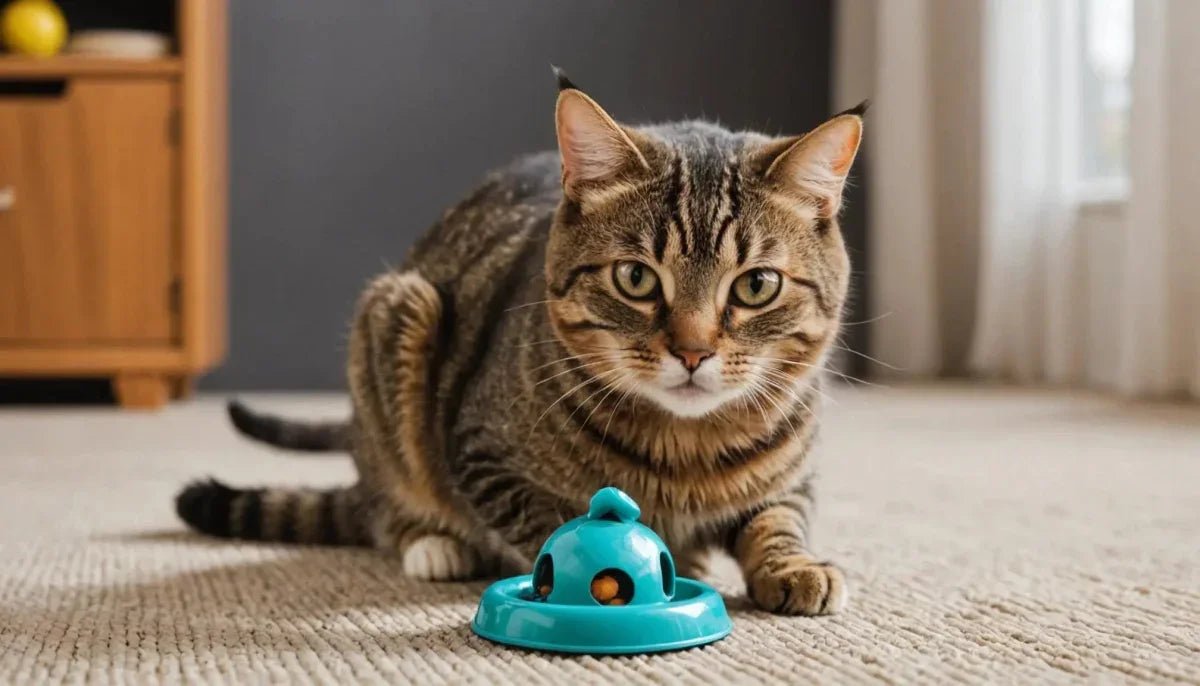
Best Cat Toys for Cats with Food Sensitivities

Discover a world of fun and excitement tailored to your feline friend's unique needs. For cats with specific dietary requirements, ensuring their toys are safe and enjoyable is essential. From interactive puzzles to treat-dispensing toys, this guide presents a variety of options specially designed for cats with food sensitivities. By providing engaging toys that cater to their needs, you can promote your cat's physical and mental well-being while keeping them entertained for hours. Bid farewell to concerns about allergic reactions from standard toys and embrace a playtime experience that is both secure and enjoyable. Let's explore the top recommendations that will delight your furry companion and enhance their playtime adventures.
Understanding Food Sensitivities in Cats
Food sensitivities in cats refer to adverse reactions to certain ingredients in their diet. It is different from food allergies, which involve the immune system. Instead, food sensitivities typically involve digestive issues or skin problems.
Symptoms of Food Sensitivities in Cats
- Vomiting and diarrhea: Cats may experience gastrointestinal upset, leading to vomiting or diarrhea.
- Skin problems: Cats with food sensitivities may develop itchy skin, redness, or even hair loss.
- Ear infections: Some cats may develop chronic ear infections due to food sensitivities.
- Behavioral changes: Cats may exhibit changes in behavior such as increased irritability or restlessness.
- Weight loss: In severe cases, food sensitivities can lead to weight loss due to poor nutrient absorption.
Identifying Food Sensitivities
- Elimination Diet: A veterinarian may recommend an elimination diet to identify the specific ingredient causing the sensitivity.
- Diagnostic Testing: In some cases, diagnostic tests like blood tests or skin tests may be conducted to pinpoint the sensitivity.
Managing Food Sensitivities
- Dietary Changes: Switching to a hypoallergenic or limited ingredient diet can help manage food sensitivities.
- Avoidance: Once the trigger ingredient is identified, it should be avoided in the cat's diet.
- Monitoring: Regular monitoring of the cat's symptoms and progress is crucial to ensure the management plan is effective.
Preventing Food Sensitivities
- Gradual Introductions: When introducing new foods, do it gradually to monitor any adverse reactions.
- High-Quality Diet: Opt for high-quality cat food that is less likely to contain fillers or potential allergens.
- Regular Veterinary Check-ups: Regular visits to the vet can help detect sensitivities early and prevent severe reactions.
Working closely with a veterinarian is key to ensuring the health and well-being of a cat with food sensitivities. By being vigilant and proactive, cat owners can provide their feline companions with a comfortable and healthy life despite having sensitivities.
Additional Information on Food Sensitivities in Cats
Understanding the Role of Protein: Cats are obligate carnivores, requiring a diet high in protein. However, some proteins can trigger sensitivities, such as beef or fish. Opting for novel protein sources like venison or rabbit can be beneficial for cats with sensitivities.
Importance of Omega-3 Fatty Acids: Omega-3 fatty acids have anti-inflammatory properties that can help alleviate skin issues in cats with food sensitivities. Consider adding supplements rich in omega-3 to your cat's diet after consulting with a vet.
Environmental Factors: In some cases, environmental factors like pollen or dust mites can exacerbate food sensitivities in cats. Keeping your home clean and minimizing exposure to potential allergens can aid in managing your cat's sensitivities.
Behavioral Enrichment: Providing mental stimulation and environmental enrichment can help reduce stress in cats, which may worsen food sensitivities. Interactive toys, scratching posts, and vertical spaces can enhance your cat's well-being.
Conclusion
Food sensitivities in cats can be challenging to manage, but with the right approach and guidance from a veterinarian, it is possible to improve your feline companion's quality of life. Stay observant of your cat's symptoms, follow a tailored management plan, and prioritize their overall health and comfort to ensure they thrive despite their sensitivities.
Importance of Suitable Toys for Cats with Food Sensitivities
Managing Food Sensitivities through Play
Toys are not just for playtime; they can also serve a practical purpose in managing food sensitivities in cats. By engaging your feline friend in play, you can help alleviate stress and anxiety that may exacerbate food sensitivities. Moreover, interactive toys that dispense treats can redirect your cat's focus from food, reducing the likelihood of adverse reactions.
Benefits of Providing Suitable Toys
- Mental Stimulation: Toys that encourage physical activity and mental stimulation can help distract cats from food-related issues and improve their overall well-being.
- Weight Management: Interactive toys that require movement can assist in maintaining a healthy weight, which is crucial for cats with food sensitivities.
- Bonding: Playing with your cat using suitable toys can strengthen the bond between you and your feline companion, creating a positive environment that supports their health.
- Behavioral Improvement: Engaging toys can prevent boredom and destructive behavior that may arise from food restrictions, promoting a more positive behavioral response.
- Environmental Enrichment: Providing a variety of toys that cater to your cat's preferences can enrich their environment, reducing stress and enhancing their mental health.
- Instinctual Needs: Toys that mimic hunting or foraging behaviors can satisfy your cat's natural instincts, offering a fulfilling outlet that goes beyond mere play.
Choosing the Right Toys
When selecting toys for a cat with food sensitivities, consider the following factors: - Material: Opt for toys made from safe, non-toxic materials to prevent any adverse reactions. - Interactive Features: Choose toys that engage your cat's senses and promote activity without relying on food rewards. - Rotation: Rotate toys regularly to maintain your cat's interest and prevent boredom. - Supervision: Always supervise your cat during playtime to ensure their safety and the longevity of the toys.
Conclusion
The importance of suitable toys for cats with food sensitivities extends beyond mere entertainment. These toys serve as valuable tools in managing your cat's condition, promoting their physical and mental well-being, and strengthening the bond between you and your feline companion. By providing a stimulating and engaging environment through appropriate toys, you can significantly enhance the quality of life for your cat and contribute to their overall health and happiness.
Choosing the Best Cat Toys for Cats with Food Sensitivities
Cats with food sensitivities require special care and attention to ensure they lead a healthy and fulfilling life. When it comes to selecting toys for these sensitive felines, there are several key considerations to keep in mind. By choosing the right toys, you can provide your cat with the mental and physical stimulation they need without exacerbating their sensitivities.
Interactive Toys for Mental Stimulation
Engaging your cat with interactive toys is not only fun but also essential for their mental well-being. These toys offer mental stimulation and entertainment without the need for food, making them ideal for cats with food sensitivities. Puzzle toys that dispense treats or require problem-solving skills are excellent choices. They can help sharpen your cat's mind, prevent boredom, and provide a rewarding challenge.
Toys that Encourage Physical Activity
Physical exercise is vital for the overall health of all cats, including those with food sensitivities. Encourage your cat to stay active with toys that promote movement and play. Toys such as feather wands, laser pointers, and interactive toys that mimic prey animals are great options. Regular play sessions not only help your cat burn excess energy but also aid in maintaining a healthy weight and preventing obesity-related issues.
Safe Materials for Sensitive Cats
When selecting toys for cats with food sensitivities, prioritize those made from safe and non-toxic materials. Avoid toys containing potential allergens like artificial dyes or chemicals. Opt for toys crafted from natural materials such as wood, cotton, or sisal, which are less likely to trigger allergic reactions in sensitive cats. Additionally, ensure the toys are sturdy and well-made to prevent accidental ingestion of small parts.
Avoiding Toys that Could Trigger Sensitivities
Steer clear of toys that may contain fragrances, artificial additives, or rough textures that could irritate your cat's skin or exacerbate sensitivities. Stick to simple and safe toys that are gentle on your cat's senses. Regularly inspect toys for wear and tear to maintain their safety and longevity. Remember, the well-being of your cat should always be a top priority, so choose toys that are not only entertaining but also safe and suitable for their unique needs.
By understanding your cat's individual requirements and selecting toys thoughtfully, you can ensure they enjoy enriching playtime while safeguarding their health and happiness. Remember, a healthy and content cat is one that receives both mental stimulation and physical exercise regularly.
Section: DIY Toy Ideas for Cats with Food Sensitivities
Homemade Toys for Feline Fun
Creating toys for your cat can be a rewarding and engaging activity. Not only does it provide mental stimulation for your feline friend, but it can also be a great way to cater to cats with food sensitivities. Here are some simple and creative DIY toy ideas that you can easily make at home:.
-
Crinkle Balls of Joy: Using crinkly materials like paper or plastic, create small balls that make noise when batted around. Cats love the sound and texture, making this a fun and engaging toy.
-
Sock Fish Friends: Fill a clean sock with catnip or crinkly materials, then tie a knot at the end to create a fish-shaped toy. The different textures and scents will keep your cat entertained for hours.
-
Puzzle Boxes for Pouncing: Repurpose small cardboard boxes by cutting holes in them and placing treats or toys inside. Your cat will enjoy the challenge of figuring out how to get to the goodies.
Tips for Toy-Making Success
When creating toys for cats with food sensitivities, keep the following tips in mind: -. Use non-toxic materials: Ensure that all materials used in making the toys are safe for your cat to play with and chew on. -. Rotate toys regularly: To keep your cat engaged, rotate the toys every few days to maintain their interest. -. Supervise playtime: While homemade toys can be fun, always supervise your cat during play to prevent any accidents or ingestion of small parts.
Enhancing Playtime
In addition to the DIY toy ideas mentioned above, there are further ways to enrich your cat's play experience. Consider incorporating interactive toys that mimic hunting behaviors, such as feather wands or laser pointers. These toys can provide physical exercise and mental stimulation, benefiting your cat's overall well-being.
Furthermore, engage in interactive play sessions with your cat to strengthen your bond and keep them active. Cats enjoy chasing, pouncing, and stalking, so tailor your playtime activities to cater to these natural instincts.
Observing Your Cat's Preferences
While some cats may prefer crinkly toys, others might enjoy toys that involve hiding treats for them to discover. Observe your cat's reactions to different toys and adjust your homemade creations accordingly. By understanding your cat's preferences, you can tailor their playthings to suit their unique tastes.
Conclusion
Creating DIY toys for cats with food sensitivities is a fulfilling way to provide entertainment and mental stimulation for your feline companion. By following the tips provided and experimenting with various toy designs, you can ensure that your cat stays engaged and happy. Remember to prioritize safety and enjoyment in toy-making, and watch as your cat delights in the playful creations you craft for them!.
Conclusion
Choosing the right cat toys for cats with food sensitivities is essential in providing them with mental stimulation and physical exercise without triggering any adverse reactions. By opting for toys made from safe and non-toxic materials, such as interactive puzzles and feather wands, cat owners can ensure their feline companions lead happy and healthy lives. Remember to always monitor your cat's playtime and preferences to tailor their toy selection accordingly. By prioritizing your cat's well-being and enjoyment, you can strengthen the bond between you and your furry friend while keeping them safe from potential allergens.


Leave a comment
This site is protected by hCaptcha and the hCaptcha Privacy Policy and Terms of Service apply.