


Benefits of Using a Basking Lamp for Reptiles
Benefits of Using a Basking Lamp for Reptiles
A basking lamp gives reptiles a warm, bright zone where they can raise their body temperature, digest food, stay active, and follow a more natural day rhythm. For species such as bearded dragons, the right setup is not just a comfort feature; it is part of basic husbandry alongside UVB, suitable enclosure size, humidity, diet, and veterinary care. This guide explains what a basking lamp does, how to choose one, and how to set it up safely without guessing.

Why does a basking lamp matter for reptile health?
A basking lamp matters because reptiles rely on their environment to regulate body temperature. Unlike mammals, they do not produce steady internal heat in the same way, so they move between warmer and cooler areas to control digestion, activity, immune function, and general comfort. A proper basking zone gives them a controlled “sunny spot” inside the enclosure, while the cool side lets them retreat when they have warmed enough. Veterinary husbandry guidance consistently emphasizes temperature gradients and species-appropriate lighting as core parts of reptile care. (merckvetmanual.com)
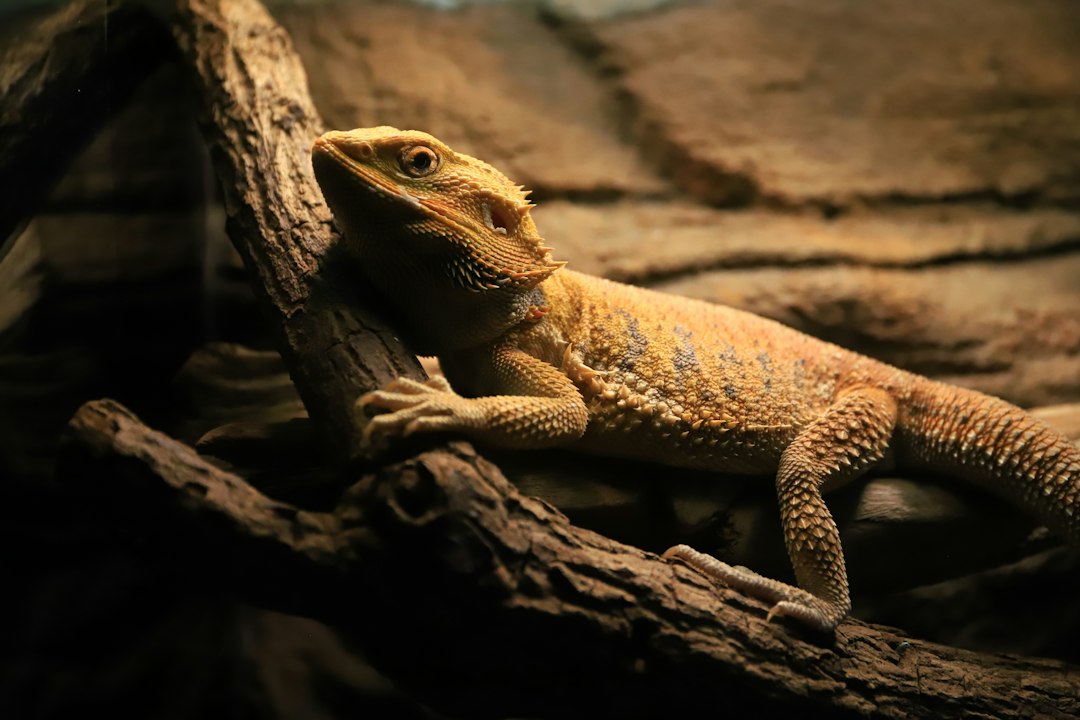
For a basking lamp for bearded dragon enclosures, this is especially important because bearded dragons are active, sun-loving lizards. They need a warm basking area during the day, plus access to UVB lighting that supports vitamin D3 production and calcium metabolism. UVB is not the same thing as heat, so a heat lamp alone is usually not a complete lighting system for a diurnal lizard. (healthtopics.vetmed.ucdavis.edu)
A good setup also supports normal behavior. Many reptiles naturally seek bright, warm areas after waking, after eating, or during active periods. When the warm area is too weak, too narrow, or unsafe, keepers may notice low energy, poor appetite, or constant hiding. Those signs can have many causes, so lighting should be reviewed alongside diet, stress, parasites, hydration, and veterinary advice.
The main benefits of a well-planned basking area
A basking lamp is more than a bulb that makes a tank warm. It creates a predictable thermal zone that allows the reptile to choose what its body needs throughout the day. That choice is the key: one end of the enclosure should not feel like the other.
Key benefits include:
- Better thermoregulation: A warm basking surface lets reptiles raise body temperature, while a cooler retreat prevents overheating.
- Support for digestion: Many reptiles digest more effectively when they can reach their species-appropriate daytime warmth after eating.
- More natural daily behavior: Bright overhead heat encourages basking, exploring, and normal day-active routines in suitable species.
- Improved enclosure design: Placing heat at one end helps create a usable temperature gradient instead of a uniformly warm box.
- Safer control: A measured lamp setup is easier to adjust than uncontrolled heat rocks or hidden heating elements that can burn animals.
Heat should be delivered in a way the animal can use naturally. Overhead lamps generally mimic sunlight better than heat from below, because wild basking reptiles usually warm from above while perched on rock, soil, branches, or other sun-warmed surfaces. Heat rocks are commonly discouraged in veterinary care resources because they can be difficult to regulate and may cause burns. (cdn.medvet.com)
Heat, UVB, UVA, and visible light all play different roles
One common mistake is assuming every “reptile light” does the same job. A basking lamp usually provides heat and visible light. Some bulbs also emit UVA, and a smaller number provide UVB, but many standard heat bulbs do not provide meaningful UVB. That means many reptiles, especially diurnal lizards and turtles, need a separate UVB source or a specialist lamp that is designed to provide both heat and ultraviolet output. (merckvetmanual.com)
UVB is the wavelength range most closely associated with vitamin D3 synthesis and calcium regulation in many reptiles. UVA is often discussed in relation to vision, behavior, and naturalistic lighting. Visible brightness also matters because a bright basking zone helps the animal identify where to bask, while a dark heat source may warm the air without creating the same daytime cue.
For bearded dragons, a common approach is to pair an overhead basking lamp with a suitable linear UVB lamp positioned over the warm side. The exact UVB strength, distance, mesh obstruction, and replacement schedule depend on the enclosure and bulb type, so always follow product instructions and species-specific care guidance. If your reptile has a history of metabolic bone disease, poor appetite, soft jaw, tremors, or weakness, lighting should be assessed by a reptile-savvy veterinarian.
Choosing the right basking lamp starts with the species
There is no single best basking lamp for every reptile. A desert lizard, a tropical gecko, a tortoise, and a snake may all need different heat intensity, daytime length, humidity, UV exposure, and basking opportunities. Start with the species’ natural habitat and daily activity pattern, then build the enclosure around those needs.
For bearded dragons, keepers usually aim for a strong daytime basking zone at one end of the enclosure and a cooler area at the other. UC Davis veterinary guidance lists a daytime tank temperature of 80–85°F with a warmer basking spot for bearded dragons, while other reptile husbandry resources often describe basking surface targets separately from general air temperature. The practical takeaway is to measure both the basking surface and the ambient warm/cool zones rather than relying on one stick-on gauge. (healthtopics.vetmed.ucdavis.edu)
When choosing wattage, do not buy based on wattage alone. A 75W bulb in a low enclosure may become dangerously hot, while a 100W bulb in a tall, ventilated enclosure may be too weak. Room temperature, enclosure height, ventilation, basking platform material, fixture type, and distance from the animal all affect the final result.
Lamp types and where they fit
Different heat sources solve different problems. The best choice is the one that creates the correct basking temperature, supports natural behavior, and can be controlled safely.
|
Lamp or heat source |
Best use |
Strengths |
Watch-outs |
|---|---|---|---|
|
Incandescent basking bulb |
Daytime basking for many reptiles |
Affordable, bright, easy to find |
May need frequent adjustment as seasons change |
|
Halogen basking lamp |
Strong daytime radiant heat |
Bright, focused, often efficient for basking zones |
Can run very hot; distance and fixture quality matter |
|
Flood lamp |
Wider basking area |
Spreads heat over more of the animal’s body |
May warm the enclosure more broadly |
|
Spot lamp |
Focused hotspot |
Useful for targeted basking platforms |
Can create overly intense narrow heat if too close |
|
Ceramic heat emitter |
Lightless supplemental heat |
Useful where night heat is genuinely needed |
Does not create a bright daytime basking cue |
|
LED lighting |
Visible brightness only in most setups |
Helps brighten large enclosures |
Not a replacement for basking heat or proven UVB unless specifically designed and verified |
Halogen lamps are popular because they can create a bright, penetrating basking zone when used correctly. Arcadia describes its halogen and solar basking products as producing sun-like visible and infrared output, and some Arcadia heat products are designed to provide UVA as well as heat. An arcadia halogen basking lamp can be a strong option for keepers who want an efficient daytime basking source, but it still needs to be matched to the enclosure and used with appropriate UVB where required. (arcadiareptile.com)
How should you set up a basking lamp safely?
Set up a basking lamp above one end of the enclosure, outside the animal’s reach, and then test the actual temperatures before trusting the setup. The reptile should be able to sit fully under the warm zone, move into partial warmth, and retreat to a cooler area without being forced to hide all day. Safety depends on measurement, distance, fixture quality, and routine checks.
Use this basic setup checklist:
- Place the lamp over one end, not the center. This creates a warm side and a cool side.
- Keep the bulb outside direct contact range. Reptiles can climb, jump, or stretch farther than expected, and hot bulbs can cause serious burns.
- Use a suitable dome or ceramic socket fixture. Match the fixture rating to the bulb wattage and follow manufacturer instructions.
- Measure the basking surface. Use an infrared temperature gun or probe placement that captures what the animal actually touches.
- Measure air temperatures too. Check warm side, cool side, and nighttime lows.
- Provide UVB separately if needed. Most heat bulbs are not complete UVB systems.
- Set a consistent day/night cycle. Reptiles need darkness at night unless a species-specific care plan says otherwise.
- Recheck after changes. A new platform, seasonal room shift, or different bulb brand can change temperatures.
Veterinary housing guidance for bearded dragons recommends placing heat sources outside the enclosure and above the basking end so the animal cannot contact the heating element. The same principle is useful for many reptiles: the heat should be accessible as warmth, not as a surface the animal can touch. (vcahospitals.com)

Getting wattage and distance right without guessing
Wattage is only a starting point. The goal is not to own the highest-watt bulb; the goal is to produce the correct basking surface temperature and gradient for your species. A compact glass tank, a tall PVC enclosure, and a mesh-topped wooden vivarium can all respond differently to the same bulb.
A practical testing process looks like this:
- Start with a reasonable bulb wattage for the enclosure size and species.
- Place the basking platform at a safe distance below the lamp.
- Run the lamp long enough for temperatures to stabilize.
- Measure the basking surface, warm-side air, and cool-side air.
- Raise the lamp, lower the platform, reduce wattage, or use a dimming thermostat if it is too hot.
- Lower the lamp safely, raise the platform, increase wattage, or improve basking surface material if it is too cool.
The basking surface material matters more than many new keepers expect. Slate, stone, tile, wood, and branches absorb and release heat differently. A flat stone may become warmer than the surrounding air, while a thin branch may create a smaller contact area. For a bearded dragon, the basking platform should allow the body to fit comfortably under the heat, not just the head.
Never judge the setup by the reptile’s behavior alone. An animal may stay under a weak lamp because it cannot get warm enough, or avoid a strong lamp because it is too intense. Measurement turns behavior into useful information.
Common signs your basking setup needs adjustment
Lighting problems often show up as patterns. One odd day may not mean much, but repeated behavior deserves attention, especially after a bulb change or seasonal temperature shift.
Possible signs the basking area is too cool include:
- The reptile spends nearly all day directly under the lamp.
- Appetite or digestion seems reduced.
- The animal is slow to become active in the morning.
- The warm side never reaches the species-appropriate range.
Possible signs the basking area is too hot include:
- The reptile avoids the basking zone completely.
- It gapes, glass-surfs, hides constantly, or stays pressed into the cool end.
- The basking surface exceeds the recommended range for the species.
- The cool side is also too warm, leaving no real retreat.
These signs are not a diagnosis. Stress, illness, shedding, parasites, diet, enclosure size, and breeding behavior can look similar. If behavior changes suddenly or your reptile stops eating, loses weight, becomes weak, or appears injured, contact a qualified reptile veterinarian rather than only changing bulbs.
Maintenance keeps the basking zone reliable
A basking lamp setup is not “done” after the first successful test. Bulbs age, fixtures loosen, reflectors gather dust, and room temperatures shift. A safe routine keeps the enclosure stable without making reptile care feel complicated.
Check temperatures regularly, especially during heat waves, cold snaps, and after replacing a bulb. Inspect cords, sockets, domes, guards, and thermostats for wear. Replace lamps according to manufacturer guidance, and remember that UVB bulbs often have useful-life limits even if they still produce visible light.
It is also worth keeping a spare bulb on hand. If the only basking lamp fails late at night or during a cold weekend, you may have limited options. For species that require daytime basking, a backup prevents unnecessary stress and helps keep the routine consistent.
A better basking setup creates a better daily routine
The biggest benefit of a basking lamp is control. Instead of hoping the enclosure is “warm enough,” you create a measured zone where your reptile can warm up, move away, and repeat that cycle naturally throughout the day. For bearded dragons and many other day-active reptiles, pairing the right basking lamp with proper UVB, safe distances, and accurate thermometers can make the enclosure healthier and easier to manage.
If you are choosing a new basking lamp, start with the animal’s needs, not the packaging claim. Match the bulb to the enclosure, measure the result, adjust carefully, and keep safety at the center of every decision. A well-designed basking area is one of the simplest upgrades you can make for long-term reptile wellbeing.

Written by Talis Us


Leave a comment
This site is protected by hCaptcha and the hCaptcha Privacy Policy and Terms of Service apply.