



What Temperature Should a Bearded Dragon Tank Be? The Ultimate Climate Guide
As a devoted pet owner, providing a thriving environment for your scaly friend is the key to their long-term health and happiness. Determining exactly what temperature should a bearded dragon tank be is one of the most critical steps in setting up a premium habitat that supports their natural behaviors.
Why Temperature Matters for Your Bearded Dragon
Reptiles are fascinating creatures with unique physiological needs. To truly understand how to care for them, it helps to look at how they interact with their environment. Bearded dragons are ectotherms, meaning they rely entirely on their external environment to regulate their internal body temperature and metabolism. Unlike mammals, they cannot generate their own body heat internally.
Proper heating directly influences every aspect of your pet's life, from digestion and immune function to overall vitality and mood. Without the right thermal environment, a bearded dragon cannot properly digest its food, which can lead to severe health complications like metabolic bone disease or impaction. Furthermore, their immune systems depend on optimal warmth to fight off illnesses and keep them active and playful.
To ensure your pet enjoys a safe, consistent climate, investing in reliable heating equipment from Talis Us is essential. Our curated selection of high-performance reptile supplies transforms a standard enclosure into a luxurious, reliable home where your pet can thrive.
Understanding the Temperature Gradient: Basking vs. Cool Sides
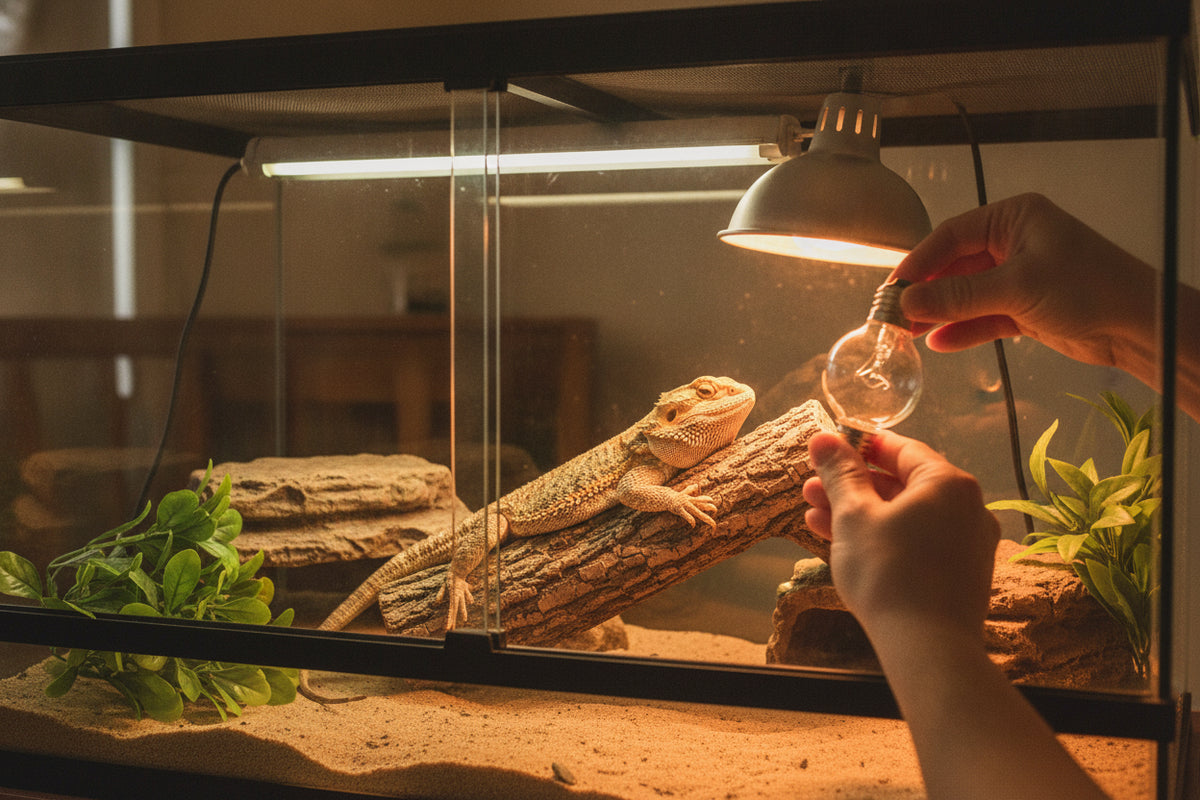
In the wild, bearded dragons bask in the intense Australian sun to warm up, and then retreat to the shade or underground burrows when they need to cool down. Replicating this dynamic in captivity requires creating a natural temperature gradient within the enclosure. This allows your pet to self-regulate their body temperature seamlessly throughout the day.
The habitat should be thoughtfully divided into two distinct zones: a warm basking side and a refreshing cool side. The specific high temperatures needed on the basking spot are crucial to aid in digestion, boost energy levels, and encourage natural basking behaviors. Meanwhile, the cooler side of the enclosure gives your bearded dragon a comfortable place to escape the heat, preventing overheating and ensuring they feel secure and balanced.
Achieving this perfect balance relies on choosing the right enclosure size and outfitting it with top-tier products designed to maintain distinct microclimates. By shopping the exceptional collections at Talis Us, you gain access to the ultimate tools needed to design a naturalistic, gradient-friendly habitat.
Ideal Daytime and Nighttime Temperature Ranges
Precision is everything when it comes to reptile husbandry. Providing the exact climate your pet needs keeps them healthy, vibrant, and energetic. Here is a breakdown of the precise daytime ambient and basking temperature ranges recommended by reptile care experts:
- Basking Spot Surface Temperature: 95 to 110 degrees Fahrenheit (depending on the age of your bearded dragon; younger dragons often require slightly higher temperatures).
- Warm Side Ambient Temperature: 85 to 90 degrees Fahrenheit.
- Cool Side Ambient Temperature: 75 to 85 degrees Fahrenheit.
As the sun sets in the wild, temperatures naturally drop, and your enclosure should mimic this cycle. Nighttime temperatures can safely drop to between 65 and 75 degrees Fahrenheit. This natural cooling off period is healthy and encourages restful sleep, provided your home does not experience extreme drafts or freezing conditions.
To easily monitor these vital zones, you need reliable monitoring tools. Explore our selection of quality thermometers and hygrometers available at Talis Us to keep a watchful eye on your pet's environment with absolute confidence and ease.
Essential Equipment to Achieve the Perfect Climate
Building a top-tier reptile habitat requires more than just a lightbulb; it demands a comprehensive setup of professional-grade equipment. To achieve and maintain the perfect climate, consider integrating these essential products into your enclosure:
- Basking Lamps: High-output halogen or incandescent flood lamps provide intense, focused heat and bright visible light that mimics the sun.
- Ceramic Heat Emitters (CHEs): These devices emit heat without producing light, making them ideal for nighttime use if supplemental warmth is necessary.
- Under-Tank Heaters and Heat Mats: Excellent for providing gentle, ambient bottom-up warmth, especially when paired with a quality thermostat.
Safety and precision are paramount when managing high-heat equipment. Emphasizing the importance of using rheostats and thermostats helps prevent accidental overheating, ensuring ultimate safety for your beloved reptile. These smart devices regulate power delivery to your heating elements, keeping temperatures locked in at your desired set point.
Showcase how upgrading to premium heating accessories from Talis Us transforms a standard enclosure into a luxurious, reliable home. Our products are designed with both pet owners and reptiles in mind, blending convenience, durability, and superior performance.
FAQ
What temperature should a bearded dragon tank be during the day?
The basking spot should typically range between 95 and 110 degrees Fahrenheit, while the cool side should hover around 75 to 85 degrees Fahrenheit. This gradient allows your bearded dragon to regulate its body temperature effectively throughout the day.
Do bearded dragons need a heat source at night?
As long as your home does not drop below 65 degrees Fahrenheit, most adult bearded dragons do not require supplemental nighttime heat. If your house gets particularly cold during the winter months, a ceramic heat emitter connected to a thermostat is a safe way to provide gentle, light-free warmth.
How can I accurately measure the temperature in my tank?
The best method is to use digital probe thermometers placed at both the basking level and the cool end of the enclosure. Infrared temperature guns (laser thermometers) are also fantastic for quickly spot-checking the exact surface temperature of your basking rock or branch.
Maintaining the ideal climate is a transformative step in pet care that brings endless joy and well-being to your beloved reptile. By outfitting your habitat with reliable products from Talis Us, you ensure a safe, high-quality living space that helps your bearded dragon thrive every single day.

Written by Talis Us


Leave a comment
This site is protected by hCaptcha and the hCaptcha Privacy Policy and Terms of Service apply.