



Raw vs. Kibble vs. Wet Food: A Side-by-Side Comparison for Cat Owners
If you've ever stood in front of the pet food aisle at your local store, staring at endless options while your cat meows impatiently at home, you're not alone. Choosing the right food for your feline friend can feel overwhelming, especially when you're trying to figure out what's actually best for their health and wellbeing. Should you go with the convenience of kibble? The freshness of raw food? Or maybe the middle ground of wet food? Let's dive deep into this topic and help you make an informed decision for your beloved cat.
Understanding Your Cat's Nutritional Needs
Before we compare different food types, it's important to understand what cats actually need nutritionally. Cats are obligate carnivores, which means they're designed by nature to eat meat. Unlike dogs, who are omnivores and can thrive on a varied diet, cats have specific dietary requirements that revolve around animal protein.
Your cat needs high-quality protein to maintain muscle mass, support organ function, and keep their immune system strong. They also require certain amino acids like taurine, which is essential for heart health and vision. Additionally, cats need specific vitamins and minerals like vitamin A, arachidonic acid, and various B vitamins that are naturally found in meat.
The ideal cat diet should be high in protein, moderate in fat, and low in carbohydrates. Many commercial cat foods, especially some kibble options, contain higher carbohydrate levels than what cats would naturally consume in the wild. This is something to keep in mind as we explore different food options.
Kibble: The Convenient Choice
Kibble has been the go-to option for cat owners for decades, and for good reason. It's convenient, affordable, and has a long shelf life. Let's break down the pros and cons of feeding your cat dry food.
Advantages of Kibble
The biggest advantage of kibble is convenience. You can scoop it into a bowl, leave it out for your cat, and not worry about it spoiling quickly. This makes it perfect for busy cat owners or those with multiple cats. Kibble also tends to be more affordable than other options, which is a significant factor for many households.
Another benefit is dental health. The act of chewing kibble can help reduce plaque buildup on your cat's teeth, though this benefit is often overstated. Some kibble brands are specifically formulated to support dental health, which can be helpful for cats prone to dental issues.
Kibble is also shelf-stable and easy to store. You don't need to worry about refrigeration, and a bag can last several weeks depending on your cat's appetite. This makes it practical for travel or for people who prefer to buy in bulk.
From a nutritional standpoint, quality kibble brands are formulated to meet AAFCO (Association of American Feed Control Officials) standards, ensuring they contain essential nutrients your cat needs. Many premium kibble options now focus on high protein content and lower carbohydrates, making them a more appropriate choice for obligate carnivores.
Disadvantages of Kibble
The main drawback of kibble is its moisture content. Dry food typically contains only about 10% moisture, while cats in the wild would consume prey with around 70% moisture. This lower moisture content means your cat needs to drink more water to stay properly hydrated, and many cats simply don't drink enough water to compensate.
Dehydration can lead to various health issues, including urinary tract problems and kidney disease. Cats are notoriously poor drinkers, so relying solely on kibble might not provide adequate hydration for your feline friend.
Another concern is the processing involved in making kibble. The high-heat processing can destroy some nutrients and enzymes, requiring manufacturers to add synthetic vitamins and minerals to meet nutritional standards. Some cat owners prefer whole, less-processed foods for this reason.
Additionally, many commercial kibble brands contain fillers and by-products that aren't ideal for your cat's health. While premium brands have better ingredient lists, budget options might contain corn, wheat, and other grains that cats don't naturally eat and can cause digestive issues.
Wet Food: The Middle Ground
Wet food, also called canned or pouched food, offers a different approach to feline nutrition. It's more processed than raw food but less processed than kibble, and it addresses some of the moisture concerns associated with dry food.
Advantages of Wet Food
The most significant advantage of wet food is its moisture content. Most canned cat foods contain about 70-80% moisture, which is much closer to what cats would naturally consume. This higher moisture content helps keep your cat properly hydrated without requiring them to drink excessive amounts of water.
Wet food is also highly palatable. Cats tend to find it more appealing than kibble, which can be helpful if you have a picky eater. The aroma and texture are more similar to fresh meat, which aligns with your cat's natural preferences.
From a nutritional perspective, wet food often contains higher protein levels and lower carbohydrates compared to many kibble options. Quality wet food brands focus on meat as the primary ingredient, making them a better match for your cat's obligate carnivore needs.
Wet food is also easier for cats with dental issues to eat. Senior cats or those with missing teeth can enjoy wet food without difficulty, whereas kibble might be challenging for them.
Disadvantages of Wet Food
The main drawback of wet food is cost. It's significantly more expensive than kibble, which can add up quickly if you have multiple cats or a large cat. A single can might only provide one meal for your cat, whereas a bag of kibble can last several days.
Wet food also has a shorter shelf life once opened. You need to refrigerate it and use it within a day or two, which requires more planning and can lead to waste if your cat doesn't finish the can.
Another consideration is dental health. While wet food is easier to eat, it doesn't provide the same chewing action that might help reduce plaque buildup. Cats eating primarily wet food might need more frequent dental cleanings.
Additionally, some wet food brands contain more fillers and by-products than premium kibble options. You need to read labels carefully to ensure you're getting quality nutrition for your money.
Raw Food: The Natural Approach
Raw feeding has gained popularity among cat owners who want to provide the most natural diet possible. This approach involves feeding your cat raw meat, organs, and sometimes bones, mimicking what they would eat in the wild.
Advantages of Raw Food
The most compelling advantage of raw food is that it's the closest thing to what cats would naturally eat. Raw meat contains all the nutrients, enzymes, and moisture that your cat's body is designed to process. There's no processing, no synthetic vitamins, and no fillers.
Raw food is also extremely high in protein and low in carbohydrates, making it nutritionally ideal for obligate carnivores. Many cat owners report that their cats thrive on raw diets, with improvements in coat quality, energy levels, and overall health.
The moisture content is also optimal. Raw meat contains natural moisture that helps keep your cat hydrated without requiring them to drink excessive water.
Raw feeding can also be more cost-effective than wet food, especially if you buy meat in bulk or source it from local suppliers. Some cat owners find that buying chicken or beef in bulk and portioning it themselves is cheaper than premium wet food.
Disadvantages of Raw Food
The biggest concern with raw feeding is food safety. Raw meat can contain harmful bacteria like E. coli and Salmonella, which can affect both your cat and your family. While cats have stronger stomach acid than humans and can handle some pathogens better, they're not immune to foodborne illness.
Preparing raw food requires careful handling, proper storage, and knowledge of food safety practices. You need to maintain separate cutting boards and utensils, wash your hands thoroughly, and keep raw meat properly frozen until use.
Another challenge is nutritional balance. While raw meat is nutritious, it's not complete on its own. Cats need organs, bones, and sometimes supplements to get all the nutrients they need. Creating a balanced raw diet requires research and sometimes consultation with a veterinary nutritionist.
Raw feeding also requires more time and effort than other options. You need to source quality meat, prepare portions, and manage storage. This isn't ideal for busy cat owners or those who travel frequently.
Additionally, some veterinarians are hesitant to recommend raw diets due to safety concerns and the difficulty in ensuring nutritional completeness. If your cat has health issues, a raw diet might not be appropriate without veterinary guidance.
Comparing the Three Options
Now that we've explored each option individually, let's compare them across several important factors.
Nutritional Completeness
Raw food is nutritionally closest to what cats naturally eat, but it requires careful planning to ensure completeness. Wet food from quality brands is nutritionally balanced and appropriate for cats. Kibble can be nutritionally complete, but you need to choose premium brands that focus on high protein and low carbohydrates.
Hydration
Raw and wet food both provide excellent hydration due to their high moisture content. Kibble requires your cat to drink more water to stay properly hydrated, which can be problematic since cats are poor drinkers.
Cost
Kibble is the most affordable option, followed by raw food if you buy in bulk, with wet food being the most expensive. However, the cost difference varies significantly based on the brands you choose.
Convenience
Kibble is the most convenient, requiring minimal preparation. Wet food requires opening a can and refrigerating leftovers. Raw food requires the most effort, including sourcing, preparation, and careful storage.
Safety
Kibble is the safest option from a food safety perspective. Wet food is generally safe if you follow proper storage guidelines. Raw food carries the highest risk of foodborne illness if not handled properly.
Dental Health
Kibble provides the most dental benefits through chewing action. Wet and raw food don't provide this benefit, though raw meaty bones can help with dental health.
Digestibility
Raw food is highly digestible due to its natural enzymes. Quality wet food is also digestible. Some kibble options might be less digestible, especially those with high grain content.
Making the Right Choice for Your Cat
So which option is best? The honest answer is that it depends on your individual situation, your cat's health, your lifestyle, and your budget.
Consider Your Cat's Health
If your cat has kidney disease or urinary issues, the higher moisture content of wet or raw food might be beneficial. If your cat has dental problems, wet food is easier to eat. If your cat has a sensitive stomach, you might need to experiment to find what works best.
Think About Your Lifestyle
If you're busy and need convenience, kibble is your best bet. If you have time to prepare food and want to provide the most natural diet, raw food might be worth exploring. If you want a middle ground, wet food offers a good balance.
Consider Your Budget
If cost is a major factor, kibble is the most economical choice. If you can afford it, wet food or raw food might provide better nutrition and hydration for your cat.
Consult Your Veterinarian
Your vet knows your cat's individual health needs and can provide personalized recommendations. They can also help you navigate the pros and cons of each option based on your cat's specific situation.
Hybrid Approaches
Many cat owners find that a hybrid approach works best. You might feed kibble during the day for convenience and wet food in the evening. Or you might rotate between different food types to provide variety and ensure your cat gets the benefits of each option.
Some people feed raw food several times a week and supplement with wet food on other days. This approach can provide the nutritional benefits of raw food while reducing the time and effort required.
The key is finding what works for your cat and your household. Your cat's health, energy levels, coat quality, and litter box habits will tell you whether your current feeding approach is working.
Quality Matters Regardless of Type
No matter which option you choose, quality is paramount. Whether you're buying kibble, wet food, or sourcing raw meat, look for options that prioritize meat as the primary ingredient and avoid unnecessary fillers and by-products.
For kibble, look for brands that list a specific meat as the first ingredient and keep carbohydrate content low. Avoid brands that list corn, wheat, or soy as primary ingredients.
For wet food, similarly look for meat-based formulas with minimal fillers. Check the protein content and ensure it's appropriate for your cat's age and activity level.
For raw food, source from reputable suppliers and follow proper food safety practices. Consider consulting with a veterinary nutritionist to ensure your cat's diet is balanced and complete.
Transitioning Between Foods
If you decide to switch your cat's food, do it gradually. Cats have sensitive digestive systems, and sudden changes can cause vomiting or diarrhea. Mix the new food with the old food over a period of 7-10 days, gradually increasing the proportion of new food.
Start with about 25% new food and 75% old food for the first few days. Then move to 50/50, then 75% new and 25% old, and finally 100% new food. This gradual transition helps your cat's digestive system adjust to the new food.
Monitoring Your Cat's Health
Regardless of which food you choose, monitor your cat's health regularly. Look for signs of good nutrition like a shiny coat, healthy weight, clear eyes, and good energy levels. Watch for any digestive issues, changes in appetite, or other health concerns.
Regular veterinary checkups are important for catching any nutrition-related issues early. Your vet can assess your cat's body condition and make recommendations if needed.
The Bottom Line
There's no one-size-fits-all answer to the kibble versus wet versus raw food debate. Each option has its advantages and disadvantages, and the best choice depends on your individual circumstances.
If you prioritize convenience and affordability, quality kibble is a solid choice. If you want to maximize hydration and provide a more natural diet while still maintaining convenience, wet food is worth considering. If you're willing to invest time and effort and want to provide the most natural diet possible, raw food can be an excellent option.
Many cat owners find that a combination approach works best, providing variety and ensuring their cats get the benefits of different food types. The most important thing is to choose high-quality options that meet your cat's nutritional needs and fit your lifestyle.
Your cat's health and happiness should be the ultimate guide. Pay attention to how your cat responds to different foods, work with your veterinarian, and don't be afraid to adjust your approach as needed. With the right nutrition, your cat can thrive and enjoy a long, healthy life.
Final Thoughts
Feeding your cat well is one of the most important things you can do for their health and longevity. Whether you choose kibble, wet food, raw food, or a combination of these options, make sure you're making an informed decision based on your cat's individual needs and your household's circumstances.
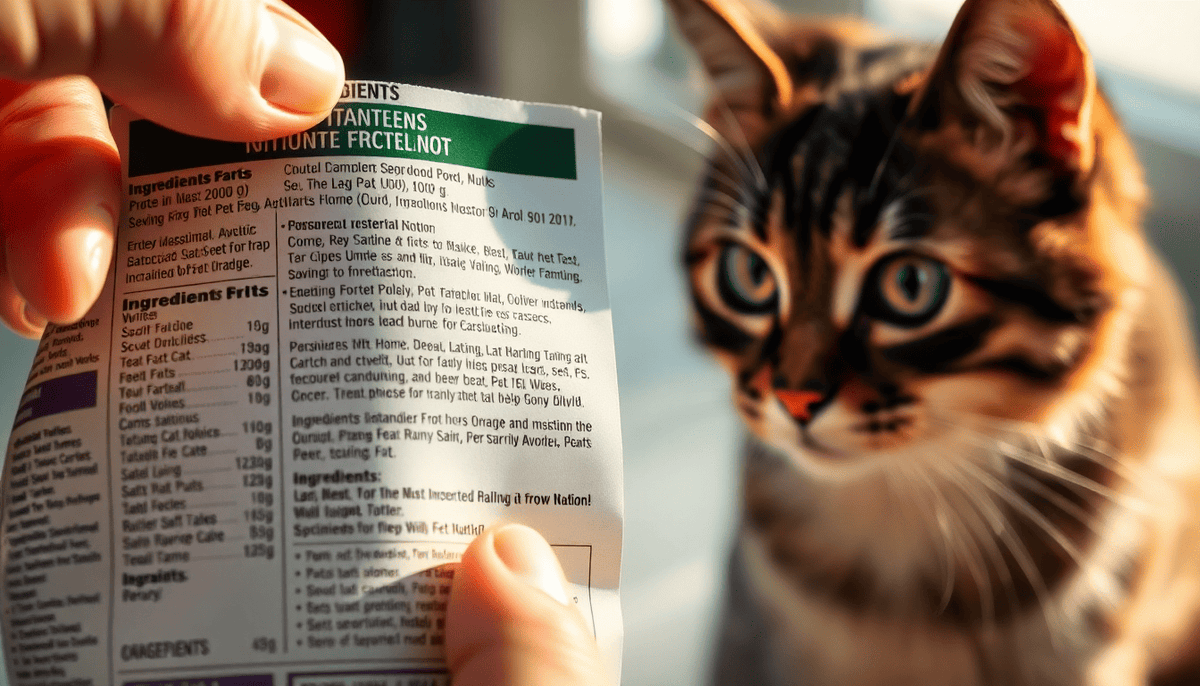
Take time to research different brands, read ingredient labels, and consult with your veterinarian. Your cat depends on you to make the best nutritional choices for them, and with the information provided in this guide, you're well-equipped to do just that.
Remember, the best food for your cat is the one that keeps them healthy, happy, and thriving. Whether that's kibble, wet food, raw food, or a combination of all three, you're making a great choice by taking the time to learn about your options and make an informed decision.

Written by Talis Us



Leave a comment
This site is protected by hCaptcha and the hCaptcha Privacy Policy and Terms of Service apply.