


Pet First Aid Kit: Must-Have Emergency Items
As responsible pet owners, we always strive to provide the best care for our furry, feathered, or scaled companions. But even with the most diligent care, accidents and emergencies can happen. Having a well-stocked pet first aid kit readily available is essential for addressing minor injuries and providing immediate care until you can reach a veterinarian.
This guide will walk you through building a comprehensive pet first aid kit, covering essential items, their uses, and vital wound care knowledge. Equipping yourself with this knowledge and the right supplies can make all the difference in an emergency situation.
Is Your Pet Ready for the Unexpected? The Importance of a First Aid Kit (2026)
Why Every Pet Owner Needs to Be Prepared
Just like humans, pets are susceptible to injuries, illnesses, and unexpected emergencies. Being prepared with a well-equipped first aid kit allows you to provide immediate care and potentially stabilize your pet until you can seek professional veterinary attention. A delay in treatment, even a short one, can sometimes have significant consequences. Whether it's a minor cut, an allergic reaction, or a sudden illness, having the right tools and knowledge can empower you to act quickly and effectively. Consider it part of your Essential Pet Supplies Checklist: Never Run Out Again, a vital component of responsible pet ownership. Furthermore, knowing how to administer first aid can help calm your pet, reducing stress and anxiety during a traumatic event, which in turn can make it easier for your vet to provide the necessary treatment.
Common Pet Emergencies at Home and On-the-Go
Pet emergencies can range from minor to life-threatening. At home, common incidents include cuts and scrapes, burns from hot surfaces, ingestion of toxic substances, allergic reactions to food or insect bites, choking, and gastrointestinal upset. When you're out and about, your pet may encounter hazards like car accidents, encounters with other animals, paw injuries from rough terrain, heatstroke, or drowning. Knowing how to respond to each type of emergency is critical. For example, for suspected poisoning, immediately contacting the ASPCA Animal Poison Control Center (or your local emergency vet) is crucial. Learn how to recognize the early warning signs of a serious condition, such as difficulty breathing, excessive bleeding, loss of consciousness, or seizures. Refer to resources like our blog post "Is My Pet Sick? Early Warning Signs You Should Know" for details.
Peace of Mind: Knowing You Can Help
Beyond the practical benefits, having a pet first aid kit provides immense peace of mind. Knowing that you're prepared to handle a medical situation, no matter how small, can alleviate anxiety and empower you to act confidently and decisively. This peace of mind is invaluable, especially when you're traveling with your pet or living in an area with limited access to veterinary care. Being proactive in preparing for potential emergencies demonstrates your commitment to your pet's well-being and strengthens the bond you share. The confidence that comes with knowing how to clean a wound or stabilize a fracture can be incredibly reassuring. It translates to your pet feeling more secure as well, as they sense your calm and capable presence in a stressful situation.
Building Your Pet's Essential First Aid Kit: A Comprehensive Checklist
Wound Care Essentials: Cleansing, Bandaging, and Antiseptics
A primary focus of your kit should be wound care. Include: Sterile saline solution for flushing wounds (avoid hydrogen peroxide as it can damage tissue). Non-stick sterile gauze pads in various sizes for covering wounds. Self-adhering bandage wrap (like Vetrap) for securing dressings. First aid tape (hypoallergenic) to keep bandages in place. Povidone-iodine solution (diluted to a weak tea color) for antiseptic cleaning. Consider adding a blood stop powder or styptic pencil for minor bleeding from nail trims. When choosing antiseptics, avoid products containing alcohol or chlorhexidine in high concentrations, as these can be irritating to sensitive skin. Make sure to have blunt-tipped scissors to cut bandages, avoiding skin injury, and gloves to maintain sterility. Always check expiration dates regularly and replace items as needed to guarantee their effectiveness when you need them most.
Gastrointestinal Support: Activated Charcoal and Anti-Diarrheal Medications
Gastrointestinal issues are common in pets. Your kit should include: Activated charcoal, useful for absorbing certain toxins if your pet ingests something harmful (consult your vet immediately before administering; dosage varies by weight). An anti-diarrheal medication specifically formulated for pets (again, consult your vet for appropriate dosage). Electrolyte solution or powder to help prevent dehydration if your pet is vomiting or has diarrhea. A bulb syringe or oral syringe for administering medications. Avoid giving human medications without veterinary guidance, as many are toxic to animals. Keep a record of your vet's recommended dosages for these medications in your kit for quick reference. Consider adding canned pumpkin (plain, not pie filling) to your kit as it can help with both diarrhea and constipation in small amounts (consult your vet for appropriate usage). If your pet has known sensitivities or allergies, include any prescribed medications for managing those conditions.
Tools and Instruments: Thermometer, Tweezers, and Scissors
The right tools make a big difference. Your kit should include: A digital rectal thermometer (specifically for pets; lubricate with petroleum jelly before use). Normal temperature for dogs and cats is 100.5-102.5°F (38.1-39.2°C). Round-tipped tweezers for removing splinters, ticks, or debris. Blunt-nosed scissors for cutting bandages and removing fur around wounds. A clean towel or blanket for restraint and warmth. A muzzle (for dogs) to prevent biting if they are in pain (only use if they can breathe freely). A flashlight or penlight for examining wounds or injuries in dimly lit areas. Also, keep a small notebook and pen for recording vital signs, medications administered, and observations to share with your veterinarian. A magnifying glass can be helpful for examining small wounds or foreign objects. Lastly, remember to include your veterinarian's contact information and the number for a local emergency veterinary clinic.
Wound Care 101: What Every Pet Owner Should Know
How to Properly Clean a Wound: Step-by-Step Guide
1. **Safety First:** If your pet is in pain or agitated, muzzle them (if appropriate and safe) or use a towel to restrain them to prevent biting or scratching. 2. **Assess the Wound:** Determine the severity of the wound. If it's deep, bleeding profusely, or involves a joint, seek immediate veterinary care. 3. **Stop the Bleeding:** Apply direct pressure to the wound using a clean gauze pad. Maintain pressure for several minutes until the bleeding slows or stops. 4. **Clean the Wound:** Gently flush the wound with sterile saline solution to remove debris and contaminants. Avoid using hydrogen peroxide, as it can damage tissue and delay healing. 5. **Antiseptic Application:** Dilute povidone-iodine solution with water until it resembles weak tea and gently apply it to the wound using a clean gauze pad. 6. **Drying:** Pat the area dry with a clean gauze pad. Avoid rubbing, as this can irritate the wound. 7. **Bandaging:** Apply a non-stick sterile gauze pad to the wound and secure it with self-adhering bandage wrap. Ensure the bandage is snug but not too tight, as this can restrict circulation. Change the bandage daily or as needed to keep the wound clean and dry. Monitor the wound for signs of infection (redness, swelling, pus, pain).
Different Types of Bandages and When to Use Them
Understanding bandage types is critical for effective wound care. A **protective bandage** is a simple covering to keep a wound clean. A **pressure bandage** helps control bleeding and swelling (apply carefully to avoid cutting off circulation). A **support bandage** provides stability for injured limbs (requires veterinary guidance to apply correctly). A **cast** is used for fractures (always applied by a vet). The **figure-eight bandage** is ideal for joint support but needs practice to apply effectively. The **modified Robert Jones bandage** provides strong support and compression for limb injuries (requires training to apply correctly). Always use non-stick dressings directly on the wound to prevent pain and tissue damage when removing the bandage. Ensure bandages are changed regularly (usually daily) and that the skin underneath remains healthy. Watch for signs of irritation, such as redness, swelling, or excessive licking, which may indicate the bandage is too tight or the wound is infected. Seek veterinary advice for proper bandaging techniques and bandage selection.
Recognizing Signs of Infection and When to Seek Veterinary Care
Even with proper wound care, infections can still occur. Be vigilant for the following signs: Increased redness and swelling around the wound. Pus or discharge (especially if it's thick, colored, or foul-smelling). Increased pain or sensitivity to the touch. Fever (temperature above 102.5°F or 39.2°C). Lethargy or loss of appetite. Swollen lymph nodes near the wound. Delayed healing. If you notice any of these signs, it's crucial to seek veterinary care promptly. Untreated infections can spread and lead to serious complications. Your veterinarian may prescribe antibiotics or other medications to combat the infection. They may also need to debride the wound (remove dead or infected tissue) to promote healing. Remember, early intervention is key to preventing serious consequences and ensuring your pet's speedy recovery. If you have any concerns about a wound, don't hesitate to consult your veterinarian, even if it seems minor.
Medications: Pain Relief and Anti-Inflammatories (Consult Your Vet First!)
The Dangers of Human Medications for Pets
It's crucial to understand that many human medications are toxic to pets. Never administer any medication to your pet without first consulting your veterinarian. Common pain relievers like ibuprofen (Advil, Motrin) and naproxen (Aleve) can cause severe stomach ulcers, kidney damage, and even death in dogs and cats. Acetaminophen (Tylenol) is extremely toxic to cats, causing liver damage and red blood cell destruction. Even seemingly harmless medications like aspirin can be dangerous if not dosed correctly or if given to pets with certain underlying conditions. Antidepressants, cold and flu medications, and even some herbal supplements can also be harmful to pets. Always keep medications securely stored out of your pet's reach and never leave pill bottles unattended. If you suspect your pet has ingested a human medication, contact your veterinarian or the ASPCA Animal Poison Control Center immediately.
Safe and Effective Pain Management Options for Dogs and Cats (Prescription Only)
If your pet requires pain relief, your veterinarian can prescribe safe and effective medications specifically formulated for animals. Non-steroidal anti-inflammatory drugs (NSAIDs) like carprofen (Rimadyl), meloxicam (Metacam), and firocoxib (Previcox) are commonly used to manage pain and inflammation in dogs and cats. These medications are generally safe when used as directed by your veterinarian, but they can have potential side effects, such as gastrointestinal upset or kidney damage. Opioid pain relievers like tramadol, buprenorphine, and morphine may be prescribed for more severe pain. These medications can be highly effective, but they also have potential side effects, such as sedation and respiratory depression. Your veterinarian will carefully assess your pet's condition and medical history to determine the most appropriate pain management plan. Regular monitoring is essential to ensure the medication is effective and to detect any potential side effects early on. Be sure to follow your veterinarian's instructions carefully and never adjust the dosage without their approval.
Over-the-Counter Options (Buffered Aspirin, etc.) and Proper Dosage (Consult Vet)
While prescription medications are generally the safest and most effective option for pain relief, there may be limited circumstances where your veterinarian recommends using buffered aspirin for pain management in dogs. *Never* give aspirin to cats, as they lack the enzymes needed to metabolize it properly, making it highly toxic. If your veterinarian approves the use of buffered aspirin for your dog, it's crucial to follow their dosage recommendations precisely. Aspirin dosage is based on your dog's weight, and even a slight overdose can cause serious side effects, such as stomach ulcers and bleeding. Always use buffered aspirin to minimize the risk of stomach irritation. Monitor your dog closely for any signs of adverse reactions, such as vomiting, diarrhea, loss of appetite, or dark, tarry stools. If you notice any of these signs, discontinue the aspirin immediately and contact your veterinarian. Remember, buffered aspirin is only a temporary solution for mild pain and should not be used long-term without veterinary supervision. Always consult your veterinarian before administering any over-the-counter medication to your pet.
Tools of the Trade: Essential Instruments for Pet First Aid
Beyond basic supplies, certain instruments are crucial for accurate assessment and treatment. Investing in quality tools, designed for pet care, ensures effectiveness and minimizes the risk of injury during a stressful situation.
Digital Thermometer: Taking Your Pet's Temperature Accurately
A digital thermometer is indispensable for determining if your pet has a fever or is experiencing hypothermia. Use a rectal thermometer specifically designed for pets (never a glass thermometer due to the risk of breakage). Lubricate the tip with petroleum jelly or KY Jelly. For dogs and cats, gently insert the thermometer about one inch into the rectum. Hold it in place until you get a reading. A normal temperature for dogs and cats ranges from 100.5°F to 102.5°F (38.1°C to 39.2°C). Record the temperature and the time it was taken, as this information is valuable for your veterinarian. Note: Never attempt to take a pet's temperature if they are aggressive or in severe pain; prioritize safety.
Pitfall: Using a human oral thermometer. These are inaccurate for rectal use and can be easily broken. Actionable Step: Purchase a dedicated pet rectal thermometer and practice taking your pet's temperature when they are healthy to acclimate them to the process.
Tweezers and Tick Removers: Safe and Effective Removal Techniques
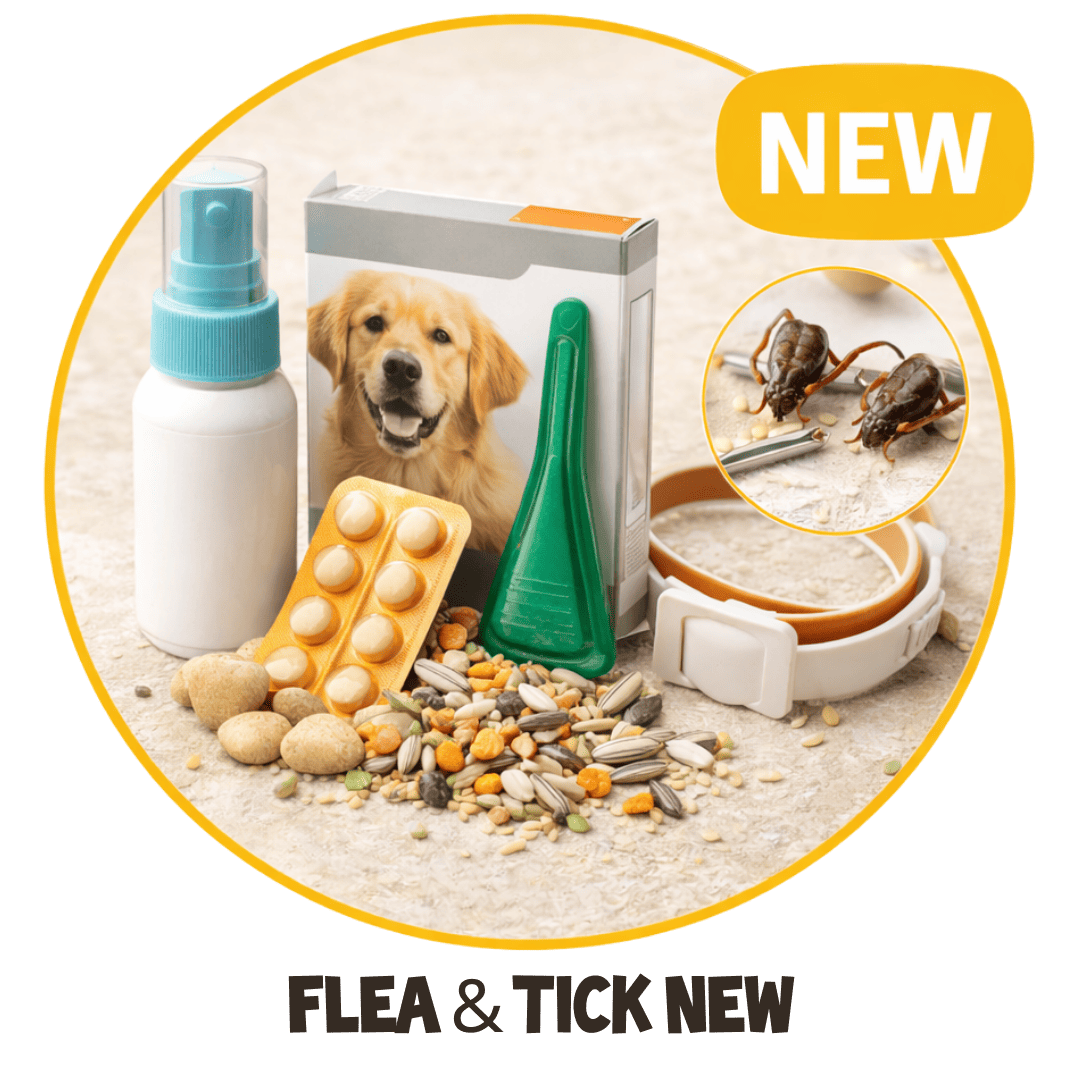
Tweezers are useful for removing splinters, thorns, or other foreign objects from your pet's skin. However, for tick removal, a specialized tick remover tool is highly recommended. These tools are designed to grip the tick close to the skin and remove it completely, reducing the risk of leaving the head embedded, which can lead to infection. Follow the instructions on the tick remover carefully. After removal, disinfect the bite area with antiseptic solution and monitor for signs of infection or Lyme disease. Check your pet regularly for ticks, especially after spending time outdoors; consider using a product for "Best Flea & Tick Prevention for Pets This Season".
Pitfall: Squeezing the tick's body during removal, which can release harmful bacteria into your pet's bloodstream. Actionable Step: Purchase a dedicated tick remover and learn how to use it properly before tick season.
Blunt-Ended Scissors: Cutting Bandages and Removing Obstructions
Blunt-ended scissors are essential for safely cutting bandages, gauze, and removing fur that may be obstructing a wound. The blunt ends minimize the risk of accidentally cutting your pet's skin. Keep the scissors clean and sharp for efficient cutting. They can also be used to carefully trim matted fur around wounds, allowing for better cleaning and healing. Be extremely cautious when using scissors near your pet's skin, especially if they are moving or agitated.
Pitfall: Using regular pointed scissors, which can easily puncture or cut your pet's skin. Actionable Step: Invest in a pair of blunt-ended scissors specifically for pet first aid.
Beyond the Basics: Additional Items to Consider for Specific Pets
While a general first aid kit is suitable for most pets, certain species require specific items tailored to their unique needs. Consider your pet's species and common health issues when customizing your kit. This section details additional supplies for avian, reptile, and small mammal companions.
Bird First Aid: Styptic Powder and Crop Needles
For birds, styptic powder is crucial for stopping bleeding from broken blood feathers or nail trims. Apply a small amount to the affected area and apply gentle pressure. A crop needle (feeding tube) may be necessary for administering fluids or medications to birds that are not eating or drinking. However, crop feeding should only be performed by experienced individuals or under the guidance of a veterinarian, as improper technique can cause aspiration pneumonia. Consider having a resource about "Bird Grooming Tips: Keeping Your Feathered Friend Healthy" on hand for proper feather and nail maintenance.
Example: Imagine a parakeet named Pip accidentally breaks a blood feather. Without styptic powder, the bleeding could be difficult to control, leading to significant blood loss and stress.
Reptile First Aid: Calcium Supplement and Antibiotic Ointment
Reptiles often suffer from calcium deficiencies, so including a calcium supplement in your first aid kit is beneficial, especially for species prone to metabolic bone disease. Antibiotic ointment can be used to treat minor skin abrasions or scale injuries. Consult with a veterinarian before using any medications on your reptile, as some products can be toxic. Maintaining proper humidity and temperature in your reptile's enclosure is crucial for preventing health problems. A resource like "SEO Automation: Daily Blogs, Top Rankings" could give you more ideas.
Example: A bearded dragon named Lizzy develops a minor skin abrasion after rubbing against a rough surface in her enclosure. Applying antibiotic ointment after cleaning the area can help prevent infection.
Small Animal First Aid: Syringe Feeding and Electrolyte Solution
Small animals like rabbits, guinea pigs, and hamsters are prone to gut stasis, a condition where the digestive system slows down or stops. Syringe feeding with a slurry of critical care formula can provide essential nutrients until veterinary care can be obtained. Electrolyte solutions can help rehydrate small animals suffering from diarrhea or dehydration. Always consult with a veterinarian before administering any medications or treatments to your small animal.
Example: A guinea pig named Gus stops eating and becomes lethargic. Syringe feeding with critical care formula can provide essential nutrients and fluids until a veterinarian can diagnose and treat the underlying cause.
Assembling Your Kit: Storage and Organization Tips for Easy Access
The effectiveness of a pet first aid kit hinges not only on its contents but also on how readily you can access them during an emergency. Proper storage and organization can save precious minutes when every second counts. A well-organized kit will also encourage you to use it!
Choosing the Right Container: Size, Durability, and Water Resistance
Select a container that is large enough to hold all your supplies without being overly bulky. A durable, water-resistant container is essential to protect the contents from damage and moisture. Options include plastic storage boxes, tackle boxes, or even repurposed medical bags. Consider a container with compartments or dividers to help organize the items inside.
Pitfall: Using a flimsy bag that tears easily or a container that is too small to accommodate all necessary items. Actionable Step: Measure the dimensions of your supplies and choose a container that provides ample space and adequate protection.
Labeling and Organizing Items for Quick Retrieval
Clearly label each item in your kit and organize them logically. Group similar items together, such as wound care supplies or medications. Consider using clear plastic bags or containers to further organize smaller items. A printed or handwritten list of the kit's contents, attached to the inside lid, can be invaluable during an emergency.
Example: Label separate bags for "Wound Cleaning," "Bandaging," "Medications," and "Tools." This allows for quick retrieval of the necessary items without having to rummage through the entire kit.
Keeping Your Kit in a Central and Accessible Location
Store your pet first aid kit in a central, easily accessible location in your home, such as the kitchen, pantry, or hallway closet. Ensure that everyone in the household knows where the kit is located. If you travel frequently with your pet, consider keeping a second, smaller kit in your car. Avoid storing the kit in humid or extremely hot environments, as this can damage certain supplies.
Pitfall: Storing the kit in a hard-to-reach location, such as the attic or basement, or in a place where it is likely to be forgotten. Actionable Step: Choose a prominent and easily accessible location for your pet first aid kit.
Maintaining Your Pet First Aid Kit: Expiration Dates and Replacements
A pet first aid kit is only effective if its contents are in good working order. Regular maintenance, including checking expiration dates and replacing used or damaged items, is crucial for ensuring that your kit is always ready when you need it most.
Creating a Schedule for Checking Expiration Dates
Establish a regular schedule for checking the expiration dates of medications, antiseptic solutions, and other perishable items in your kit. A good rule of thumb is to check your kit every three to six months. Mark the date on your calendar or set a reminder on your phone to ensure that you don't forget.
Pitfall: Neglecting to check expiration dates, which can lead to using ineffective or even harmful medications. Actionable Step: Create a recurring calendar reminder to check the expiration dates of all items in your pet first aid kit.
Replacing Used or Expired Items Promptly
Whenever you use an item from your kit, replace it as soon as possible. Expired medications should be discarded properly (consult your veterinarian or pharmacist for disposal guidelines). Damaged or contaminated supplies should also be replaced immediately. Make a list of frequently used items to streamline the restocking process; "Essential Pet Supplies Checklist: Never Run Out Again" might offer ideas.
Example: After using antiseptic wipes to clean a wound, immediately add them to your shopping list to ensure you have a replacement on hand.
Restocking and Reorganizing After Each Use
After using your pet first aid kit, take the time to thoroughly restock and reorganize it. This will ensure that everything is in its proper place and that you have all the necessary supplies for the next emergency. This is also a good opportunity to check expiration dates and discard any expired items.
Pitfall: Failing to restock and reorganize after each use, which can lead to disorganization and missing supplies during a future emergency. Actionable Step: Make it a habit to restock and reorganize your pet first aid kit immediately after each use.
First Aid Training for Pet Owners: Empowering Yourself with Knowledge
Being prepared for pet emergencies requires more than just a well-stocked first aid kit. Proper training equips you with the knowledge and confidence to act swiftly and effectively in critical situations. Pet first aid courses teach you how to assess your pet’s condition, administer basic life support, and handle common injuries until you can reach a veterinarian.
Benefits of Taking a Pet First Aid Course
A pet first aid course offers invaluable skills. You'll learn how to check vital signs (heart rate, respiration, temperature), recognize signs of distress ("Is My Pet Sick? Early Warning Signs You Should Know" https://www.talis-us.com/blogs/news/is-my-pet-sick-early-warning-signs-you-should-know), and perform CPR. Furthermore, courses cover topics like wound care, managing poisoning, addressing choking, and stabilizing fractures. Perhaps most importantly, training provides a sense of calm and control, reducing panic in stressful situations. Consider this: Without proper training, you might inadvertently worsen an injury. A course teaches you safe handling techniques.
Online and In-Person Training Options
Pet first aid courses are available in both online and in-person formats. Online courses offer flexibility and convenience, allowing you to learn at your own pace. However, in-person courses provide hands-on practice with instructors who can offer immediate feedback. When choosing a course, ensure it’s certified by a reputable organization like the American Red Cross or a qualified veterinary professional. Look for courses that include practical demonstrations using pet mannequins or, ethically, with your own healthy, willing pets under strict veterinary guidance.
Practicing Basic First Aid Techniques on Your Pet (Under Supervision)
Practice is crucial. Under the guidance of a veterinarian or certified instructor, gently practice techniques like bandaging, splinting, and checking vital signs on your healthy pet. This familiarizes both you and your pet with the procedures, minimizing stress during an actual emergency. Never attempt invasive procedures on your own without professional training and guidance. For instance, inserting a thermometer incorrectly can injure your pet. Instead, practice safe and accurate handling. Remember that your pet’s anxiety can escalate rapidly in an emergency. A calm and confident approach, fostered by practice, can make a significant difference.
Talis Us: Your Partner in Pet Wellness and Emergency Preparedness
At Talis Us, we understand that your pets are family. That's why we're committed to providing not only premium pet supplies but also resources to help you keep them safe and healthy. Our carefully curated selection of first aid supplies is designed to meet a variety of needs, from minor scrapes to more serious injuries.
Explore Our Selection of Premium Pet First Aid Supplies
We offer comprehensive first aid kits for dogs, cats, birds ("Bird Health Checklist: Signs of a Happy Bird" https://www.talis-us.com/blogs/news/bird-health-checklist-signs-of-a-happy-bird), and reptiles, as well as individual items to replenish your existing kit. Each kit is thoughtfully assembled with high-quality materials and detailed instructions. When selecting a kit, consider the size and type of your pet, as well as your lifestyle. A large dog that enjoys hiking will require a more robust kit than a small cat that primarily stays indoors.
Featured Products: Wound Care Kits, Digestive Support, and More
Our wound care kits include antiseptic solutions, bandages, gauze pads, and other essentials for cleaning and protecting minor injuries. We also offer digestive support products to help manage upset stomachs and diarrhea, a common issue in pets. For birds, we stock specialized wound care products appropriate for delicate feathers and skin ("Bird Grooming Tips: Keeping Your Feathered Friend Healthy" https://www.talis-us.com/blogs/news/bird-grooming-tips-keeping-your-feathered-friend-healthy). Our reptile kits contain items appropriate for treating scale injuries and other specific needs.
Expert Advice and Resources for Pet Owners
Talis Us is more than just a store; we're a resource for pet owners. Our website features articles and guides on various aspects of pet health, including first aid, nutrition, and behavior. We also partner with veterinarians and other pet professionals to provide expert advice and support. We believe that informed pet owners are better equipped to provide the best possible care for their animals.
Important Disclaimer: First Aid is Not a Substitute for Veterinary Care
While a well-stocked first aid kit and proper training are essential, it's crucial to understand that first aid is not a substitute for professional veterinary care. First aid is intended to stabilize your pet and provide temporary relief until you can get them to a veterinarian. Always seek veterinary attention for serious injuries or illnesses.
Knowing When to Seek Professional Help
It’s critical to recognize when a situation requires immediate veterinary intervention. First aid is about stabilizing the animal for transport. If you are unsure of the severity of your pet’s condition, it is always best to err on the side of caution and consult a veterinarian. Delaying treatment can have serious consequences.
Recognizing Critical Symptoms That Require Immediate Veterinary Attention
Certain symptoms warrant immediate veterinary attention. These include: difficulty breathing, severe bleeding, loss of consciousness, seizures, suspected poisoning, inability to urinate or defecate, signs of extreme pain, and significant trauma (e.g., hit by a car). Any sudden change in behavior or condition should also be evaluated by a veterinarian.
Keeping Your Veterinarian's Contact Information Readily Available
Keep your veterinarian's phone number and address readily available – programmed into your phone and posted in a visible location at home. Also, research the location and contact information for the nearest emergency veterinary clinic. During an emergency, every second counts, and having this information readily available can save valuable time.
Being prepared with the right knowledge, supplies, and a clear understanding of when to seek professional help can make all the difference in a pet emergency. At Talis Us, we're here to support you every step of the way, providing the resources and products you need to keep your beloved companions safe and healthy.


Leave a comment
This site is protected by hCaptcha and the hCaptcha Privacy Policy and Terms of Service apply.