
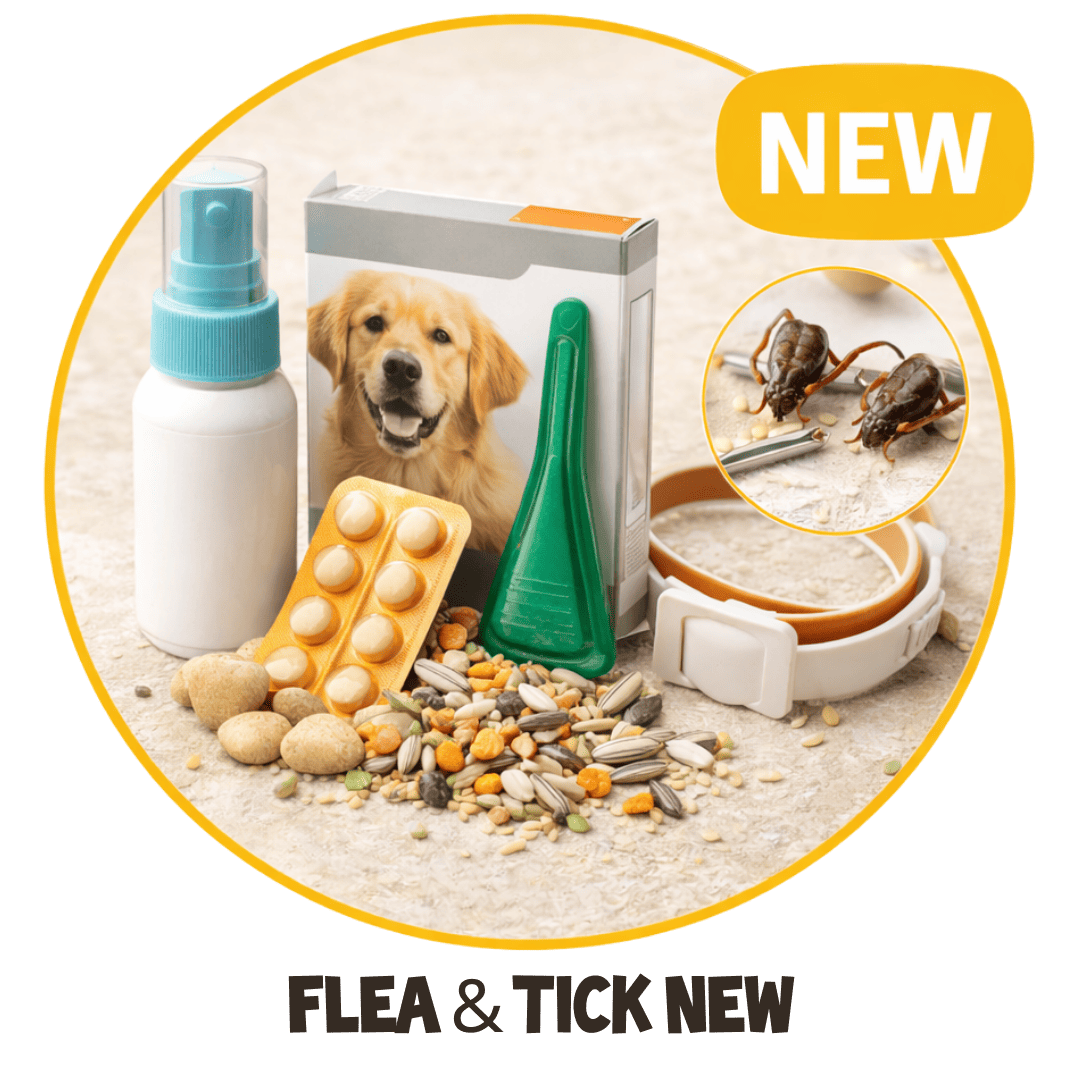


Best Flea & Tick Prevention for Pets This Season
Protecting Your Furry Friends: A Seasonal Guide to Flea and Tick Prevention
Fleas and ticks aren't just a summertime nuisance. They can be a year-round problem, depending on where you live. The reality is that these pesky parasites can cause significant discomfort and even transmit diseases to your beloved pets. That's why proactive flea and tick prevention is essential for responsible pet ownership. It’s not just about comfort; it’s about protecting your pet’s overall health and well-being.
So, what's the best approach to tackling these tiny invaders? This comprehensive guide will walk you through the various preventative options available, helping you make informed decisions to keep your furry, scaled, or feathered companions safe and itch-free.
Understanding the Flea and Tick Lifecycle
Before diving into prevention methods, it's crucial to understand the lifecycle of these parasites. Fleas, for example, go through four stages: egg, larva, pupa, and adult. Adult fleas live on your pet, feeding on their blood and laying eggs that fall off into your home environment. These eggs hatch into larvae, which feed on organic debris before forming pupae. The pupae can remain dormant for months, waiting for the right conditions (warmth and humidity) to emerge as adults. Understanding this lifecycle is key to effective control.
Ticks, similarly, have a complex lifecycle that involves multiple hosts. They typically go through four stages: egg, larva, nymph, and adult. Ticks can transmit diseases like Lyme disease, Rocky Mountain spotted fever, and ehrlichiosis. Unlike fleas, ticks don't usually infest your home; they're more often found in grassy, wooded areas.
Why Prevention is Better Than Cure
Treating a flea or tick infestation can be a lengthy and costly process. It often involves treating your pet, your home, and your yard. Plus, some pets can have allergic reactions to flea bites, leading to severe itching, skin irritation, and even secondary infections. Therefore, consistent preventative measures are far more effective and less stressful for both you and your pet. Think of it like this: a little prevention goes a long way in protecting your loved ones.
Exploring Flea and Tick Prevention Options
The good news is that there's a wide array of flea and tick prevention products available. The challenge is finding the right one for your pet's specific needs and lifestyle. Let's explore some of the most common options:
Topical Treatments
Topical treatments are applied directly to your pet's skin, usually between the shoulder blades to prevent licking. These treatments typically contain insecticides that kill fleas and ticks on contact or are absorbed into the pet's bloodstream to kill parasites when they feed. Options include:
- Spot-on treatments: These are applied monthly and are generally effective against both fleas and ticks. Popular brands include Frontline, Advantage, and Revolution.
- Sprays: Flea and tick sprays provide immediate relief and can be useful for pets with existing infestations or for added protection before going into heavily infested areas. However, they need to be applied more frequently than spot-on treatments.
- Wipes: Flea and tick wipes are a convenient option for quick touch-ups or for pets that are sensitive to sprays or spot-on treatments.
When choosing a topical treatment, it's crucial to consider your pet's species, weight, and age. Always read the label carefully and follow the instructions provided by the manufacturer. Never use a product intended for dogs on a cat, as this can be toxic.
Oral Medications
Oral flea and tick medications are administered as a pill or chewable tablet. These medications are absorbed into your pet's bloodstream and kill fleas and ticks when they bite. Some popular options include:
- Flea-only medications: These medications, like Capstar, provide rapid relief from flea infestations but don't offer protection against ticks. They're often used in conjunction with other preventative measures.
- Flea and tick medications: These medications, such as NexGard, Bravecto, and Simparica, provide broad-spectrum protection against both fleas and ticks. They are typically administered monthly or every three months, depending on the product.
Oral medications are a convenient option for pet owners who prefer not to use topical treatments. They're also a good choice for pets that swim frequently or are bathed often, as water can wash away topical treatments. Always consult with your veterinarian to determine if an oral medication is right for your pet.
Flea and Tick Collars
Flea and tick collars release insecticides onto your pet's skin and coat, providing continuous protection for several months. Some collars, like the Seresto collar, offer up to eight months of protection against fleas and ticks. Flea and tick collars can be a convenient and cost-effective option, but it's important to choose a high-quality collar that is safe and effective for your pet. Make sure the collar fits properly and doesn't cause skin irritation.
Natural Remedies
While natural remedies may seem appealing, it's essential to approach them with caution. Many natural remedies, such as essential oils, have not been scientifically proven to be effective against fleas and ticks. Additionally, some essential oils can be toxic to pets if ingested or applied improperly. If you're considering using natural remedies, consult with your veterinarian first.
Some natural options that are sometimes used include:
- Diatomaceous earth (food grade): This powder can be sprinkled around your home and yard to kill fleas and ticks. However, it can be irritating to the lungs if inhaled, so use caution when applying it.
- Neem oil: Neem oil has insecticidal properties and can be applied to your pet's coat to repel fleas and ticks.
Remember that natural remedies may not be as effective as conventional treatments, and they may not provide complete protection against fleas and ticks. It's always best to err on the side of caution and consult with your veterinarian about the best approach for your pet.
Shampoos and Dips
Flea and tick shampoos and dips can provide immediate relief from infestations, but their effects are temporary. These products contain insecticides that kill fleas and ticks on contact. They are often used in conjunction with other preventative measures to provide added protection. When using flea and tick shampoos or dips, follow the instructions carefully and avoid getting the product in your pet's eyes, nose, or mouth.
Choosing the Right Prevention Method for Your Pet
Selecting the best flea and tick prevention method depends on various factors, including:
- Your pet's species, age, and weight: Some products are not safe for puppies, kittens, or certain breeds.
- Your pet's lifestyle: If your pet swims frequently or is bathed often, topical treatments may not be as effective.
- Your geographic location: The prevalence of fleas and ticks varies depending on the region.
- Your personal preferences: Some pet owners prefer topical treatments, while others prefer oral medications or collars.
The best approach is to consult with your veterinarian. They can assess your pet's individual needs and recommend the most appropriate preventative measures. Don’t be afraid to ask questions and voice any concerns you might have.
Don't Forget About Your Home and Yard
Flea and tick prevention shouldn't stop with your pet. It's also important to treat your home and yard to eliminate any existing infestations and prevent future problems.
Here are some tips for controlling fleas and ticks in your home:
- Vacuum frequently: Vacuum all carpets, rugs, and upholstery regularly, paying close attention to areas where your pet spends time.
- Wash bedding regularly: Wash your pet's bedding in hot water to kill fleas and ticks.
- Use insecticidal sprays: Treat your home with an insecticidal spray that is safe for pets.
Here are some tips for controlling fleas and ticks in your yard:
- Keep your grass mowed: Short grass reduces the habitat for ticks and other pests.
- Remove leaf litter and debris: Fleas and ticks thrive in damp, shady areas.
- Use yard sprays: Treat your yard with an insecticide that is safe for pets and the environment.
Maintaining a clean and well-groomed yard can make a big difference in preventing flea and tick infestations.
Addressing Common Concerns
Pet owners often have questions and concerns about flea and tick prevention. Let's address some of the most common ones:
Are flea and tick products safe for my pet?
Most flea and tick products are safe when used according to the manufacturer's instructions. However, some pets may experience side effects, such as skin irritation, vomiting, or diarrhea. If you notice any adverse reactions, contact your veterinarian immediately.
Can I use human flea and tick products on my pet?
No! Human flea and tick products are not safe for pets. They may contain ingredients that are toxic to animals. Always use products that are specifically formulated for pets.
How often should I treat my pet for fleas and ticks?
The frequency of treatment depends on the product you're using and the prevalence of fleas and ticks in your area. Most topical treatments and oral medications are administered monthly, while some collars offer protection for several months.
What if my pet has a flea allergy?
Pets with flea allergies are extremely sensitive to flea bites and can develop severe skin irritation and itching. If your pet has a flea allergy, it's even more important to maintain consistent flea prevention and to consult with your veterinarian about managing the allergy.
If you notice early warning signs that Is My Pet Sick?, it is recommended to seek veterinarian attention immediately.
What About Birds?
While much of the conversation around fleas and ticks focuses on cats and dogs, it's important to remember that birds can also be affected. While not as common, birds can contract mites and other external parasites that cause similar discomfort. Maintaining a clean environment for your feathered friend is essential. Regular Bird Cage Cleaning is crucial. Consult with an avian veterinarian about appropriate preventative measures for your bird species.
Consider also, that a happy bird is a healthy bird. Ensure your bird's mental and physical well-being by providing stimulating Bird Toys.
The Bottom Line
Flea and tick prevention is an essential part of responsible pet ownership. By understanding the lifecycle of these parasites and the various preventative options available, you can protect your pet from discomfort and disease. Consult with your veterinarian to determine the best approach for your pet's specific needs and lifestyle. With consistent prevention, you can keep your furry, scaled, or feathered friends happy, healthy, and itch-free all year round.
Making sure you have all the Essential Pet Supplies is crucial for maintaining a healthy and happy pet.




Leave a comment
This site is protected by hCaptcha and the hCaptcha Privacy Policy and Terms of Service apply.