


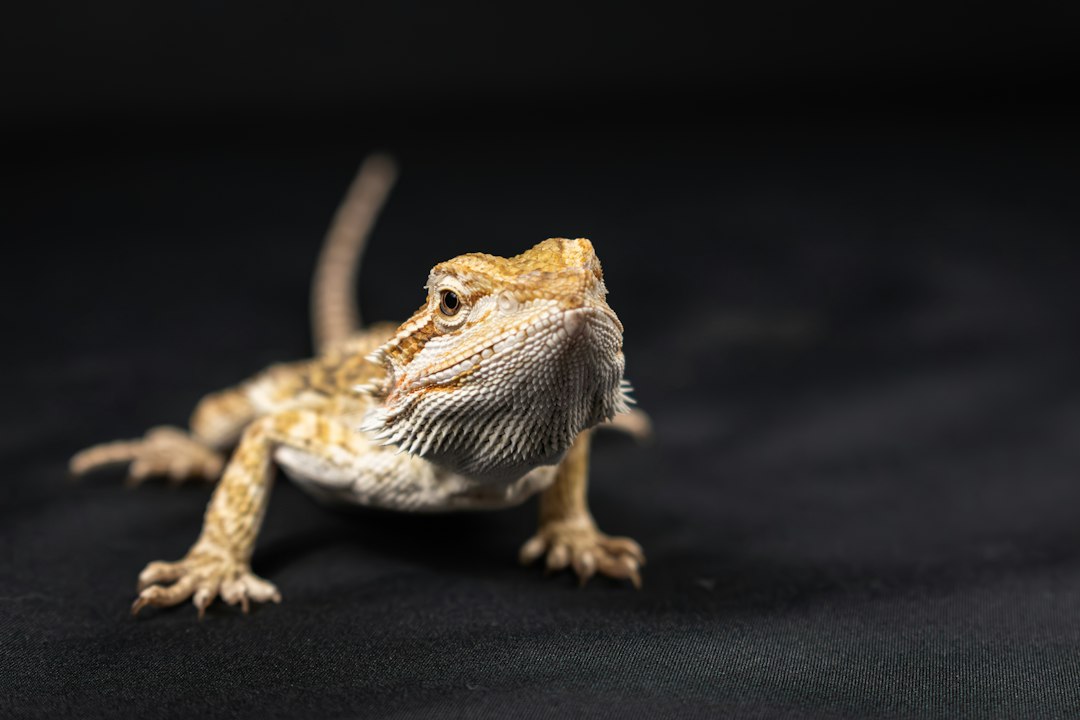
Essential Accessories for Your Bearded Dragon
Essential Accessories for Your Bearded Dragon
A well-planned bearded dragon setup is more than a glass tank with a heat lamp. The right bearded dragon accessories help your reptile bask, climb, hide, explore, eat safely, and feel secure in a habitat that supports natural behavior. This guide walks through the most useful bearded dragon tank accessories, plus enrichment ideas and bearded dragon toys that add variety without cluttering the enclosure.
What accessories does a bearded dragon really need?
A bearded dragon needs accessories that support heat regulation, UVB exposure, security, movement, feeding, hydration, and enrichment. Start with functional items first: safe lighting and heating equipment, accurate thermometers, a basking platform, hides, food and water dishes, and stable climbing décor. Once those essentials are in place, you can add enrichment items such as digging areas, textured surfaces, puzzle-style feeders, and supervised out-of-tank activities.
Bearded dragons are diurnal lizards, so their enclosure should let them move between warm and cooler areas while accessing appropriate light. Reptile veterinary and welfare sources consistently emphasize temperature gradients, UVB exposure, ventilation, hides, and environmental complexity as core parts of reptile husbandry. (merckvetmanual.com)
Think of accessories in three layers:
- Life-support accessories: lighting, heating, thermometers, hygrometers, timers, and safe electrical setup.
- Habitat structure: basking platforms, hides, branches, rocks, background pieces, substrate, and feeding stations.
- Enrichment: bearded dragon toys, foraging tools, dig boxes, safe plants or décor, and supervised exploration items.
That order matters. A hammock is fun, but it does not replace a properly measured basking surface. A decorative cave looks nice, but it still needs to be large enough for your dragon to fit fully inside. The best accessories do a job and improve the quality of the enclosure at the same time.

Lighting and heating accessories form the foundation
Lighting and heating are not “extras” for a bearded dragon. They are the equipment that allows your pet to digest food, regulate body temperature, remain active, and use calcium properly. Because reptiles rely on external heat sources, the setup should create choices: a bright basking area, a cooler shaded side, and enough space to move between them.
Basking lamp and secure fixture
A basking lamp should warm one end of the enclosure and create a defined basking zone. The RSPCA describes a thermal gradient for bearded dragons with a hotter bright end and a cooler shaded end, which lets the animal choose where it needs to be throughout the day. (rspca.org.uk)
Choose a fixture that is rated for the bulb you use, placed safely so the dragon cannot touch the bulb or hot fitting. VCA notes that heat sources should be positioned outside and above one end of the enclosure to reduce burn risk. (vcahospitals.com) A flat rock, sturdy branch, or reptile-safe platform under the basking lamp helps create a reliable basking surface.
UVB lighting and a day-night timer
UVB lighting is one of the most important bearded dragon tank accessories because bearded dragons use UVB to support vitamin D3 synthesis and calcium metabolism. Merck explains that UVB light is especially important for many diurnal lizards, including species that bask during the day. (merckvetmanual.com)
A timer is a small accessory with a big payoff. It keeps lighting consistent, prevents forgotten switch-offs, and helps maintain a predictable routine. Avoid relying on colored night bulbs as a default accessory; if nighttime heat is needed, ask a reptile veterinarian about safe options that do not disrupt the animal’s light cycle.
Thermometers, hygrometer, and temperature gun
Do not guess enclosure conditions by touching the glass or looking at the lamp. Use digital thermometers at both the warm and cool ends, a hygrometer to monitor humidity, and an infrared temperature gun to check the basking surface. Humidity and ventilation matter because poorly managed humidity or restricted airflow can contribute to skin and respiratory problems in reptiles. (merckvetmanual.com)
A good monitoring setup helps you catch problems early. If your dragon is hiding constantly, refusing food, or staying in only one part of the enclosure, your temperature or lighting may need adjustment. Accessories should help you make decisions, not just decorate the tank.
Basking platforms, rocks, and branches add usable space
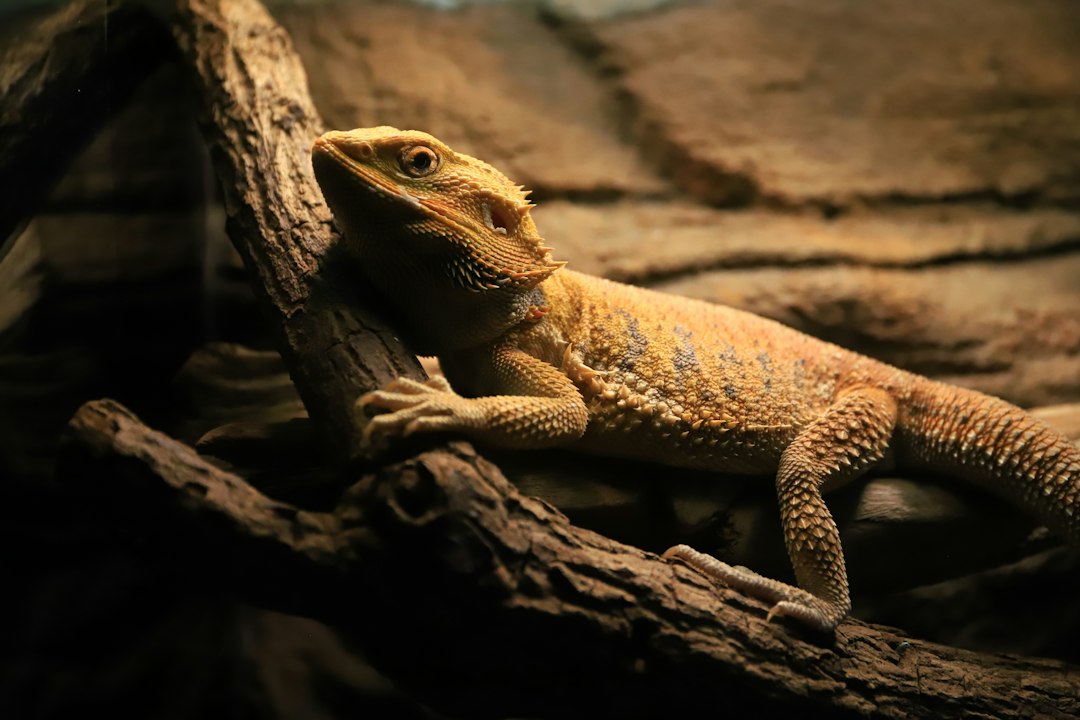
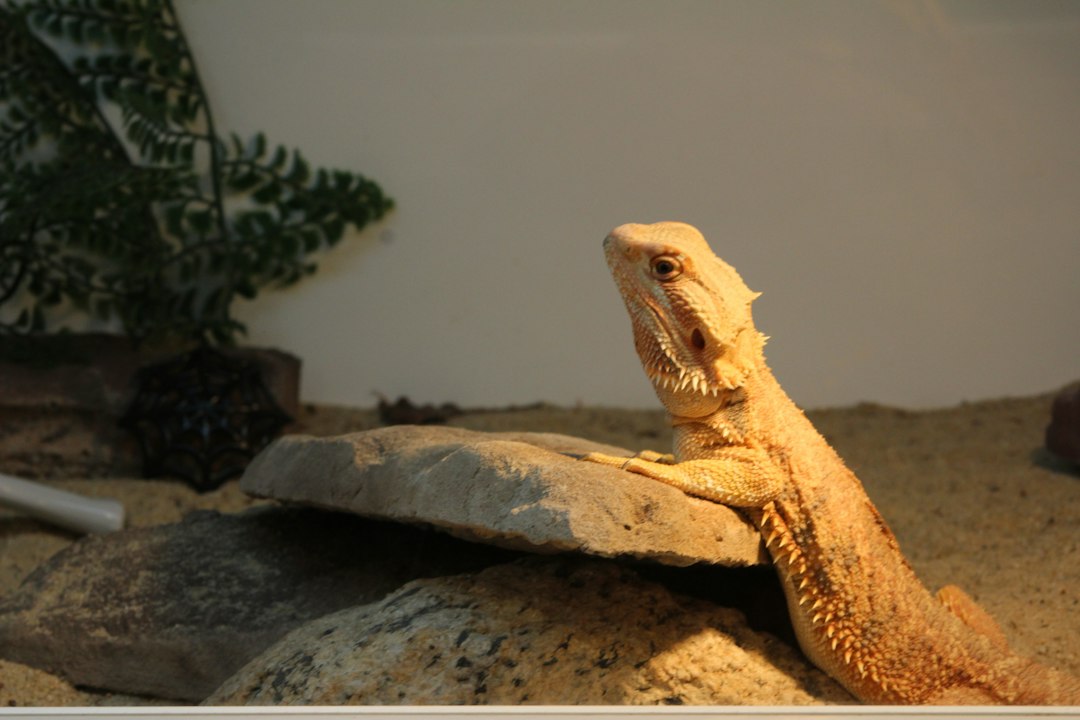
Bearded dragons often enjoy elevated basking and climbing opportunities, but every piece of décor must be stable. A basking platform should be wide enough for the dragon to rest comfortably, textured enough for grip, and positioned at an appropriate distance from the heat and UVB source. If it wobbles, shifts, or can collapse when the dragon jumps, it does not belong in the enclosure.
Good options include:
- Flat basking stones that hold warmth and provide a secure resting surface.
- Cork bark or sturdy wood pieces for climbing and visual interest.
- Reptile-safe ledges that increase floor space in larger enclosures.
- Textured ramps for dragons that need easier access to elevated areas.
- Low, broad branches arranged so falls are unlikely.
RSPCA guidance recommends providing stones and branches for climbing, along with hides at both ends of the vivarium so the dragon can feel secure. (rspca.org.uk) The key is balance. A habitat should be interesting, but it should not be so crowded that your dragon cannot turn around, hunt food, or move freely between temperature zones.
Hides give your dragon security
Hides are essential bearded dragon accessories because they give your pet a place to retreat. Even a confident dragon needs privacy. Without secure hiding spots, an enclosure can feel exposed, especially in a busy room with movement, noise, children, pets, or reflections.
Provide at least one hide on the warm side and one on the cool side. This allows your dragon to feel safe without being forced to choose between security and the right temperature. RSPCA hide guidance says hides should be placed in both warm and cool areas and should be large enough for the reptile’s whole body. (rspca.org.uk)
Look for hides with smooth entrances, washable surfaces, and enough internal space. Avoid sharp ceramic edges, unstable stacked rocks, or décor with holes that could trap toes, claws, or the body. If your bearded dragon ignores a hide, try changing its location, partially covering the entrance with foliage, or choosing a darker design that feels more sheltered.
Substrate and digging options support natural behavior
Substrate is one of the most debated parts of a bearded dragon setup, so it helps to separate two goals: easy maintenance and natural behavior. Solid surfaces such as tile or paper-based options can be simple to clean, especially for new keepers, quarantine setups, or dragons with health concerns. However, naturalistic options and dig boxes can give healthy dragons opportunities to explore, scratch, and dig.
RSPCA notes that non-loose substrates can prevent natural digging behavior, so a digging box may be helpful when solid flooring is used. (rspca.org.uk) RSPCA Knowledgebase also describes environmental enrichment as a way to support comfort, interest, and natural behaviors, including the use of natural substrates for manipulation and digging in appropriate reptile setups. (kb.rspca.org.au)
If you add a dig box, keep it practical:
- Use a shallow, sturdy container that cannot tip easily.
- Choose an appropriate reptile-safe digging material and avoid dusty, scented, chemically treated, or sharp materials.
- Place it away from food dishes to reduce contamination.
- Spot-clean frequently and replace the contents when soiled.
- Watch your dragon’s behavior and remove the box if it encourages unsafe ingestion or stress.
Substrate choices should also reflect your individual dragon’s age, health, feeding style, and veterinary advice. When in doubt, keep the main enclosure simple and add enrichment in controlled ways.

Food and water accessories keep daily care organized
Feeding accessories are easy to overlook, but they make daily care cleaner and more predictable. A shallow salad dish helps keep greens off the substrate. A smooth-sided feeder dish can contain some live insects, giving your dragon a chance to hunt without letting feeders hide under décor. A small water dish may be useful, though many dragons do not drink from standing water consistently.
Choose dishes that are:
- Low enough for easy access without forcing awkward climbing.
- Heavy enough to resist tipping when your dragon steps on the edge.
- Easy to remove and disinfect as part of regular cleaning.
- Sized appropriately so food is visible and not buried under décor.
Feeding tools can also become enrichment. Tongs can be used to guide movement during supervised feeding, while scatter feeding greens in a clean area may encourage searching behavior. Just keep safety in mind: do not leave loose insects in the enclosure for long periods, and remove uneaten food before it spoils or attracts pests.
Which bearded dragon toys are actually useful?
The best bearded dragon toys are not necessarily toys in the dog-or-cat sense. Useful toys create safe opportunities to forage, climb, dig, explore textures, and experience novelty. A bearded dragon may not “play” with an object every day, but enrichment can still encourage movement, curiosity, and natural behavior.
Good enrichment ideas include:
- Foraging feeders: Treat balls or feeder puzzles designed for reptiles can encourage problem-solving when used under supervision.
- Dig boxes: A controlled digging area lets dragons scratch and burrow without changing the entire enclosure.
- Textured tiles and cork pieces: Different surfaces invite walking, gripping, and exploring.
- Safe climbing features: Low branches, ramps, and ledges help create movement opportunities.
- Visual barriers: Artificial plants, cork flats, and background panels can make the enclosure feel less exposed.
- Supervised exploration pens: A secure, escape-proof area outside the tank can provide novelty when temperature and safety are controlled.
RSPCA Knowledgebase emphasizes that reptiles need environmental enrichment for comfort, interest, and security, and it lists habitat complexity, natural materials, and opportunities for natural behavior as useful enrichment approaches. (kb.rspca.org.au) The best bearded dragon toys are therefore simple, safe, and behavior-focused.
Avoid items that are too small, painted with unsafe coatings, scented, sticky, sharp, or easy to chew apart. Exercise balls marketed for small mammals are usually not a good fit for bearded dragons because they can restrict natural movement and create stress. If an accessory makes your dragon panic, glass-surf, gape defensively, or hide for long periods, remove it and try a calmer option.
Decorative accessories should be safe before stylish
Décor gives a tank personality, but safety comes first. Many attractive pieces are too sharp, too narrow, too flimsy, or difficult to clean. Before adding anything, imagine your dragon climbing over it, jumping from it, rubbing against it during shed, and dragging food across it. If the item fails any of those scenarios, skip it.
Use this quick safety checklist before buying or placing décor:
- Stability: Does it stay still when pushed or climbed on?
- Size: Can your dragon fit through openings without getting stuck?
- Texture: Is it grippy without being abrasive or sharp?
- Cleanability: Can it be washed and disinfected safely?
- Material safety: Is it reptile-safe, untreated, and free from fumes or loose coatings?
- Placement: Does it preserve access to the basking area, cool side, hides, and food dishes?
- Heat safety: Could it overheat under the basking lamp or block UVB exposure?
Artificial plants can provide cover, but they should be sturdy and not easy to pull apart. Natural wood can be excellent, but only if it is safe, clean, and properly prepared. Avoid décor collected from areas treated with pesticides, herbicides, road salt, or unknown chemicals.
Cleaning and maintenance tools belong on the list
Not every essential accessory goes inside the tank. Some of the most important items live nearby: reptile-safe disinfectant, paper towels, spare dishes, a waste scoop, feeding tongs, a small cleaning brush, and a dedicated storage bin. These tools make routine care easier, which means the enclosure is more likely to stay clean.
A practical maintenance kit might include:
- Reptile-safe disinfectant used according to label directions.
- Separate scrub brushes for dishes and décor.
- Disposable gloves for deep cleaning.
- A spare hide or basking item to rotate during cleaning.
- A small trash container or sealed bag for spot cleaning.
- A notebook or app for tracking appetite, shedding, weight, and behavior.
Daily observation is part of good husbandry. RSPCA advises monitoring bearded dragons for health and behavior changes and contacting a reptile veterinarian when concerns appear. (rspca.org.uk) Accessories can support care, but they cannot replace attentive observation or veterinary guidance.
Building a balanced accessory setup
A balanced enclosure gives your bearded dragon choices without creating chaos. The warm side should have the basking lamp, UVB access, a stable basking surface, and a hide. The cool side should include another hide, open floor space, and perhaps a climbing or visual cover feature. Food and water dishes should be easy to reach and easy to remove.
Here is a simple setup flow:
- Install lighting and heating first so you can test temperatures before adding your dragon.
- Add monitoring tools at the warm and cool ends.
- Place the basking platform where heat and UVB access are appropriate.
- Add hides on both sides for security.
- Create movement paths with branches, rocks, or ramps.
- Add feeding dishes and cleaning tools for daily care.
- Introduce enrichment gradually so you can see what your dragon uses and enjoys.
This approach prevents the common mistake of buying random bearded dragon accessories before knowing what the habitat actually needs. It also makes the enclosure easier to troubleshoot if your dragon’s behavior changes.
Common accessory mistakes to avoid
The most common mistake is choosing accessories because they look appealing to people rather than because they work for the animal. A beautiful enclosure can still be stressful if the hides are too small, the basking area is unstable, or there is no clear temperature gradient. Another mistake is adding too much at once, which can make a dragon feel insecure in a space that suddenly smells and looks unfamiliar.
Be careful with:
- Unsecured hammocks or ledges that can sag, trap claws, or cause falls.
- Tiny hides that only cover the head rather than the full body.
- Loose décor that shifts during climbing.
- Overcrowding that blocks movement between warm and cool zones.
- Decorative lights that add brightness or heat without serving a clear husbandry purpose.
- Novelty toys that create stress instead of enrichment.
A good rule is to watch how your dragon uses each item. If an accessory supports basking, hiding, climbing, feeding, digging, or calm exploration, it earns its place. If it only takes up space, remove it.
Final takeaway
Essential bearded dragon tank accessories should make the enclosure safer, more functional, and more enriching. Start with lighting, heating, monitoring tools, hides, basking surfaces, and feeding dishes, then build in bearded dragon toys and enrichment that encourage natural behavior. The best setup is not the most crowded or expensive one; it is the one that gives your dragon secure places to rest, safe ways to move, and daily opportunities to explore.

Written by Talis Us


Leave a comment
This site is protected by hCaptcha and the hCaptcha Privacy Policy and Terms of Service apply.