


Article: 75-Gallon Bearded Dragon Tank Setup
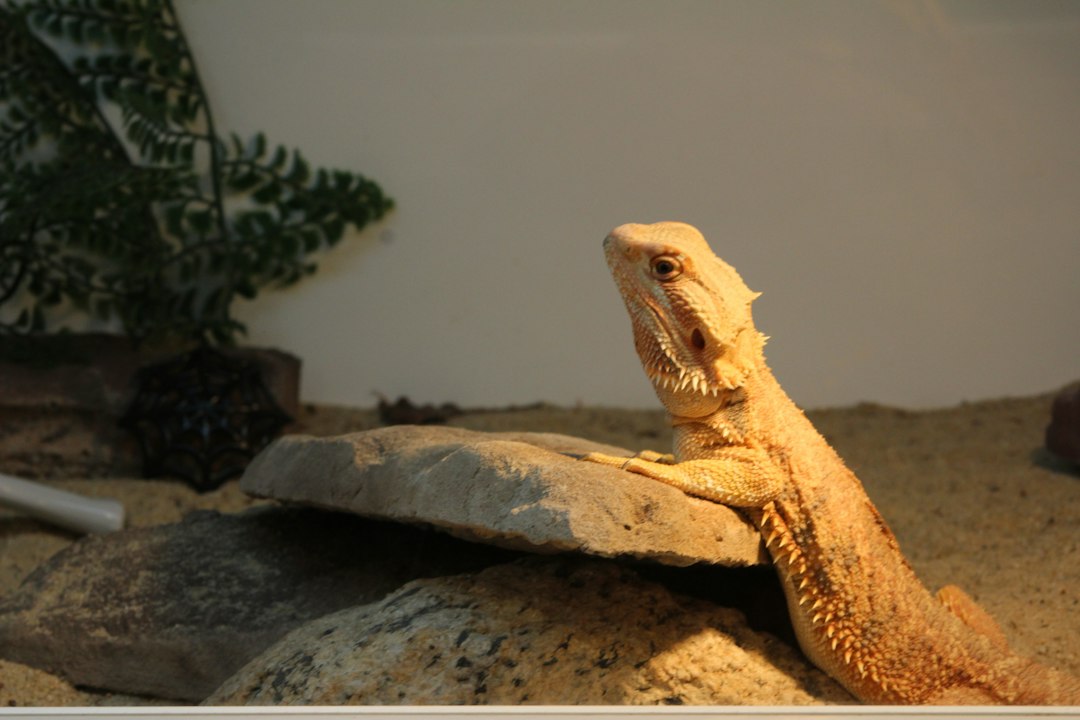
75-Gallon Bearded Dragon Tank Setup
75-Gallon Bearded Dragon Tank Setup: Size, Heating, Lighting, Substrate & Decor
A 75 gallon bearded dragon tank can be a workable setup when it is planned around floor space, heat gradients, UVB exposure, safe substrate, and natural behavior. It gives you room to create a warm basking end, a cooler retreat, and enough structure for climbing, hiding, and exploring. For a full-grown dragon, however, “75 gallons” should be treated as the lower end of acceptable housing rather than the dream enclosure, and bigger is often easier to manage well. UC Davis notes that a single adult may do well in a 75- or 120-gallon aquarium, while also recommending enclosure dimensions of at least 48 inches long, 24 inches wide, and 18 inches high when building a habitat. (healthtopics.vetmed.ucdavis.edu)
Is a 75-gallon tank big enough for a bearded dragon?
A 75-gallon setup can be big enough for many juvenile, subadult, or smaller adult bearded dragons, but it should be judged by usable space, not just gallon volume. Bearded dragons are terrestrial lizards that need horizontal room to move between heat, light, shade, and shelter; a tall tank with limited floor area is less useful than a longer, deeper enclosure. If your dragon is large, very active, glass-surfing, or unable to get away from the basking zone, an upgrade to a larger vivarium is the better long-term plan. Merck also notes that enclosure size matters, that keepers should provide the largest enclosure possible, and that bearded dragons tend to do better in larger wooden or fiberglass vivaria than standard glass aquaria. (merckvetmanual.com)
Before buying equipment, measure the tank’s actual interior length, depth, and height. The enclosure needs enough distance between the basking lamp and the animal, enough depth for hides and branches, and enough open floor for feeding and movement. A 75 gallon bearded dragon tank is easiest to set up when one end is clearly designed as the “sunny” basking zone and the opposite end stays cooler and more shaded.
Build the habitat around a true temperature gradient
Heat is not just about making the tank warm. Bearded dragons thermoregulate by moving between warmer and cooler areas, so the setup should offer choices throughout the day. Place the primary basking heat source over one end only, then use thermometers and an infrared temperature gun to confirm that the basking area, warm side, and cool side are all where they should be.
The RSPCA recommends a hotter bright end of 38–42°C, or about 100–108°F, and a cooler shaded end of 22–26°C, or about 72–79°F. It also advises using a thermostat, recording temperatures daily, keeping the vivarium away from radiators or sunny windows that can distort readings, and preventing nighttime temperatures from dropping too low. (rspca.org.uk)
Use this as a practical setup checklist:
- Basking platform: Place a flat rock, slate, or sturdy branch under the heat lamp so your dragon can bask securely.
- Warm side: Keep décor open enough that heat and light reach the basking surface.
- Cool side: Add shade, a hide, and a water dish so your dragon can retreat comfortably.
- Thermostat: Control heat output instead of guessing from bulb wattage.
- Thermometers: Use digital probes for air temperatures and an infrared temp gun for basking surfaces.
- Night heat: Use non-light-emitting heat only if the room becomes too cool.
Avoid heated rocks. Merck warns that hot rocks can cause burns and recommends thermostat-controlled, screened heat sources positioned toward one end of the enclosure. (merckvetmanual.com)
UVB and visible light make the setup work
A bearded dragon needs bright daytime lighting and appropriate UVB, not just warmth. UVB helps reptiles make vitamin D3 and regulate calcium, which is why poor lighting can contribute to serious health problems over time. The most useful arrangement is usually a linear UVB tube mounted near the basking zone so heat, visible light, and UVB overlap where the dragon spends its active “sunning” time. (merckvetmanual.com)
The RSPCA recommends a high-output 10–12% UVB fluorescent tube covering up to half the vivarium length, positioned toward the hot end, with a light-to-shade gradient and all lights turned off at night. It also notes that UVB does not pass through window glass, so sunlight through a window is not a substitute for a proper reptile UVB lamp. (rspca.org.uk)
For a 75 gallon bearded dragon tank, mount the UVB according to the lamp manufacturer’s distance guidelines and account for mesh lids, reflectors, and décor height. Replace bulbs on the recommended schedule even if they still look bright, because visible light and UVB output are not the same thing. If your dragon is a sensitive morph or has a medical history, ask a reptile-experienced veterinarian for lighting guidance.
Safe substrate is boring in the best way
Substrate should support cleanliness and reduce ingestion risk. For new keepers, simple options such as paper towels, newspaper, reptile-safe liner, or tile make it easier to monitor droppings, spilled food, and overall health. UC Davis advises avoiding sand, calcium sand, wood chips, gravel, and small-particle bedding because bearded dragons may eat substrate. (healthtopics.vetmed.ucdavis.edu)
Loose naturalistic substrates can work for experienced keepers when the rest of the husbandry is already dialed in, but they are less forgiving. If temperatures, hydration, diet, or feeding practices are poor, loose substrate can make problems harder to spot. A smart compromise is to keep the main floor easy to clean while offering a contained dig box with an appropriate, monitored mix if your dragon likes digging.
What goes inside the tank?
The tank should contain items that help your dragon bask, hide, climb, and choose between microclimates. Décor is not just decoration; it is how the animal uses the environment. UC Davis recommends branches for climbing, rocks for basking, and shelter for hiding, which fits the natural behavior of bearded dragons as ground-dwelling lizards that also climb rocks and low branches. (healthtopics.vetmed.ucdavis.edu)
A balanced layout includes:
- A stable basking surface directly below the heat and UVB overlap.
- At least one secure hide on the cooler side, with another hide on the warm side if space allows.
- Climbing branches or cork pieces that are firmly anchored and not too close to lamps.
- A shallow water dish on the cool side, refreshed daily.
- Feeding space such as a dish or clear area that reduces accidental substrate ingestion.
- Visual barriers like cork, rocks, or safe artificial plants to make an open glass tank feel less exposed.
Do not overcrowd the enclosure. Your dragon should be able to turn around easily, move from end to end, and rest fully under the basking area without touching a lamp guard or screen.
Keep the setup clean and adjustable
A good habitat is monitored, not “set and forget.” Spot-clean waste quickly, remove uneaten greens, wash water dishes often, and do a deeper clean on a regular schedule using reptile-safe disinfectant. The RSPCA emphasizes handwashing around reptiles because they can carry Salmonella, and it recommends spot-cleaning waste as it appears and cleaning the vivarium with reptile-safe disinfectant. (rspca.org.uk)
Track changes in appetite, basking habits, shedding, stool, and activity. If your dragon stops eating, hides constantly, gapes excessively, appears weak, or shows signs of illness, treat the enclosure setup as part of the health picture and contact a reptile-savvy veterinarian.
The key takeaway
A 75-gallon tank can become a healthy, functional bearded dragon habitat when it provides enough usable floor space, a verified heat gradient, strong UVB, safe flooring, and enrichment that lets the dragon behave naturally. Set it up with measurement tools from day one, not guesswork. If the animal outgrows the space or cannot thermoregulate comfortably, upgrade sooner rather than trying to force the tank to do more than it can.

Written by Talis Us


Leave a comment
This site is protected by hCaptcha and the hCaptcha Privacy Policy and Terms of Service apply.