


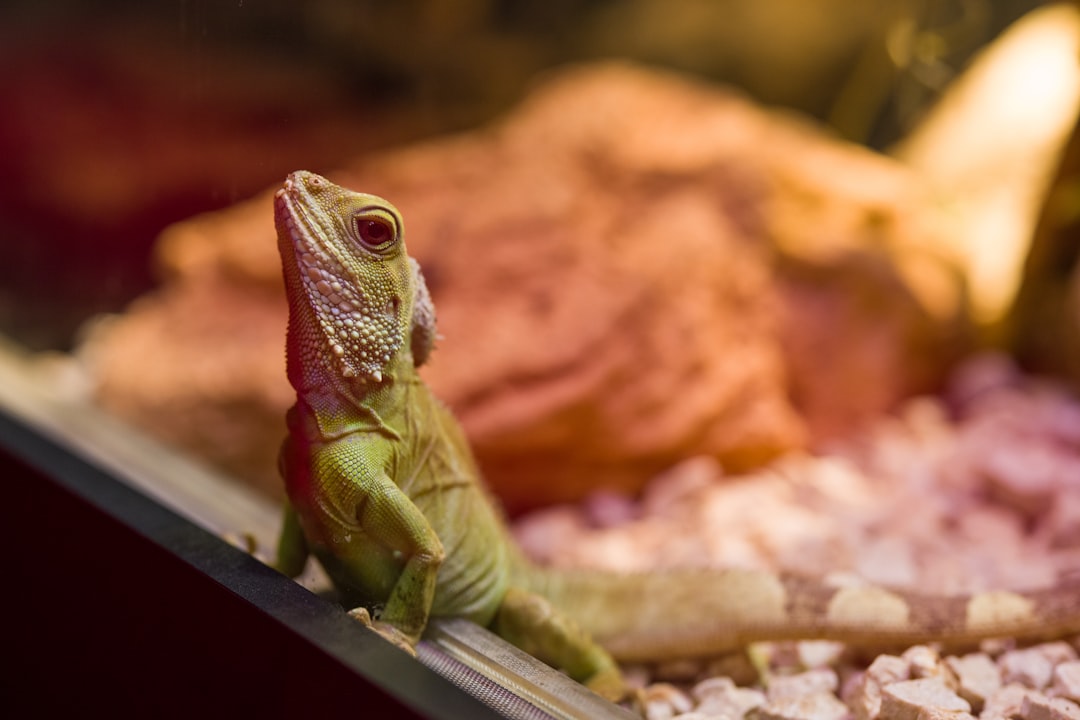
Choosing the Right Reptile Heater for Your Pet
Choosing the Right Reptile Heater for Your Pet
Reptiles rely on external heat to digest food, move comfortably, regulate immune function, and settle into natural daily rhythms. The right reptile heater is not simply the warmest option on the shelf; it is the setup that creates a safe temperature gradient for your pet’s species, enclosure, and behavior. This guide explains the main heating choices, how they work, and what to consider before adding a reptile heating pad, reptile heat lamp, or other heat source to a habitat.

What does your reptile actually need from a heater?
Your reptile needs controlled, species-appropriate warmth in the right place, not constant heat everywhere in the enclosure. A good setup gives your pet access to a warmer basking or hide area and a cooler retreat, so it can move between zones as needed. This is why heating should always be planned around a temperature gradient, reliable monitoring, and the animal’s natural habits.
Before choosing any product, start with the species. A desert-dwelling lizard, a tropical gecko, a corn snake, and an aquatic turtle may all need very different heat patterns. Some reptiles bask openly under overhead warmth, while others absorb belly heat from warm surfaces or spend much of their time hidden. Matching the heat source to those behaviors makes the enclosure safer and more comfortable.
It also helps to think of heat as part of the whole environment. Humidity, ventilation, substrate depth, enclosure size, room temperature, lighting, and hide placement all affect how warmth behaves. A heater that works beautifully in one tank may be too strong, too weak, or poorly positioned in another.
The main types of reptile heaters
Most reptile keepers choose from a few common heat sources, each with a different purpose. Some are designed to warm the air, some warm surfaces, and others create a basking zone that mimics sunlight. Many habitats use a combination, but more equipment is not automatically better.
Reptile heat lamps
A reptile heat lamp is one of the most common options for species that bask during the day. It produces overhead heat, usually focused on a specific basking area. For animals that naturally warm themselves under sunlight, this can encourage normal activity, feeding, and resting patterns.
Heat lamps are useful because they create a clear warm zone from above. They can also help keep the enclosure’s daytime rhythm simple: lights and heat are on during the day, then reduced or turned off at night if the species tolerates a nighttime temperature drop. However, lamps must be positioned carefully to prevent burns, overheating, or direct contact with the bulb or fixture.
A heat lamp is often best for reptiles such as many bearded dragons, uromastyx, tortoises, and basking lizards. It may be less ideal as the only heat source for shy, nocturnal, or burrowing species that rarely sit in the open. In those cases, overhead heat may still be useful, but it should be planned around hides and nighttime behavior.
Reptile heating pads
A reptile heating pad, sometimes called an under-tank heater or heat mat, provides warmth from below or from the side of an enclosure. It is often used for snakes, leopard geckos, and other reptiles that benefit from a warm hide or belly heat. Pads are usually installed outside the enclosure, depending on the tank type and manufacturer instructions.
Heating pads are helpful when the goal is to warm a specific surface or hide rather than the whole enclosure. For example, a warm hide over a regulated pad can give a snake a secure place to digest without forcing it to sit under bright light. This makes pads especially appealing for species that prefer cover.
The main caution is control. A reptile heating pad should generally be paired with a thermostat because the surface temperature can become unsafe if left unregulated. Substrate depth also matters: thick bedding can trap heat underneath while leaving the top layer cooler, which may tempt owners to raise the setting and accidentally create a hot spot.
Ceramic heat emitters and radiant heat panels
Ceramic heat emitters produce heat without visible light. They can help maintain nighttime temperatures for species that need warmth after dark. Because they get very hot, they require a proper ceramic fixture, secure placement, and a guard or distance that prevents animal contact.
Radiant heat panels are commonly used in larger or more permanent enclosures. They provide overhead radiant warmth without bright light and can be useful for snakes and some lizards. Like other heating equipment, they should be controlled and monitored rather than treated as a set-and-forget device.
Heat tape and cables
Heat tape and cables are more specialized options, often used by experienced keepers or in rack systems. They can be effective, but they require careful installation, appropriate controls, and attention to electrical safety. For a beginner habitat, a commercially available lamp, pad, or panel is usually easier to manage correctly.
Reptile heating pad or reptile heat lamp?
Choose a reptile heating pad when your pet needs a warm hide, belly heat, or gentle localized warmth without bright overhead light. Choose a reptile heat lamp when your pet naturally basks, needs a strong daytime warm zone, or benefits from overhead heat that mimics the sun. The best choice depends on species behavior, enclosure design, daytime and nighttime temperature needs, and how easily you can monitor the warmest surface.
Here is a practical way to compare them without overcomplicating the decision:
- For open baskers: A reptile heat lamp is often the better primary heat source because it creates a natural overhead basking area.
- For secretive or nocturnal reptiles: A regulated reptile heating pad or radiant heat source may be more appropriate because the animal can warm up while staying hidden.
- For tanks in cool rooms: You may need overhead heat plus a controlled supplemental source, but only if temperatures are measured and stable.
- For animals that burrow deeply: Be cautious with under-tank heat, as trapped heat beneath substrate can create unsafe hot spots.
- For nighttime warmth: Avoid bright light at night for most reptiles. Consider non-light-emitting heat options if nighttime heat is truly needed.
It is also worth remembering that “lamp versus pad” is not always an either-or question. Some enclosures use a lamp for daytime basking and a thermostat-controlled pad for a warm hide. Others do perfectly well with one carefully chosen reptile heater. The deciding factor is not the product category; it is the temperature your pet can access at body level.

Temperature gradients are the foundation of safe heating
A reptile enclosure should not be one uniform temperature. In nature, reptiles move between sun, shade, warm rocks, burrows, branches, water, and cover. Captive habitats need a simplified version of that choice.
A basic gradient includes three key areas:
- Warm zone: The area where the main reptile heater creates the highest safe temperature for basking, digestion, or resting.
- Cool zone: The opposite side or area where the animal can retreat when it needs to lower its body temperature.
- Hide options: Secure shelters in appropriate zones, so your reptile does not have to choose between safety and temperature.
This gradient matters because reptiles cannot sweat or cool themselves the way mammals do. If the entire enclosure becomes too warm, your pet may have nowhere to escape. If the enclosure is too cool, digestion, appetite, movement, and overall comfort can suffer.
The exact temperatures should come from species-specific care guidance. Avoid relying on generic reptile ranges, because the difference between a healthy basking spot and a stressful hot spot can be significant. When in doubt, ask a reptile veterinarian or experienced species-specific keeper for guidance.
Monitoring matters more than guessing
Even a high-quality heater can be unsafe if it is not monitored. The dial on a lamp dimmer, thermostat, or heat mat package does not tell you the actual temperature where your reptile sits. You need tools that measure the enclosure directly.
Useful monitoring equipment includes:
- Digital thermometers: Place probes near the warm side and cool side to track the gradient.
- Infrared temperature gun: Use it to spot-check surface temperatures, especially basking rocks, hides, branches, and substrate.
- Thermostat: Connect compatible heaters to a thermostat to reduce overheating risk and keep temperatures steadier.
- Timer: Use timers for daytime heat and lighting schedules when appropriate for the species.
- Hygrometer: Track humidity, since heating can dry an enclosure and affect shedding, hydration, and respiratory comfort.
Check temperatures after every setup change. Moving a branch closer to a reptile heat lamp, changing substrate, upgrading to a larger bulb, or placing the enclosure near a sunny window can all alter the heat profile. It is smart to test a new heating arrangement for a full day or more before assuming it is stable.
Safety features you should not skip
Heating equipment deserves respect because it combines electricity, heat, glass, plastic, wood, bedding, and live animals. A safe setup reduces burn risk, fire risk, and stress for your pet. It also makes day-to-day care easier because you are not constantly reacting to temperature swings.
Before using a reptile heater, review this checklist:
- Use a thermostat for heat pads, heat tape, ceramic emitters, and other constant heat sources when compatible. This helps prevent uncontrolled hot spots.
- Keep bulbs and emitters out of reach. Reptiles can climb, jump, or press against fixtures in ways owners do not expect.
- Choose fixtures rated for the bulb or emitter. A fixture that cannot handle the wattage or heat output is unsafe.
- Avoid placing heat sources under heavy, heat-trapping decor. Rocks, tiles, and hides can become hotter than the surrounding air.
- Route cords safely. Keep them away from water, chewing, pinching, and high-heat areas.
- Do not use household heating products inside reptile enclosures. Human heating pads, space heaters, and improvised equipment are not designed for reptile habitat conditions.
- Inspect equipment regularly. Replace damaged cords, cracked bulbs, failing thermostats, or loose fixtures.
Pay special attention to glass enclosures. Under-tank heat can warm glass unevenly, and heavy decor placed above a pad can intensify heat in one small area. If you use a reptile heating pad, follow the installation directions and measure the surface temperature inside the enclosure where the animal actually rests.
Matching heat to common reptile behaviors
The best heating choice often becomes clearer when you watch how your pet uses its space. Behavior is not a substitute for thermometers, but it can tell you whether the habitat feels usable.
A reptile that spends all day pressed against the warmest spot may be too cold elsewhere, especially if it is inactive or refusing meals. A reptile that constantly hides on the cool side, avoids the basking area, or gapes for long periods may be too warm. Restlessness, repeated climbing at the glass, or unusual soaking can also point to environmental stress, although these signs can have other causes.
Different species use heat differently:
- Basking lizards often need a strong overhead warm zone and visible light during the day.
- Snakes often appreciate secure hides across the gradient, including one warm hide and one cooler hide.
- Nocturnal geckos may not bask like daytime lizards, but they still need controlled warmth that fits their natural schedule.
- Turtles and tortoises may need both ambient warmth and a dry basking area, depending on species and enclosure type.
- Burrowing reptiles need extra care with heat placement because substrate can change how warmth reaches the animal.
If your reptile’s behavior changes suddenly, do not assume the heater is the only issue. Appetite, shedding, breeding season, illness, stress, enclosure layout, and handling can all affect behavior. Still, checking temperatures is one of the fastest and most useful first steps.
Common heating mistakes to avoid
Many reptile heating problems come from good intentions. Owners want their animals to be warm, so they add a stronger bulb, move the lamp closer, or cover ventilation to hold heat. Without careful measurement, those fixes can create new risks.
Avoid these common mistakes:
- Heating the entire enclosure equally. Your reptile needs choices, not one fixed temperature.
- Using only stick-on dial gauges. These can be inaccurate and may not measure the exact basking or surface temperature.
- Skipping a thermostat. Unregulated heat sources can become too hot, especially in warm rooms or small enclosures.
- Choosing heat by enclosure size alone. Species behavior, room temperature, ventilation, and decor matter too.
- Leaving bright heat lights on all night. Constant light can disrupt day-night rhythms for many reptiles.
- Ignoring seasonal room changes. A setup that works in summer may not be enough in winter, and the reverse is also true.
- Assuming more heat means better care. Overheating can be just as dangerous as underheating.
A careful setup is usually calmer and simpler. Once the gradient is dialed in, your pet can self-regulate, and you can focus on consistent feeding, cleaning, enrichment, and observation.
Setting up a new reptile heater step by step
A slow, measured approach is the safest way to introduce new heating equipment. Do not add a reptile heater and immediately place your pet under it without testing. Every enclosure has its own heat pattern.
Use this basic process:
- Confirm your species’ temperature needs. Look for basking, warm side, cool side, and nighttime guidance from a reputable species-specific source or reptile veterinarian.
- Choose the heater type. Decide whether a reptile heat lamp, reptile heating pad, ceramic emitter, or panel fits the animal’s natural behavior.
- Install equipment securely. Follow manufacturer directions, use proper fixtures, and prevent direct contact.
- Connect controls. Add a thermostat, timer, or dimmer where appropriate and compatible.
- Measure before adding the animal. Check warm surfaces, air temperatures, hides, and cool zones over several hours.
- Adjust gradually. Raise or lower fixtures, change bulb strength, adjust thermostat settings, or reposition hides as needed.
- Observe your reptile. Watch how it uses the warm and cool areas, then continue monitoring daily.
This process may feel slower than simply plugging in a heater, but it prevents guesswork. It also helps you understand how your enclosure responds to normal changes, such as cooler nights or warmer afternoons.
A better habitat starts with controlled warmth
Choosing the right reptile heater is about creating a safe, usable environment rather than chasing a single perfect product. A reptile heat lamp may be ideal for an active basker, while a regulated reptile heating pad may better support a shy snake or gecko that prefers warmth inside a hide. The right answer is the one that matches your pet’s species, behavior, enclosure, and measured temperatures.
Start with research, build a clear gradient, monitor with reliable tools, and make changes gradually. When warmth is stable and well placed, your reptile can do what it does best: move, rest, digest, hide, bask, and choose the conditions it needs throughout the day.

Written by Talis Us


Leave a comment
This site is protected by hCaptcha and the hCaptcha Privacy Policy and Terms of Service apply.