


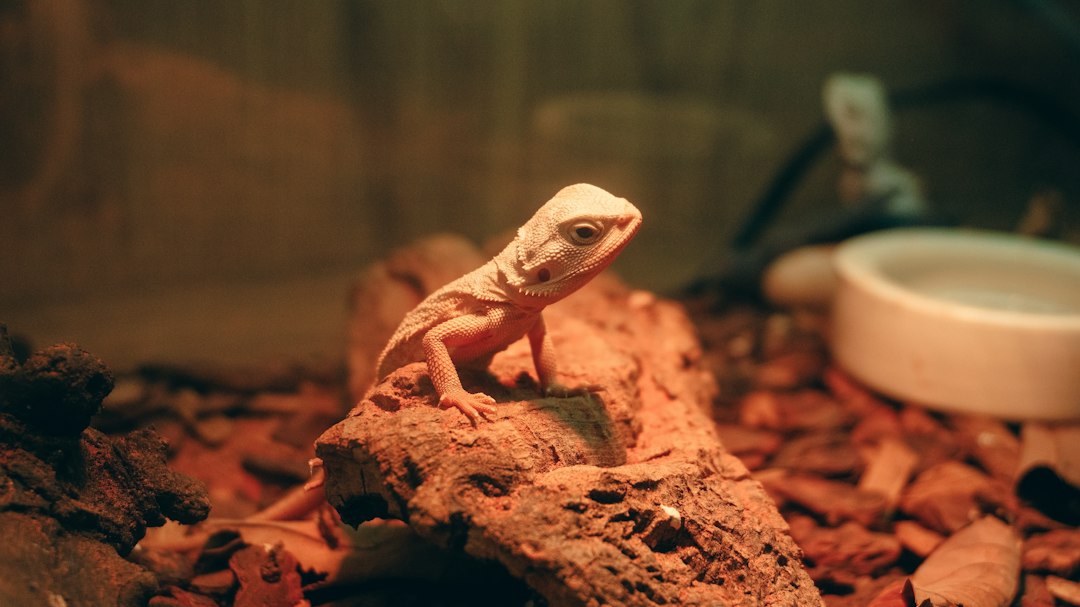
Choosing the Best Heat Light for Lizards
Choosing the Best Heat Light for Lizards
A good heat setup helps your lizard digest food, stay active, shed properly, and move between warm and cool zones the way it would in nature. The best heat light for lizards is not one universal bulb, but the right combination of daytime basking heat, UVB exposure, safe placement, and temperature control for your species and enclosure. Once you understand what each lamp does, choosing a lizard heat lamp becomes much less confusing.
What heat light does your lizard actually need?
Your lizard needs a heat light that matches its natural habitat, activity pattern, and basking behavior. Desert species usually need a stronger reptile basking light and a hotter basking surface, while forest, tropical, crepuscular, or nocturnal species may need gentler warmth, different UVB exposure, or supplemental heat that does not add bright light at night. The goal is to create a usable thermal gradient, not simply make the whole terrarium warm.
Lizards are ectothermic, which means they depend on external heat sources to regulate body temperature. In a well-planned enclosure, they can bask under a warm lamp, retreat to a cooler area, and choose what their body needs throughout the day. If the enclosure has only one temperature everywhere, the lizard loses that choice.
This is why the “best” bulb depends on context. A bearded dragon in a large desert-style setup may need a bright basking bulb and strong UVB across a defined zone. A leopard gecko may need warmth for digestion but less intense overhead light. A chameleon may need UVB and access to warm perches, but not the same ground-level basking setup as a terrestrial desert lizard.
Before buying a bulb, identify three things:
- Your lizard’s species and natural habitat
- The enclosure size, height, ventilation, and materials
- The desired basking, warm-side, and cool-side temperatures
That information matters more than the brand name on the box.

Heat lamps, basking bulbs, UVB bulbs, and ceramic emitters serve different jobs
A common mistake is treating every bulb as if it provides the same benefit. Some bulbs produce heat, some produce UVB, some create visible daylight, and a few combine functions. Your lizard may need more than one type of fixture to get a healthy daily cycle.
Basking bulbs create a focused daytime warm zone
A reptile basking light is usually an incandescent or halogen-style bulb designed to create a warm basking area. It produces visible light and heat, which makes it useful for diurnal lizards that naturally bask in sunlight. These bulbs are often the main daytime heat source for species that need a clear hot spot.
Basking bulbs are especially helpful for desert and open-habitat species because they create a localized area of higher warmth. The lizard can sit beneath the beam, raise its body temperature, then move away once warm enough. That behavior is exactly what you want to encourage.
For many desert lizards, basking spot temperatures commonly fall around 95 to 110°F, depending on the species, age, and setup. The cool side often sits roughly around 75 to 85°F so the animal can thermoregulate. These are not universal targets, so always check species-specific care guidance before setting final temperatures.
Ceramic heat emitters provide heat without light
A ceramic heat emitter produces infrared heat but no visible light. That makes it useful when an enclosure needs nighttime warmth without disrupting the lizard’s day and night rhythm. It can also help stabilize temperatures in cooler rooms, especially during winter or overnight drops.
Ceramic emitters should still be controlled carefully. Because they do not glow like a visible bulb, it can be harder to judge how hot they are just by looking. Use a thermostat, a suitable fixture, and a reliable thermometer or temperature gun to avoid overheating.
They are not a substitute for daylight or UVB. Think of a ceramic emitter as a heat tool, not a sun replacement.
UVB bulbs support vitamin D3 and calcium metabolism
UVB lighting is not the same as heat lighting. Many lizards need UVB exposure to synthesize vitamin D3, which supports calcium absorption and healthy bone development. Without appropriate UVB, some reptiles are at risk of serious health issues related to calcium metabolism.
Fluorescent UVB tubes are commonly used because they can cover a broader basking zone than a small compact bulb. The right strength and distance depend on the species, enclosure height, mesh screen, and bulb type. UVB output also declines over time before the bulb visibly burns out, so replacement schedules matter even if the lamp still looks bright.
Some keepers use UVB meters to check output more accurately. If you do not have one, follow the manufacturer’s replacement guidance and species-specific care recommendations.
Mercury vapor bulbs combine heat and UVB
Mercury vapor bulbs can provide heat, visible light, and UVB from one bulb. They may work well in some larger enclosures, but they also generate significant heat and may be too intense for smaller tanks or species that need gentler conditions. They are usually less flexible than using separate heat and UVB sources.
The advantage is simplicity. The drawback is control. If the heat is correct but the UVB distance is wrong, or the UVB position is right but the basking temperature is too high, you may have fewer adjustment options than with separate fixtures.
Matching the lamp to your lizard’s habitat
The easiest way to choose a heat light for lizards is to begin with the environment the animal evolved to use. A desert basker, a tropical climber, and a nocturnal ground-dweller do not interact with heat and light in the same way. Your enclosure should imitate useful natural patterns, not just reach a random warm number.
Desert and open-habitat lizards
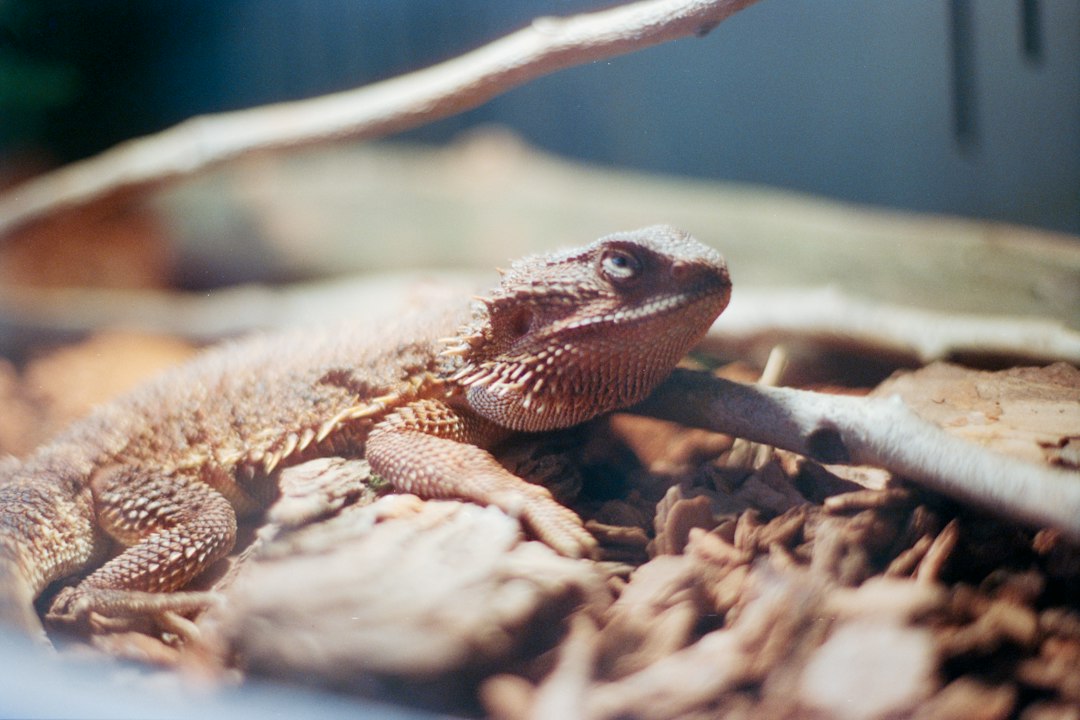
Desert lizards often need strong overhead basking opportunities, bright visible light, and a defined hot spot. Bearded dragons are the classic example many owners think of first. These lizards commonly benefit from a bright basking bulb paired with appropriate UVB lighting so they can heat up, digest food, and maintain normal activity.
For a desert setup, the basking area should be easy for the lizard to access and leave. A raised basking rock, branch, or platform can work if it is stable and cannot shift. The surface temperature and air temperature near the basking zone should be checked with accurate tools, because the bulb’s wattage alone does not tell you what the animal actually experiences.
Larger enclosures often need more power or more than one lower-watt bulb to spread warmth evenly across the basking area. Two moderate bulbs may create a wider, safer basking zone than one extremely hot point source, especially for a larger lizard.
Tropical and forest species
Tropical lizards may still need basking opportunities, but they often use heat differently from desert species. Many prefer warm perches, filtered light, higher humidity, and access to shaded retreats. A strong desert-style spotlight may be too harsh if it dries the enclosure or creates a dangerously hot perch.
Chameleons, anoles, and similar arboreal species need careful lamp placement because they climb close to the top of the enclosure. A bulb that seems safe from the outside can become risky if the lizard can perch too near the screen beneath it. Heat should be available, but burns must be prevented by maintaining safe distances.
For these species, overhead heat is often paired with UVB that reaches the areas where the animal actually spends time. Dense plants, branches, mesh lids, and bulb distance all affect what reaches the lizard.
Crepuscular and nocturnal lizards
Leopard geckos and other crepuscular or nocturnal lizards may not bask in the same obvious way as a bearded dragon, but they still need proper warmth. Their heat setup should support digestion, movement, and normal day-night rhythms. Many keepers use gentle overhead heat, a ceramic emitter, or another controlled heat source depending on the enclosure.
Bright light at night is usually not ideal. If nighttime heat is needed, choose a lightless heat source rather than leaving a bright lamp on after dark. A natural cycle of daytime light and nighttime darkness helps support normal behavior.
These lizards also need access to cooler hides. Warmth is important, but constant heat with no retreat can stress the animal and create health risks.
The thermal gradient is more important than bulb wattage
Wattage helps you choose a starting point, but temperatures inside the enclosure are what matter. A 75-watt lizard heat lamp can behave very differently depending on tank size, room temperature, ventilation, fixture type, distance from the basking surface, and whether the lid is mesh or solid. Always set up, measure, and adjust before assuming the bulb is right.
A healthy gradient usually includes:
- A basking spot where the lizard can warm up efficiently
- A warm side around the heat source
- A cooler side where the lizard can retreat
- Hides or cover in both warm and cool areas
- A natural drop in temperature at night when appropriate for the species
For small enclosures, such as some 10 to 20 gallon setups, a 40 to 60 watt bulb may be enough as a starting point. Larger desert terrariums, especially 75 gallons or more, may require 100 watts or higher, or multiple fixtures. These are only starting ranges. The thermometer decides, not the package label.
Use at least one reliable digital thermometer with a probe, and ideally a temperature gun for checking basking surface temperatures. Air temperature and surface temperature are not the same. A basking rock can become much hotter than the air around it, especially under a focused bulb.
How should you place a lizard heat lamp safely?
Place the lizard heat lamp above the enclosure or outside the animal’s direct reach, aim it at a stable basking surface, and keep it far enough away to prevent burns. The fixture must be rated for the bulb’s wattage, mounted securely, and controlled with the right monitoring equipment. Safe placement gives your lizard usable heat without creating a hot surface it can touch or an overheated enclosure it cannot escape.
Overhead placement usually works best because it imitates sunlight and encourages natural basking behavior. It also reduces the risk of the lizard contacting the heat source directly. Avoid placing hot bulbs inside the enclosure unless the fixture is specifically designed and guarded for reptile use.
A safe setup should include the following checks:
- The fixture is rated for at least the bulb wattage being used.
- The lamp is stable and cannot fall into or onto the enclosure.
- The lizard cannot touch the bulb, dome, guard, or ceramic emitter.
- The basking platform is secure and cannot tip.
- The hottest surface is measured, not guessed.
- The cool side remains cool enough for retreat.
- Cords are routed away from water, misting systems, and chewing animals.
- A thermostat, dimmer, or timer is used where appropriate.
Timers are especially useful for creating a consistent photoperiod. Many diurnal lizards do well with a predictable daytime light cycle and darkness at night, though exact timing should match the species and season you are trying to replicate. A timer also prevents accidental all-night lighting.
Thermostats and dimmers serve different roles. A thermostat turns or adjusts heat based on a set temperature, while a dimmer lets you fine-tune bulb output. Some heat sources should be used only with compatible controls, so check the product instructions before pairing equipment.

Daytime heat and nighttime heat should be planned separately
Daytime heat is usually about basking, visible light, and activity. Nighttime heat is about preventing the enclosure from dropping below a safe range without disrupting sleep. These are different jobs, so the same bright bulb should not automatically run 24 hours a day.
For active daytime lizards, a basking lamp and UVB source typically run during the day. At night, the visible basking light should turn off. If the room stays within the species’ safe nighttime range, no extra night heat may be needed.
If your home gets too cool overnight, consider a ceramic heat emitter, radiant heat panel, or another lightless heat source controlled by a thermostat. Avoid colored “night bulbs” if they still produce visible light that may disturb the animal. Darkness is part of the environment, not a missing feature.
Seasonal changes can affect your setup. A bulb that works in summer may be too weak in winter if the room gets colder, or too strong during a heat wave. Recheck temperatures whenever the room temperature changes significantly, when you move the enclosure, or when you replace a bulb.
Choosing wattage without guessing blindly
Start with enclosure size, distance, and species needs, then adjust by measurement. Small tanks heat quickly and can become dangerous with bulbs that are too powerful. Tall, ventilated, or large enclosures may need stronger bulbs or multiple heat sources to create a usable basking zone.
A practical selection process looks like this:
- Confirm your target temperatures. Look up species-specific basking, warm-side, cool-side, and nighttime ranges from reliable care sources.
- Choose a reasonable starting wattage. Use lower wattages for small or shallow enclosures and higher wattages for large, open, or desert-style setups.
- Set up before adding the animal if possible. Let the enclosure run long enough to stabilize.
- Measure the basking surface. Use a temperature gun for surfaces and a digital probe for air temperature.
- Adjust one variable at a time. Raise or lower the lamp, change the bulb wattage, use a dimmer, or alter the basking platform height.
- Check the cool side. A perfect basking spot is not enough if the rest of the tank is too warm.
- Recheck after bulb changes. Even replacement bulbs of similar wattage can produce slightly different results.
The right wattage is the one that creates the correct environment consistently. It is normal to test more than one bulb before the setup is dialed in.
Combining heat and UVB without overcomplicating the setup
A strong enclosure design gives your lizard access to heat, UVB, visible light, and shade in sensible zones. The basking area and UVB exposure area often overlap for diurnal species, because basking in nature usually includes both warmth and sunlight. However, the animal should also be able to move away from both.
For many daytime lizards, a common arrangement includes:
- A basking bulb over one side of the enclosure
- A UVB tube positioned to cover the basking zone and nearby activity area
- A cooler side with shade, hides, and lower temperatures
- A timer for daytime lights
- A thermostat or dimmer for heat control, depending on the heat source
The UVB bulb should not be treated like a decorative light. Its distance, screen obstruction, reflector quality, and replacement age all affect performance. A bulb placed too far away may not provide enough UVB, while a bulb placed too close may create excessive exposure.
Heat lamps also need thoughtful positioning. If the UVB and heat zones are separated completely, the lizard may have to choose between getting warm and getting UVB. In many setups, partial overlap is more natural and more useful.
Common signs your heat setup may be wrong
Your lizard’s behavior can offer clues, but it should not replace temperature measurement. A reptile that stays under the lamp all day may be too cold, but it may also be ill, stressed, or seeking UVB. A lizard that avoids the basking area may be too hot, but it might also dislike exposure, lack cover, or feel unsafe on the basking surface.
Watch for patterns such as:
- Constant hiding on the cool side
- Gaping, frantic movement, or repeated escape behavior near the heat source
- Lethargy, poor appetite, or weak basking response
- Remaining under the lamp for unusually long periods
- Dark coloration more often than normal for the species
- Spending all day pressed against glass, screens, or corners
- Poor shedding when humidity and hydration also appear off
If you see these signs, check the basics first. Measure the basking surface, warm-side air, cool-side air, and nighttime low. Confirm the UVB bulb age and placement. Make sure the lizard has hides, visual cover, and safe access to the basking zone.
Health problems can look like husbandry problems, and husbandry problems can create health problems. If behavior changes suddenly, appetite drops, or weakness appears, contact a reptile-experienced veterinarian.
Energy efficiency and bulb lifespan matter too
Heat lamps use electricity, produce waste heat, and need replacement, so efficiency matters over the life of the enclosure. The most efficient setup is not always the lowest-watt bulb. It is the setup that reaches the correct temperatures safely without overheating the room, cycling wildly, or requiring constant correction.
Halogen bulbs can be effective for focused basking and may produce strong usable heat. Traditional incandescent-style basking bulbs are familiar and widely used, though availability and performance vary. Ceramic emitters can last a long time and help with lightless heat, but they still consume power and must be controlled. LED lights are excellent for visible illumination and plant growth in bioactive setups, but standard LEDs do not provide basking heat and should not be used as a heat source.
UVB bulbs need special attention because they can continue to glow after their useful UVB output has declined. Many keepers replace UVB tubes roughly every 12 months, but the exact timing depends on the bulb and manufacturer guidance. If you rely heavily on UVB for your lizard’s health, tracking the installation date is a simple habit that prevents guesswork.
A few small practices can reduce waste and improve stability:
- Use timers so lamps are not left on accidentally.
- Use thermostats or dimmers to avoid excessive heat output.
- Choose the lowest wattage that reliably reaches target temperatures.
- Consider two lower-watt basking bulbs for large basking animals instead of one extreme hot spot.
- Keep fixtures clean and unobstructed, following safety instructions.
- Record bulb installation dates directly on a care calendar.
A simple buying checklist before you choose a bulb
Before you buy a reptile basking light or any heat source, slow down and build the setup around your animal rather than the shelf display. This checklist can help you avoid mismatched equipment.
Ask yourself:
- What species is the lizard, and is it desert, tropical, arboreal, terrestrial, diurnal, crepuscular, or nocturnal?
- What basking surface temperature does that species need?
- What cool-side temperature should remain available?
- Does the lizard need UVB, and what strength and placement are appropriate?
- How tall is the enclosure from lamp to basking surface?
- Is the fixture rated for the bulb wattage and bulb type?
- Can the lizard touch the bulb, guard, dome, or heated screen area?
- Will the lamp run on a timer?
- Is a thermostat, dimmer, or both needed?
- Do you have a digital thermometer and temperature gun ready?
- How will you provide heat at night if the room gets too cold?
- When will the UVB bulb need replacement?
If you cannot answer those questions yet, that is a sign to pause rather than guess. Most lighting problems are easier to prevent than fix after the animal is stressed.
The best setup is measured, species-specific, and adjustable
Choosing the best heat light for lizards comes down to matching the lamp to the animal, then proving the setup with real temperature readings. A lizard heat lamp should create a basking opportunity, not turn the enclosure into one uniform hot box. UVB, visible light, nighttime heat, and safety controls all play separate roles.
Start with your species’ needs, choose equipment that fits the enclosure, and measure every important zone before making final decisions. If the basking spot, cool side, UVB placement, and day-night cycle all work together, your lizard gets what it needs most: control over its own comfort. That is the real goal of good reptile lighting.

Written by Talis Us


Leave a comment
This site is protected by hCaptcha and the hCaptcha Privacy Policy and Terms of Service apply.