


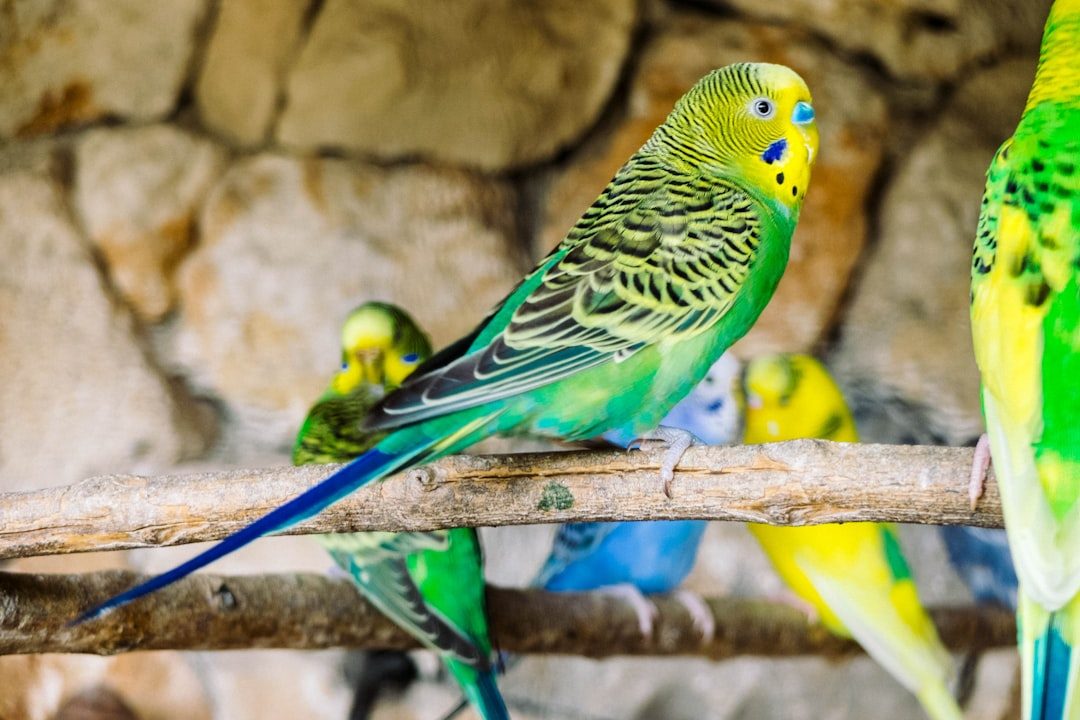
Bird cage setup for parakeets
bird cage setup for parakeets
Welcome to the vibrant, joyful world of parakeet parenthood! Whether you are bringing home your very first budgie or looking to upgrade your current flock’s living quarters, understanding the intricacies of a proper bird cage setup for parakeets is the most important step you can take as a bird owner.
Parakeets (also known as budgerigars or budgies) are incredibly intelligent, active, and social creatures. In the wild, they spend their days flying miles across the Australian outback, foraging for seeds, and socializing in massive flocks. When we bring them into our homes, it is our responsibility to recreate a stimulating, safe, and spacious micro-environment that caters to their physical and psychological needs.
In this comprehensive guide, we will break down exactly how to create the ultimate parakeet cage setup, from choosing the right enclosure to selecting the safest toys, ensuring your feathered friends live a long, healthy, and happy life.
Choosing the Right Enclosure: The Foundation of Your Setup
Before you can decorate, you need the right canvas. The cage you select will dictate your bird’s exercise levels, safety, and overall well-being. Meeting the baseline bird cage requirements is non-negotiable for a thriving pet.

Shape Matters: Flight Cages vs Tall Vertical Bird Cages
When shopping for a bird home, you will likely notice two main styles: wide, horizontal cages and tall, narrow, vertical ones. It is a common misconception that a tall cage is just as good as a wide one. However, when comparing flight cages vs tall vertical bird cages, the horizontal flight cage is always the superior choice for parakeets.
Parakeets do not fly straight up and down like helicopters; they fly horizontally. A wide cage allows them to flit back and forth from one side to the other, which is crucial for their cardiovascular health and muscle tone. A tall, narrow cage limits them to climbing rather than flying, which can lead to obesity and lethargy.
Getting the Size and Spacing Right
Size is everything when it comes to avian enclosures. The ideal cage dimensions for a pair of budgies should be an absolute minimum of 30 inches long, 18 inches wide, and 18 inches high. Remember, bigger is always better. If you have the space and budget for a larger enclosure, your birds will absolutely utilize and appreciate the extra room.
Equally important to the overall size is the spacing between the metal bars. If you are wondering how far apart should parakeet cage bars be, the golden rule is no more than 1/2 inch (roughly 1.2 centimeters). If the bars are any wider, a parakeet might try to squeeze their head through, which can lead to severe injury, strangulation, or escape. Additionally, look for a cage that has horizontal bars on at least two sides to encourage healthy climbing and beak exercise.
Finding the Perfect Spot in Your Home
Once you have the perfect cage, where should it go? The location of the habitat plays a massive role in your bird's mental and physical health.
You must prioritize the safe placement of bird cages away from drafts. Air conditioning vents, drafty windows, and exterior doors can cause rapid temperature fluctuations, leaving your parakeets susceptible to respiratory infections.
Furthermore, place the cage against at least one solid wall. Being out in the open (like in the center of a room) makes prey animals like budgies feel vulnerable to predators coming from all sides. A wall provides a sense of security. Finally, never place the cage in or immediately next to the kitchen. Non-stick cookware (Teflon) releases fumes when heated that are instantly fatal to birds.
Furnishing the Habitat: Bird Cage Essentials
With the cage built and placed in a safe, social area of your home (like a living room or home office), it is time to turn that empty wire box into a functional home.

Perches: Foot Health is Crucial
In the wild, a bird spends almost 100% of its life on its feet. Therefore, what they stand on matters immensely. When debating natural wood perches vs plastic bird perches, natural wood is the undisputed winner.
Plastic perches and smooth, uniform wooden dowels (which often come free with the cage) force your bird’s feet into the exact same position all day long. Over time, this repetitive pressure can cause a painful and dangerous foot condition known as bumblefoot (pododermatitis).
Natural wood perches—like those made from apple, citrus, eucalyptus, or manzanita wood—offer varying diameters, bumps, and textures. This naturally exercises their feet, wears down their nails, and prevents pressure sores. You should provide at least three to four perches of varying thicknesses and materials (including a rope perch for sleeping, provided it is checked daily for fraying).
Hydration, Nutrition, and Mineral Stations
Feeding your parakeet is more complex than simply tossing a bowl of seeds on the floor. First, consider the proper food and water bowl height. You should place bowls high enough up in the cage so that your bird feels secure while eating, but ensure they are never placed directly underneath a perch. If bowls are under a perch, they will quickly become contaminated with bird droppings. Stainless steel bowls are highly recommended over plastic, as they harbor fewer bacteria and are easier to sterilize.
Next, you need to provide essential calcium and minerals. Regarding cuttlebone and mineral block placement, attach these items near a comfortable, frequently used perch. You want your parakeet to be able to comfortably reach over and gnaw on them without having to hang upside down or strain. These blocks keep their beaks trimmed and provide the calcium necessary for strong bones and, for females, healthy egg production.
Replicating the Sun
Many indoor birds suffer from vitamin D deficiency because standard window glass filters out the sun's beneficial UV rays. To fix this, you must understand full spectrum lighting requirements for indoor birds.
Avian-specific full-spectrum lights emit both UVA and UVB rays. UVA helps birds see the full spectrum of colors (which aids in foraging and psychological well-being), while UVB allows them to synthesize Vitamin D3, which is required to absorb calcium from their diet. Place the light on a timer to replicate a natural 12-hour day/12-hour night cycle, and position it directly above the cage at the manufacturer's recommended distance (usually 12 to 18 inches above the top perch) so it doesn't damage their eyes.
Enrichment and Layout: Designing for Maximum Happiness
Parakeets have the intelligence of a human toddler. Without constant mental stimulation, they become depressed, anxious, and destructive. Your parakeet cage setup must include a robust variety of toys and activities.

Selecting the Right Toys
When stocking up on toys, safety must be your top priority. Always look for safe bird toy materials for small parrots. Excellent materials include untreated pine, balsa wood, mahogany pods, natural woven palm, sisal rope, and vegetable-tanned leather. Stainless steel bells are safe, provided the clapper cannot be easily removed and swallowed.
One of the most important categories of toys to include are those that encourage natural instincts. The best foraging toys for mental stimulation require your bird to work for their treats. You can buy acrylic puzzle boxes or make your own by wrapping high-value treats (like millet) in unscented, plain paper or hiding seeds inside safe woven vine balls. Foraging keeps their minds sharp and prevents boredom-induced behaviors like feather plucking.
Include a variety of toy types:
- Shredding toys: Soft woods like balsa, paper kabobs, and loofah.
- Chewing toys: Slightly harder woods to keep the beak in shape.
- Noise-making toys: Stainless steel bells or safe acrylic rattles.
- Foraging toys: To stimulate their problem-solving skills.
The Art of the Layout
It is entirely possible to buy a massive cage, fill it with wonderful items, and inadvertently ruin it by overcrowding. One of the greatest secrets of avian care is arranging cage accessories for maximum flight space.
Think of your cage as having a "flight runway" right down the middle. Place your perches on the extreme left and extreme right sides of the enclosure. Hang toys against the back wall and near the perches, but leave the center air space completely open. This allows your budgies to fly back and forth continuously without crashing into hanging toys or bowls.
Health, Hygiene, and Safety Checklists
The final pillar of a great bird cage setup for parakeets involves ongoing maintenance and rigorous safety protocols. A beautiful cage is only good if it is safe and clean.

Streamlining the Cleaning Process
Birds are messy. They drop feathers, scatter seed hulls, and poop roughly every 15 minutes. To keep your sanity and your bird's respiratory system intact, you need a solid cleaning strategy.
Using the right bird cage liners for easy cleaning will save you hours of scrubbing. The best liners are simple: unprinted newspaper, plain paper towels, or brown butcher paper. These allow you to easily monitor your bird’s droppings for signs of illness (changes in color or consistency are often the first sign a bird is sick). Never use wood shavings (like pine or cedar), crushed walnut shells, or standard cat litter. These can cause fatal respiratory distress, and if ingested, can cause severe intestinal impaction.
When it comes to the deep clean, you must prioritize cleaning and disinfecting parakeet habitats safely. Standard household cleaners containing bleach, ammonia, or artificial fragrances are highly toxic to birds. Instead, wash the cage and perches with a mixture of hot water and plain white vinegar, or use a veterinary-grade, avian-safe disinfectant like F10SC. Be sure to scrub the grates, wipe down the bars, and thoroughly dry the food and water bowls before refilling them to prevent mold growth.
Ensuring Restful Sleep
Just like humans, parakeets need a good night's sleep—ideally 10 to 12 hours of uninterrupted darkness and quiet. However, budgies are notoriously prone to "night frights." A night fright occurs when a bird is startled awake in the pitch dark (by a loud noise, a passing car headlight, or even a household insect) and begins thrashing wildly around the cage because they cannot see. This thrashing can result in broken blood feathers, fractured wings, and severe trauma.
Preventing night frights in parakeet cages is a multi-step process. First, establish a strict bedtime routine. Cover the cage with a breathable, dark fabric cover at the same time every night. Crucially, do not cover the cage completely; leave one small corner or the back side slightly open. Next, plug a low-wattage nightlight into a wall outlet near the cage. This provides just enough ambient light so that if the bird is startled awake, they can see their surroundings and settle back onto their perch without panicking.
Recognizing and Avoiding Hidden Dangers
Equally important to knowing what to put in your cage is knowing exactly what items should not be in a parakeet cage. The pet store aisles are unfortunately full of items marketed for birds that are actually quite dangerous.
Here is what you must avoid:
- Happy Huts / Fabric Tents: These plush, tent-like sleeping items are heavily marketed for birds. However, the synthetic fibers can easily be chewed and swallowed, leading to fatal crop impactions. Furthermore, enclosed, dark spaces trigger hormonal and aggressive breeding behaviors in parakeets.
- Mirrors: While an old-school staple of bird ownership, mirrors are psychologically damaging. A budgie cannot comprehend a reflection; they think the bird in the mirror is a real flock mate. They will try to feed it, mate with it, and socialize with it. When the reflection doesn't respond appropriately, the bird becomes deeply frustrated, aggressive, and obsessed, often regurgitating food onto the mirror until they lose weight.
- Sandpaper Perch Covers: Marketed as a way to trim nails, these are essentially gravel paper that strips the skin off the bottom of your bird's feet, leading to terrible infections. Rely on natural wood for foot care instead.
- Toxic Metals: Ensure any metal hardware, quick-links, or bells are made of stainless steel or nickel-plated materials. Avoid zinc, lead, and cheap brass, which can cause heavy metal toxicity if chewed.
Putting It All Together: A Step-by-Step Setup Guide
To ensure you don’t miss any crucial details, here is a quick chronological checklist for setting up your budgie’s new home:
- Assemble the Frame: Build your horizontal flight cage in a draft-free, family-centric room, away from the kitchen and direct sunlight.
- Line the Tray: Place your safe paper bird cage liners in the bottom tray. Ensure the bottom grate is securely in place so the bird cannot walk through their own waste.
- Install the Perches: Secure natural wood perches at varying heights. Place one high up in a back corner (this will likely become their favorite sleeping spot) and others on opposite ends of the cage to create a central flight path.
- Mount the Dining Area: Attach the stainless steel food and water bowls. Check the proper food and water bowl height, ensuring no perches sit directly above them.
- Add the Supplements: Secure a cuttlebone and mineral block right next to a comfortable mid-level perch.
- Hang the Toys: Distribute a mix of foraging, shredding, and chewing toys along the sides and back of the cage. Remember the golden rule: keep the middle air space entirely clear for flying!
- Set Up the Lighting: Mount your avian full-spectrum UV light above the cage on a 12-hour timer.
- Prepare for the Night: Have your breathable cage cover and a small room nightlight ready to go to prevent night frights.

Final Thoughts on Your Parakeet's Habitat
Designing the ultimate bird cage setup for parakeets is a labor of love. It takes an initial investment of time, research, and money, but the payoff is immeasurable. When you provide your feathered companion with the right flight space, safe natural perches, challenging foraging toys, and a hygienic environment, you are giving them the gift of a high-quality life.
Remember that a cage setup is never truly "finished." Parakeets thrive on novelty. To keep their minds engaged, try rotating their toys every few weeks and occasionally moving their perches to create new navigation challenges. By continually meeting these bird cage essentials, you will foster a beautiful, trusting bond with a happy, healthy parakeet that will sing and chatter in your home for years to come.

Written by Talis Us


Leave a comment
This site is protected by hCaptcha and the hCaptcha Privacy Policy and Terms of Service apply.