


Bearded Dragon Terrarium Setup Essentials
Bearded Dragon Terrarium Setup Essentials
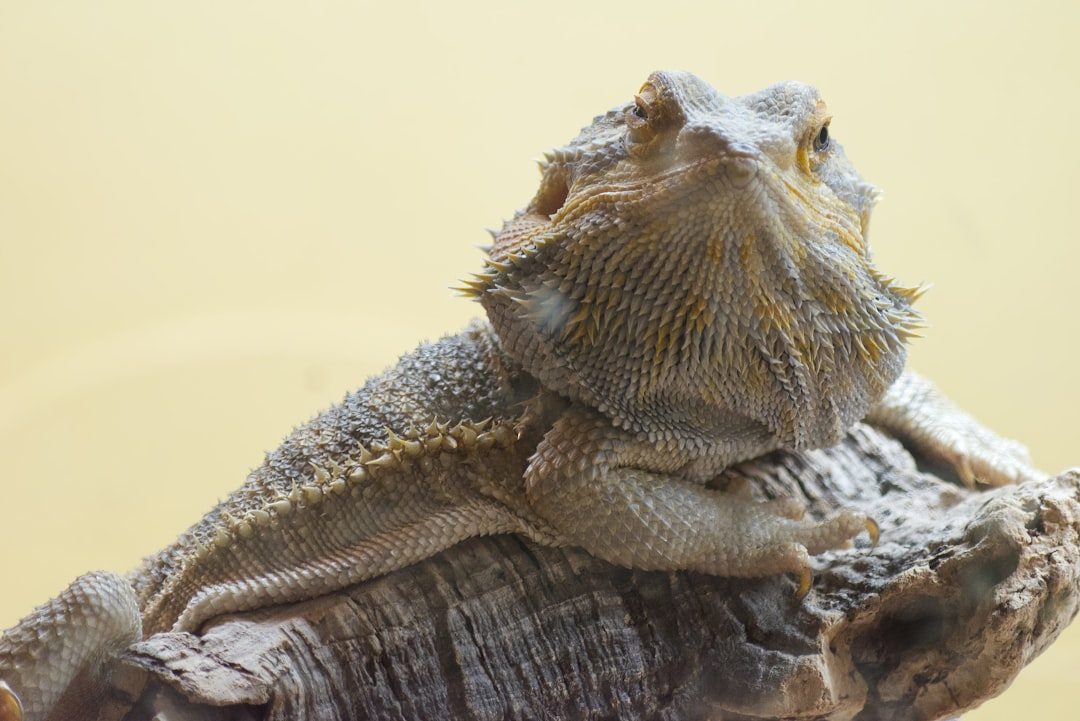
Welcoming a bearded dragon into your home is an exciting experience. With their distinct personalities, hardy nature, and fascinating behaviors, these "desert dragons" make fantastic companions. However, exceptional bearded dragon care begins long before you bring your new pet home; it starts with designing the perfect environment.
A well-planned bearded dragon terrarium setup is the foundation of your pet’s health, happiness, and longevity. Unlike a simple glass box, a proper reptile habitat requires careful consideration of space, heat, light, and enrichment. In the wild, bearded dragons thrive in the arid, sun-baked woodlands and deserts of Australia. Replicating that specific environment indoors is your primary goal as a keeper.
In this comprehensive guide, we will walk you through every critical aspect of building an indoor oasis for your reptile. From selecting the right tank and lighting to mastering humidity and decor, here is everything you need to know to create the ultimate bearded dragon habitat.

Enclosure Sizing and Selection
The very first step in your journey is choosing the enclosure itself. Reptiles are active, curious creatures, and providing ample space is non-negotiable for their physical and mental well-being.
What Size Tank Does a Baby Beardie Need?
If you are starting with a hatchling or juvenile, you might be wondering what size tank does a baby beardie need. A common misconception is that small reptiles thrive in tiny tanks. While a 20-gallon long tank might suffice for a few weeks, bearded dragons grow incredibly fast. It is generally recommended to start a baby in a 40-gallon breeder tank (36" x 18" x 18"). This provides enough room for them to hunt crickets and establish a proper temperature gradient without feeling overwhelmed.
Optimal Enclosure Dimensions for Adult Bearded Dragons
As your pet reaches adulthood (typically around 12 to 18 months), that 40-gallon tank will become far too cramped. Proper enclosure sizing is vital. The optimal enclosure dimensions for adult bearded dragons are at least 4 feet long, 2 feet wide, and 2 feet tall (4x2x2), which equates to roughly 120 gallons. This footprint allows a full-grown dragon—which can reach up to 24 inches in length—to turn around comfortably, run, climb, and self-regulate their body temperature.
Front Opening vs Top Loading Enclosures
When purchasing your tank, you will have to decide between front opening vs top loading enclosures.
- Top-Loading Tanks: Often repurposed aquariums, these are widely available. However, reaching in from above can trigger a bearded dragon's prey instinct, as wild predators (like birds) attack from above. This can make taming more difficult.
- Front-Opening Enclosures: These are widely considered the gold standard. They allow you to approach your pet at eye level, which builds trust. Furthermore, front-opening doors make spot-cleaning, feeding, and rearranging decor significantly easier.

Mastering Temperature Control and Heat Gradients
Bearded dragons are ectothermic, meaning they rely entirely on their external environment to regulate their internal body temperature. Without precise temperature control, your dragon cannot digest food, fight off illness, or stay active.
Thermoregulation and Gradient Cooling Zones
To mimic the Australian outback, your enclosure must feature a distinct temperature gradient. This allows for thermoregulation and gradient cooling zones, giving your dragon the ability to move between hot and cool areas as needed.
The tank should be divided into two main sections:
- The Basking Zone (Hot Side): This is where your heat bulbs are concentrated.
- The Cool Zone: The opposite end of the tank, providing a retreat from the intense heat.
How to Maintain Basking Spot Temperatures
Adult bearded dragons require a basking surface temperature between 100°F and 105°F (38°C - 40°C), while babies prefer it slightly hotter, around 105°F to 110°F (40°C - 43°C). The cool side of the tank should hover around 75°F to 80°F (24°C - 27°C).
If you are struggling with how to maintain basking spot temperatures consistently, the key is using a high-quality dimming thermostat. This device automatically adjusts the power going to your heat bulb to keep temperatures stable. Additionally, always use digital thermometer probes or a digital infrared temperature gun to measure the surface temperature of the basking spot, not just the ambient air.
Nighttime Heating Requirements
In the desert, temperatures drop significantly at night, and your terrarium should reflect this. A nighttime drop to around 65°F to 70°F (18°C - 21°C) is perfectly healthy. However, if your home gets colder than 65°F at night, you will need supplemental heat.
This is where installing overhead ceramic heat emitters (CHEs) becomes necessary. Unlike standard basking bulbs, CHEs screw into a standard dome fixture and emit intense heat without producing any visible light. This ensures your dragon stays warm without having their crucial sleep cycle disrupted.

Habitat Lighting: The Power of UVB
Proper habitat lighting is arguably the most complex, yet most critical, part of a bearded dragon terrarium setup. In addition to a bright, white heat source, bearded dragons absolutely require Ultraviolet-B (UVB) light to synthesize Vitamin D3, which allows them to absorb calcium. Without it, they will quickly develop Metabolic Bone Disease (MBD), a fatal condition.
The Benefits of T5 High Output UVB Lighting
Coil UVB bulbs (the ones that look like spiraled energy-saving bulbs) are generally insufficient for bearded dragons because they do not spread light evenly across the enclosure. Instead, you need a linear fluorescent tube.
The modern standard relies heavily on the benefits of T5 high output UVB lighting. T5 bulbs are narrower and significantly more powerful than older T8 bulbs. They penetrate deeper into the enclosure and can even be placed above a screen mesh top (which filters out some UVB) while still delivering adequate rays to the basking spot. Your UVB tube should span about one-half to two-thirds the length of the enclosure and be positioned right next to the basking heat lamp so your dragon gets heat and UV simultaneously.
Mercury Vapor Bulbs
Some keepers opt to use the best mercury vapor bulbs for reptiles available on the market. These all-in-one bulbs emit both heat and UVB from a single source. While they can be effective for large, open-air setups or specific basking areas, they cannot be used with a thermostat (dimming them damages the bulb), making temperature control trickier in a standard enclosed terrarium. For most standard 4x2x2 setups, a separate halogen heat bulb and a linear T5 UVB tube remain the most reliable combination.
Substrate Options: Flooring for Your Dragon
Choosing the right flooring for the bottom of your tank is a hotly debated topic in the reptile community. Your primary goal is preventing impaction with safe substrate choices. Impaction occurs when a reptile accidentally ingests indigestible material, causing a life-threatening intestinal blockage.
Reptile Carpet vs Ceramic Tile for Flooring
For beginners, solid substrates are generally the safest route. Let's look at a common comparison: reptile carpet vs ceramic tile for flooring.
- Reptile Carpet: While widely sold in pet stores, reptile carpet has significant drawbacks. It harbors bacteria, is notoriously difficult to clean properly, and your dragon's delicate claws can easily get snagged in the fibrous material, leading to torn nails or injured toes.
- Ceramic Tile: Slate or textured ceramic tile is an excellent, safe choice. It retains heat beautifully, is incredibly easy to wipe down and sanitize, and the rough texture naturally files down your dragon's claws as they walk.
Loose Substrate Options for Advanced Keepers
If you want to support natural digging behaviors, you can explore loose substrate options once your dragon is an adult and perfectly healthy. Avoid calcium sand, crushed walnut shells, and wood shavings at all costs, as these are highly dangerous if ingested.
Instead, a popular and safe DIY mix consists of 50% organic, fertilizer-free topsoil and 50% washed children's play sand. This closely mimics the compacted dirt of the Australian outback and holds burrows well. Note: Never use loose substrate for baby bearded dragons, as they are clumsy eaters and highly prone to impaction. Stick to paper towels or tile until they are fully grown.

Managing Environmental Moisture
While they are desert dwellers, bearded dragons still require specific moisture levels to stay hydrated and shed their skin properly.
Essential Bearded Dragon Humidity Levels
The essential bearded dragon humidity levels should sit comfortably between 30% and 40%. If humidity remains constantly above 50%, your dragon is at high risk of developing respiratory infections and fungal skin issues. Always monitor your tank's moisture using a reliable digital hygrometer.
Troubleshooting Low Vivarium Humidity
On the other hand, if your home is excessively dry, you might face issues with shedding (dysecdysis). If you are troubleshooting low vivarium humidity (dropping below 20%), there are simple fixes. You can place a shallow water dish inside the enclosure on the cool side, or lightly mist the cool end of the tank with water once a day. Avoid misting the enclosure excessively; the goal is a slight bump in humidity, not a tropical rainforest environment.
Decor, Landscaping, and Enrichment
A bare tank leads to a lethargic, depressed lizard. To truly elevate your terrarium, you need to incorporate decor that encourages natural behaviors. Providing terrarium essentials goes beyond just food and water bowls.
Creating a Naturalistic Desert Habitat Landscape
When creating a naturalistic desert habitat landscape, think about how the outback looks. Utilize flat slate rocks, sandstone, and large, sturdy branches. Stacking flat rocks safely (ensure they cannot collapse) under the heat lamp creates the perfect elevated basking platform. Slate naturally absorbs and radiates heat, warming the dragon's belly to aid digestion.
Enrichment Items and Climbing Branches
Bearded dragons are semi-arboreal, especially in their youth, meaning they love to climb. Including enrichment items and climbing branches is vital for muscle tone and mental stimulation. Thick, sanitized pieces of grapewood, cork bark tubes, or ghost wood make excellent climbing structures.
Ensure that all branches are wider than your dragon’s body to provide stability, and securely anchor them so they don’t roll or fall. Additionally, every enclosure must include at least two "hides"—one on the warm side and one on the cool side. A hide is a secure, enclosed space (like a hollowed-out log or a rock cave) where your dragon can retreat to sleep or destress when they feel overwhelmed.

Cleaning and Maintenance Routine
Maintaining a pristine environment is the final pillar of excellent reptile husbandry. A dirty tank breeds parasites, bacteria, and foul odors. Establishing a strict cleaning schedule will keep your pet thriving.
Daily Spot Cleaning
Every single day, you should perform a visual sweep of the terrarium. Remove feces, uneaten greens, and dead feeder insects immediately. Wash their food and water bowls with hot, soapy water daily to prevent bacterial film buildup.
How Often to Sanitize a Reptile Vivarium
Knowing how often to sanitize a reptile vivarium completely will save you from future veterinary headaches. A full, deep clean should be conducted once a month. During this deep clean, you should:
- Relocate your bearded dragon to a safe, temporary holding bin.
- Remove all decor, hides, and flooring.
- Bake or boil wood branches to kill bacteria.
- Wipe down the entire glass enclosure using a reptile-safe veterinary disinfectant, such as Chlorhexidine or F10SC. (A mixture of 1-part white vinegar to 1-part water also works as a natural alternative).
- If using loose substrate, completely replace it every 3 to 4 months. If using tile, scrub the tiles thoroughly and let them dry completely before replacing them.
Conclusion
Designing a high-quality bearded dragon terrarium setup may seem like a monumental task initially, but it is deeply rewarding. By investing in the optimal enclosure dimensions, establishing precise temperature gradients, installing the best T5 UVB lighting, and selecting safe substrate options, you are laying the groundwork for a spectacular reptile habitat.
Remember that a bearded dragon relies entirely on you to provide its own miniature world. Pay close attention to the details—from maintaining proper humidity to offering engaging climbing branches—and you will be rewarded with a vibrant, active, and healthy companion. With this setup complete, you are fully prepared to enjoy the wonderful journey of bearded dragon ownership!

Written by Talis Us


Leave a comment
This site is protected by hCaptcha and the hCaptcha Privacy Policy and Terms of Service apply.