


The Ultimate Guide to Setting Up Your Dream Creatures Terrarium with Premium Supplies
So you've decided to bring some scaly, slithery, or creepy-crawly friends into your home. That's awesome! Whether you're a seasoned reptile keeper or just getting started with your first bearded dragon, corn snake, or tarantula, setting up the perfect terrarium is absolutely crucial. And let me tell you, there's way more to it than just throwing some dirt in a glass box and calling it a day. In this comprehensive guide, we're going to walk through everything you need to know about creatures terrarium supplies, from the basics to the fancy stuff that'll make your pets feel like they're living in a five-star resort.
Understanding Your Creature's Needs
Before you even think about buying supplies, you need to understand what your specific creature actually needs. This is the foundation of everything. Different reptiles, amphibians, and invertebrates have wildly different requirements, and getting this wrong from the start can lead to stressed pets, health problems, and honestly, a lot of wasted money on supplies you don't need.
Research is Your Best Friend
I can't stress this enough: do your homework. Spend time researching the specific species you want to keep. Is it a desert dweller that needs heat and low humidity? Or a tropical creature that thrives in warmth and moisture? Does it need UVB lighting? What's the ideal temperature range? What does it eat? How much space does it actually need to thrive, not just survive?
The difference between a creature that merely survives and one that truly thrives is often the difference between a keeper who did their research and one who didn't. Your future pet will thank you for taking the time to get this right.
Temperature and Humidity Requirements
Temperature and humidity are probably the two most critical environmental factors you'll need to manage. Some creatures are super sensitive to changes in these parameters, while others are a bit more forgiving. But even the forgiving ones will have a range where they're happiest and healthiest.
For example, a bearded dragon loves it hot and dry, with basking spots reaching 95-110°F and humidity staying relatively low. Meanwhile, a red-eyed tree frog wants it warm and humid, with temperatures around 75-80°F and humidity levels between 80-100%. These are completely different environments, and you can't just use the same setup for both.
Choosing the Right Terrarium
The terrarium itself is like the foundation of a house. Get it wrong, and everything else you build on top of it will be compromised. There are several options available, each with its own pros and cons.
Glass Terrariums
Glass terrariums are probably the most popular choice, and for good reason. They're durable, easy to clean, and you can see your creatures clearly from all angles. They also hold humidity well if that's what you need. The downside is that they can be heavy, they're not great at retaining heat, and they can sometimes cause reflections that stress out your pets.
When choosing a glass terrarium, bigger is almost always better. Your creature might be small, but that doesn't mean it should live in a tiny box. A 20-gallon long tank is often considered the minimum for many small reptiles, but honestly, if you have the space and budget, going bigger is never a bad idea. Your pet will have more room to explore, exercise, and express natural behaviors.
Plastic Terrariums
Plastic terrariums are lighter than glass and often more affordable. They're great if you're on a budget or if you need something portable. However, they can scratch easily, they don't retain heat as well, and they can sometimes off-gas chemicals, especially when new. If you go with plastic, make sure it's a quality product from a reputable manufacturer.
Enclosures with Specific Features
Some terrariums come with built-in features like ventilation systems, lighting fixtures, or temperature controls. These can be super convenient, especially if you're new to keeping creatures. However, they tend to be more expensive, and you might find that you outgrow them as you become more experienced and want more customization options.
Essential Lighting and Heating Equipment
Lighting and heating are where a lot of beginners make mistakes, and it's also where you really shouldn't cheap out. Your creatures depend on these systems to regulate their body temperature, synthesize vitamin D, and maintain their natural circadian rhythms.
UVB Lighting
Many reptiles need UVB lighting to produce vitamin D3, which is essential for calcium absorption and bone health. Without proper UVB lighting, your pet can develop metabolic bone disease, which is painful and can be fatal. It's not something to mess around with.
There are different types of UVB bulbs available. Some emit UVB across a broader spectrum, while others are more specialized. The strength of UVB also varies, so you need to match the bulb to your creature's needs. A desert reptile might need stronger UVB than a nocturnal creature that spends most of its time hiding.
UVB bulbs also have a lifespan. Even if they're still producing light, they might not be producing enough UVB after a certain period. Most UVB bulbs need to be replaced every 6-12 months, depending on the type. Mark your calendar so you don't forget.
Heat Lamps and Under-Tank Heaters
Heat lamps are essential for creatures that need basking spots. They create a warm area where your pet can thermoregulate. Under-tank heaters are great for providing ambient warmth throughout the enclosure. Many setups use both.
When choosing heating equipment, you need a thermostat. Seriously, don't skip this. A thermostat prevents your heating equipment from overheating and potentially burning your pet or starting a fire. It's a safety essential, not an optional upgrade.
Temperature Monitoring
You absolutely need to monitor the temperature in your terrarium. Get at least one reliable thermometer, and ideally, get two or three so you can monitor different areas. Digital thermometers with probes are great because you can place the probe exactly where you need to measure. Stick-on thermometers are cheaper but less accurate.
Substrate and Bedding Options
The substrate is what covers the bottom of your terrarium, and it's way more important than most people realize. It affects humidity levels, temperature retention, your creature's ability to burrow or dig, and even its health if you choose the wrong type.
Aspen Shavings
Aspen shavings are popular for dry-environment reptiles like bearded dragons and corn snakes. They're affordable, easy to clean, and they don't retain moisture. The downside is that they don't hold heat well, and some creatures might ingest them while eating, which can cause impaction.
Cypress Mulch
Cypress mulch is great for creatures that need higher humidity. It retains moisture well and has a nice natural look. It's also less likely to cause impaction if ingested. However, it can be more expensive than aspen, and it needs to be replaced more frequently because it breaks down over time.
Coconut Husk and Coco Fiber
Coconut-based substrates are excellent for tropical creatures. They retain moisture, they're natural, and they're relatively affordable. They also encourage natural burrowing behaviors. The downside is that they can harbor mold if not maintained properly, and they need to be replaced regularly.
Bioactive Substrates
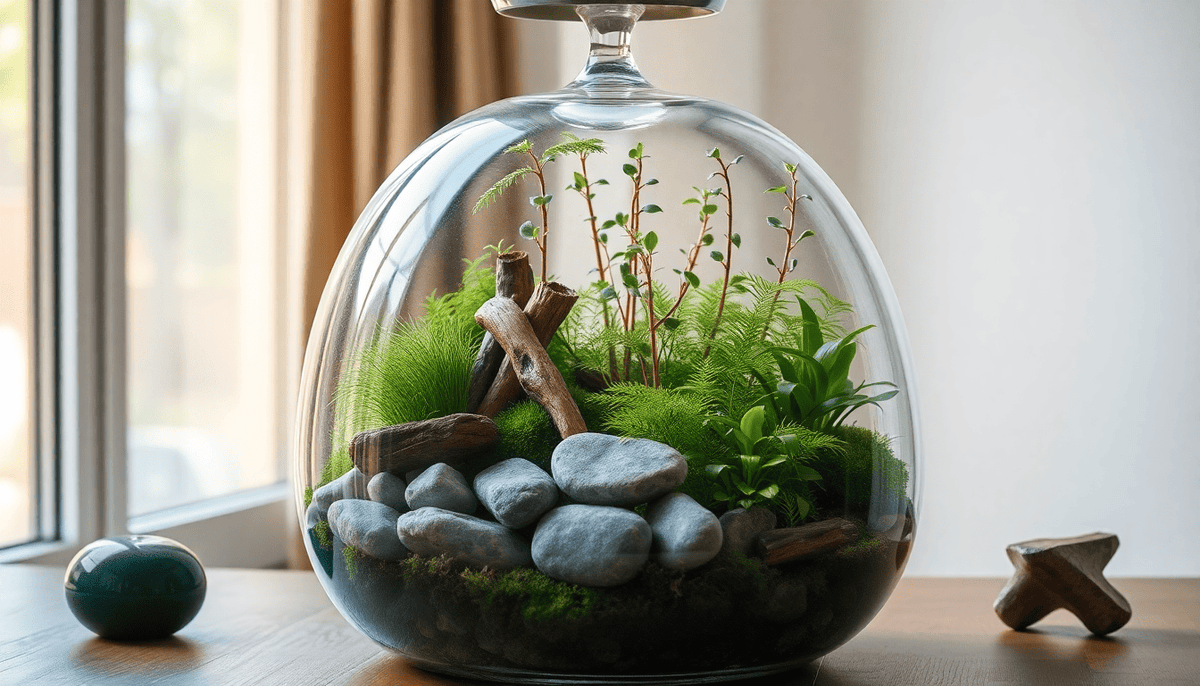
If you're feeling fancy and want to create a more naturalistic environment, bioactive substrates are amazing. These are living substrates that include beneficial bacteria, fungi, and invertebrates that help break down waste and create a more natural ecosystem. They're more expensive and require more knowledge to maintain, but they're incredible if you can pull them off.
Substrate Depth
Don't forget about depth. Many creatures love to burrow, and if your substrate is too shallow, they'll get stressed. Aim for at least 2-3 inches of substrate, and more if your creature is a burrower.
Decorations and Enrichment Items
Your terrarium shouldn't be a boring empty box. Creatures need enrichment to stay mentally stimulated and healthy. Plus, a well-decorated terrarium looks amazing and gives your pet places to hide, climb, and explore.
Hides and Shelters
Every creature needs at least one hide where it can feel safe and secure. This is non-negotiable. Hides reduce stress and help your pet feel more confident. You can buy commercial hides, or you can get creative with natural materials like cork bark, driftwood, or even PVC pipes.
Climbing Structures
If you have a climbing creature like a tree python or a gecko, climbing structures are essential. Branches, vines, and climbing walls give your pet the opportunity to express natural behaviors and get exercise.
Plants
Live plants are awesome for terrariums. They improve air quality, provide hiding spots, and create a more naturalistic environment. However, not all plants are safe for all creatures, so do your research. Some creatures will also eat or destroy plants, so you need to choose wisely.
Substrate Decorations
Things like rocks, logs, and branches not only look natural but also provide enrichment. Your creature can climb on them, hide under them, or just explore around them.
Water and Hydration Systems
Water is essential, obviously. But how you provide it depends on your creature's needs and habits.
Water Bowls
A simple water bowl works for many creatures. Make sure it's shallow enough that your pet can drink without drowning, but deep enough to actually hold water. Change the water daily to keep it fresh and clean.
Water Dishes for Soaking
Some creatures, like certain turtles and amphibians, need to soak. A larger water dish or even a small pool can be essential for their health and happiness.
Misting Systems
For creatures that need high humidity, a misting system can be incredibly helpful. You can do it manually with a spray bottle, or you can invest in an automatic misting system that sprays on a timer. Automatic systems are more convenient, but they're also more expensive.
Drip Systems
Some creatures prefer to drink from moving water. A drip system, where water slowly drips from a leaf or into a container, can encourage drinking and provide enrichment.
Feeding Supplies and Food Storage
Feeding your creature properly is crucial for its health and longevity. This means having the right supplies and storing food correctly.
Live Food Containers
If you're feeding live insects, you need containers to keep them in. These should have proper ventilation, the right temperature, and the right humidity for the specific insect. Crickets, roaches, and mealworms all have different requirements.
Feeding Tongs
For creatures that might mistake your fingers for food, feeding tongs are a lifesaver. They let you offer food safely without risking a bite.
Food Storage
Proper food storage is essential, especially for live food. Keep insects in appropriate containers with proper ventilation and temperature control. Store frozen food in a freezer, and thaw it properly before feeding.
Supplements
Most creatures need calcium and vitamin supplements. These come in powder form and are dusted onto food before feeding. Don't skip this step. Nutritional deficiencies can cause serious health problems.
Cleaning and Maintenance Supplies
Keeping your terrarium clean is essential for your creature's health. A dirty terrarium is a breeding ground for bacteria and parasites.
Cleaning Tools
You'll need brushes, sponges, and cloths for cleaning. Get supplies that are specifically for the terrarium and not used for anything else to avoid contamination.
Disinfectants
A good reptile-safe disinfectant is essential. You can use diluted bleach solutions, but there are also commercial products designed specifically for terrariums. Whatever you use, make sure it's safe for your creature.
Paper Towels and Waste Disposal
Paper towels are great for spot-cleaning. Keep a supply on hand for daily maintenance.
Monitoring and Health Equipment
Keeping your creature healthy means monitoring its condition regularly and being prepared for health issues.
Scales
If you have a creature that needs regular weight monitoring, a digital scale is essential. Sudden weight loss can indicate health problems.
Feeding Records
Keep track of what and how much your creature eats. Changes in appetite can be an early sign of illness.
Health Observation
Spend time observing your creature regularly. Know what's normal for your specific pet so you can spot abnormalities quickly.
Creating the Perfect Setup
Now that we've covered all the individual components, let's talk about putting it all together. Creating the perfect terrarium is part science, part art, and part trial and error.
Planning Your Layout
Before you start setting things up, plan your layout. Where will the heat lamp go? Where will the hide be? Where will the water bowl sit? Think about traffic flow and how your creature will move through the space.
Temperature Gradients
Create a temperature gradient in your terrarium. This means having a warm side and a cooler side so your creature can thermoregulate. This is especially important for reptiles that need to move between different temperatures throughout the day.
Humidity Zones
Similarly, if your creature needs varying humidity levels, create zones with different humidity levels. One area might be more moist, while another is drier.
Accessibility
Make sure you can easily access all parts of the terrarium for cleaning and maintenance. You don't want to have to completely disassemble everything just to clean the water bowl.
Common Mistakes to Avoid
Let me share some common mistakes I've seen people make when setting up terrariums. Learn from these so you don't have to make them yourself.
Enclosure Too Small
This is probably the most common mistake. People underestimate how much space their creature needs. A small creature doesn't need a small enclosure. Bigger is almost always better.
Inadequate Heating or Lighting
Skimping on heating and lighting is a recipe for disaster. Your creature will be stressed, and its health will suffer. Invest in quality equipment.
Wrong Substrate
Choosing the wrong substrate for your creature's needs can cause stress, respiratory problems, and impaction. Do your research and get it right.
Overcrowding
Don't put too many creatures in one enclosure unless they're specifically social species. Overcrowding causes stress and aggression.
Neglecting Humidity or Temperature Control
Not monitoring and controlling temperature and humidity is a huge mistake. These parameters are critical for your creature's health.
Poor Ventilation
Some people seal their terrariums too tightly, which can lead to respiratory problems. Make sure there's adequate airflow.
Inadequate Hiding Spots
A creature without a proper hide will be stressed. This is non-negotiable.
Seasonal Adjustments
As seasons change, you might need to adjust your terrarium setup. Temperature and humidity can fluctuate with the seasons, and you need to compensate.
Summer Adjustments
In summer, you might need to increase cooling or reduce heating. Some creatures also have different activity levels in summer, so you might need to adjust feeding schedules.
Winter Adjustments
In winter, you might need to increase heating. Some creatures also go through brumation (a hibernation-like state) in winter, which requires specific adjustments.
Budget Considerations
Setting up a proper terrarium doesn't have to break the bank, but it does require some investment. Here's how to think about budgeting.
Initial Setup Costs
Your initial setup will be the most expensive. You need the enclosure, heating, lighting, substrate, decorations, and supplies. Budget accordingly and don't try to do it all at once if money is tight.
Ongoing Costs
After the initial setup, you'll have ongoing costs for food, substrate replacement, bulb replacement, and supplies. Factor these into your decision about whether you can afford to keep a creature.
Quality vs. Price
Don't always go for the cheapest option. Sometimes spending a bit more on quality equipment saves you money in the long run and keeps your creature healthier.
Sourcing Quality Supplies
Where you buy your supplies matters. Quality suppliers like Talis US offer premium pet supplies that are reliable and safe for your creatures.
Reputable Retailers
Buy from reputable retailers that specialize in pet supplies. They're more likely to carry quality products and have knowledgeable staff who can answer questions.
Online vs. Local
Both online and local retailers have advantages. Online retailers often have better prices and selection, while local retailers let you see products in person and support local businesses.
Reading Reviews
Before buying anything, read reviews from other keepers. Real user experiences can help you make better decisions.
Advanced Terrarium Setups
Once you've mastered the basics, you can get creative with more advanced setups.
Naturalistic Terrariums
Naturalistic terrariums mimic the creature's natural habitat as closely as possible. They're more complex to set up and maintain, but they're incredibly rewarding and great for your creature's wellbeing.
Bioactive Terrariums
As mentioned earlier, bioactive terrariums include living organisms that help maintain the ecosystem. They're advanced but amazing.
Hybrid Setups
You can combine different elements to create hybrid setups that meet your creature's specific needs while also looking great.
Troubleshooting Common Issues
Even with the best setup, issues can arise. Here's how to troubleshoot some common problems.
Temperature Fluctuations
If your temperature is fluctuating

De Talis Us



Dejar un comentario
Este sitio está protegido por hCaptcha y se aplican la Política de privacidad de hCaptcha y los Términos del servicio.