


Optimal Reptile Care Supplies Guide
Essential Supplies for Optimal Reptile Care
Welcome to the fascinating world of herpetoculture! Whether you are bringing home your first crested gecko or upgrading a bearded dragon's living space, providing the absolute best environment is crucial for your pet's longevity and happiness. A thriving scaly friend requires far more than just a glass box and a heat lamp. Investing in high-quality reptile care supplies is the foundational step of responsible, ethical pet ownership.
Because reptiles are ectothermic and rely heavily on their surrounding environment for basic bodily functions, their enclosures must mimic their natural habitats as closely as possible. Let us explore the essential reptile supplies you need to create a safe, stimulating, and biologically appropriate home. We will cover lighting, heating technologies, humidity control, diet management, and cleaning protocols to ensure you are fully equipped for this rewarding journey.
Choosing the Right Enclosure
Before purchasing internal accessories, you must establish a suitable reptile habitat. The enclosure is your pet's entire world, making an informed decision non-negotiable. When evaluating options, a common debate among keepers involves deciding between a glass terrarium vs PVC reptile enclosure.
Glass terrariums are visually excellent for viewing and are readily available at most pet stores. They provide plenty of cross-ventilation, making them a fantastic choice for arid species requiring low humidity. However, glass is a poor insulator and struggles to hold heat and moisture effectively.
PVC enclosures are lightweight, easily stackable, and incredibly efficient at retaining both heat and humidity. This makes them the gold standard for tropical species like blood pythons and rainbow boas. Furthermore, PVC enclosures often have solid sides, significantly reducing visual stress for shy reptiles.
If following a beginner lizard enclosure setup guide, always verify the minimum adult size requirements for your specific species. A baby leopard gecko might live comfortably in a 20-gallon tank temporarily, but an active adult requires a minimum 40-gallon breeder tank to thrive and exercise properly.
Heating Essentials and Temperature Control
Reptiles are ectothermic, meaning they cannot generate their own body heat. They rely entirely on their environment to regulate body temperature, digest food properly, and maintain a healthy immune system. You must provide a thermal gradient—a warm side for basking and energy absorption, and a cool side for resting and cooling down.
To achieve this gradient, you need reliable overhead heat sources. New keepers often wonder about the differences between a ceramic heat emitter vs mercury vapor bulb. A ceramic heat emitter (CHE) produces only infrared heat and absolutely no light. This makes it perfect for providing a nighttime temperature bump without disrupting the animal's circadian rhythm. A mercury vapor bulb (MVB) is an all-in-one powerhouse, providing intense heat, bright visible light, and UVB radiation simultaneously. This is excellent for sun-loving, diurnal reptiles like bearded dragons and tortoises.

Actionable Tip: Never rely on cheap, analog stick-on thermometers. Instead, invest in a digital hygrometer and thermometer combo for accuracy. Place probes on both the hot and cool ends of the enclosure to strictly monitor the thermal gradient.
Most importantly, connect all heating elements to a programmable thermostat for vivarium temperature control. This essential device automatically regulates your heaters, maintaining a perfectly stable climate and preventing accidental thermal burns or fatal overheating.
Let There Be Light: Understanding UVB Requirements
Lighting goes hand-in-hand with heating. Aside from establishing a natural day-night cycle, proper lighting is essential for internal biological health. Meeting full spectrum UVB lighting requirements is critical for the vast majority of captive reptiles in the hobby today.
UVB exposure allows reptiles to naturally synthesize vitamin D3 directly in their skin. If you are wondering why do reptiles need vitamin D3 supplements or specific lighting, the answer lies in calcium metabolism. Vitamin D3 is the biological key that allows a reptile's intestines to absorb dietary calcium. Without it, the calcium simply passes through unutilized. Over time, this deficiency forces the reptile's body to steal calcium from its own skeleton, leading to severe, irreversible skeletal deformities and fractures.
Providing the right UVB output is a fundamental cornerstone of metabolic bone disease prevention through lighting and nutrition. Always research your specific pet's Ferguson Zone—a scientific system classifying reptiles based on their natural sun exposure—to choose the correct UVB wattage and tube length. Replace fluorescent UVB bulbs every 6 to 12 months, as the invisible ultraviolet output degrades over time, even if the bulb still emits bright visible light.
Managing Moisture: Humidity and Hydration
Proper hydration involves much more than simply providing a water bowl. Many reptile species absorb moisture through their skin, while others rely on licking morning dew off leaves. Understanding how to maintain terrarium humidity levels is vital for preventing respiratory infections, avoiding chronic dehydration, and assisting in healthy shedding cycles.
Strategies for effective humidity management include:
- Manual Misting: Using a high-quality hand pump sprayer daily works well for low-maintenance or arid species requiring only occasional humidity spikes.
- Automated Systems: For sensitive creatures like chameleons, crested geckos, and dart frogs, an automatic misting system for rainforest species is an absolute game-changer. These mechanical systems can be precisely programmed to spray at specific intervals, ensuring consistent humidity even when you are away from home.
- Substrate Choice: Deep, moisture-retaining substrates drastically stabilize ambient humidity levels inside the tank.
- Strategic Water Features: A large, shallow water dish placed partially over an under-tank heat mat gently boosts ambient moisture through natural evaporation.

Monitor these moisture levels closely using your digital hygrometer. Too little humidity causes stuck sheds, which can restrict blood flow to toes and tails, while stagnant moisture quickly leads to dangerous bacterial blooms and scale rot.
Creating a Natural Floor: Substrates and Bioactive Setups
The floor of your reptile habitat is far more than just aesthetic decoration. It serves as a necessary digging medium, a thermal buffer, a humidity regulator, and a critical waste management zone.
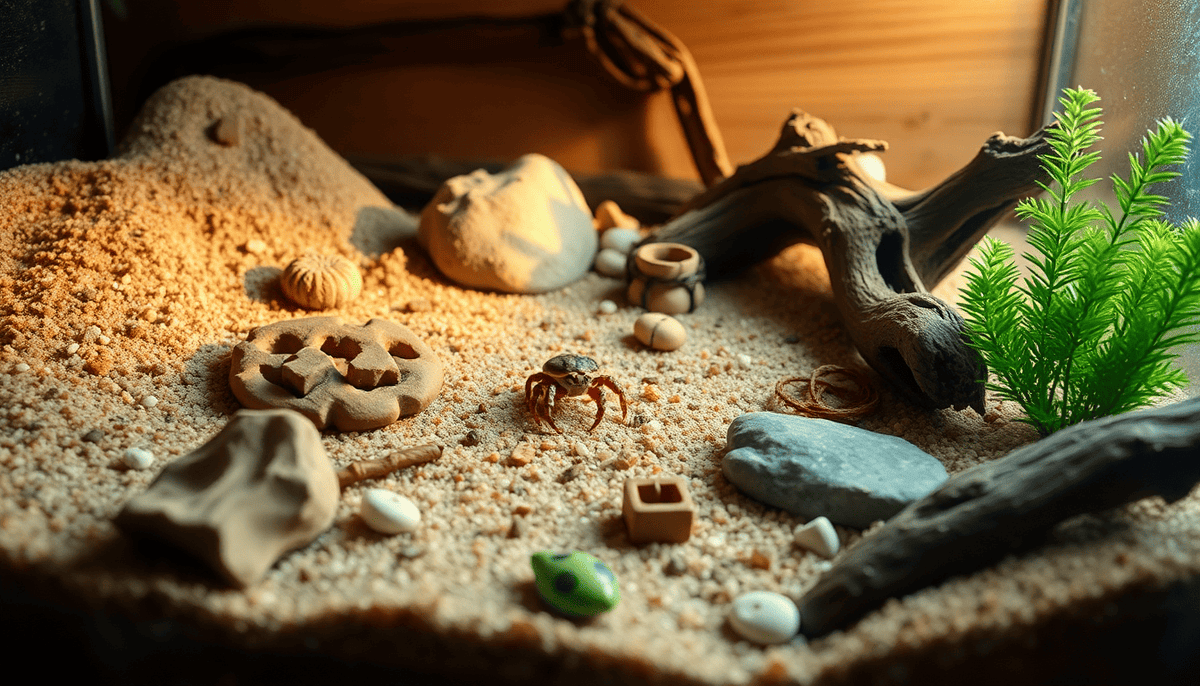
Choosing the best substrate for tropical reptiles often involves creating a custom mixture of organic topsoil, peat moss, coconut coir, and sphagnum moss. These earthy materials resist mold naturally while holding significant amounts of moisture. For arid species, a carefully blended mix of organic topsoil and washed playsand mimics the hard-packed dirt of a natural desert much better than pure commercial calcium sand, which poses a severe risk of fatal intestinal impaction if ingested.

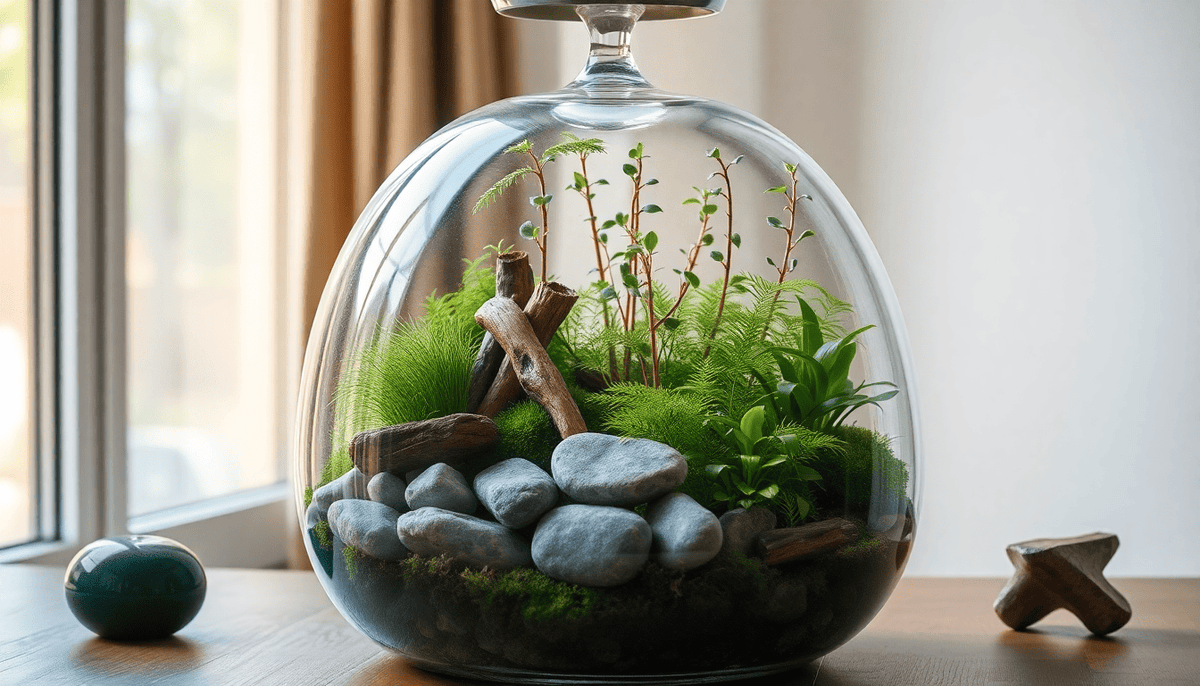
For enthusiasts looking to create a true slice of nature, setting up a bioactive terrarium kit is highly recommended. A bioactive setup is a miniature, self-sustaining ecosystem. It includes deep layers of live, rooted plants, specialized hydroton drainage layers, and a vital cleanup crew consisting of isopods and springtails. These tiny beneficial invertebrates act as nature's janitors, tirelessly breaking down reptile waste and decaying plant matter. This results in a beautifully naturalistic display that requires far less frequent total bedding changes, greatly reducing stress on the animal.
Furnishings and Enrichment: Building a Safe Haven
An empty rectangular box with a thin layer of dirt is incredibly stressful for a wild-at-heart animal. Furnishing the enclosure properly provides crucial mental stimulation, physical exercise opportunities, and a necessary sense of security.
Every reptile needs a safe place to hide and escape from the outside world. Proper hide box placement for pet stress reduction involves providing at least two appropriately sized, snug hides: one placed on the warm basking end and one placed on the cool end. This setup allows the reptile to thermoregulate to its preferred body temperature without sacrificing its sense of security. For high-humidity species, adding a third "humid hide" filled with damp sphagnum moss assists immensely with the shedding process.
Arboreal species (tree-dwellers) require extensive vertical climbing space utilizing sanitized branches, cork bark tubes, and thick vines. Terrestrial species benefit from low, flat basking rocks and thick leaf litter to burrow underneath.
Safety Tip: Ensure all heavy decor, such as slate rocks or large wood pieces, are placed securely and directly on the solid enclosure floor, not just resting precariously on top of the loose substrate. This prevents heavy objects from collapsing and accidentally crushing your pet if they decide to dig underneath.
Diet, Nutrition, and Feeding Tools
While we have touched on the importance of UVB lighting, nutritional supplementation is the other vital half of the metabolic health equation. Even with the best lights and the freshest greens, commercially bred domestic feeder insects lack the varied, rich nutritional profile of a wild reptile's natural diet.
Lightly dusting feeder insects or herbivore salads with a high-quality calcium powder and a reptile-specific multivitamin is absolutely essential. To reiterate, metabolic bone disease prevention through lighting and nutrition is a continuous, lifelong process that permanently dictates your reptile's overall quality of life.
Furthermore, providing premium nutrition does not stop at powder supplements; it begins with the feeder insects themselves. This process, known as "gut-loading," involves feeding your crickets, dubia roaches, and mealworms a highly nutritious diet of fresh vegetables, fruits, and commercial gut-load formulas 24 to 48 hours before offering them to your reptile. A feeder insect is truly only as nutritious as the last meal it consumed. By meticulously gut-loading and properly supplementing your insects, you guarantee your pet receives the maximum possible vitamins and minerals during every single feeding session.

When it comes to actual mealtime, presentation and safety matter immensely. Using long, stainless steel feeding tongs for handling insects is one of the smartest, most hygienic habits you can build as a keeper. Not only do metal tongs keep your fingers safely away from accidental, painful bites during an enthusiastic feeding response, but they also prevent the transfer of potentially harmful oils, soaps, and lotions from your hands to your pet's food. Furthermore, tong-feeding allows you to monitor exactly how much your pet is consuming and strictly prevents stray feeder insects from escaping into the enclosure, where they might later chew on a sleeping reptile.
Keeping It Pristine: Cleaning Supplies
Routine maintenance is the unsung hero of successful reptile husbandry. While bioactive setups do some of the heavy lifting regarding biological waste management, standard enclosures require regular, diligent spot cleaning and periodic deep sanitization.
Reptiles have incredibly sensitive respiratory systems, meaning harsh household chemicals like bleach, scented aerosols, or ammonia-based glass cleaners can be highly toxic or even fatal. Always stock your cleaning caddy with safe, non-toxic reptile habitat cleaners. Veterinary-grade disinfectants like chlorhexidine or F10SC are exceptionally effective against dangerous bacteria, viruses, and fungi while remaining completely safe for reptiles when properly diluted with water. A simple mixture of white vinegar and distilled water is also an excellent, cheap alternative for safely scrubbing away stubborn hard water stains on terrarium glass doors.
A reliable metal sand scoop for arid setups, dedicated scrub brushes used only for enclosures, and heavy-duty paper towels round out your essential cleaning reptile care supplies, making maintenance quick, sanitary, and stress-free.
The Reptile First Aid Kit and Handling Tools
Even with optimal husbandry and the best equipment available, accidents and minor illnesses can occasionally happen. Having a basic, dedicated reptile first aid kit on hand can make a massive difference in an emergency situation before you can reach an exotic veterinarian.
Consider keeping the following essential items nearby:
- Styptic powder: To quickly stop bleeding from accidentally broken nails or minor tail nicks.
- Povidone-iodine (Betadine): For cleaning and disinfecting minor scrapes. Always dilute it with clean water to the color of weak tea before topical application.
- Electrolyte soaking powders: To help revive, energize, and rehydrate severely dehydrated or lethargic reptiles.
- Cotton swabs and sterile gauze: For gentle wound cleaning and meticulously applying topical antibacterial treatments.

In addition to medical supplies, proper handling tools are vital. A sturdy snake hook is indispensable not only for safely handling snakes but also for gently moving defensive lizards or confidently shifting enclosure decor without putting your hands at risk of a strike. A secure, locking transport carrier is also essential for safe, stress-free trips to the exotic veterinarian. Having these specialized reptile supplies readily available ensures you are always prepared for the unexpected.
Conclusion
Creating a thriving, enriching environment for a cold-blooded companion is a highly rewarding journey requiring thorough research, dedication, and the right gear. By investing in premium reptile care supplies from day one, you proactively set the stage for a long, healthy, and vibrant life for your scaly pet.
From navigating the initial choice between a glass terrarium vs PVC reptile enclosure, to mastering the complex nuances of metabolic bone disease prevention through lighting and nutrition, every single detail matters.
Remember that proper reptile keeping is a dynamic hobby. As your reptile grows from a juvenile into a fully mature adult, their environmental needs will inevitably evolve. You may need to upgrade their heating elements, adjust their humidity gradients, or eventually purchase a much larger, adult-sized habitat. Staying observant and responsive to your pet's behavioral cues is just as important as buying the best gear.
Take the time to understand your specific animal's unique needs, carefully monitor their microclimate with a digital hygrometer and thermometer combo for accuracy, and never compromise on essential safety tools like a programmable thermostat for vivarium temperature control. With patience, continuous learning, and the proper foundational equipment, your reptile will not merely survive in its new habitat—it will truly thrive.

De Talis Us


Dejar un comentario
Este sitio está protegido por hCaptcha y se aplican la Política de privacidad de hCaptcha y los Términos del servicio.