


The Ultimate Guide: Choosing Your First Ant Colony - Black Garden vs. Carpenter vs. Harvester Ants
Starting your ant-keeping journey is an exciting adventure into the intricate world of these industrious creatures. As you embark on this rewarding hobby, selecting the right ant species is paramount for a successful and enjoyable experience. This comprehensive guide will help you navigate the choices, comparing three popular and beginner-friendly ant species: the classic Black Garden ant, the fascinating Carpenter ant, and the industrious Harvester ant. By understanding their unique characteristics and needs, you can make an informed decision and set your new colony up for success.
Understanding Your Options: A Quick Overview
Ant keeping, also known as myrmecology, is a captivating hobby that offers a unique window into the complex social structures and behaviors of ants. It's a fantastic way to learn about nature, biology, and the intricate balance of ecosystems, all from the comfort of your home. For beginners, choosing a species that is forgiving of minor mistakes and relatively easy to care for is crucial. This ensures that your first foray into ant keeping is filled with learning and wonder, rather than frustration.
In this guide, we'll delve into three of the most commonly recommended species for newcomers: the ubiquitous Black Garden ant, the impressive Carpenter ant, and the naturally resourceful Harvester ant. Each offers a distinct experience, catering to different observation styles and levels of commitment. Let's explore what makes each of these species a potential candidate for your first ant colony.
Black Garden Ants: The Classic Beginner Choice
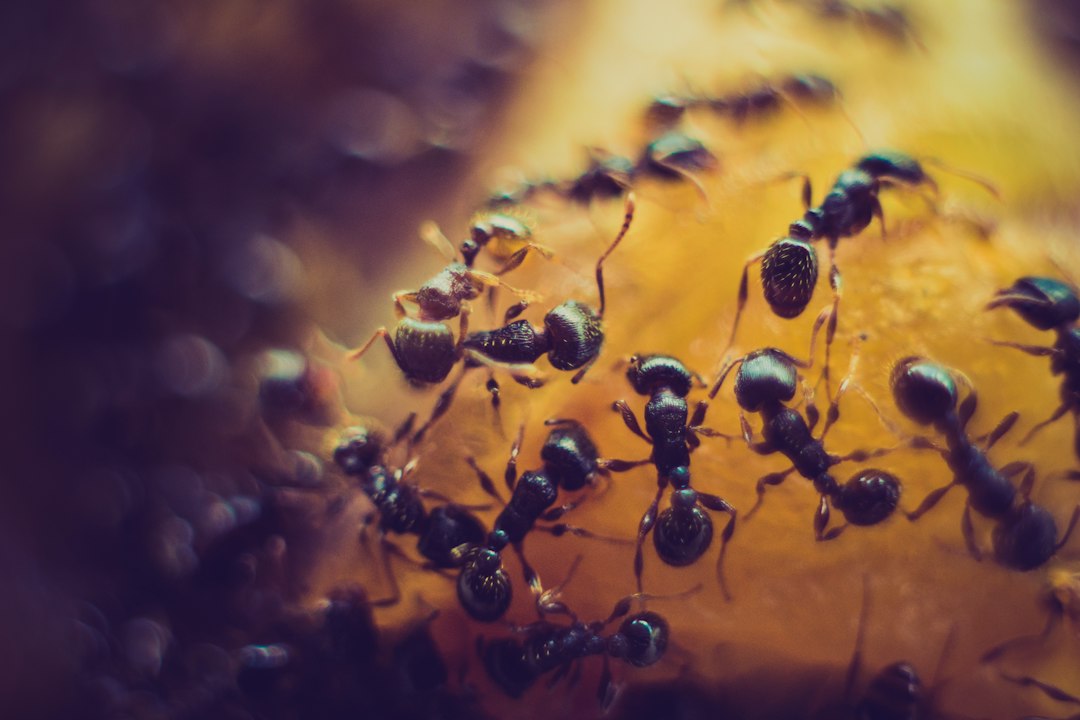
When it comes to beginner-friendly ant species, the Black Garden ant (Lasius niger) often takes the top spot, and for good reason. These ants are incredibly docile, making them a joy to observe without the worry of frequent defensive behaviors. Their ease of care is a significant advantage for those new to the hobby, as they are forgiving of minor fluctuations in temperature or feeding schedules.
Black Garden ants exhibit moderate activity levels. You'll often see them busily exploring their environment, foraging for food, and tending to their brood. Within the colony, they demonstrate clear social organization, with workers diligently performing their tasks. Their interactions are fascinating to watch, providing a constant source of engagement. Their suitability for smaller formicariums means you don't need a massive setup to house a thriving colony, making them an excellent choice for those with limited space.
One of the biggest advantages of choosing Black Garden ants is their readily available nature. They are one of the most common ant species found in many parts of the world, which often translates to easier sourcing of founding queens and established colonies. This accessibility ensures that new ant keepers can quickly begin their journey without extensive searching.
Carpenter Ants: Fascinating, But With Considerations
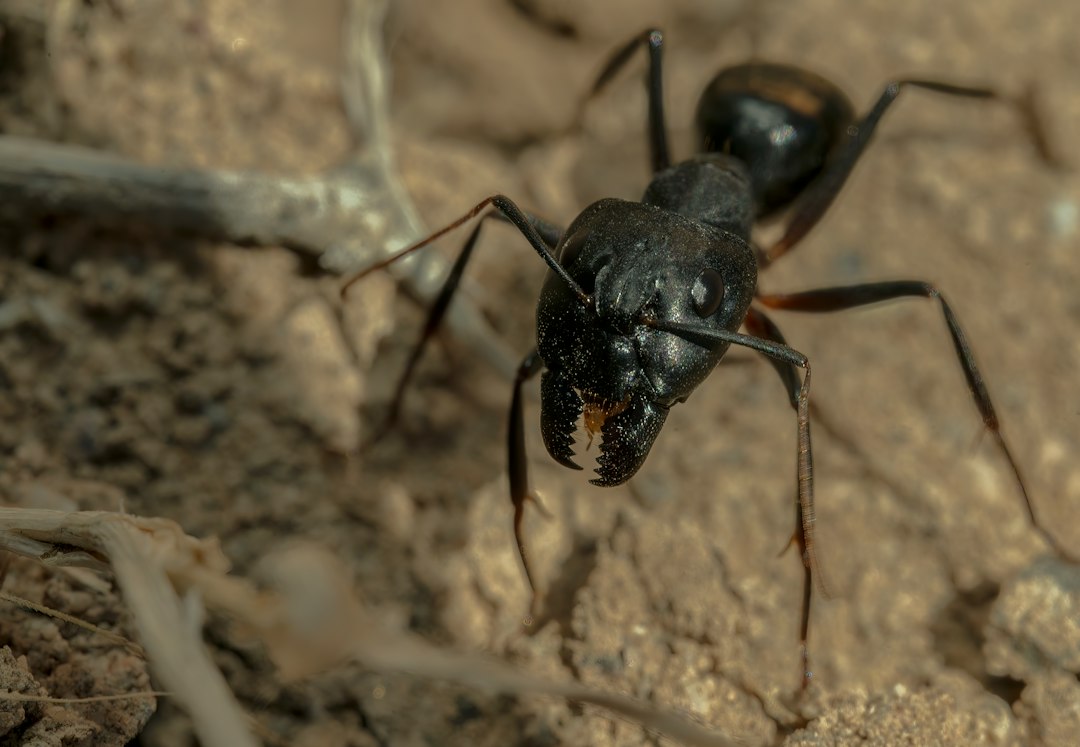
Carpenter ants (various species within the genus Camponotus) are known for their larger size and impressive presence, making them a captivating choice for ant keepers. Their unique wood-nesting habits are a key characteristic. In their natural environment, they excavate tunnels and chambers within dead or decaying wood. This behavior has significant implications for their housing in captivity.
Because they are wood-nesters, Carpenter ants require specific types of formicariums that mimic their natural habitat. While they can be housed in artificial setups, it's essential to provide materials that allow them to excavate or simulate their preferred nesting substrate. Their larger size also means they can grow quite rapidly, and a colony can quickly outgrow a small enclosure. This necessitates planning for a larger formicarium and ensuring adequate space for expansion.
While Carpenter ants are a fascinating species to keep, beginners should be aware of a few potential challenges. Their larger size means they can potentially inflict a more noticeable bite if handled carelessly, though they are generally not aggressive towards keepers. Furthermore, their need for specific nesting materials and their potential for faster colony growth mean that a bit more preparation and foresight are required compared to simpler species. However, for those willing to meet these needs, Carpenter ants offer an incredibly rewarding observation experience.
Harvester Ants: A Glimpse into the Wild
Harvester ants (various species, often in the genus Pogonomyrmex or Messor) offer a unique opportunity to observe the natural foraging and seed-gathering behaviors that are vital to their survival in the wild. These ants are characterized by their robust nature and their distinct foraging activities, making them a compelling choice for keepers interested in observing more "wild" behaviors.
Their foraging behavior is particularly impressive. Harvester ants are renowned for their ability to collect, transport, and store seeds. This behavior is not just a survival tactic; it's a complex process that involves navigation, communication, and organization within the colony. Observing them gather seeds and bring them back to their nest is a captivating display of their industriousness and their role in their natural environment, which often involves seed dispersal.
Harvester ants are generally robust and can thrive in a well-maintained setup. Their need for a varied diet, including seeds and protein sources, makes feeding them an engaging aspect of their care. For those interested in observing natural foraging and seed-storage behaviors, Harvester ants are an excellent choice. They provide a glimpse into the complex ecological roles that ants play, offering an educational and endlessly fascinating experience for the ant keeper.
Factors to Consider for Your First Colony
Choosing the right ant species is just the first step. To ensure your colony thrives, it's essential to consider their specific needs regarding housing, diet, and their natural activity levels and temperament. Understanding these factors will help you create an optimal environment for your new pets.
Housing (Formicarium) Needs
The type of formicarium you choose is critical and varies significantly between species. For the docile Black Garden ants, a simple setup with an artificial nesting area (like gel or acrylic) and a separate outworld for foraging is often sufficient. They don't typically require deep excavation. Carpenter ants, on the other hand, benefit from nesting materials that allow for some degree of excavation, such as specialized wood or plaster-based setups. This caters to their natural wood-nesting instincts. Harvester ants often do well in sand or substrate-based formicariums where they can create tunnels and chambers, mimicking their underground nests. The size of the formicarium should also be appropriate for the expected colony size and growth rate of the chosen species.
Dietary Preferences
Providing a balanced and enriching diet is fundamental to ant health. Black Garden ants are omnivores and generally thrive on a diet of sugar water or honey, supplemented with protein sources like fruit flies, mealworms, or small pieces of cooked chicken or egg. Carpenter ants also appreciate a similar diet of sugars and proteins. Harvester ants have a more specialized diet, relying heavily on seeds, which they collect and store. It's important to supplement their seed diet with protein sources to ensure they receive all necessary nutrients. Always ensure fresh water is available, often provided through a hydration system within the formicarium or a separate water source.
Activity Levels and Temperament
Consider your observation style when choosing a species. Black Garden ants are moderately active and can be observed foraging and tending to their brood regularly. Their docile nature means they are less likely to be defensive, making them ideal for hands-off observation. Carpenter ants are also quite active, especially when foraging, and their larger size makes their movements more noticeable and engaging. Harvester ants are highly active foragers, and observing their intricate seed-gathering expeditions is a primary draw for keepers of this species. Their temperament is generally less defensive than some other species, but their robust nature means they are well-equipped to defend themselves if provoked.
Bringing Your Colony Home: Essential Supplies from Talis Us
Embarking on your ant-keeping journey is made significantly easier and more rewarding with the right supplies. At Talis Us, we are dedicated to providing premium starter kits and essential supplies designed to enrich the ant-keeping experience for both you and your colony. We understand the nuances of different ant species and have curated products that cater to their specific needs.
Our starter kits are thoughtfully assembled to include everything a beginner needs to get started, from durable and aesthetically pleasing formicariums to high-quality ant food and hydration systems. We prioritize quality and convenience, ensuring that setting up your first ant colony is a seamless and exciting process. Whether you're choosing Black Garden ants, Carpenter ants, or Harvester ants, Talis Us has the perfect solution to transform your pet's environment into a thriving habitat.
Explore our range of products, including robust formicariums crafted for optimal ventilation and observation, and nutrient-rich ant food formulated to support the health and growth of your colony. With Talis Us, you're not just buying supplies; you're investing in an unparalleled ant-keeping experience that brings the wonders of the natural world into your home.
FAQ
Which ant species is the easiest to care for?
The Black Garden ant (Lasius niger) is widely considered the easiest ant species for beginners to care for due to its docile nature, forgiving care requirements, and moderate activity levels.
Do I need a special enclosure for carpenter ants?
Yes, Carpenter ants have specific housing needs. They benefit from formicariums that allow for some excavation or mimic wood-nesting habits. Materials like plaster, ytong, or specialized wood-based substrates are often recommended. Planning for a larger enclosure is also advisable due to their potential for rapid colony growth.
Are harvester ants safe for beginners to handle?
Harvester ants are generally considered safe for beginners to observe. While they are robust and can defend themselves if provoked, they are not typically aggressive towards keepers when housed properly and not disturbed unnecessarily. Their primary focus is foraging and seed gathering.
What are the best beginner ant-keeping kits available?
The best beginner ant-keeping kits are those that provide a complete setup, including a suitable formicarium, food, hydration, and clear instructions. Talis Us offers premium starter kits specifically designed for beginners, ensuring you have everything you need for a successful and enriching ant-keeping experience.
Your Ant-Keeping Adventure Awaits!
Choosing the right beginner ant species is the first step towards an incredibly rewarding and educational hobby. Whether you're drawn to the classic charm of Black Garden ants, the impressive presence of Carpenter ants, or the industrious nature of Harvester ants, Talis Us is here to equip you with the ultimate tools and knowledge for a thriving colony. Get ready to transform your space with the fascinating world of ants!
---END---
De Talis Us


Dejar un comentario
Este sitio está protegido por hCaptcha y se aplican la Política de privacidad de hCaptcha y los Términos del servicio.