


Creating Your Own Ant Colony Farm
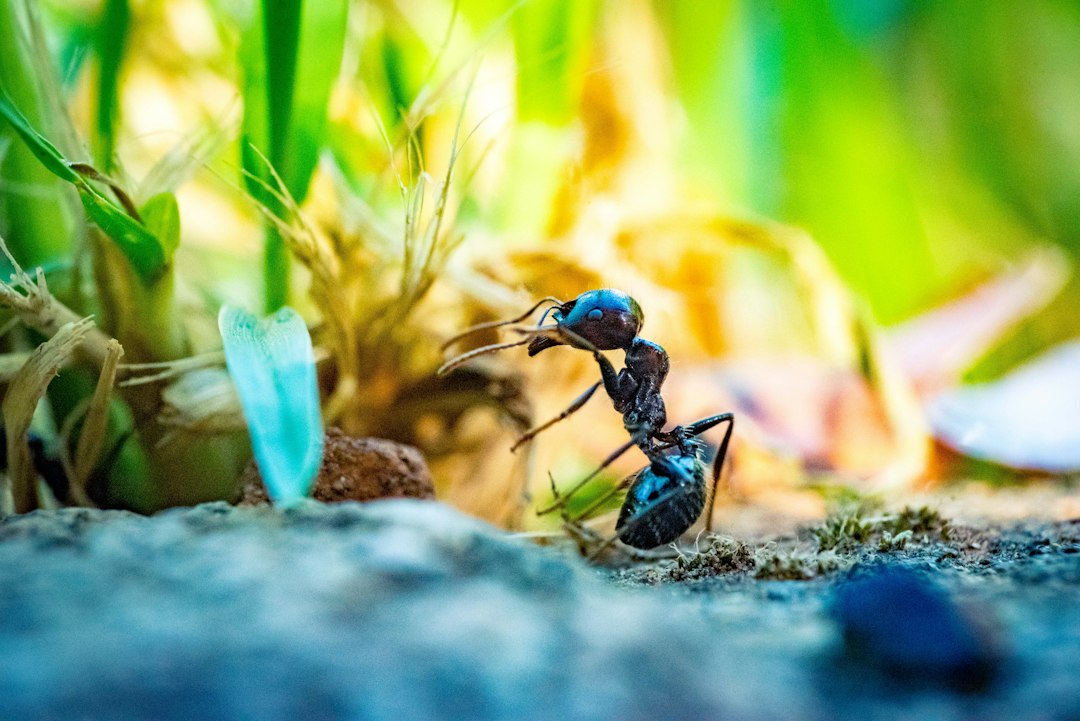
An ant colony farm is a small, controlled habitat that lets you observe ants as they tunnel, forage, communicate, and care for their young. For a new pet owner, it is a fascinating introduction to invertebrate care because the setup is modest, the daily tasks are brief, and the learning value is enormous. The key is to choose the right habitat, provide appropriate ant farm supplies, and treat the colony as a living pet system rather than a decorative novelty.
What does an ant colony farm need to succeed?
An ant colony farm needs three fundamentals: a secure enclosure, a suitable nesting medium, and consistent access to moisture and food. Ants are small, sensitive animals, so tiny details—ventilation, escape prevention, humidity, and species choice—matter more than many beginners expect. A well-planned ant farm kit can simplify the start, but the keeper still needs to monitor the colony carefully and respond to changes.
Think of the farm as a miniature ecosystem. The ants require a nesting zone, a foraging area, water, nutrition, darkness for the nest, and enough stability that they are not constantly disturbed. When those elements are present, the colony can perform its natural behaviors in a way that is both educational and genuinely delightful to watch.

Understanding ants as pets
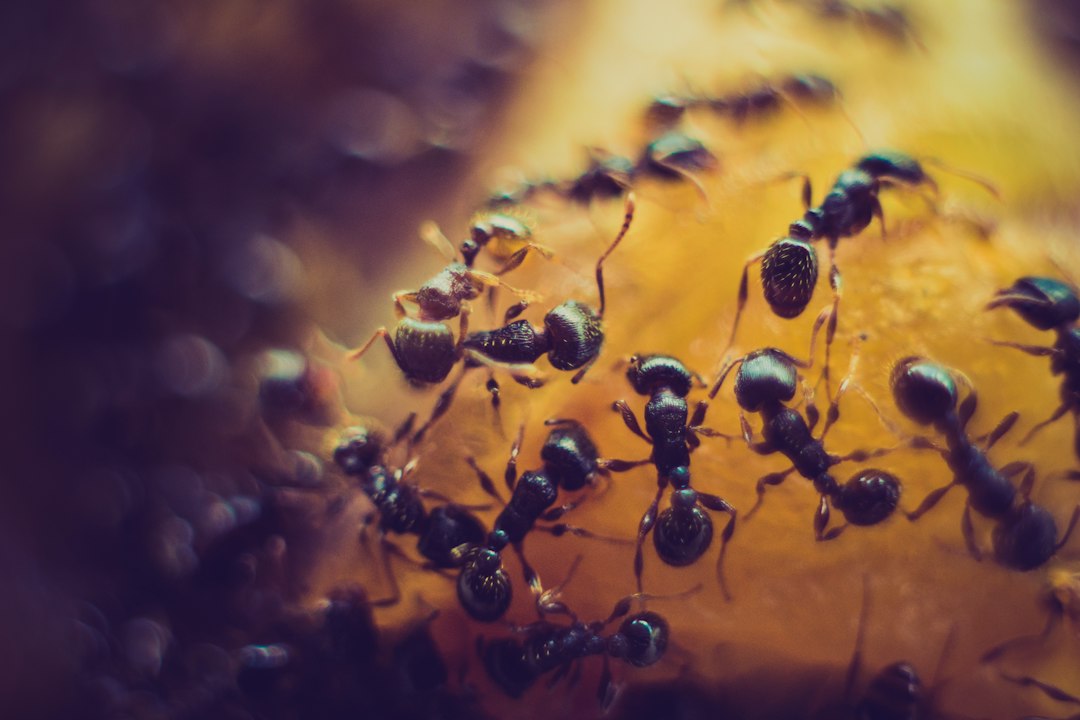
Ants are not cuddly pets, of course, but they are wonderfully complex animals. A healthy colony is organized around cooperation: workers gather food, tend brood, maintain tunnels, defend the nest, and communicate through chemical signals. Watching those behaviors unfold is part science lesson, part quiet entertainment, and part reminder that even tiny animals deserve thoughtful care.
For new pet owners, ants can be appealing because they do not need walks, grooming, or social handling. However, “low maintenance” is not the same as “no maintenance.” A neglected ant colony can dehydrate, starve, overheat, become moldy, or escape through a gap that looks impossibly small to human eyes.
It is also important to start with realistic expectations. Some beginner farms contain worker ants only, which means the colony will not grow long-term without a queen. A queenright colony, meaning a colony with a queen, can be more rewarding but may require more careful species selection, patience, and ethical sourcing. If you are just beginning, choose simplicity over spectacle.
Choosing the right ant farm kit
A quality ant farm kit gives you a ready-made structure for housing and observing ants. The best option depends on whether your goal is short-term observation, a classroom-style project, or a longer pet-keeping experience. Before buying, look beyond the packaging and consider whether the kit supports the biological needs of the ants.
Common ant farm styles include:
- Sand or soil farms: These allow ants to dig natural-looking tunnels. They are visually satisfying, though tunnels can collapse if the medium is too dry or too wet.
- Gel farms: These are often marketed as all-in-one displays, but they are not ideal for long-term welfare because the gel environment may not provide the same nesting quality as more natural materials.
- Acrylic or glass formicariums: These are designed for serious ant keeping and often include chambers, hydration systems, and connection points for an outworld.
- Hybrid habitats: These combine a nesting area with a separate foraging space, giving ants room to behave more naturally.
When comparing an ant colony farm kit, inspect the ventilation, lid security, cleaning access, and hydration design. A beautiful kit that is difficult to maintain can become frustrating very quickly. A plainer kit that lets you feed, hydrate, clean, and observe with minimal disruption is usually the better choice.
Essential ant farm supplies
Even if you buy a complete ant farm kit, you will still need basic supplies for routine care. These items help you maintain a stable environment and prevent common beginner problems such as escapes, mold, dehydration, and spoiled food.
Useful ant farm supplies include:
- A secure habitat: Choose a farm with tight seams, a fitted lid, and appropriate ventilation.
- A nesting medium: Sand, soil, plaster, ytong-style material, or acrylic chambers may be suitable depending on the setup.
- A water source: Use a test tube reservoir, cotton-plugged water tube, hydration sponge, or built-in hydration port.
- Feeding tools: Small dishes, tweezers, droppers, and cotton balls make feeding cleaner and safer.
- Escape barrier: Fluon, mineral oil, or another ant-safe barrier can help prevent adventurous workers from leaving the enclosure.
- Protein foods: Tiny portions of appropriate insects or other safe protein sources support brood development.
- Carbohydrate foods: Sugar water or diluted honey water provides energy for workers.
- Cleaning tools: Soft brushes, cotton swabs, and small forceps help remove debris without dismantling the habitat.
- Light cover: Red film, cardboard, or a removable cover can keep the nest area dark while still allowing observation.
The goal is not to collect gadgets for the sake of it. Each supply should help you meet a specific husbandry need: hydration, feeding, containment, cleanliness, or stress reduction.
How do you set up an ant colony farm at home?
To set up an ant colony farm at home, prepare the habitat before adding ants, stabilize moisture and ventilation, introduce the ants gently, and observe them without excessive disturbance. Rushing the process is one of the most common mistakes. Ants settle best when their new home is secure, calm, and already stocked with the essentials.
A sensible setup process looks like this:
- Select an appropriate location. Place the farm away from direct sun, drafts, heaters, air conditioners, and heavy vibration. A shelf or desk in a quiet room is usually preferable.
- Prepare the nesting area. Add the recommended medium or connect the nest module according to the kit design. If using sand or soil, lightly moisten it without making it muddy.
- Check for escape points. Examine corners, lids, tubing, and ventilation mesh. If a gap looks small, assume ants may still investigate it.
- Add water access. Set up a cotton-plugged water tube or use the kit’s hydration system. Ants should always have access to moisture, but the nest should not be flooded.
- Prepare the foraging area. Add a tiny feeding dish or clean surface where food can be placed and removed easily.
- Introduce the ants calmly. Transfer them with minimal shaking, bright light, or handling. Give them time to explore.
- Cover the nest zone. Darkness helps reduce stress and encourages nesting behavior.
- Wait before overfeeding. Offer very small amounts of food first. Remove leftovers before they spoil.
Once the ants are inside, resist the urge to constantly tap, tilt, or open the farm. Observation is the joy of ant keeping, but stability is the kindness behind it.

Feeding and hydration basics
Ants need both carbohydrates and protein, though the balance depends on the colony’s stage. Adult workers rely heavily on carbohydrates for energy, while larvae require protein for development. A small colony needs very small portions; overfeeding creates waste, attracts pests, and encourages mold.
For carbohydrates, many keepers use sugar water or diluted honey water placed on cotton or in a shallow feeding station. Avoid sticky pools that could trap ants. A droplet that looks tiny to you may be a pond to them, so use restraint.
For protein, offer tiny pieces of safe feeder insects or other appropriate protein sources. Remove uneaten protein promptly, especially in warm rooms. Spoiled food can harm the habitat far faster than a beginner might expect.
Hydration deserves special attention. Ants can dehydrate quickly, but excess moisture can also cause collapse, drowning, or mold. The safest approach is to provide a controlled water source rather than soaking the entire farm. If your ant colony farm kit includes a hydration port, learn how it works before the ants arrive.
Maintaining a healthy habitat
Routine care is less dramatic than setup, but it is where successful ant keeping truly happens. A few minutes of consistent observation can prevent most issues. Look for changes in activity, food acceptance, condensation, waste piles, and tunnel stability.
A simple weekly maintenance checklist can help:
- Confirm that water is available and clean.
- Remove uneaten food before it molds.
- Check the lid, seams, tubing, and barrier for weakness.
- Observe whether ants are active, clustered, or unusually frantic.
- Watch for mold, mites, or excessive condensation.
- Keep the nest area mostly dark and undisturbed.
- Record feeding dates, food types, and notable behavior.
Mold is one of the most common concerns. A tiny spot is not always a catastrophe, especially in soil-based setups, but spreading mold indicates excess moisture, old food, or poor ventilation. Remove visible spoiled food, reduce unnecessary dampness, and improve airflow if the design allows.
Temperature should remain stable and moderate for the species you keep. Avoid placing the habitat in sunlight, even briefly, because small enclosures can heat rapidly. If supplemental heat is ever used, it should be gentle, localized, and carefully monitored so the ants can move away from it.
Selecting ants responsibly
Responsible sourcing matters. It is best to choose species that are appropriate for beginners, legally permitted in your area, and not harmful if accidentally released. Avoid collecting or purchasing ants that are invasive, protected, or poorly matched to your local regulations.
Many beginner projects use worker ants for short-term observation, but a lasting colony usually requires a queen. Queenright colonies should be obtained from reputable sources that provide clear species identification and care guidance. If you collect ants outdoors, do so sparingly, ethically, and only when you understand local rules and ecological risks.
Never release captive ants into the wild, especially if they were purchased, transported, or are not native to your immediate area. Release can introduce disease, disrupt local ecosystems, or spread species where they do not belong. This point may sound stern, but it is part of being a careful pet keeper.
Common beginner mistakes
New ant keepers are usually enthusiastic, and I love that energy. Still, the most common errors come from doing too much too soon. Ants thrive on stability, not constant improvement.
Avoid these beginner pitfalls:
- Overfeeding the colony: Large food portions rot before ants can use them.
- Overwatering the nest: Moist is not the same as saturated.
- Using an insecure lid: Ants are skilled explorers and will test weaknesses.
- Keeping the farm in direct sun: Heat builds quickly in small habitats.
- Handling ants unnecessarily: Transfers and disturbances increase stress and injury risk.
- Mixing species: Different ants may fight, prey on each other, or require different care.
- Ignoring species needs: Humidity, diet, colony size, and nesting preferences vary.
- Expecting instant tunnels: Colonies may need time to settle before visible activity begins.
If something looks wrong, adjust gradually. Sudden major changes can create new problems. In pet care, calm observation is often more valuable than dramatic intervention.
Making the farm educational and enjoyable
An ant colony farm can be more than a display. It can become a small home laboratory where you learn about animal behavior, environmental balance, and responsible stewardship. For children and new pet owners, this is a lovely way to build patience and attentiveness.
Try keeping a simple observation journal. Note what foods the ants prefer, when they are most active, how they respond to changes in moisture, and where they place waste. Over time, patterns emerge. You begin to see the colony not as a container of insects, but as an organized society with routines and priorities.
You can also make the experience more engaging by comparing behaviors after different safe foods, documenting tunnel growth with photos, or sketching the nest layout each week. Just keep experiments gentle and welfare-focused. The best learning happens when the animals remain healthy and undisturbed.

Signs your ant colony is doing well
A healthy colony is usually active but not frantic. Workers explore, feed, groom, move brood if present, and maintain defined areas for nesting and waste. You may see trails forming between the nest and food, or workers gathering around a new protein source.
Positive signs include steady foraging, clean water use, organized movement, and gradual tunnel development in diggable media. If brood is present, attentive workers will cluster around it and relocate it when conditions change. In a queenright colony, long-term success may include new workers emerging over time.
Warning signs include repeated escape attempts, mass inactivity, ants trapped in sticky food, persistent mold, dead ants accumulating rapidly, or frantic clustering away from the nest. These symptoms do not always mean disaster, but they do mean you should review moisture, heat, food freshness, and enclosure security.
Final takeaway
Creating your own ant colony farm is a rewarding way to enter the world of small-pet care with curiosity and respect. Start with a reliable ant colony farm kit, gather the right ant farm supplies, and focus on stable conditions rather than constant tinkering. When you provide security, moisture, appropriate food, and patient observation, your ants can offer a surprisingly rich window into animal behavior.
As The Pet Expert, my best advice is simple: treat even the tiniest pets as real animals with real needs. Do that, and your ant farm becomes more than a novelty. It becomes a living classroom, a quiet conversation piece, and a small daily reminder that good pet care often begins with careful attention.

De Talis Us


Dejar un comentario
Este sitio está protegido por hCaptcha y se aplican la Política de privacidad de hCaptcha y los Términos del servicio.