


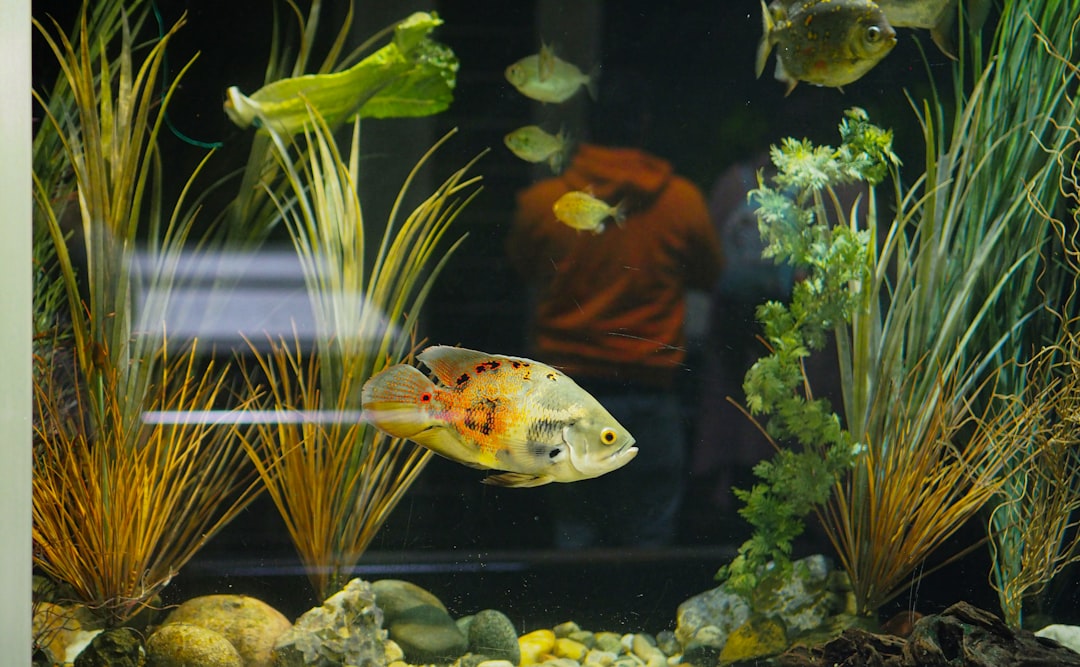
How to control algae in a fish tank
How to control algae in a fish tank
Algae is one of the most common frustrations for aquarium keepers, but it is not a sign that you have “failed.” A little algae is normal in a healthy tank. It becomes a problem when it covers the glass, coats plants and décor, clouds the water, or keeps coming back right after you clean.
The good news: lasting algae control in fish tanks is not about scrubbing harder every weekend. It is about bringing light, nutrients, filtration, cleaning, and stocking into balance. When your tank is balanced, algae has fewer opportunities to take over, your fish experience a more stable environment, and your aquarium stays easier to enjoy.
Use this step-by-step guide to identify what is causing the bloom, clean it safely, and build a simple fish tank maintenance routine that supports a clear water aquarium over the long term.
Why algae grows in aquariums
Algae grows when it has three basic things:
- Light
- Nutrients
- Time and surface area
In a fish tank, nutrients usually come from fish waste, uneaten food, decaying plant matter, and tap water minerals. Light comes from aquarium fixtures, nearby windows, or both. If the tank receives more light and nutrients than your plants, filter, and maintenance routine can handle, algae steps in and uses the excess.
That is why algae often appears when:
- The aquarium light stays on too long
- The tank receives direct sunlight
- Fish are overfed
- The tank is overstocked
- Water changes are irregular
- The filter is clogged or underpowered
- Live plants are struggling
- New tanks are still stabilizing
- Nitrate or phosphate levels are elevated
The goal is not to remove every speck of algae forever. A completely sterile-looking aquarium is rarely realistic. The goal is to keep algae at a level that is easy to manage and does not interfere with fish health, plant growth, or your view of the tank.
Step 1: Identify the type of algae you have
Before you change anything, look closely at where the algae is growing and what it looks like. Different algae problems often point to different causes.
Green film algae
This looks like a thin green coating on the glass. It may wipe away easily with an algae pad or scraper.
Common causes include:
- Too much light
- Excess nutrients
- Inconsistent glass cleaning
- Normal growth in an otherwise healthy tank
Green film algae is usually one of the easiest types to manage.
Green spot algae
This appears as hard, bright green dots on glass, rocks, slow-growing plant leaves, or décor. It can be stubborn and may need a scraper to remove from glass.
Common causes include:
- Strong lighting
- Imbalanced nutrients in planted tanks
- Slow plant growth
- Long gaps between cleaning sessions
Green spot algae is common in established aquariums and is often controlled with better light management and regular maintenance.
Brown algae or diatoms
Brown algae looks like dusty brown film on glass, substrate, decorations, and plants. It wipes away easily but may return quickly.
Common causes include:
- New tank setup
- Low light
- Silicates in water or substrate
- Immature biological filtration
Brown algae is especially common in newer aquariums. In many cases, it fades as the tank matures and your fish tank maintenance routine becomes consistent.
Hair algae or thread algae
Hair algae grows in long green strands. It may attach to plants, wood, rocks, filter intakes, or decorations.
Common causes include:
- Excess light
- Nutrient imbalance
- Decaying plant matter
- Poor water circulation
- Too much organic waste
Hair algae can spread quickly, so manual removal and prevention are both important.
Green water
Green water makes the whole aquarium look cloudy, pea-soup green, or hazy. This is caused by free-floating algae in the water column.
Common causes include:
- Too much light
- Direct sunlight
- Excess nutrients
- Overfeeding
- Recent disturbance of the substrate
- New tank instability
A clear water aquarium is possible again, but green water often requires several changes working together rather than one quick fix.
Blue-green slime
Blue-green slime is often cyanobacteria, not true algae. It may look like a slimy sheet that spreads across substrate, plants, or decorations. It can smell unpleasant and peel away in mats.
Common causes include:
- Poor water circulation
- Excess nutrients
- Low oxygen areas
- Dirty substrate
- Inconsistent maintenance
Because cyanobacteria can behave differently from common algae, remove it carefully and focus on improving flow, cleanliness, and water quality.
Step 2: Test your aquarium water
You cannot always see the root cause of an algae problem. Water may look clear while nutrients are still high enough to fuel growth. Testing gives you a better picture.
Use a reliable aquarium test kit to check:
- Ammonia
- Nitrite
- Nitrate
- Phosphate, if available
- pH, especially if your fish require a specific range
For most established tanks, ammonia and nitrite should be at zero. If either is present, focus first on fish safety and biological filtration. Elevated nitrate and phosphate can feed algae, especially when combined with long lighting periods.
If your nitrate is high, common causes include:
- Too many fish
- Too much food
- Infrequent water changes
- Dirty substrate
- Clogged filter media
- Dead plant leaves or organic debris
If phosphate is high, common causes include:
- Uneaten food
- Certain tap water sources
- Decomposing organic matter
- Some aquarium additives
- Poor maintenance habits
Testing also helps you avoid guessing. For example, if your tank has algae but nitrate is very low, the issue may be excessive light, poor plant growth, or nutrients being consumed by algae before your test detects them.
Step 3: Reduce light without shocking the tank
Light is one of the biggest drivers of algae growth. Many aquariums simply receive more light than they need.
Start with these adjustments:
- Set a timer for the aquarium light. Do not rely on memory. A timer keeps the photoperiod consistent every day.
- Aim for a shorter lighting schedule. Many community aquariums do well with around 6 to 8 hours of light per day. If algae is severe, reduce the schedule gradually.
- Avoid direct sunlight. Even a few hours of sun through a nearby window can trigger algae, especially green water.
- Match light intensity to your setup. A low-tech aquarium with few or no live plants usually does not need bright plant-growing lights running all day.
- Give live plants a steady routine. Plants need enough light to grow, but too much light without balanced nutrients can encourage algae instead.
A common mistake is turning the light off completely for long periods without fixing the underlying nutrient issue. A short blackout may help in some cases, but it should not replace better feeding, cleaning, filtration, and water changes.
Step 4: Feed less and remove uneaten food
Overfeeding is one of the most common causes of algae problems. Extra food breaks down into nutrients that algae can use.
Feed only what your fish can eat within a short time. For many tanks, that means a small amount once or twice daily, depending on the species. Some fish need specialized feeding schedules, so always consider the needs of your specific fish.
To reduce algae-fueling waste:
- Offer small portions
- Watch your fish eat
- Remove uneaten food with a net or siphon
- Avoid “just in case” extra pinches
- Use sinking foods carefully so they do not disappear into the substrate
- Rotate foods thoughtfully rather than adding too many at once
If food routinely reaches the bottom uneaten, you may be feeding too much, using the wrong food type, or keeping fish that do not feed where the food is landing.
A healthy aquarium is not one where fish are constantly stuffed. It is one where food is eaten efficiently and waste stays manageable.
Step 5: Improve your water change routine
Water changes dilute nutrients, remove dissolved waste, and support overall fish health. They are a core part of algae control in fish tanks.
For many aquariums, a weekly partial water change is a good starting point. The exact amount depends on tank size, stocking level, filtration, plants, and water test results. A lightly stocked planted aquarium may need less frequent intervention than a crowded tank with messy eaters.
A practical routine might include:
- Change a portion of the water weekly
- Use a water conditioner if your tap water contains chlorine or chloramine
- Match temperature as closely as practical
- Siphon debris from the substrate
- Clean algae from glass before removing water, so loose particles are pulled out
- Avoid replacing all the water at once unless there is an emergency and you know what you are doing
Consistency matters more than occasional deep cleaning. Big, irregular cleanouts can stress fish and disrupt beneficial bacteria. Smaller, regular water changes help keep conditions steady.
If algae keeps returning quickly, test nitrate before and after your water change. If nitrate drops after the change but rises again within a few days, the tank may be overstocked, overfed, or holding too much trapped waste.
Step 6: Clean the glass, décor, and substrate safely
Manual removal gives your tank an immediate reset. It also removes algae biomass before it dies and releases nutrients back into the water.
Clean aquarium glass
Use tools designed for aquariums, such as:
- Algae pads
- Magnetic glass cleaners
- Plastic scrapers for acrylic tanks
- Razor-style scrapers for glass tanks, used carefully
Be gentle around silicone seams. If you have an acrylic aquarium, avoid metal blades or rough pads that can scratch the surface.
Remove algae from decorations
Take out removable decorations and scrub them in a bucket of aquarium water or dechlorinated water. Never use soap, household cleaners, or kitchen detergents on aquarium items. Even tiny residues can harm fish.
If décor is heavily coated, scrub what you can and return it once clean. Avoid making the tank too sterile all at once, especially in newer aquariums where surfaces help support beneficial bacteria.
Vacuum the substrate
A gravel vacuum helps remove fish waste, uneaten food, and decaying debris from the substrate. This is especially important if you see algae growing near the bottom of the tank or if debris rises when fish stir the gravel.
For sand substrates, hover the siphon just above the surface to lift waste without removing too much sand. For gravel, gently push the siphon into sections of the gravel to pull out trapped debris.
Trim affected plant leaves
If live plant leaves are covered in stubborn algae and are no longer healthy, trim them. Decaying leaves add nutrients to the water and give algae more surface area to colonize.
Do not remove too much plant growth at once, though. Healthy plants help compete with algae by using nutrients.
Step 7: Maintain the filter without overcleaning it
Your filter is one of the most important tools for a stable aquarium. It traps debris, moves water, and provides a home for beneficial bacteria that process fish waste.
However, a dirty or clogged filter can reduce flow and allow waste to build up. Poor circulation can also create dead spots where algae and cyanobacteria thrive.
To maintain your filter:
- Check the flow regularly
- Rinse mechanical media when it becomes clogged
- Use old tank water or dechlorinated water to rinse reusable media
- Replace disposable cartridges only as needed, and avoid replacing all biological media at once
- Keep the intake clear of plant leaves and debris
- Make sure the filter is appropriate for the tank size and stocking level
Do not scrub every part of the filter spotless under untreated tap water. Beneficial bacteria live in filter media and on surfaces. Overcleaning can disrupt the nitrogen cycle and create water quality problems that are more serious than algae.
Think of filter care as gentle maintenance, not a full reset.
Step 8: Increase water circulation where needed
Algae often gains a foothold in low-flow areas where waste settles. Cyanobacteria in particular is commonly associated with stagnant spots.
Look for areas where:
- Debris collects on the substrate
- Plant leaves do not move at all
- Film forms on the surface
- Algae repeatedly grows in the same corner
- Food settles before fish can eat it
You may be able to improve circulation by adjusting the filter outlet. In larger or heavily planted aquariums, a small circulation pump may help. The goal is gentle, even movement, not a current so strong that fish struggle to swim.
Always consider the species you keep. Bettas, fancy goldfish, and some long-finned fish may prefer calmer water, while many river species appreciate more flow. Good fish care means solving algae problems without making the aquarium uncomfortable for its residents.
Step 9: Add live plants if they fit your tank
Live plants can be a powerful part of a clear water aquarium strategy because they use nutrients that algae would otherwise consume. Fast-growing plants are especially helpful.
Beginner-friendly options often include:
- Anubias
- Java fern
- Java moss
- Hornwort
- Water sprite
- Amazon sword
- Cryptocoryne species
- Floating plants suitable for your setup
Choose plants based on your lighting, substrate, fish species, and maintenance style. Some fish dig, uproot, or eat plants, so not every plant works in every aquarium.
To help plants compete with algae:
- Remove dead or melting leaves quickly
- Do not bury rhizomes on plants like Anubias or Java fern
- Keep lighting consistent
- Avoid adding fertilizers blindly if algae is already out of control
- Make sure plants are actually growing, not just surviving
In planted tanks, algae can appear when light, nutrients, and plant growth are out of balance. Healthy plant growth is your ally. Struggling plants can become algae magnets.
Step 10: Consider algae-eating animals carefully
Algae-eating fish, snails, and shrimp can help with cleanup, but they are not a magic fix. They still produce waste, and they cannot correct overfeeding, excessive light, or poor maintenance.
Common algae helpers may include:
- Nerite snails
- Amano shrimp
- Otocinclus catfish
- Bristlenose plecos
- Certain livebearers that graze lightly
Before adding any animal, research its adult size, temperament, diet, water needs, and compatibility. Some “algae eaters” sold in stores grow very large or become territorial. Others need groups, mature tanks, or supplemental feeding.
Important reminders:
- Do not buy an algae eater only to solve a temporary problem
- Make sure your tank is large enough for the species as an adult
- Provide proper food once algae is limited
- Avoid adding sensitive species to new or unstable aquariums
- Check whether your fish may eat shrimp or harass snails
Algae-eating animals are best used as part of a complete fish tank maintenance plan, not as a replacement for one.
Step 11: Avoid quick fixes that can harm fish
It is tempting to reach for a bottled algae treatment when the glass turns green again. Some products can be useful when used properly, but they should be approached with care.
Before using any algae-control chemical:
- Confirm it is safe for your fish, plants, shrimp, and snails
- Read and follow the label exactly
- Increase aeration if recommended
- Remove as much algae manually as possible first
- Do not overdose
- Do not combine multiple treatments unless directed by a qualified source
- Monitor fish behavior closely
When algae dies quickly, it can decay and affect water quality. In some cases, oxygen levels may drop. That is why manual removal, water changes, and improved husbandry are usually safer first steps.
Also avoid unsafe cleaning methods such as:
- Soap or detergent
- Household bleach used casually or without proper knowledge
- Glass cleaners near the aquarium
- Scrubbing tools that have been used with chemicals
- Removing all fish and completely resetting the tank without a plan
Your fish live in the water you are trying to improve. Every algae solution should protect them first.
Step 12: Create a weekly algae-control routine
The easiest algae problem is the one you prevent. A steady routine keeps small issues from becoming full-tank blooms.
A simple weekly routine can include:
- Observe the tank. Look at fish behavior, water clarity, plant health, and algae growth.
- Test water as needed. Test more often in new tanks, problem tanks, or after changes.
- Scrape the glass. Remove light film before it becomes stubborn.
- Trim dead plant matter. Take out decaying leaves before they break down.
- Vacuum debris. Focus on areas where waste collects.
- Perform a partial water change. Keep nutrients from building up.
- Check filter flow. Rinse clogged mechanical media gently when needed.
- Review feeding. Adjust portions if food is being missed.
- Check the light timer. Make sure the schedule has not been changed accidentally.
This routine does not need to take all day. Once your tank is balanced, regular care is usually faster than repeated emergency cleanups.
Troubleshooting common algae problems
If you have followed the basic steps and algae is still winning, use the symptoms to narrow down the cause.
If the glass turns green every few days
Your tank may be getting too much light or too many nutrients.
Try this:
- Shorten the lighting period
- Move the tank away from direct sunlight if possible
- Reduce feeding slightly
- Increase consistency with water changes
- Clean the glass weekly before buildup thickens
If the water itself is green
Green water usually means free-floating algae are blooming in the water column.
Try this:
- Block direct sunlight
- Reduce the light schedule
- Avoid overfeeding
- Perform partial water changes
- Remove excess organic debris
- Check nitrate and phosphate
- Consider whether the tank is still cycling or recently disturbed
Do not keep doing huge daily water changes without addressing light and nutrients. The bloom may return if the cause remains.
If brown dust keeps coming back
Brown diatom growth is common in new aquariums.
Try this:
- Wipe surfaces regularly
- Keep up with water changes
- Avoid overfeeding
- Allow the tank time to mature
- Consider snails only if they are appropriate for the tank
If the tank is older and brown algae persists, check lighting, maintenance consistency, and source water.
If hair algae is tangled in plants
Hair algae can spread when light and nutrients are out of balance.
Try this:
- Remove strands by hand or with a toothbrush-style twisting motion
- Trim badly affected leaves
- Reduce excess light
- Improve plant health
- Remove decaying matter
- Check flow around planted areas
Be patient. Hair algae often takes several weeks of consistent correction to fade.
If blue-green slime spreads across the substrate
This may be cyanobacteria.
Try this:
- Siphon out as much as possible
- Increase water circulation in dead spots
- Clean trapped debris from the substrate
- Improve oxygenation if needed
- Reduce excess nutrients
- Keep up with water changes
If it keeps returning, review whether waste is collecting in one area or whether the filter flow is too weak.
How to prevent algae in a new aquarium
New tanks often go through awkward stages. Brown algae, cloudy water, and light green film can appear while the aquarium stabilizes. Prevention starts before the first fish is added.
For a new setup:
- Cycle the aquarium before fully stocking it
- Add fish gradually
- Avoid leaving lights on all day
- Do not overfeed new fish
- Test ammonia, nitrite, and nitrate regularly
- Choose a filter suited to the tank
- Rinse substrate before setup if appropriate
- Add live plants early if you plan to keep them
- Be patient with minor algae while the system matures
A new tank does not become stable overnight. Rushing often leads to more waste, stressed fish, and bigger algae blooms.
How fish stocking affects algae
Every fish adds waste to the aquarium. The more fish you keep, the more filtration, water changes, and maintenance the tank needs.
Overstocking contributes to algae by increasing:
- Ammonia production
- Nitrate accumulation
- Uneaten food
- Solid waste in the substrate
- Filter load
- Oxygen demand
Stocking is not just about whether fish physically fit in the tank. It is about adult size, activity level, social needs, waste production, and compatibility.
For example, a small schooling fish has different needs from a messy goldfish or a large pleco. A tank can look spacious and still be biologically overloaded.
If algae problems persist despite good care, take an honest look at stocking. You may need to reduce fish numbers, upgrade filtration, increase water changes, or move certain fish to a more suitable aquarium.
How tap water can contribute to algae
Sometimes the aquarium is not the only source of nutrients. Tap water may contain nitrate, phosphate, or minerals that influence algae growth.
If your maintenance is consistent but algae remains stubborn, test your tap water. Compare it with your aquarium water. This can help you understand whether water changes are lowering nutrients or accidentally adding some back.
If source water is part of the problem, possible solutions may include:
- Using live plants to absorb nutrients
- Adjusting maintenance frequency
- Using appropriate filtration media designed for specific nutrient removal
- Considering purified water blended properly for your fish’s needs
- Asking a knowledgeable aquarium professional for guidance before making major water changes
Do not switch water sources suddenly without understanding your fish’s requirements. Stability is important, especially for sensitive species.
Building a balanced clear water aquarium
A clear water aquarium is not created by one perfect product or one deep cleaning day. It is the result of many small habits working together.
Focus on these core principles:
- Controlled light: Use a timer and avoid direct sun.
- Measured feeding: Feed what fish actually eat.
- Regular water changes: Dilute nutrients before they build up.
- Good filtration: Keep water moving and debris under control.
- Healthy plants: Let plants compete with algae when appropriate.
- Smart stocking: Keep fish numbers realistic.
- Gentle cleaning: Remove algae without disrupting the whole ecosystem.
- Observation: Notice small changes before they become big problems.
When these pieces are in place, algae becomes much easier to manage.
A simple 30-day algae control plan
If your tank is already struggling, use this plan to reset your routine gradually.
Days 1 to 3: Assess and clean
- Identify the algae type
- Test aquarium water
- Check the light schedule
- Remove visible algae from glass
- Siphon debris from the substrate
- Remove dead plant leaves
- Perform a partial water change
- Make sure the filter is flowing properly
Days 4 to 7: Adjust light and feeding
- Set the light timer to a consistent schedule
- Keep the tank away from direct sunlight if possible
- Feed smaller portions
- Remove uneaten food
- Watch fish behavior for signs of stress
Week 2: Strengthen maintenance
- Test nitrate again
- Perform another partial water change
- Clean new algae growth before it spreads
- Rinse clogged filter media gently if needed
- Improve circulation in areas where debris settles
Week 3: Support long-term balance
- Add suitable live plants if they fit your setup
- Trim unhealthy plant growth
- Recheck stocking level
- Consider appropriate algae grazers only after researching compatibility
- Continue controlled feeding and lighting
Week 4: Review progress
- Compare algae growth to the first week
- Adjust water change frequency based on test results
- Keep the light schedule steady
- Maintain the filter gently
- Continue weekly cleaning before algae becomes heavy
By the end of 30 days, many tanks show noticeable improvement. Some stubborn algae problems take longer, especially if the aquarium has been overlit or overfed for months. Stay consistent and avoid drastic changes that could stress your fish.
Mistakes to avoid
Even well-meaning aquarists can accidentally make algae worse. Watch out for these common mistakes:
- Leaving aquarium lights on from morning until night
- Placing the tank in direct sunlight
- Feeding extra because fish “still look hungry”
- Skipping water changes until the tank looks dirty
- Replacing all filter media at once
- Cleaning with soap or household products
- Buying an algae eater without researching adult size
- Treating algae chemically without fixing the cause
- Overstocking the aquarium
- Ignoring dead plant leaves and trapped debris
- Making sudden, extreme changes to water conditions
Small, steady corrections are safer and more effective than panic cleaning.
When to ask for help
Get help from an experienced aquarist, aquatic veterinarian, or reputable aquarium professional if:
- Fish are gasping, lethargic, or dying
- Ammonia or nitrite is present in an established tank
- Algae appears alongside foul odors or cloudy water
- You suspect a disease outbreak
- You are unsure whether a treatment is safe for your fish or invertebrates
- The tank has recurring problems despite consistent care
Algae itself is often more of a symptom than the main danger. Fish behavior and water test results should guide your urgency.
Final checklist for lasting algae control
Before your next maintenance session, run through this quick checklist:
- Is the aquarium light on a timer?
- Is the light schedule reasonable for the tank?
- Is the tank protected from direct sunlight?
- Are fish eating all food quickly?
- Are you removing uneaten food and debris?
- Are water changes consistent?
- Is the filter flowing well?
- Are nitrate levels under control?
- Are live plants healthy, if present?
- Is the tank stocked appropriately?
- Are you cleaning algae before it becomes heavy?
Algae control is not about fighting your aquarium. It is about understanding what the tank is telling you. With balanced lighting, careful feeding, steady water changes, and thoughtful fish tank maintenance, you can keep algae manageable and enjoy a cleaner, healthier view into your underwater world.

De Talis Us


Dejar un comentario
Este sitio está protegido por hCaptcha y se aplican la Política de privacidad de hCaptcha y los Términos del servicio.