


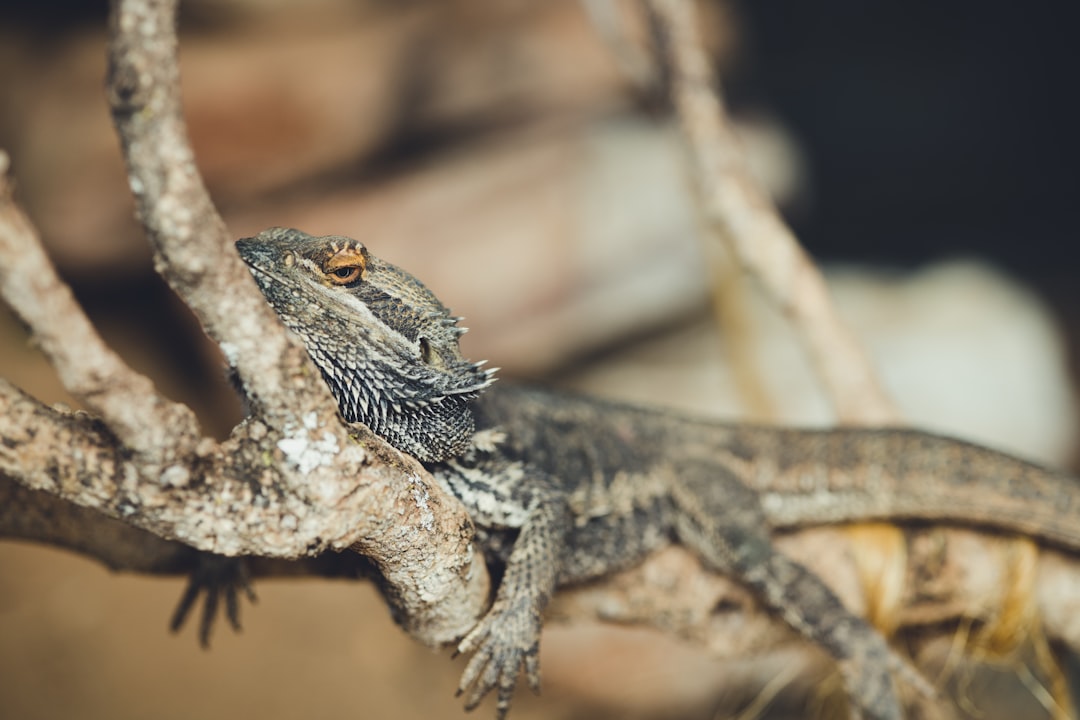
Bearded dragon terrarium setup essentials
bearded dragon terrarium setup essentials
Bringing a bearded dragon into your home is an exciting journey. Known for their puppy-like personalities and expressive faces, these fascinating reptiles make incredible companions. However, the foundation of exceptional bearded dragon care starts long before you bring your new pet home; it begins with building the perfect environment.
A well-planned bearded dragon terrarium setup is crucial for your pet’s health, happiness, and longevity. Because these reptiles are entirely reliant on you to replicate their natural Australian desert environment, every detail—from lighting and heating to flooring and decor—must be meticulously planned.
In this comprehensive guide, we will walk you through the bearded dragon terrarium setup essentials. Whether you are a first-time reptile keeper or an experienced hobbyist looking to upgrade, this guide will help you create a thriving, beautiful, and safe enclosure for your scaly friend.

1. Choosing the Right Enclosure: Size and Material
The very first step in designing a bearded dragon habitat is selecting the tank itself. Far too often, new owners purchase "starter kits" that their dragons outgrow within a few months. It is highly recommended to start with an adult-sized enclosure to save money and reduce stress on the animal.
The Golden Rule of Tank Size
Bearded dragons grow remarkably fast. A hatchling can reach up to 24 inches in length within its first year. Therefore, the standard 40-gallon breeder tank is vastly insufficient for a full-grown adult. The globally accepted standard for an adult is based on the 120 gallon bearded dragon enclosure dimensions, which generally measure 48 inches long, 24 inches wide, and 24 inches tall (4x2x2 feet). This sizing provides adequate floor space for roaming and allows enough height to establish safe lighting distances.
Choosing the Material: PVC vs Glass Reptile Tanks
When shopping for an enclosure, you will likely face a common debate: PVC vs glass reptile tanks. Each has its distinct advantages and drawbacks:
- Glass Tanks: Glass enclosures offer incredible visibility and are easily accessible at most pet stores. However, glass is a poor insulator. If you live in a colder climate, you may struggle to keep the enclosure warm enough, as heat easily escapes through the glass walls. Furthermore, seeing their own reflection in the glass can sometimes cause territorial stress in male dragons.
- PVC Enclosures: Polyvinyl chloride (PVC) enclosures are rapidly becoming the gold standard in reptile keeping. They are incredibly lightweight, stackable, and opaque on three sides, which helps your dragon feel secure. Most importantly, PVC holds heat remarkably well, saving you money on electricity and making it much easier to maintain stable temperatures.

2. Mastering Temperature: Creating the Perfect Climate
Because bearded dragons are ectothermic (cold-blooded), they rely entirely on external heat sources to regulate their body temperature. Without adequate heat, a bearded dragon cannot digest its food, leading to severe health complications.
Creating a Proper Thermal Gradient
To thrive, your dragon needs choices. Creating a proper thermal gradient means setting up your terrarium so that one end is very hot (the basking side) and the other end is significantly cooler. This allows the dragon to move back and forth to regulate its core temperature naturally.
The Ideal Basking Spot Temperature Range
The basking spot is the warmest area in the tank, directly under the heat lamp. The ideal basking spot temperature range depends slightly on the age of your dragon:
- Baby and Juvenile Dragons: 105°F to 110°F (40°C - 43°C)
- Adult Dragons: 100°F to 105°F (38°C - 40°C)
The cool side of the tank should remain between 75°F and 85°F during the day.
Night Time Heating for Desert Reptiles
Many new owners worry about their dragons getting cold at night. In the wild Australian outback, temperatures drop significantly after sundown. Therefore, night time heating for desert reptiles is usually only necessary if your home’s ambient temperature drops below 65°F (18°C). If you do need supplementary night heating, use a Ceramic Heat Emitter (CHE) rather than a colored "night bulb." Bearded dragons can see red and blue light, and these colored bulbs will severely disrupt their sleep cycle.
3. Lighting: The Key to Health and Vitality
If heat is the engine of a bearded dragon, UVB lighting is the fuel. Ultraviolet-B radiation allows your dragon to synthesize Vitamin D3, which in turn allows their body to absorb calcium from their diet.
Preventing Metabolic Bone Disease Symptoms
Without proper lighting, dragons suffer from calcium deficiency, leading to Metabolic Bone Disease (MBD). Preventing metabolic bone disease symptoms—such as twitching, soft jawbones, lethargy, and severely deformed limbs—requires high-quality, specialized lighting. MBD is completely preventable with the right setup.

T5 HO UVB Lighting Requirements
When it comes to UV lighting, not all bulbs are created equal. The standard recommendation for a 4x2x2 enclosure is meeting T5 HO UVB lighting requirements (High Output). A T5 linear tube bulb should span roughly half to two-thirds the length of the enclosure and be positioned directly next to the basking heat lamp. This ensures that when the dragon is warming up, it is simultaneously receiving maximum UV exposure. A 10.0 or 12% output bulb is ideal for desert species.
Mercury Vapor Bulb vs Tube UVB
You may encounter two main styles of UVB lighting: mercury vapor bulbs and linear tubes. Understanding mercury vapor bulb vs tube UVB is important for your setup:
- Tube UVB: A linear tube provides a wide "strip" of UV light across the enclosure, ensuring the dragon gets exposure even when not directly under the basking lamp. This is the preferred method for large enclosures.
- Mercury Vapor Bulbs (MVB): An MVB provides both heat and UVB in a single bulb. While convenient, the UVB output is highly concentrated in a single spotlight. If the dragon moves away from the basking spot, it receives almost no UV. MVBs are better suited for open-air enclosures or very tall setups rather than standard 120-gallon tanks.
How Often to Replace Reptile UV Bulbs
Even if a UV bulb is still emitting visible light, its invisible UVB output degrades over time. A critical aspect of bearded dragon care is knowing how often to replace reptile UV bulbs. Standard T8 bulbs need replacing every 6 months, while the higher-quality T5 HO bulbs should be replaced every 12 months without fail.
4. Monitoring the Microclimate
Guessing the temperature or humidity in your tank can lead to fatal mistakes. You need reliable, accurate data at all times. Analog dial thermometers found in cheap pet store kits are notoriously inaccurate, sometimes being off by up to 20 degrees.
Installing a Digital Thermometer Hygrometer Probe
For accurate readings, investing in digital tools is a must. Installing a digital thermometer hygrometer probe on both the hot side and the cool side of the tank allows you to monitor the thermal gradient perfectly. Place the hot-side probe directly on the basking surface to measure the exact surface temperature your dragon is experiencing.
How to Measure Terrarium Humidity Levels
While bearded dragons hail from arid regions, they still need some ambient moisture to stay hydrated and shed properly. Learning how to measure terrarium humidity levels is crucial. Use your digital hygrometer probe to ensure ambient humidity stays between 30% and 40%.
- If humidity is too high: It can cause respiratory infections. Increase ventilation or use a smaller water bowl.
- If humidity is too low: Your dragon may struggle to shed. You can lightly mist the enclosure in the morning or provide a humid hide.

5. Substrate: Choosing the Right Flooring
Substrate—the material lining the bottom of your terrarium—is one of the most debated topics in the reptile community. The main concern when choosing a substrate is the risk of impaction, a severe blockage in the dragon's digestive tract caused by swallowing indigestible materials.
Safe Substrate Options for Avoiding Impaction
Young dragons are particularly clumsy hunters and often ingest substrate while catching insects. To protect your pet, you must use safe substrate options for avoiding impaction.
Best Solid Substrates:
- Slate Tile: Rough slate tile looks natural, retains heat beautifully, and naturally files down your dragon’s nails. It is also incredibly easy to wipe clean.
- Paper Towels or Newspaper: While not aesthetically pleasing, these are the safest, most hygienic options for baby bearded dragons and sick reptiles in quarantine.
Best Loose Substrates (For Adults Only):
- Play Sand and Organic Topsoil Mix: A 50/50 mix of washed children’s play sand (never calcium sand) and organic, fertilizer-free topsoil creates a natural, diggable terrain.
- Pre-mixed Arid Substrates: High-quality commercial mixes designed specifically for desert reptiles are also great options for healthy, well-hydrated adult dragons.
The Benefits of Bioactive Lizard Enclosures
For advanced keepers, a bioactive setup is the ultimate goal. A bioactive enclosure is a self-sustaining ecosystem. It uses a deep soil mix populated with "clean-up crews" like isopods and springtails, which break down the dragon's waste and uneaten food.
The benefits of bioactive lizard enclosures are vast. Not only do they drastically reduce the amount of spot-cleaning you have to do, but they also provide immense psychological enrichment for your dragon, allowing them to dig, forage, and interact with live, reptile-safe plants just as they would in the wild.

6. Decor, Hides, and Enrichment
A bare tank with just a food bowl is no place for a highly intelligent and curious lizard. Your bearded dragon terrarium setup should be a visually appealing and physically stimulating playground.
Essential Climbing Branches and Hides
Bearded dragons are semi-arboreal, meaning they love to climb to get a good vantage point of their surroundings. Providing essential climbing branches and hides is crucial for their mental and physical health.
- Basking Platforms: Use a large piece of slate, flat rock, or thick driftwood for the main basking spot. These materials absorb the heat lamp's energy, warming the dragon's belly for optimal digestion.
- Hides: Your dragon needs at least two enclosed spaces (one on the hot side, one on the cool side) where they can retreat, sleep, or escape the light if they feel stressed. Commercial rock caves or large pieces of curved cork bark work perfectly.
- Climbing Gear: Thick grapewood branches, sturdy ghost wood, and reptile hammocks give your dragon the opportunity to exercise and build muscle tone.
Desert Vivarium Landscaping Ideas
If you want a tank that serves as a beautiful centerpiece in your home, consider exploring different desert vivarium landscaping ideas. You can create an incredibly naturalistic setup by:
- Layering Rocks: Stacking large, secure stones (make sure they are glued or deeply buried so they don't collapse) to create multi-level basking tiers.
- Adding Plants: If using a loose substrate, plant drought-tolerant, non-toxic plants like Spineless Prickly Pear cactus, Echeveria succulents, or Elephant Bush. (Note: Your dragon will try to eat them, so ensure they are 100% pesticide-free!)
- Texturing the Background: Installing a 3D rocky background not only looks incredible but gives your dragon an entirely new vertical surface to scale.
7. Putting It All Together: Step-by-Step Setup
Now that you know the essentials, here is a quick, actionable checklist for assembling your bearded dragon terrarium setup:
- Place the Enclosure: Position your 120-gallon tank in a quiet, low-traffic area of your home, away from direct sunlight (which can overheat the tank) and drafty windows.
- Add the Substrate: Lay down your chosen flooring. If using tile, ensure there are no sharp edges. If using loose substrate, pack it down slightly so it's easy to walk on.
- Install the Heating and Lighting: Mount your basking lamp on one side. Install the T5 HO UVB tube so it overlaps with the basking spot, ensuring the UVB light reaches the dragon when it sits on its highest branch.
- Arrange Decor: Place the basking rock directly under the heat lamp. Add hides to both the hot and cool sides. Arrange climbing branches securely.
- Set Up Monitoring: Install your digital thermometer/hygrometer probes at surface level on both the warm and cool ends.
- Test the System: Never put your dragon into a brand-new setup immediately. Run the lights and heaters for at least 48 hours to measure temperatures and tweak lamp wattages until your thermal gradient is absolutely perfect.
Conclusion
Creating the ultimate bearded dragon terrarium setup is a labor of love, but the payoff is immense. By investing in the right 120-gallon enclosure, perfecting your lighting and thermal gradients, and prioritizing safe substrates and enriching decor, you are setting the stage for a long, vibrant life for your pet.
Remember, excellent bearded dragon care is an ongoing process of observation and adjustment. Keep an eye on those digital thermometers, stay strictly on schedule with replacing your UVB bulbs, and never stop looking for new ways to make their habitat more engaging. When your dragon is actively exploring, basking happily, and showing off its bright, healthy colors, you’ll know you’ve engineered the perfect desert oasis right in your own home.

De Talis Us



Dejar un comentario
Este sitio está protegido por hCaptcha y se aplican la Política de privacidad de hCaptcha y los Términos del servicio.