


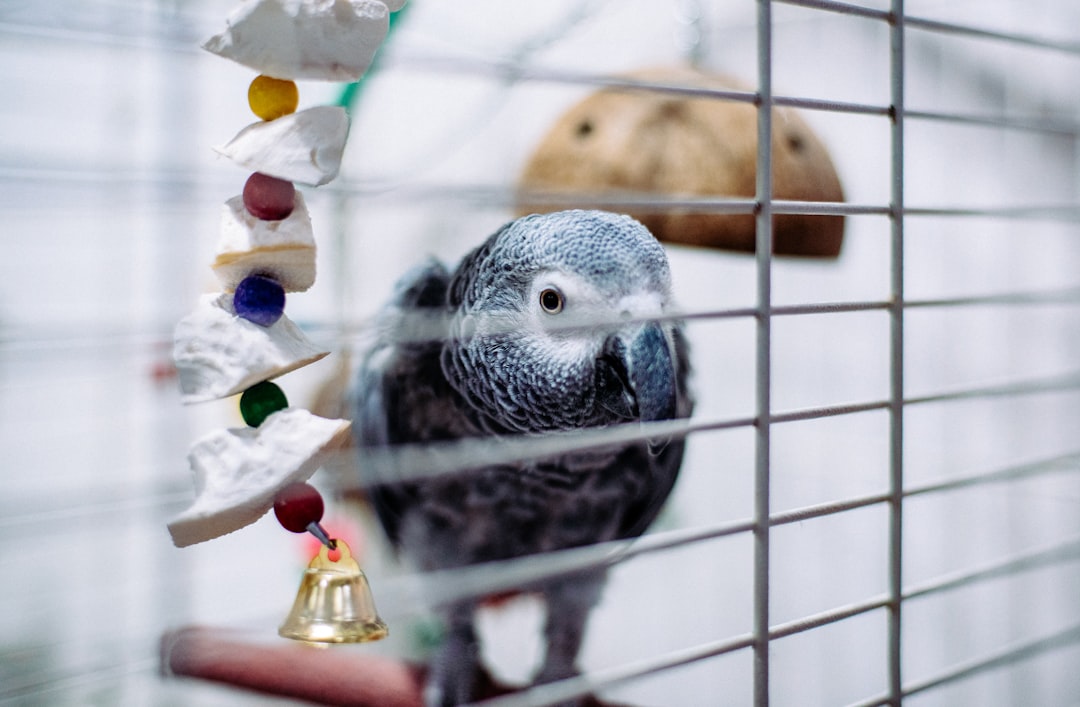
High-quality bird toys that last
high-quality bird toys that last
Every bird owner knows the familiar, frustrating cycle: you spend a small fortune on a beautiful, colorful new toy, proudly hang it in your feathered friend’s cage, and within forty-eight hours, it has been reduced to a pile of expensive splinters on the cage floor. Finding high-quality bird toys that last can feel like an impossible quest, especially if you share your home with a larger, highly active parrot.
However, balancing durability, safety, and engagement is entirely possible when you know what to look for. Selecting safe bird toys isn't just about saving money in the long run; it is about providing crucial mental stimulation and physical exercise for your avian companion without putting their health at risk.
In this comprehensive guide, we will explore everything you need to know about selecting, maintaining, and understanding the play habits of your pet bird. From identifying top-tier materials to choosing the right enrichment for aggressive chewers, here is your ultimate blueprint for finding high-quality bird toys that will stand the test of time.

The Nature of the Beak: Why Do Birds Destroy Toys So Quickly?
Before diving into the solutions, it is essential to understand the root of the behavior. If you have ever asked yourself, "why do birds destroy toys so quickly?", the answer lies in their wild ancestry.
In the wild, parrots spend up to 80% of their waking hours foraging for food, chewing through thick bark, cracking open hard nuts, and excavating nesting cavities. Their beaks are highly specialized tools designed for destruction. When a bird shreds a toy, they are not misbehaving; they are fulfilling a deep-seated biological instinct.
Chewing serves multiple purposes:
- Foraging instincts: Tearing things apart simulates the process of finding food hidden inside pods or wood.
- Stress relief: The physical act of biting and shredding releases pent-up energy and anxiety.
- Beak conditioning: A bird's beak grows continuously throughout its life, much like human fingernails. Chewing on tough surfaces naturally files down the beak.
Therefore, the goal is not to stop your bird from destroying things, but rather to provide high-quality bird toys that offer a satisfying chewing experience while taking significantly longer to demolish.
Material Matters: How to Identify Bird Safe Toy Materials
When shopping for durable toys, the construction materials dictate both longevity and safety. Knowing how to identify bird safe toy materials is the most critical skill an avian owner can develop. The pet market is unfortunately largely unregulated, meaning it is up to the buyer to spot the difference between a durable, safe toy and a dangerous, cheap imitation.
1. Wood Selection
Wood is the staple of the avian toy industry, but not all wood is created equal. For durability, look for sustainable wood bird toy components made from dense, hard varieties like Manzanita, Java, ribbonwood, and hickory. While softer woods like balsa and pine are great for shredding, they won't last long. Investing in harder woods is vital for longevity and safety.
2. Leather Components
Leather is excellent for texture and knot-tying activities, but you must be incredibly careful about the tanning process. Most commercial leather is tanned using toxic chemicals like chromium, which is highly dangerous if ingested by birds. Always ensure the toy uses vegetable tanned leather bird parts. This traditional tanning method uses natural tannins found in plant matter, making it completely non-toxic and safe for your parrot to chew.
3. Metal Hardware
Metal is necessary for hanging toys and linking parts together, but cheap metals like zinc and lead can cause fatal heavy metal toxicity. Always look for stainless steel hardware (more on this later) or nontoxic powder coated metal toy hardware. Powder coating provides a tough, baked-on finish that resists chipping and protects the underlying metal from rust, ensuring the structural integrity of the toy lasts for years.

Built to Endure: Chew-Resistant Toys for Aggressive Chewers
If you own a Cockatoo, African Grey, or Macaw, you know that their beaks are akin to heavy-duty bolt cutters. A large macaw can exert hundreds of pounds of pressure per square inch with its beak. For these birds, standard pet store toys are simply appetizers.
You need to seek out chew-resistant toys for aggressive chewers. These toys are specifically engineered to withstand immense pressure and prolonged chewing sessions.
While it is a well-known fact in the avian community that there are no truly indestructible parrot toys for macaws—if a macaw wants to break it, they eventually will—you can find toys that will survive months rather than hours. Look for toys constructed around a thick, central core (like a thick stainless steel rod) rather than a fragile rope or chain.
Additionally, preventing beak overgrowth with hard wood toys is a significant health benefit for aggressive chewers. Toys made from thick slices of Manzanita or Java wood require the bird to scrape and gnaw rather than simply snapping the wood in half. This scraping action naturally files down the upper and lower mandibles, keeping the beak healthy, sharp, and properly aligned, potentially saving you a trip to the avian vet for a beak trim.
Stainless Steel vs Acrylic Bird Toys: Which Lasts Longer?
When building a durable toy collection, you will frequently encounter two long-lasting materials: stainless steel and acrylic. Understanding the debate between stainless steel vs acrylic bird toys can help you allocate your budget effectively.
Stainless Steel
Stainless steel is the gold standard for avian durability. It is rust-proof, completely non-toxic, and virtually indestructible, even against the largest beaks.
- Pros: Unmatched longevity, completely bird-safe, easy to sanitize, makes a satisfying sound that birds love (like steel bells).
- Cons: Can be heavy, lacks visual color variety, and is generally more expensive upfront.
Acrylic
Acrylic (Plexiglas) is a hard, durable plastic widely used in parrot toys. It is incredibly tough, shatter-resistant, and can be manufactured in bright, engaging colors.
- Pros: Extremely durable, visually stimulating, lightweight, and can be molded into complex shapes like puzzle boxes.
- Cons: Over time, aggressive chewers can scratch the surface, making it look cloudy. Though rare, highly aggressive large birds might eventually crack thinner pieces of acrylic.
The Verdict: Both are essential. Use stainless steel for structural elements (chains, quick-links, bells) and acrylic for interactive elements (casing for puzzles, colorful sliding beads). When combined, these materials create high-quality bird toys that last for years.

Keeping Minds Sharp: Interactive and Foraging Toys
Physical durability is only half the battle; psychological engagement is just as important. A toy that lasts forever but sits ignored in the corner of the cage is a waste of space. Parrots are highly intelligent—some species possess the problem-solving skills of a human toddler. Therefore, interactive bird toys are a necessity to keep their minds sharp and engaged.
Foraging Toys
In the wild, a bird's food is never handed to them in a silver bowl; they have to work for it. Replicating this in captivity is one of the best enrichment activities for bored pet birds. Boredom in parrots often leads to destructive behavioral issues, such as feather plucking or excessive screaming.
Durable foraging toys for large parrots are usually made of heavy-duty acrylic or polycarbonate. These toys require the bird to turn a wheel, slide a lever, or pull a leather strap to release a hidden treat (like a nut or a piece of dried fruit). Because the bird is focused on solving the puzzle rather than destroying the housing, the toy lasts significantly longer.
Puzzle Toys
To take it a step further, look for heavy duty hanging bird puzzles. These are typically vertically hung contraptions where a bird must move a treat through a maze, or unscrew a bird-safe wingnut to drop a block of wood. These toys force the bird to use their beak, tongue, and feet in a highly coordinated manner. Not only do these toys hold up remarkably well against damage, but the intense concentration they require will tire out an energetic bird, leading to a quieter, happier household.
Maximizing the Lifespan of Your Bird's Toys
Even the most robust toys require proper care to maximize their lifespan. Proper maintenance prevents the buildup of dangerous bacteria and keeps the toys safe for your bird's continued use. Knowing how to sanitize bird accessories for longevity is a crucial aspect of avian husbandry.
Sanitizing Bird Toys
Over time, toys will become covered in food debris, dander, and droppings.
- For Acrylic and Plastic Toys: Wash them in the sink with warm water and a mild, unscented dish soap. For a deeper clean, soak them in a solution of equal parts white vinegar and water for 15 minutes, then rinse thoroughly. Vinegar is a fantastic, bird-safe natural disinfectant.
- For Stainless Steel: These can often be run through the dishwasher (without harsh commercial detergents) or scrubbed with a wire brush and white vinegar.
- For Wood Toys: Never soak wood toys in water, as this can cause the wood to expand, warp, and grow harmful mold. Instead, scrape off any dried droppings with a wire brush, wipe the wood with a damp cloth lightly sprayed with an avian-safe enzymatic cleaner, and let it dry completely in direct sunlight. The UV rays from the sun act as a natural antibacterial agent.
The Art of Toy Rotation
Another secret to making toys last is managing your bird's attention span. Rotating bird playthings to maintain interest is a strategy used by professional zookeepers and avian behaviorists.
If a bird has access to the exact same toy 24/7, two things happen: they either destroy it out of sheer habitual chewing, or they become completely bored with it. To prevent this, implement a rotation system. Keep three distinct batches of high-quality bird toys. Every two weeks, remove the current toys, clean them, and replace them with a different batch. To your bird, the rotated toys will feel brand new, reigniting their curiosity and saving the toys from constant, daily abuse.

Safety First: Bird Toy Safety Hazards to Avoid
While durability is our main focus, safety must always trump longevity. As you search for toys that will survive your bird's powerful beak, be vigilant about common bird toy safety hazards to avoid. A toy that lasts a lifetime is useless if it poses a threat to your bird's life.
- Frayed Cotton Ropes: While rope toys are popular, synthetic blends or tightly woven cotton can fray. If a bird ingests these fibers, they do not break down in the digestive tract, leading to fatal crop impactions. Furthermore, birds can easily get their toes or necks tangled in loose threads. If you use rope, stick to natural sisal or hemp, and trim any frayed edges daily.
- Improper Quick-Links: Avoid spring-loaded clasps (like those found on dog leashes) or cheap split rings (like keychains). A strong parrot can pry these open or get their tongue trapped in the mechanism. Only use stainless steel, threaded quick-links (also known as C-links or pear links) where you must screw the clasp shut.
- Jingle Bells: Cheap, small jingle bells (the kind with thin slits) are notorious for trapping parrot toes and beaks. If you want to give your bird a bell, ensure it is a heavy-duty stainless steel "cowbell" style or an enclosed pipe bell where the clapper cannot trap a beak.
- Toxic Dyes and Finishes: Avoid any woods that look painted or varnished. Safe bird toys should only be colored with non-toxic, food-grade vegetable dyes. If a brightly colored wood toy doesn't bleed a little color when wet, it might be coated in unsafe chemical paints.
- Inappropriate Sizing: A toy meant for a parakeet can be a choking hazard for a macaw, just as a macaw toy can be dangerously heavy for a cockatiel. Always buy toys appropriately sized for your specific bird's weight and beak capacity.
Conclusion
Providing your feathered companion with an enriching, engaging environment is one of the most rewarding parts of bird ownership. By understanding your bird's natural instincts and investing in the right materials, you can break the endless cycle of buying easily destructible accessories.
Focus on sourcing items made with vegetable tanned leather, dense, sustainable woods, and robust stainless steel hardware. Prioritize puzzles and durable foraging toys that challenge their intellect as much as their beaks. Above all, maintain rigorous safety standards and practice regular toy rotation to keep their environment fresh and exciting.
When you know exactly what to look for, finding high-quality bird toys that last becomes an easy, stress-free part of your avian care routine, ensuring your bird remains happy, healthy, and wonderfully entertained for years to come.

De Talis Us


Dejar un comentario
Este sitio está protegido por hCaptcha y se aplican la Política de privacidad de hCaptcha y los Términos del servicio.