


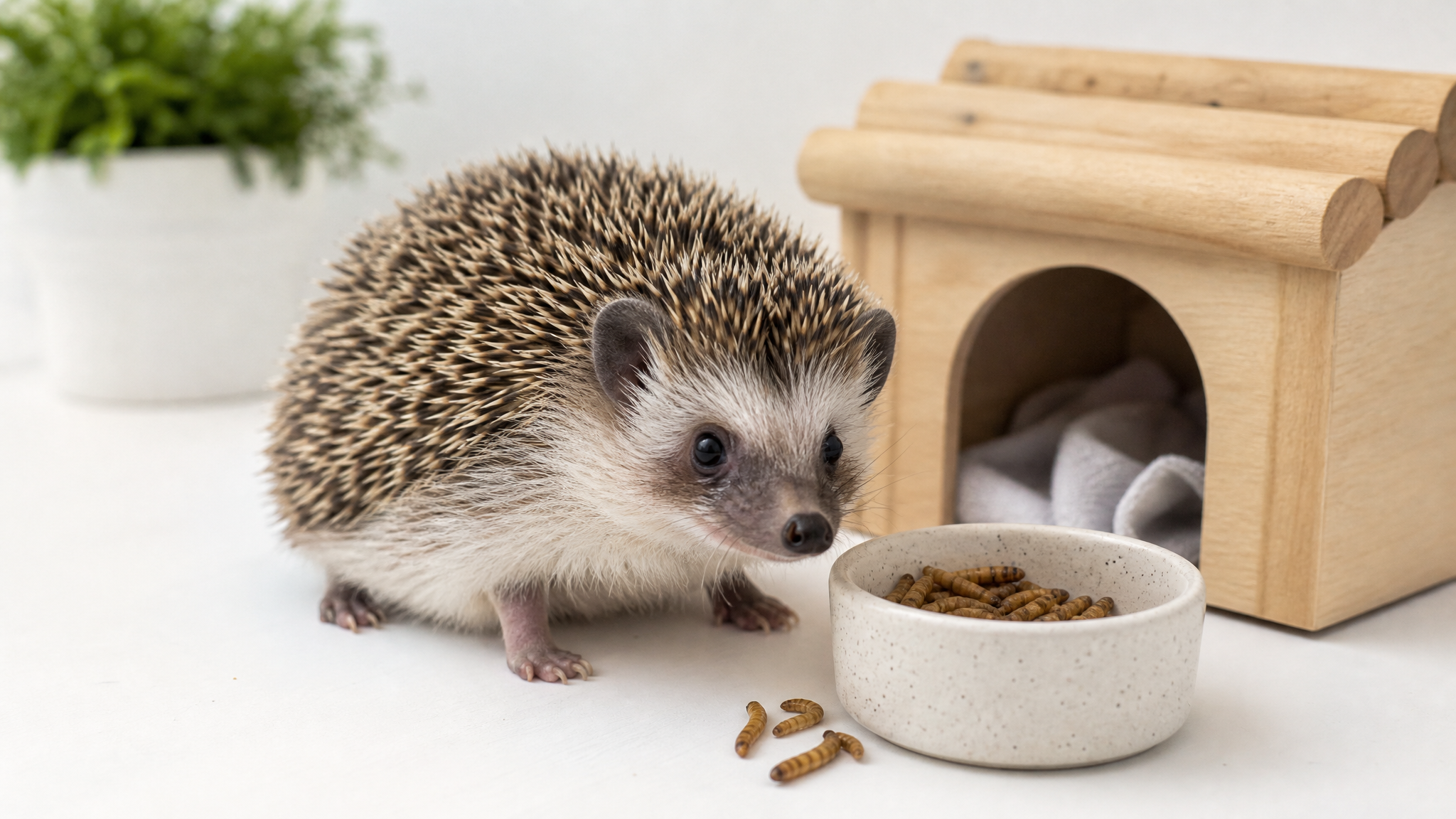
Hedgehog Care Guide: Habitat, Diet, Health, and Enrichment
Bringing home a hedgehog means signing up for a pet that lives by night, eats insects, and would rather be left alone—at least at first. These small, spiny mammals are not naturally cuddly, but with the right setup and steady, patient handling, they can become a fascinating companion. A pet hedgehog may live six years or longer in captivity, according to the University of Florida’s Small Animal Hospital, and keeping one healthy starts with understanding a few non-negotiables about temperature, housing, and diet.
Little Critter Crew’s hedgehog care guide points out that hedgehogs need a steady ambient temperature between 70 and 85°F and an enclosure that gives them at least six square feet of floor space. They are solitary by nature—males housed together will fight, sometimes to death—and new owners should expect hissing, puffing, and a quilled ball during the first weeks as the animal acclimates. What follows is a full walkthrough of the gear, food, health signs, and daily routines that turn a defensive newcomer into a well-cared-for pet.
Getting Started with Hedgehog Care
A pet hedgehog’s life revolves around a few core requirements you need to have in place from day one. Without them, health can unravel quickly. With them, a hedgehog can settle into a dependable rhythm.
- Nocturnal insectivores — they sleep most of the day and become active after dark, rooting for food.
- Solitary creatures — two males will fight; females rarely cohabitate peacefully. Singles are safest.
- Temperature controlled — 70–85°F is essential; anything lower can trigger hibernation attempts, which are dangerous for pet hedgehogs.
- Enclosure size — a minimum of 3 feet by 2 feet, with a solid floor and a secure lid to prevent escapes.
- Lifespan — in good care, a hedgehog may live to 6–8 years, compared to about 3 years in the wild.
Those points come directly from veterinary guidance and rescue experience. The habit of rolling into a prickly ball is a defense, not a personality flaw, and it fades with time and gentle handling. Still, a hedgehog will never be a lap pet in the way a guinea pig might be, and that’s something to accept before you bring one home.
Habitat Essentials: Products for a Safe Home
A hedgehog’s enclosure is more than a cage—it’s a miniature climate zone, a burrowing ground, and a retreat all in one. The right products tackle temperature stability, safety, comfort, and hygiene. Here are four categories where the gear makes a real difference.
Heating Pad and Thermostat for Temperature Control
Maintaining the 70–85°F range is not optional. Most homes are cooler than that at night or during winter, and a hedgehog that gets too cold can attempt to hibernate, which may be fatal. A heating pad placed under one end of the enclosure, combined with a thermostat like the Inkbird ITC, gives you precise control. Little Critter Crew recommends setting the cage temperature between 73 and 78°F and positioning the heat source at one end only—this creates a gradient so the animal can move to a cooler spot if needed.
Never use heat rocks or heated caves. A heating pad under the enclosure avoids direct contact and prevents burns. The thermostat is the safety net: it shuts off power if temperatures climb too high and kicks back on when they drop, keeping things steady without constant manual adjustment.
Enclosure: Solid Bottom, Secure Lid, and Size
Wire-bottom cages are a disaster for hedgehog feet—they can trap toes and rip out nails. A solid floor is non-negotiable. Midwest guinea pig cages and the Critter Nation single unit are two options that rescues use, though both often need a few tweaks. The Midwest cage may require a taller side guard (around 5 inches of coroplast or plexiglass) to block drafts and prevent climbing, and Critter Nation models might need the wire grid covered with a solid surface.
The floor must be at least 3 feet by 2 feet, but bigger is better. A secure lid is equally critical because hedgehogs are surprisingly good climbers and escape artists. If the top isn’t latched, you’ll likely find the animal wedged behind furniture by morning.
Bedding: Kiln-Dried Pine Shavings or Recycled Paper Pellets
Two safe bedding choices stand out: kiln-dried pine shavings (never cedar—its aromatic oils can harm respiratory systems) and soft recycled paper pellets. Both absorb odor, allow digging, and give a hedgehog something to burrow into. A depth of 3 to 4 inches is recommended so the animal can tunnel and nest naturally.
Spot-clean soiled areas daily and do a full change once a week. If you notice your hedgehog sneezing or scratching more than usual, switch to paper pellets—some individuals react to wood dust even when it’s kiln-dried.
Water Bottle or Bowl for Hydration
Hedgehogs are not consistent drinkers. Some will sip from a hanging water bottle, others prefer a shallow bowl, and a few will knock over any bowl they can tip. The best approach is to try both and see what your animal uses. Whatever you pick, rinse and refill the water source every day; bacteria buildup in a water bottle nozzle or bowl is fast and can lead to mouth infections.
Keep an eye on the water level—if you find it empty or undisturbed for a full 24 hours, test the alternative method. A dehydrated hedgehog turns lethargic quickly, and a little flexibility in water delivery can prevent a health scare.
Nutrition: What to Feed Your Hedgehog
Hedgehogs are insectivores with a cecum that helps break down chitin and plant fiber, but their system runs best on high-quality, low-fat protein. You have a few route options for the main diet, each with its own trade-offs.
Hedgehog Precision Kibble as a Staple
A formulated dry food like Hedgehog Precision Kibble is built for an insectivore’s nutrient profile—high in protein, moderate in fat, and free of grains and fillers that can upset a hedgehog’s digestion. The manufacturer’s feeding guidelines usually recommend 3 to 4 teaspoons of pellets per day for an adult, but you’ll need to adjust based on weight and activity level. A steady supply of this kibble, paired with occasional insects like dubia roaches, often keeps a hedgehog in good body condition without the guesswork of mixing supplements.
Lucy Pet Chicken and Brown Rice as an Alternative
Some owners feed a high-quality cat food instead of a hedgehog-specific kibble, and Lucy Pet’s chicken and brown rice formula is one name that comes up in care circles. It’s important that the cat food you choose is low in fat and doesn’t contain artificial colors, by-products, or excessive plant protein. Cat food can meet the protein and taurine needs, but it’s not designed for an insectivore’s digestive tract, so a conversation with an exotic veterinarian is wise before making it the staple. Use the same 3–4 teaspoon guideline as a starting point, and watch the animal’s weight and stool consistency.
Small Animal Treats for Occasional Rewards
Treats help with bonding and can break up the monotony of a dry diet, but they should stay well under 10% of total intake. Our Small Animal Treats collection includes nibble-sized options that can be offered once or twice a week. Live insects like dubia roaches are another favored reward, but always source them from a reputable supplier to avoid parasites or pesticide exposure. Overdoing treats quickly leads to obesity, which is one of the most common health problems in pet hedgehogs.
Health Monitoring and Common Issues
PetMD’s hedgehog care sheet lists several signs that should prompt a vet visit: sudden lethargy, loss of appetite, changes in droppings, sneezing, or any visible skin flaking. Hedgehogs hide illness well, so you’re looking for subtle shifts rather than dramatic collapses. A yearly check-up with an exotic veterinarian is the best prevention.
One messy but normal thing is “poop boots”—feces that get caked onto the feet during nighttime wheel running. A shallow bath with a hedgehog-safe shampoo and gentle scrubbing with a soft toothbrush takes care of it. Don’t over-bathe; once or twice a month is usually plenty unless the feet are routinely soiled. Dry, flaky skin can crop up in low-humidity homes. Adding a little humidity to the room and making sure the diet includes enough fat can help, but if the skin is red or the quills start falling out, a vet needs to rule out mites or a fungal infection.
Male hedgehogs occasionally need a check of the penile sheath, as bedding or hair can wrap around it. A quick look during handling can catch this before it becomes irritated. None of this replaces professional care—if something seems off, err on the side of a vet call.
Enrichment and Exercise for Well-Being
A hedgehog that spends every night in a bare enclosure will pace, overeat, or simply shut down. The two biggest behavior boosters are a proper wheel and a dig box.
An exercise wheel needs a solid running surface—wire or mesh wheels can trap feet and cause breaks or torn nails. A 16-inch diameter or larger keeps the back from arching too much, which prevents spinal strain. Some hedgehogs ignore a wheel at first; give it a few days. If they still don’t use it, try a different style, but never force the issue by removing other comforts.
For a dig box, you can fill a plastic tub with a mix of sandbox sand or fleece strips. The sandbox approach lets them root and bury themselves, but you’ll need to sift waste regularly. Fleece strips avoid dust and are machine-washable, though some hedgehogs try to eat them, so watch for fraying. Avoid toys with small holes or openings that can catch a nose or leg—think large, smooth objects rather than intricate puzzle feeders.
Daily handling, even five minutes of simply letting the hedgehog explore your hands inside the enclosure, helps with socialization. An animal that hisses and balls up today may still do it tomorrow, but the frequency often drops over weeks. Some individuals remain defensive their whole lives, and that’s okay—the point is to provide movement and novelty, not to turn them into extroverts.
Frequently Asked Questions
Can two hedgehogs live together?
Male hedgehogs will fight to the death. Even females rarely share space peacefully. Solitary housing is the safest approach.
What temperature is safe for hedgehogs?
70–85°F is the safe zone. Use a thermostat-controlled heat source to prevent immune issues or overheating.
How long do pet hedgehogs live?
Pet hedgehogs typically live 6–8 years with proper care—double or triple the 3-year wild lifespan.
Why does my hedgehog have poop on its feet?
Poop boots are normal. Gently bathe your hedgehog’s feet with a hedgehog-safe shampoo when needed.

De Talis Us



Dejar un comentario
Este sitio está protegido por hCaptcha y se aplican la Política de privacidad de hCaptcha y los Términos del servicio.