


Essential Pet Supplies Checklist: Never Run Out Again
Essential Pet Supplies Checklist: Never Run Out Again
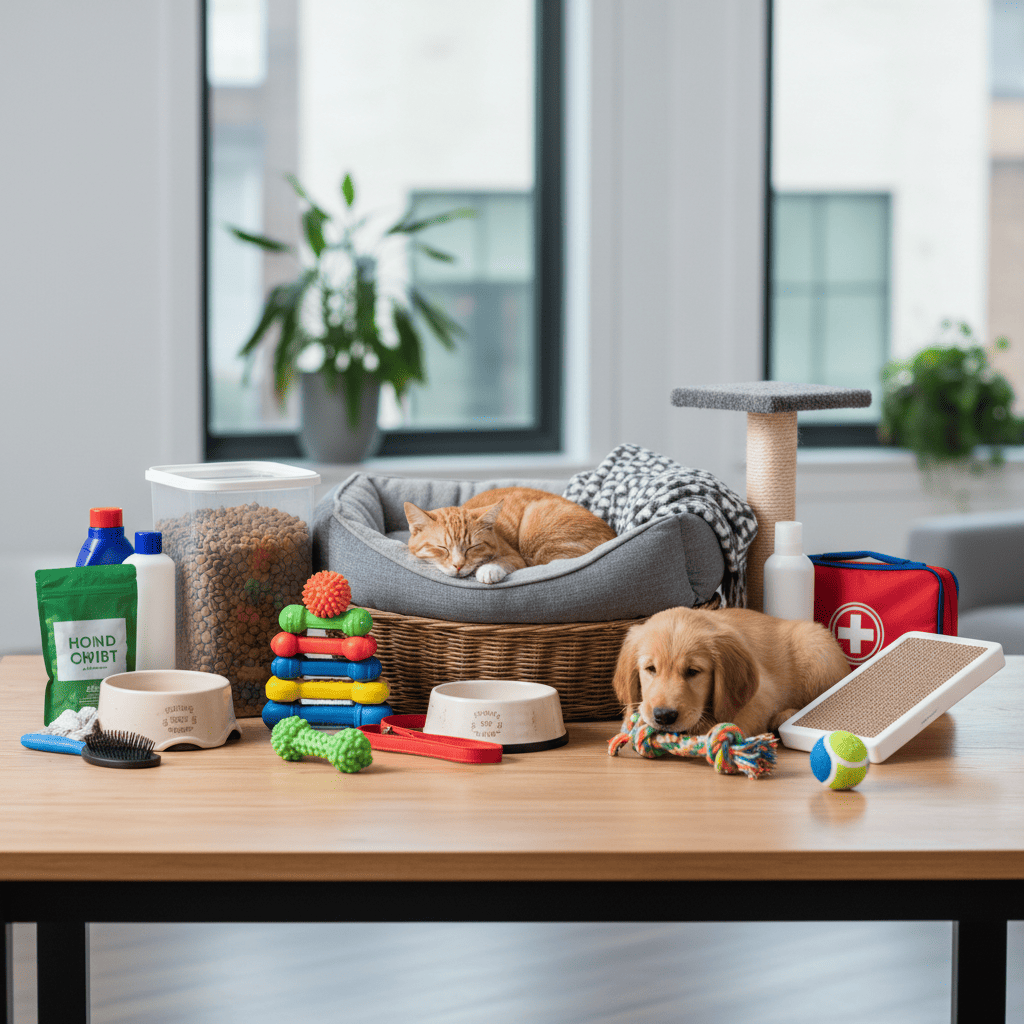
Imagine this: It's late on a Sunday night. You reach for your pet’s food container, only to discover it’s completely empty. Panic sets in. A quick run to the store isn’t possible. Sound familiar? Running out of essential pet supplies is a common headache for pet owners, but it's easily avoidable with a little planning and organization. This comprehensive checklist will help you stay ahead of the game and ensure your furry, feathered, or scaled friend never has to go without.
Food and Treats: The Foundation of Pet Health
Food is the cornerstone of your pet's health and well-being. Choosing the right type and ensuring a consistent supply is crucial. Beyond just avoiding empty bowls, maintaining a well-stocked pantry prevents stressful last-minute shopping trips and allows you to focus on enjoying quality time with your pet.
Dry Food (Kibble)
Dry food is a convenient and often cost-effective option for many pets. When selecting kibble, carefully consider your pet's age, breed, and any specific dietary needs. Look for high-quality ingredients and avoid foods with excessive fillers or artificial additives. A good rule of thumb is to buy the largest bag you can reasonably store and use within its expiration date. Check the expiration date before purchasing.
Wet Food (Canned Food)
Wet food can be a valuable addition to your pet's diet, particularly for picky eaters or those needing extra hydration. It’s also often preferred for older pets with dental issues. Remember that wet food spoils quickly once opened, so follow feeding guidelines carefully and discard any uneaten portions promptly. It's advisable to buy smaller cans to minimize waste.
Treats
Treats are fantastic for training, rewarding good behavior, and simply showing your pet some love. But it's easy to get carried away. Opt for healthy treats with limited artificial ingredients and appropriate calorie content. Store treats in airtight containers to maintain freshness and prevent your pet from sneaking an unauthorized snack. Avoid feeding your dog or cat table scraps, as these can be unhealthy and lead to begging.
Water
Fresh, clean water should always be available to your pet. Regularly clean and refill water bowls, and consider using a water fountain to encourage increased hydration, especially for cats. Water is just as important as food. Dehydration can lead to severe health problems, so make sure water is always accessible.
Grooming Supplies: Keeping Your Pet Looking and Feeling Their Best
Regular grooming is about more than just aesthetics. It's essential for maintaining your pet's hygiene, detecting potential health problems early, and strengthening the bond between you and your companion. Brushing, bathing, and nail trimming are all important aspects of pet care. Consult with your veterinarian or a professional groomer for species-specific advice.
Brushes and Combs
The type of brush or comb you need depends on your pet's coat type. Slicker brushes are great for removing mats and tangles, while shedding blades are effective for managing heavy shedding. For short-haired animals, a rubber grooming mitt can be a gentle and effective option. Daily brushing can significantly reduce shedding and prevent painful mats.
Shampoo and Conditioner
Use a shampoo specifically formulated for pets. Human shampoos can be too harsh and disrupt your pet's skin's natural pH balance. Choose a gentle, hypoallergenic formula if your pet has sensitive skin. Conditioners can help moisturize the coat and prevent dryness and itching. Be careful to avoid getting shampoo in your pet's eyes or ears during bathing.
Nail Clippers or Grinders
Regular nail trimming is essential for preventing overgrown nails, which can be painful and lead to mobility issues. If you're uncomfortable trimming your pet's nails yourself, seek professional assistance from a veterinarian or groomer. There are guillotine-style clippers and scissor-style clippers. Alternatively, nail grinders offer a safer and more controlled trimming experience. Always have styptic powder on hand to stop bleeding in case you accidentally cut the quick.
Toothbrush and Toothpaste
Dental health is often overlooked but incredibly important for your pet's overall well-being. Brush your pet's teeth regularly with a pet-specific toothbrush and toothpaste. Never use human toothpaste, as it can be toxic to animals. Dental chews and water additives can also help maintain good oral hygiene. Regular veterinary dental checkups are crucial for preventing and treating dental disease.
Ear Cleaning Solution
Certain breeds are prone to ear infections. Regularly clean your pet's ears with a veterinarian-approved ear cleaning solution to remove wax and debris. Avoid using cotton swabs, as they can push debris further into the ear canal. If you notice any signs of ear infection, such as redness, discharge, or excessive scratching, consult your veterinarian immediately.
Health and Wellness: Prioritizing Your Pet's Well-Being
Proactive health management is key to ensuring your pet lives a long and happy life. This includes regular checkups, preventative medications, and a well-stocked first-aid kit. Be sure to consult your veterinarian about what is best for your pet.
Flea and Tick Prevention
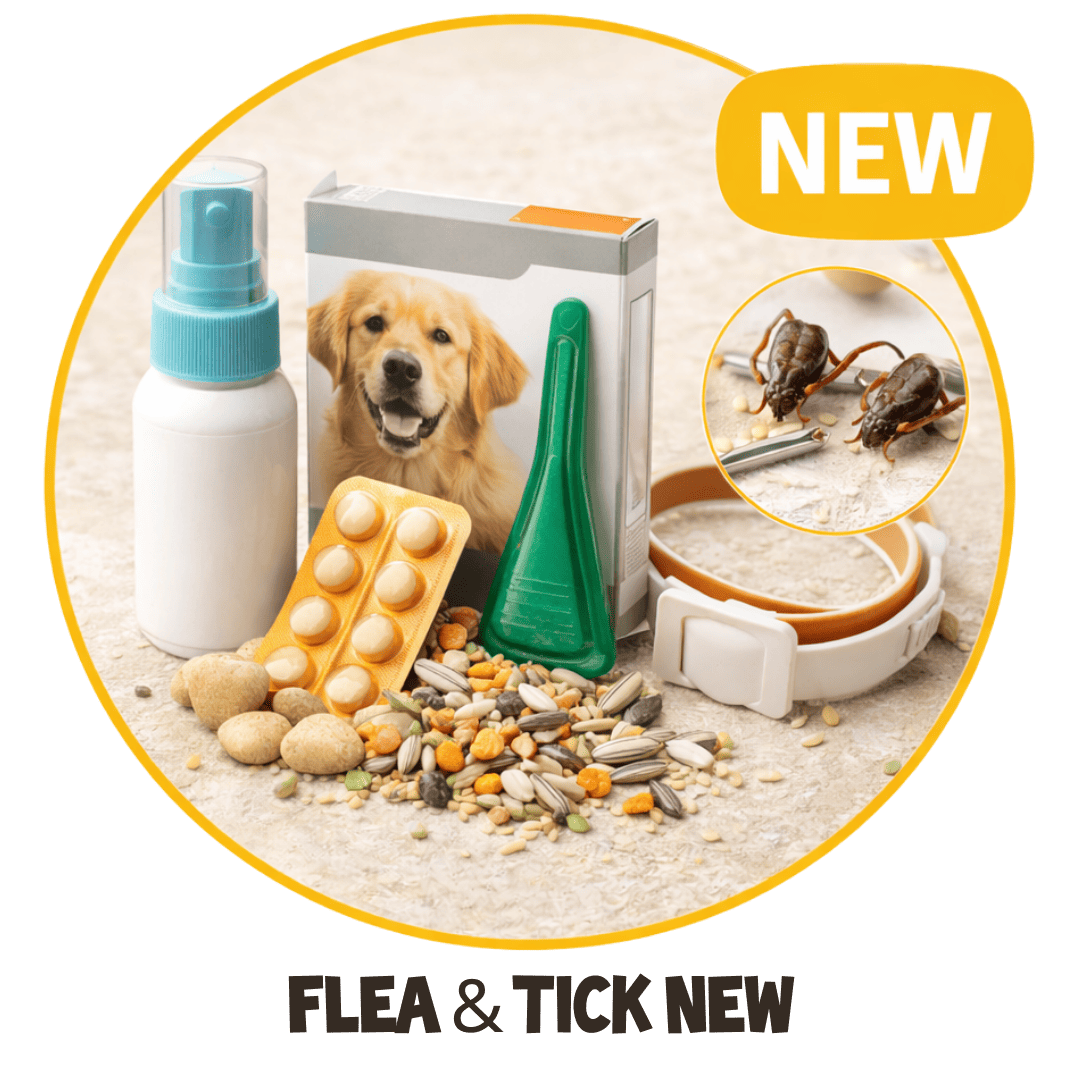
Fleas and ticks can transmit diseases and cause skin irritation. Use a veterinarian-recommended flea and tick preventative medication year-round. There are many options available, including topical treatments, oral medications, and collars. Choose the option that best suits your pet's lifestyle and your preferences.
Heartworm Prevention
Heartworm disease is a serious and potentially fatal condition transmitted by mosquitoes. Heartworm prevention is typically administered monthly and is available in both oral and topical forms. Regular testing is important, as prevention is not always 100% effective. Consult with your veterinarian to determine the appropriate heartworm prevention protocol for your region.
Worming Medication
Intestinal parasites are common in pets, especially puppies and kittens. Regular deworming is essential for maintaining your pet's digestive health. Your veterinarian can perform fecal exams to detect parasites and prescribe the appropriate deworming medication.
First-Aid Kit
Having a well-stocked first-aid kit is crucial for handling minor injuries and emergencies. Include items such as bandages, antiseptic wipes, gauze pads, adhesive tape, blunt-tipped scissors, tweezers, a digital thermometer, and a pet-safe antiseptic solution. Learn basic pet first-aid techniques and keep your veterinarian's contact information readily available. The AVMA has great resources for pet first-aid.
Pet Carrier
A sturdy and secure pet carrier is essential for vet visits, travel, and emergencies. Make sure the carrier is appropriately sized for your pet and that they are comfortable spending time in it. Consider crate training your pet to associate the carrier with positive experiences.
Cleaning Supplies: Maintaining a Hygienic Environment
Pets can be messy, and maintaining a clean and hygienic environment is essential for both their health and yours. Regular cleaning helps prevent the spread of disease and reduces odors.
Pet-Specific Cleaning Solutions
Use cleaning solutions specifically designed for pet messes. These products are formulated to remove stains and odors effectively without harming your pet. Avoid using harsh chemicals or bleach, as these can be toxic. Enzymatic cleaners are particularly effective at breaking down organic matter and eliminating odors.
Poop Bags
If you have a dog, poop bags are a non-negotiable essential. Always clean up after your pet in public areas to be a responsible pet owner. Keep a roll of poop bags in your pocket, bag, or car for easy access. Consider using biodegradable poop bags to reduce your environmental impact.
Litter Box and Litter (for Cats)
For cat owners, a clean litter box is crucial for maintaining a happy and healthy feline companion. Scoop the litter box daily and completely change the litter regularly. Choose a litter type that your cat prefers and that effectively controls odors. Different types of litter are available, including clay, clumping, crystal, and natural options. The Humane Society has great tips for selecting cat litter.
Pet Bedding Cleaner
Regularly wash your pet's bedding to remove dirt, dander, and odors. Use a mild detergent and hot water. Consider using a pet-safe fabric refresher to keep the bedding smelling fresh in between washes.
Toys and Enrichment: Keeping Your Pet Mentally Stimulated
Mental stimulation is just as important as physical exercise for your pet's well-being. Toys and enrichment activities help prevent boredom, reduce stress, and promote healthy behavior.
Chew Toys (for Dogs)
Chew toys are essential for satisfying a dog's natural chewing instincts and preventing destructive behavior. Choose durable and safe chew toys that are appropriately sized for your dog. Avoid toys that can be easily broken into small pieces, as these can pose a choking hazard. Rotate your dog's chew toys regularly to keep them interested.
Scratching Posts (for Cats)
Scratching is a natural behavior for cats, and providing a scratching post can help protect your furniture. Choose a scratching post that is tall and sturdy and made of a material that your cat enjoys scratching. Place the scratching post in a prominent location in your home.
Interactive Toys
Interactive toys challenge your pet mentally and physically, providing hours of entertainment. Puzzle toys, treat-dispensing toys, and laser pointers are all great options. Supervise your pet while they are playing with interactive toys to ensure their safety.
Comfort Items
A comfortable bed, blanket, or stuffed animal can provide your pet with a sense of security and comfort. Ensure the items are clean and free of hazards, such as loose buttons or strings. Having a "safe space" can greatly reduce anxiety in new or stressful environments.
Other Essentials: Don't Forget These Important Items
Beyond the essentials mentioned above, there are a few other items that every pet owner should have on hand.
Collar and Leash
A collar with identification tags is essential for ensuring your pet can be returned home safely if they get lost. The tags should include your pet's name, your phone number, and your address. A sturdy leash is necessary for walking your dog and keeping them under control. The ASPCA provides guidance on choosing the right collar and leash.
Food and Water Bowls
Choose food and water bowls that are appropriately sized for your pet and easy to clean. Stainless steel or ceramic bowls are generally the most hygienic options. For cats, a wider bowl can help prevent whisker fatigue. Consider elevated bowls for larger dogs to improve posture.
Medication Organizer
If your pet takes medication regularly, a medication organizer can help you stay organized and ensure they receive the correct dosage at the correct time. Label each compartment clearly and store the organizer in a safe place out of reach of children and pets.
Travel Supplies
If you plan on traveling with your pet, be sure to pack all the necessary supplies, including food, water, bowls, medications, a leash, poop bags (for dogs), a litter box (for cats), and a pet carrier. Research pet-friendly hotels and restaurants along your route and make sure your pet is up-to-date on all vaccinations.
Creating Your Personalized Checklist
This checklist is a great starting point, but you'll need to tailor it to your specific pet's needs and your lifestyle. Here's how:
Assess Your Pet's Specific Needs
Consider your pet's breed, age, health conditions, and individual preferences. A senior dog with arthritis will have different needs than a young, active puppy. A cat with sensitive skin will require a different type of shampoo than a cat with a normal coat. Consult with your veterinarian for personalized recommendations.
Consider Your Lifestyle
Think about your daily routine, your living situation, and your travel habits. If you work long hours, you'll need to ensure your pet has access to food, water, and potty breaks throughout the day. If you live in an apartment, you'll need to consider noise levels and space limitations. If you travel frequently, you'll need to find pet-friendly accommodations and pack all the necessary travel supplies.
Set Reminders
Use a calendar, app, or other reminder system to track when you need to restock supplies, administer medications, or schedule vet appointments. Automatic subscription services for items like food and litter can be very helpful.
Regularly Review and Adjust
Your pet's needs may change over time, so it's important to regularly review and adjust your checklist. As your pet ages, they may require different types of food, medications, or grooming supplies. Keep an eye on your pet's health and behavior and make adjustments as needed. Keeping your pet healthy and happy is a constant process!
Frequently Asked Questions (FAQs)
Q: How often should I bathe my dog?
A: The frequency of bathing depends on your dog's breed, coat type, and activity level. Generally, most dogs only need to be bathed every few months, unless they get particularly dirty. Over-bathing can strip the skin of its natural oils and cause dryness and irritation.
Q: What are some signs that my cat might be sick?
A: Signs of illness in cats can include changes in appetite, weight loss, lethargy, vomiting, diarrhea, coughing, sneezing, and changes in litter box habits. If you notice any of these signs, consult your veterinarian immediately.
Q: How much food should I feed my pet?
A: The amount of food you should feed your pet depends on their age, breed, weight, and activity level. Consult the feeding guidelines on the food packaging and adjust the amount as needed to maintain a healthy weight. Your veterinarian can also provide personalized feeding recommendations.
Q: Are there any human foods that are safe for pets?
A: While some human foods are safe for pets in small quantities, many are toxic. Safe options include plain cooked chicken, rice, and certain fruits and vegetables. Avoid feeding your pet chocolate, onions, garlic, grapes, raisins, and avocados. The Pet Poison Helpline is a valuable resource for determining if something is safe for your pet.
Q: How can I prevent my pet from getting fleas?
A: The best way to prevent fleas is to use a veterinarian-recommended flea preventative medication year-round. You should also regularly vacuum your home and wash your pet's bedding. If you suspect your pet has fleas, consult your veterinarian for treatment options.
Final Thoughts
By using this comprehensive checklist and tailoring it to your pet's specific needs, you can ensure you never run out of essential supplies again. This proactive approach will not only save you time and stress but also contribute to your pet's overall health and happiness. Remember, a well-prepared pet owner is a happy pet owner!



Dejar un comentario
Este sitio está protegido por hCaptcha y se aplican la Política de privacidad de hCaptcha y los Términos del servicio.