


Complete Tortoise Nutrition Guide: Building a Strong Shell Through Diet
The Path to Optimal Shell Health
Welcome to the complete guide to tortoise nutrition that supports optimal shell development and health. As tortoise owners ourselves, we understand the crucial link between proper diet and your shelled friend's longevity. The food your tortoise consumes directly impacts their shell structure, color, and resistance to disease. With the right nutritional approach, you can prevent common shell problems while enhancing your tortoise's quality of life for years to come.
Complete tortoise nutrition isn't just about feeding your pet; it's about providing a foundation for their overall wellbeing. In this guide, we'll explore the essential components of a shell-supporting diet and share practical feeding strategies you can implement today.
The Foundation of Complete Tortoise Nutrition
Creating a nutritionally balanced diet for your tortoise requires understanding their natural feeding habits and biological needs. Different tortoise species have evolved to thrive on specific diets based on their native habitats, but all share certain fundamental nutritional requirements for proper shell development.
Balancing Plant Diversity in Daily Feeding
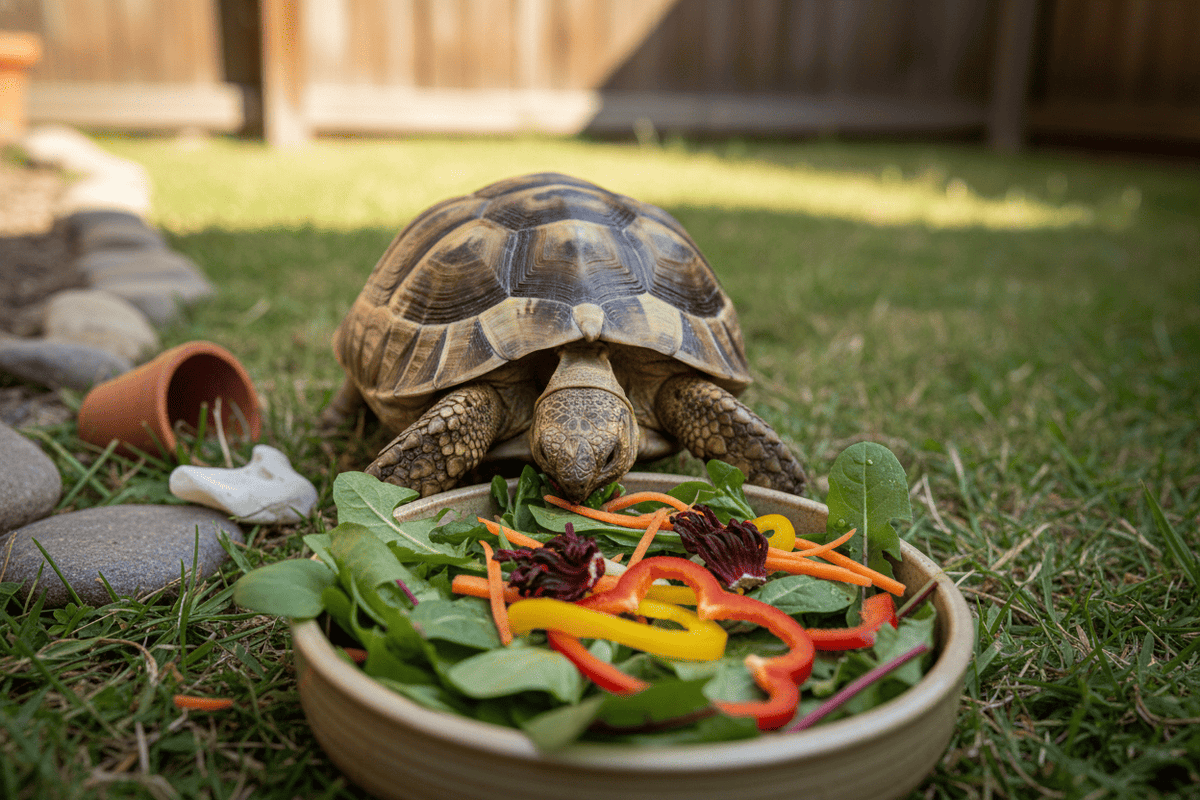
The cornerstone of complete tortoise nutrition lies in plant diversity. Wild tortoises consume dozens of different plant species throughout the year, providing a natural balance of nutrients that commercial diets alone cannot match.
For herbivorous tortoises (like Russian, Greek, or Sulcata varieties), aim for a diet consisting of:
- 80-90% dark, leafy greens and grasses
- 10-15% vegetables
- 5-10% fruits (as occasional treats)
Incorporate these staple greens into your tortoise's regular rotation:
- Dandelion greens (excellent calcium source)
- Collard greens
- Mustard greens
- Turnip greens
- Mulberry leaves
- Hibiscus leaves and flowers
Supplement with vegetables like:
- Bell peppers
- Squash
- Pumpkin
- Carrots (in moderation)
The key to complete tortoise nutrition is variety. Offering the same foods repeatedly can lead to nutritional imbalances, even if those foods are healthy options. Create a feeding calendar to ensure your tortoise receives different plant foods throughout the week.
For omnivorous species like Red-footed or Yellow-footed tortoises, incorporate small amounts of protein sources such as earthworms or soaked dog kibble once or twice monthly to complement their primarily plant-based diet.
Critical Vitamins and Minerals for Shell Integrity
Your tortoise's shell is primarily composed of bone covered by keratin scutes. Like all bone structures, shells require specific nutrients to maintain strength and prevent deformities such as pyramiding (abnormal upward growth of scutes) or soft shell syndrome.
Calcium-to-Phosphorus Ratio: The Shell Health Secret
The most critical nutritional factor for shell health is maintaining the proper calcium-to-phosphorus ratio. Tortoises require a Ca:P ratio of approximately 2:1 for optimal shell development.
Calcium sources for tortoises include:
- Calcium supplements (calcium carbonate powder)
- Cuttlebone (can be placed in the enclosure for voluntary consumption)
- Calcium-rich greens like dandelion, kale, and collard greens
However, simply providing calcium isn't enough. Vitamin D3 is essential for calcium absorption and utilization. While outdoor tortoises synthesize vitamin D3 through UVB exposure from sunlight, indoor tortoises need:
- Daily access to proper UVB lighting (replace bulbs every 6-12 months)
- Vitamin D3 supplements if outdoor time is limited
Other shell-supporting nutrients include:
-
Vitamin A: Supports keratin production for healthy scutes
- Found in orange and red vegetables like carrots and bell peppers
- Excess supplementation can be toxic; prioritize natural sources
-
Protein: Provides building blocks for tissue repair
- Should comprise 5-10% of diet for herbivorous species
- Higher levels (15-20%) for growing juveniles
-
Fiber: Essential for digestive health and nutrient absorption
- High-fiber greens support healthy gut flora
- Promotes proper digestion and prevents impaction
Complete tortoise nutrition means balancing these elements carefully. Over-supplementation can be as harmful as deficiencies, so consult with a reptile veterinarian before adding supplements to your tortoise's diet.
Seasonal Feeding Strategies for Optimal Health
Wild tortoises experience natural fluctuations in food availability throughout the year, and their bodies have evolved to accommodate these changes. Mimicking these natural patterns can support your pet's metabolic health and shell development.
Adjusting Nutrition Through Hibernation and Active Periods
For species that naturally hibernate (like Mediterranean tortoises), nutritional needs change dramatically throughout the year:
Spring (Post-hibernation)
- Focus on rehydration with water-rich foods
- Gradually increase calcium intake
- Provide protein-rich plants to support recovery
Summer (Peak Activity)
- Maximum food variety
- Consistent calcium supplementation
- Increased water content in foods during hot periods
Fall (Pre-hibernation)
- Gradually reduce protein content
- Increase fiber to clear digestive tract
- Maintain calcium levels to support shell during dormancy
Winter (Hibernation or Brumation)
- For non-hibernating species or those kept awake: reduce feeding frequency
- Maintain calcium supplementation but at lower levels
- Focus on fiber-rich foods to support slower metabolism
For tropical species that don't hibernate, seasonal adjustments should still reflect natural cycles with subtle changes in feeding frequency and composition throughout the year.
Water plays a crucial role in complete tortoise nutrition year-round. Even desert species need regular access to fresh water for drinking and soaking. During active periods, provide a shallow soaking dish that allows your tortoise to submerge partially, supporting hydration and helping with waste elimination.
Recognizing Shell Problems Related to Nutrition
Nutritional deficiencies often manifest visibly in a tortoise's shell. Learning to identify these signs early can prevent serious health complications:
-
Pyramiding: Raised, bumpy growth of scutes
- Often caused by excessive protein, inadequate calcium, or insufficient hydration
- More common in rapidly growing juveniles
-
Shell softness: Pliable areas in the shell
- Indicates severe calcium deficiency or metabolic bone disease
- Requires immediate veterinary attention
-
Irregular growth lines: Uneven spacing between scutes
- Suggests periods of nutritional stress or illness
- May indicate seasonal feeding adjustments are needed
-
Flaking or peeling scutes (beyond normal shedding)
- Can indicate vitamin A deficiency or dehydration
- May require dietary adjustments and increased humidity
Regular shell examinations should be part of your tortoise care routine. Take photos every few months to track shell development and consult a reptile veterinarian if you notice concerning changes.
Implementing Your Complete Tortoise Nutrition Plan
Creating a practical feeding schedule helps ensure your tortoise receives balanced nutrition:
- Establish a primary feeding area in the enclosure
- For most adult tortoises, feed once daily in the morning
- Remove uneaten fresh foods after 4-6 hours to prevent spoilage
- Provide calcium supplementation 2-3 times weekly
- Record which foods your tortoise prefers and which they avoid
- Weigh your tortoise monthly to track growth and health
Remember that juvenile tortoises require more frequent feeding (sometimes twice daily) and higher protein levels to support growth, while maintaining proper calcium levels to prevent shell deformities.
Your Investment in Tortoise Longevity
Implementing a complete tortoise nutrition plan is your best investment in your pet's shell health and longevity. The dietary choices you make today will shape your tortoise's development for decades to come, as many species can live 50-100 years with proper care.
Remember that dietary needs evolve as your tortoise grows, requiring regular assessment and adjustment. What works for a juvenile tortoise may not be appropriate for an adult, and seasonal adjustments should become part of your care routine.
Start enhancing your tortoise's diet today with our premium, nutritionally balanced tortoise foods designed specifically for shell support. Combined with a varied selection of fresh foods and appropriate supplements, you'll provide the foundation for a lifetime of health for your shelled companion.
Your tortoise's shell tells the story of their care. With complete tortoise nutrition, you're writing a success story that will be visible in every smooth growth line and healthy scute for years to come.

De Talis Us



Dejar un comentario
Este sitio está protegido por hCaptcha y se aplican la Política de privacidad de hCaptcha y los Términos del servicio.