


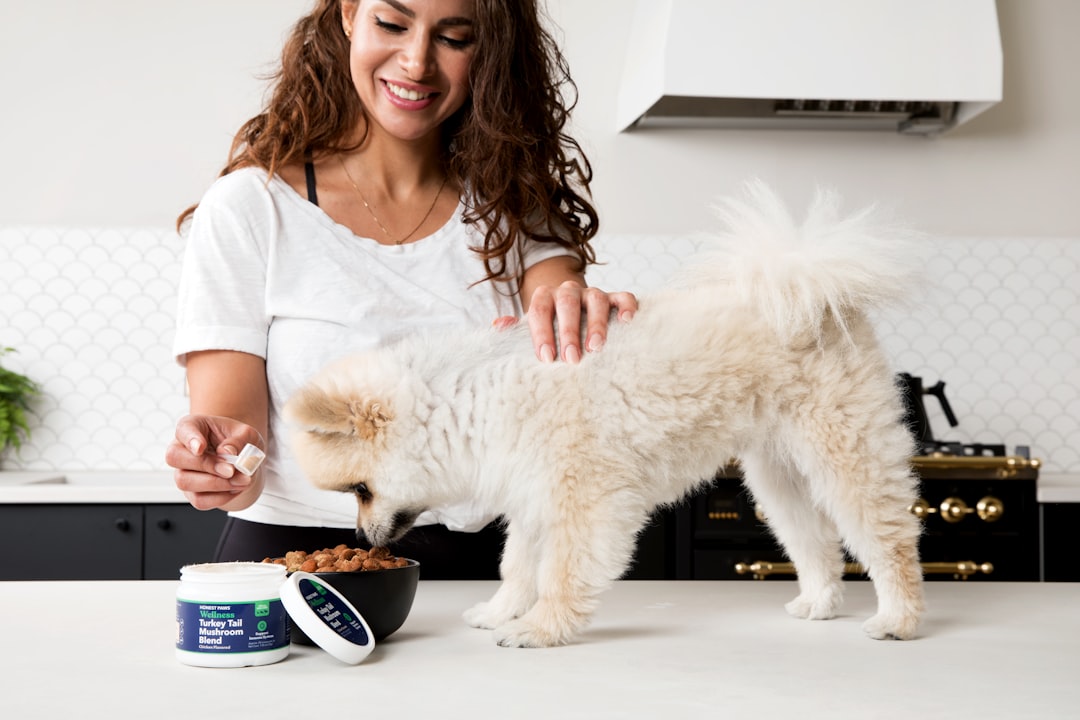
Dog Probiotics: Boost Digestive Health & Immunity
Benefits of Dog Probiotics for Health
Probiotics are gaining popularity among dog owners. These beneficial bacteria can significantly improve your dog's health. They support both digestive health and immune function.

Many dogs suffer from digestive issues like loose stools or constipation. Probiotics can help manage these problems effectively. They work by balancing the gut microbiome.

Probiotics are available in various forms, including powders and chews. Choosing the right type for your dog is crucial. It ensures they receive the maximum benefits.

Understanding the benefits of probiotics can lead to a healthier, happier dog. This article will guide you through the essentials of canine probiotics.
What Are Dog Probiotics?
Dog probiotics are live bacteria that are beneficial to your dog's health. They naturally occur in the gut and play a vital role in digestion. Their presence ensures that the gut microbiome stays balanced and healthy.

These friendly bacteria help break down food, aiding in nutrient absorption. They also fend off harmful bacteria and support the immune system. Without a balanced microbiome, dogs can suffer from various health issues.
Probiotics come in several forms to suit different needs:
- Powders, often sprinkled on food
- Capsules, easy to add to meals
- Chews, popular due to their taste and convenience
Choosing the right form depends on your dog's preferences and health requirements. Each dog is different, so it's essential to consider their specific needs.
Understanding what probiotics are helps you make informed decisions for your dog’s health. They can be an essential part of your pet's wellness plan.
How Probiotics Support Digestive Health in Dogs
Probiotics play a crucial role in maintaining your dog's digestive health. They help ensure the proper balance of good and bad bacteria in the gut. A balanced gut microbiome is essential for healthy digestion and nutrient absorption.

When the gut microbiome is balanced, it aids in alleviating common digestive issues. Probiotics can help reduce problems like diarrhea, constipation, and loose stools. These issues are often a sign of bacterial imbalance, which probiotics help to rectify.
The following are ways probiotics support digestive health:
- Enhance nutrient absorption by breaking down food particles
- Produce enzymes that aid digestion and boost gut health
- Reduce bloating and discomfort from indigestion
In addition, probiotics can help manage food sensitivities, providing relief for dogs with sensitive stomachs. By maintaining a healthy gut flora, they can also promote regular bowel movements, ensuring your pet's comfort.
Understanding how probiotics aid digestive health can empower you to improve your dog's overall well-being. Keep an eye on your dog's digestive health and consider probiotics as part of their diet strategy. This can be especially helpful for dogs recovering from antibiotic treatments that might have disrupted their gut balance.
Probiotics and Immune Support for Dogs
Probiotics not only support digestion but also play a key role in boosting your dog's immune system. Healthy gut flora contributes to a robust immune response, essential for warding off infections.

When probiotics enhance the gut microbiome, they also stimulate antibody production. Antibodies are crucial for protecting dogs against various diseases. A stronger immune system translates to fewer illnesses and quicker recovery.
Here are some ways probiotics support the immune system:
- Promote the production of immune-enhancing antibodies
- Support the activity of immune cells fighting infections
- Reduce inflammation that can weaken immune responses
Furthermore, studies suggest that probiotics can help reduce the severity of allergies and skin conditions. By decreasing inflammation, probiotics can alleviate symptoms associated with these health concerns.
Incorporating probiotics into your dog's routine can result in healthier and more energetic pets. Regular supplementation, alongside a balanced diet, can maximize health benefits and enhance your dog's quality of life. Consult with your vet for advice on using probiotics to bolster your dog's immune health.
Common Digestive Issues Helped by Probiotics
Dogs often suffer from various digestive issues that probiotics can help alleviate. A balanced gut microbiome is crucial for digestive health, preventing problems like diarrhea and constipation.
Probiotics offer a natural way to manage loose stools. These beneficial bacteria help stabilize stool consistency, making digestive disruptions less frequent. Moreover, they can mitigate the symptoms of chronic digestive disorders in dogs, providing much-needed relief.

Digestive problems that probiotics can assist with include:
- Diarrhea and loose stools
- Constipation and difficult bowel movements
- Chronic digestive disorders like inflammatory bowel disease (IBD)
Apart from correcting digestion, probiotics can aid in reducing symptoms of food sensitivities. They may help pets process different foods more effectively, minimizing dietary upset. Incorporating probiotics in a dog’s diet can significantly improve their comfort and overall health. Always consider consulting your veterinarian for personalized advice.
Types of Dog Probiotics: Powders, Chews, and More
Dog probiotics come in various forms, catering to different preferences and needs. Each type offers unique benefits, making it important to choose the right one for your pet.
Powders are a versatile option, allowing for easy mixing with dog food. They offer controlled dosing and can be simple to administer. On the other hand, probiotic chews for dogs provide a palatable and convenient option, often flavored to appeal to picky eaters.

Here's a closer look at the common types:
- Powders: Easy to mix with food; customizable dosing.
- Chews: Tasty and convenient; great for picky dogs.
- Capsules: Accurate dosage; can be hidden in food.
These varieties ensure that every dog’s unique needs are met. When selecting a type, consider your dog's eating habits and specific health requirements. Choosing the right form can make a significant difference in the effectiveness of the probiotics.
Choosing the Right Probiotic for Your Dog
Selecting the right probiotic for your dog can be crucial to achieving desired health benefits. Not all probiotics are created equal, so make an informed choice based on your dog's needs.
Consider the strain and formulation when evaluating products. Different strains can address various health concerns, from gut health to immune support. Always look for a product with a high CFU count, as potency is key.
Here are essential factors to consider:
- Strain: Different strains suit different health needs.
- CFU Count: Higher counts typically mean more potency.
- Formulation: Choose based on your dog's specific issues.
Consulting with your vet can provide personalized recommendations. They know your dog's health history and can suggest suitable options. This ensures the probiotic you choose aligns with your pet's overall wellness plan. By considering these factors, you can choose a probiotic that effectively promotes your dog's well-being.
Visbiome and Other Leading Probiotic Brands
Visbiome is a well-regarded brand known for its high potency and effective formulations. It offers probiotics designed specifically for canine digestive health.
Selecting a reputable brand is important when investing in probiotics. Products such as Visbiome often undergo rigorous testing to ensure quality and efficacy.
Here are some other notable brands:
- Visbiome: Known for its high CFU count.
- Purina FortiFlora: Popular for sensitive stomachs.
- Nutramax Proviable: Offers a multi-strain approach.
Each brand has unique features tailored to different needs. Exploring the options available can help you decide what's best for your dog. Consider factors such as strain diversity and manufacturing standards. Reading product labels and user reviews can also provide valuable insights. Making an informed decision ensures your pet receives the maximum health benefits.
Probiotics in Dog Food for Loose Stools and Sensitive Stomachs
Probiotics can be a beneficial addition to dog food. They're especially useful for dogs with loose stools or sensitive stomachs. Including probiotics in dog food can help balance gut bacteria and improve digestion.

Many dog food brands now incorporate probiotics into their formulations. Some popular options include:
- Hill's Science Diet: Known for digestive care.
- Royal Canin: Offers formulas for sensitive stomachs.
- Blue Buffalo: Emphasizes natural ingredients.
When choosing dog food with probiotics, consider your dog’s specific needs. Look for foods specifically labeled for digestive health or sensitive stomachs. This ensures that the product is designed to address these concerns. Switching to a probiotic-rich diet can be a simple yet effective way to enhance your dog's overall well-being.
Safety, Side Effects, and When to Consult a Vet
Probiotics are generally safe for most dogs. However, monitoring your pet's reaction is crucial. Some dogs may experience mild side effects.

Common side effects can include:
- Temporary bloating or gas
- Mild digestive upset
- Changes in stool consistency
If you notice prolonged side effects or if your dog's condition worsens, stop the probiotic and consult your vet promptly. It's always advisable to consult a veterinarian before introducing new supplements. This is particularly important for dogs with underlying health issues. A vet can guide you on appropriate types and dosages, ensuring the probiotics will benefit your pet. Taking these precautions can help manage risks and ensure your dog's well-being.
Tips for Introducing Probiotics to Your Dog’s Diet
Introducing probiotics to your dog's diet should be done gradually to minimize digestive upset. Start with a small amount and observe your dog's response.
Here are some tips:
- Mix probiotics with food for easy intake
- Choose palatable forms like chews
- Increase dosage gradually over a week
Monitoring your pet's behavior and digestion is crucial. If everything seems fine, continue to gradually increase the dosage. Remember, each dog is unique. Adjust the probiotic regimen based on your dog's specific needs and response.
Conclusion: The Long-Term Benefits of Canine Probiotics
Probiotics offer a wide range of benefits for dogs, from enhancing digestive health to boosting the immune system. They provide both immediate relief for certain issues and long-term health advantages.
Incorporating probiotics into your dog's diet can lead to improved overall well-being and vitality. By supporting a balanced gut microbiome, probiotics contribute to a healthier, happier pet. For best results, tailor the choice and dosage to fit your dog's unique needs and keep track of their health improvements over time.

De Talis Us




Dejar un comentario
Este sitio está protegido por hCaptcha y se aplican la Política de privacidad de hCaptcha y los Términos del servicio.