


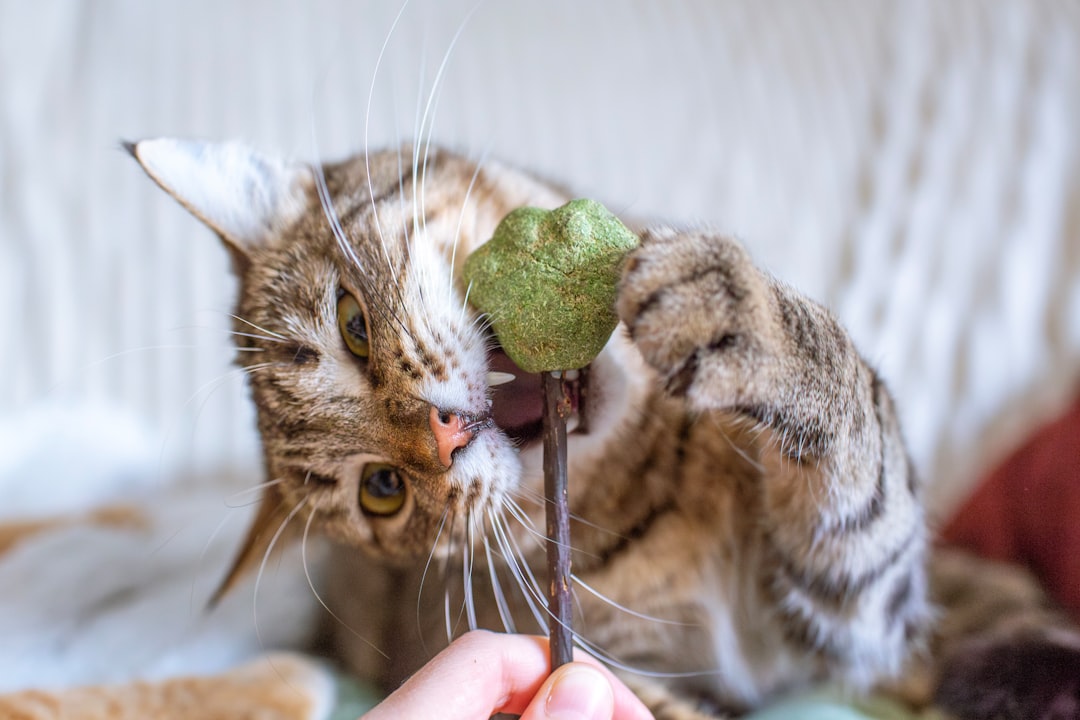
Catnip & Pet Grass Collection: Top 5 Varieties for Feline Joy
Top 5 Catnip Varieties for Cats
Every cat owner loves seeing their feline friend thrive. From the ecstatic zoomies triggered by a fresh toy to the peaceful, rumbling purrs of a contented lap cat, a happy feline makes for a happy home. However, comprehensive feline wellness requires a holistic approach. It is not just about environmental enrichment—like discovering the perfect herbs to stimulate their senses—but also about prioritizing internal digestive health.
In this comprehensive guide, we will bridge the gap between external sensory joy and internal gastrointestinal wellness. We will begin by exploring the most stimulating plants you can offer your feline, dive into the benefits of indoor grazing, and ultimately explore advanced internal support systems, including top-tier options like fortiflora for cats.

Sensory Bliss: The Top 5 Catnip Varieties and Alternatives
When we talk about enriching a cat's indoor environment, scent stimulation is at the top of the list. While "catnip" is a catch-all term, there is a whole world of euphoric plants out there. Here are the top five varieties and alternatives to keep your kitty thoroughly entertained:
1. Common Catnip (Nepeta cataria)
This is the classic, potent herb that most pet parents are familiar with. The active compound, nepetalactone, binds to the olfactory receptors in a cat's nose, producing a temporary state of euphoria. Whether dried and stuffed into a plush mouse or grown fresh in a sunny windowsill, common catnip is a staple for encouraging play and exercise.
2. Lemon Catnip (Nepeta cataria citriodora)
A delightful variation of the common herb, lemon catnip offers the same euphoric effects for your cat but provides a refreshing, citrusy aroma for your home. It tends to grow vigorously and is a fantastic option if you prefer a less musky scent in your indoor garden.
3. Silver Vine (Actinidia polygama)
Did you know that roughly one in three cats does not possess the genetic trait required to respond to traditional catnip? If your cat turns their nose up at the classic herb, Silver Vine is the ultimate alternative. Native to the mountainous regions of Eastern Asia, it contains multiple attractants, making it highly effective even for "catnip-immune" felines.
4. Valerian Root (Valeriana officinalis)
While humans often use valerian root as a mild sleep aid, it has the exact opposite effect on domestic cats. The pungent, earthy aroma of valerian acts as a powerful stimulant, encouraging lethargic cats to jump, pounce, and play.
5. Tatarian Honeysuckle (Lonicera tatarica)
The wood of the Tatarian honeysuckle bush is another fantastic olfactory stimulant. Usually offered in the form of small, safe wooden chew sticks, honeysuckle is particularly beloved by cats who enjoy chewing or rubbing their faces on textured surfaces.
Bringing the Outdoors In: The World of Cat Grass
Beyond olfactory stimulation, felines have a natural instinct to chew on fresh vegetation. If you have ever asked yourself, "cat grass what is it, exactly?", you are certainly not alone. Cat grass is not a single specific species of plant; rather, it is a broad term used for a collection of grasses grown indoors specifically for pets to safely consume.
The Benefits of Indoor Grazing
Is cat grass good for cats? The resounding veterinary answer is yes. In the wild, cats consume grass for a variety of evolutionary reasons. It provides trace amounts of folic acid (a necessary vitamin for feline bodily functions), acts as a mild laxative to help pass hairballs, and provides a safe outlet for their chewing instincts, keeping them away from potentially toxic houseplants.
When exploring the best options, wheatgrass for cats is widely considered the premier choice. It is packed with chlorophyll, vitamins, and minerals. Oat, barley, and rye grasses are also excellent options that are tender and sweet-tasting to felines.
How to Grow Your Own Feline Garden
Cultivating an indoor grazing patch is surprisingly simple:
- Select Quality Seeds: Start by purchasing a high-quality cat grass seed packet. If you are buying a mixture of cat seeds, grass varieties like oat, wheat, and barley will offer a great textural variety.
- Planting: Soak the seeds overnight to speed up germination, then plant them shallowly in organic, fertilizer-free potting soil.
- Watch It Grow: Keep the soil moist but not waterlogged. Within just a few days, you will see bright green cat grass seedlings pushing through the soil.
- Harvesting: Once the grass reaches about four inches tall, present the pot to your cat and let them enjoy their personal salad bar!

From Environmental Enrichment to Internal Wellness
While nibbling on fresh, fibrous greens naturally aids a cat's digestive transit, superficial fiber is sometimes not enough. Factors like dietary changes, environmental stress, aging, or underlying medical conditions can wreak havoc on a cat's delicate gut microbiome.
When your cat transitions from needing a simple hairball remedy to requiring serious gastrointestinal support, it is time to look toward science-backed feline gastrointestinal health supplements. This is where the power of probiotics comes into play, serving as the internal foundation for a long, healthy life.
The Gold Standard in Gut Health: FortiFlora
To maintain a truly healthy digestive tract, balancing feline intestinal microflora is absolutely critical. A healthy gut is populated by billions of beneficial bacteria that aid in digestion, nutrient absorption, and immune function. When that balance is disrupted, bad bacteria can take over, leading to distress.
One of the most veterinary-recommended solutions on the market belongs to the Purina Pro Plan Veterinary Supplements line. Specifically, fortiflora for cats has become the gold standard for restoring gut harmony.
The secret behind its efficacy is its primary active ingredient. Researching the Enterococcus faecium SF68 benefits for felines reveals that this specific, proprietary strain of bacteria is incredibly resilient. It is microencapsulated, meaning it survives the harsh, acidic environment of the cat's stomach to arrive alive in the intestines, where it successfully colonizes and pushes out harmful pathogens.

Tackling Tummy Troubles: Diarrhea, IBD, and Antibiotics
Probiotics are not just for daily maintenance; they are powerful clinical tools for managing specific veterinary ailments.
Resolving Acute and Chronic Diarrhea
If you are dealing with a cat suffering from a sudden bout of gastrointestinal upset, finding an effective cat probiotic powder for diarrhea is essential. By flooding the digestive tract with beneficial bacteria, supplements like FortiFlora quickly firm up stools. For pet parents tasked with managing cat chronic loose stools due to stress, dietary indiscretions, or food sensitivities, a daily probiotic can mean the difference between a messy litter box and a happy, comfortable cat.
Supporting Cats with IBD
Inflammatory Bowel Disease (IBD) is an incredibly complex and frustrating condition for both cats and their owners. If you look at any comprehensive feline probiotic comparison guide, you will see that strains boasting high survivability rates (like Enterococcus faecium SF68) are consistently ranked among the best probiotics for cats with IBD. While probiotics cannot cure IBD, they significantly reduce intestinal inflammation and help modulate the local immune system, providing much-needed relief.
The Antibiotic Dilemma
While antibiotics are life-saving medications, they are completely indiscriminate. They wipe out the bad bacteria causing your cat's infection, but they also destroy the healthy flora in the gut. Using probiotics for cats on antibiotics is highly recommended to prevent secondary diarrhea and help rebuild the microbiome after the medication course is finished. (Pro Tip: Always administer the probiotic a few hours after the antibiotic dose to ensure the medication doesn't immediately neutralize the good bacteria!)
Safe Administration: Kittens, Seniors, and Picky Eaters
A common concern among pet owners involves feline probiotic side effects and safety. Fortunately, high-quality, clinically tested probiotics are remarkably gentle. Adverse reactions are exceedingly rare, making them completely safe probiotics for kittens and seniors whose digestive tracts might be particularly fragile.
Dosage and Serving Suggestions
The recommended dosage for cat digestive health sachets is wonderfully simple: generally, one sachet per day, regardless of the cat’s size or age.
If you are wondering how to mix probiotics with cat food, it couldn't be easier. Simply tear open the packet and sprinkle the powder directly over your cat’s meal. You can mix it into wet food pâté, blend it with a creamy treat, or dust it lightly over dry kibble.
A Secret Weapon for Picky Eaters
One of the most fascinating "side effects" of high-quality probiotic powders is their palatability. Many formulas feature a base of animal digest or savory liver flavoring. Because of this irresistible taste, many veterinarians actually recommend using these powders for improving cat appetite with nutritional supplements. If you have a senior cat who is losing their appetite, or a sick feline turning their nose up at prescription diets, a light dusting of a savory probiotic powder often acts as the perfect appetite stimulant.

The Waiting Game: Efficacy and Expectations
When starting a new supplement regimen, pet owners naturally want to know: how long for feline probiotics to work?
The timeline largely depends on the underlying issue. For acute, stress-induced diarrhea (such as the upset a cat might experience after moving to a new house or visiting the vet), you may notice significantly firmer stools within 48 to 72 hours. However, if you are working to rebuild a severely compromised microbiome, recovering from a long course of antibiotics, or managing a chronic condition like IBD, it typically takes 2 to 4 weeks of consistent, daily use to see optimal, long-lasting results. Patience and consistency are key.
Conclusion
Providing a vibrant, fulfilling life for your feline companion requires looking at the whole picture. By fulfilling their natural instincts through sensory enrichment with top-tier catnip varieties and fresh, crunchy cat grass, you stimulate their minds and satisfy their natural foraging behaviors.
Pairing this outward enrichment with advanced internal care—utilizing targeted, scientifically backed gastrointestinal supplements—ensures that your cat absorbs the nutrients they need while feeling their absolute best. Whether they are playfully pouncing on a catnip toy or peacefully digesting their dinner, a holistic approach to feline husbandry guarantees a happier, healthier life for your best friend.

De Talis Us



Dejar un comentario
Este sitio está protegido por hCaptcha y se aplican la Política de privacidad de hCaptcha y los Términos del servicio.