


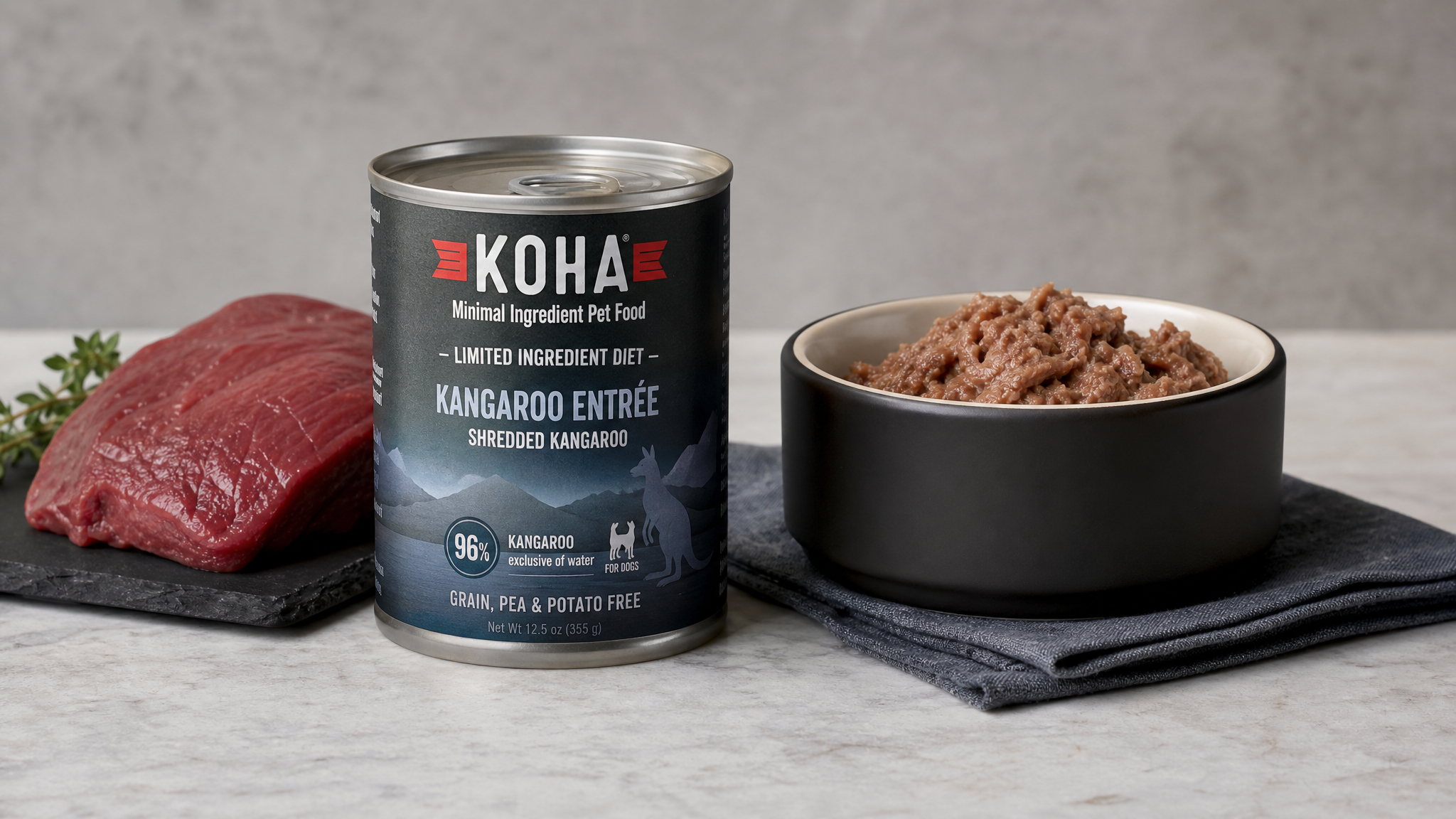
Best Vet-Recommended Limited Ingredient Dog Foods
Digestive upset, itchy skin, and chronic ear infections send many dog owners searching for a simpler way to feed. A limited ingredient diet strips things down to just one protein and one or two carbohydrate sources, making it easier to identify what a dog can tolerate. That’s why veterinarians often bring up these formulas when talking about food sensitivities—not as a cure, but as a practical first step toward calmer digestion and clearer skin.
What shows up on a vet’s short list varies by the dog in front of them, but certain patterns repeat. In reviews and vet-considered roundups from Dog Food Advisor, Canine Bible, and Dogster, the same handful of criteria surface again and again: a single animal protein, a tight ingredient panel, and a clear AAFCO statement. The picks below come from those conversations, not from a universal prescription.
What Defines a Vet-Recommended Limited Ingredient Dog Food?
At its core, a limited ingredient diet (LID) is built around one animal protein and a short list of carbohydrates and fats, reducing the number of potential triggers a dog’s immune system has to navigate. The goal isn’t to make food hypoallergenic—it’s to give an owner and their vet a cleaner slate for an elimination trial or long-term management of food sensitivities. According to Canine Bible’s comparison, this stands apart from hydrolyzed protein diets, where proteins are broken into fragments too small to provoke an immune response; those are typically reserved for severe allergies or inflammatory bowel disease.
Veterinarians who mention LIDs in the sources cited often look for the AAFCO complete-and-balanced statement and, when relevant, alignment with WSAVA manufacturing guidelines. But a food landing on a “vet-recommended” list doesn’t mean every practitioner endorses it. A dog with a history of chronic loose stools might do beautifully on a single-novel-protein recipe, while another simply needs a grain-inclusive formula with fewer legumes. The recommendation is always individual, and these foods are starting points, not guarantees.
Key Buying Criteria for Limited Ingredient Dog Food
When you scan the label, start with the protein source. Single-source animal protein—think lamb, kangaroo, or pollock—keeps the ingredient panel lean and makes it easier to spot what works. AAFCO nutritional adequacy for the dog’s life stage is non-negotiable; without it, even the simplest recipe may lack essential nutrients. Fat-to-protein ratios matter too. For example, some formulas push protein around 35% on a dry matter basis (Zignature Turkey) while others sit closer to 20% (Rachael Ray Nutrish). Neither number is right for every dog, but a higher-protein, moderate-fat profile can support muscle maintenance in active adults, while a lower-protein option might suit a senior couch potato.
Another factor the FDA investigation has put on the radar is the inclusion of peas and other legumes in grain-free formulas. The link to dilated cardiomyopathy (DCM) remains under study, but many owners now seek out grain-inclusive limited ingredient recipes or those without peas. The Open Farm Digestive Health recipe, for one, uses oats instead. Manufacturing transparency also weighs in: companies that meet WSAVA guidelines for nutrient analysis and quality control, or that employ a veterinary nutritionist, give you more than a clean label—they give you a track record. Still, no spreadsheet can replace a 10-week elimination diet observed carefully with your vet.
Top Vet-Recommended Limited Ingredient Dog Foods
The following picks represent a range of formats and protein sources that veterinarians frequently mention in discussions about LIDs. Each one matches a different practical need—some for novel proteins, some for gut support, some for picky eaters—and each comes with its own source-reported strength and caveat. A comparison table breaks them down before we walk through each in detail.
| Product | Best For | Source-Reported Strength | Caveat |
|---|---|---|---|
| KOHA Limited Ingredient Kangaroo Entrée | Novel protein sensitivity | Single-source kangaroo protein, no poultry or beef | Wet format may not suit dogs that prefer kibble |
| Open Farm Digestive Health Pollock & Oatmeal | Gut and joint support | Grain-inclusive with omega-rich pollock and prebiotic fibers | — |
| Nom Nom Pork Potluck Recipe | Picky eaters wanting fresh, human-grade food | Formulated by a veterinary nutritionist, meets AAFCO all-life-stages | Subscription model; requires refrigeration |
| ACANA Wholesome Grains Lamb & Pumpkin | High-protein kibble with grains | Limited main ingredients, no peas, high meat content | — |
| The Honest Kitchen Dehydrated LID Recipes | Nutrient-preserving dehydrated food | Only 6 human-grade ingredients, 4x weight yield rehydrated | Requires rehydration prep |
KOHA Limited Ingredient Diet Kangaroo Entrée – For Novel Protein Sensitivity
Kangaroo isn’t the first protein most dogs encounter, and that’s the point. This KOHA Limited Ingredient Diet Kangaroo Entrée uses a single novel protein that rarely triggers the immune reactions linked to poultry or beef. As a wet food, it’s easy to eat and packed with moisture, which can be a quiet advantage for dogs that don’t drink enough water on their own.
The ingredient list stays tight—kangaroo and a few supporting components—so there’s little for a sensitive stomach to object to. Owners often reach for it when an elimination diet rules out common proteins, but it’s also a convenient rotational option for dogs that simply do better on variety. The one practical note: if your dog prefers crunch, you’ll need to use this as a topper rather than a standalone meal.
Open Farm Digestive Health Wild Alaskan Pollock & Oatmeal Recipe – For Gut and Joint Support
Where many limited ingredient kibbles lean heavily on legumes, this Open Farm formula builds its foundation on oatmeal and pumpkin. That matters in the context of the DCM investigation, because there are no peas anywhere in the recipe. Wild-caught pollock supplies the single animal protein, along with omega-3 fatty acids that may support skin, coat, and joint comfort—a practical overlap for older dogs or those with creaky mornings.
The fiber blend of pumpkin and oats can help firm up stools in ways that highly processed diets sometimes don’t. Dog Food Advisor’s review notes the ingredient quality and the brand’s traceability efforts, which lend credibility to the sourcing. It’s not a prescription diet, but for a dog with a tender digestive system and a need for joint-friendly nutrition, this grain-inclusive LID hits a sweet spot that many grain-free options miss.
Nom Nom Pork Potluck Recipe – Fresh, Human-Grade for Picky Eaters
Fresh food turns limited ingredient into an event. Nom Nom’s Pork Potluck Recipe arrives pre-portioned, with pork as the lone animal protein and a lineup of human-grade vegetables and vitamins. A veterinary nutritionist formulates each batch, and the recipe meets AAFCO standards for all life stages—useful for multi-dog homes where age ranges differ.
Picky eaters often respond to the moisture and aroma of fresh meals in a way kibble can’t match. The trade-off is the subscription model and refrigerator space it demands, plus the short shelf life once opened. But for owners willing to trade convenience for palatability, this is an option that doesn’t feel like a compromise. It’s a reminder that simple can still feel special to a dog, not just functional.
ACANA Wholesome Grains Lamb & Pumpkin Recipe – High-Protein Kibble with Grains
ACANA’s Wholesome Grains line takes the brand’s high-meat-content philosophy and pairs it with oats and sorghum instead of legumes. Lamb and pumpkin headline a formula that keeps the main ingredient count low, which fits the limited ingredient premise even if it’s not marketed as a strict LID. The protein level, according to source-reported specs, leans high—typical of ACANA’s reputation for dense nutrition.
No peas or lentils in the bag means one less variable for owners who worry about the DCM link but still want a crunchy kibble. The grain inclusion also makes this an easy switch from grain-free products without sacrificing the meat-forward profile many dogs thrive on. It won’t be the answer for every sensitive stomach, but for active dogs with a clean bill of health and a need for simple, grain-inclusive nutrition, it’s a strong contender.
The Honest Kitchen Dehydrated Limited Ingredient Recipes – Nutrient-Preserving Dehydrated Food
Dehydration uses low temperatures over time, which, compared to high-heat extrusion, can retain more of the nutrients naturally present in raw ingredients. The Honest Kitchen’s limited ingredient lineup contains just six human-grade ingredients—a count so low that it’s almost an antithesis to the long panels on most dry foods. When rehydrated, the food yields about four times its dry weight, making it surprisingly economical per meal.
The process also sidesteps the structural damage that high temperatures can inflict on proteins and fats. Dogster’s coverage notes that dehydrated foods often preserve nutrient integrity better than standard kibble. Practically, that means you’re adding water before serving, which takes a moment but adds moisture that can benefit dogs prone to urinary issues. It’s not a grab-and-go option, but for people who prep meals in advance, it’s a way to deliver simple ingredients without the freezer burn of raw.
Matching the Food to Your Dog's Health Profile
A novel protein like kangaroo or pollock makes the most sense when the dog has reacted to chicken or beef. If food sensitivity is the primary concern, start there. But the grain-free question complicates the picture. The ongoing FDA investigation into peas and DCM has pushed many owners toward grain-inclusive LIDs, yet some dogs with specific carbohydrate intolerances do better without grains. No single answer covers both bases, which is why a veterinarian’s input is essential before making the switch—especially if the dog is already on a prescription diet like Hill’s d/d.
An elimination diet trial remains the gold standard for identifying triggers. That means feeding one limited ingredient food exclusively for 8-12 weeks and watching for changes in stool quality, ear discharge, or skin redness. Blood and saliva tests for food allergies are generally unreliable, so observation is your real tool. During that period, even a small treat can muddy the results. Afterward, you’ll have data, not guesswork, and you can choose an AAFCO-appropriate formula for the dog’s life stage—puppy, adult, or senior—that keeps the digestive peace without unnecessary ingredients.
Frequently Asked Questions About Limited Ingredient Dog Food
What’s the difference between limited ingredient and grain-free dog food?
A limited ingredient diet reduces the total number of ingredients to lower exposure to potential allergens, while grain-free food eliminates grains but may still use many different proteins and vegetables. An LID can be grain-inclusive or grain-free—it’s about simplicity. The FDA’s DCM investigation focuses on grain-free formulas heavy in peas, not on limited ingredient diets as a category.
Are limited ingredient diets only for dogs with allergies?
No. They are primarily used to manage food sensitivities, but some owners choose them for ingredient transparency and to avoid artificial additives. A healthy dog may do fine on a standard diet; an LID isn’t necessary unless symptoms point to reactivity. It’s a functional choice, not a purity badge.
How do I know if my dog needs a limited ingredient diet?
Chronic loose stools, recurrent ear infections, and persistent itching are the common flags. If you’re seeing a pattern, an elimination diet trial under veterinary supervision can confirm whether food is the culprit. Skip the blood and saliva tests for food allergies—they’re not dependable for this purpose.
Can I switch between different limited ingredient dog foods?
Yes, but transition gradually over 7-10 days to avoid digestive upset. Rotating proteins every few months can also help prevent new sensitivities from forming. However, even limited ingredient recipes can cause issues with a sudden swap, so pace the change and watch your dog’s response.

De Talis Us


Dejar un comentario
Este sitio está protegido por hCaptcha y se aplican la Política de privacidad de hCaptcha y los Términos del servicio.