


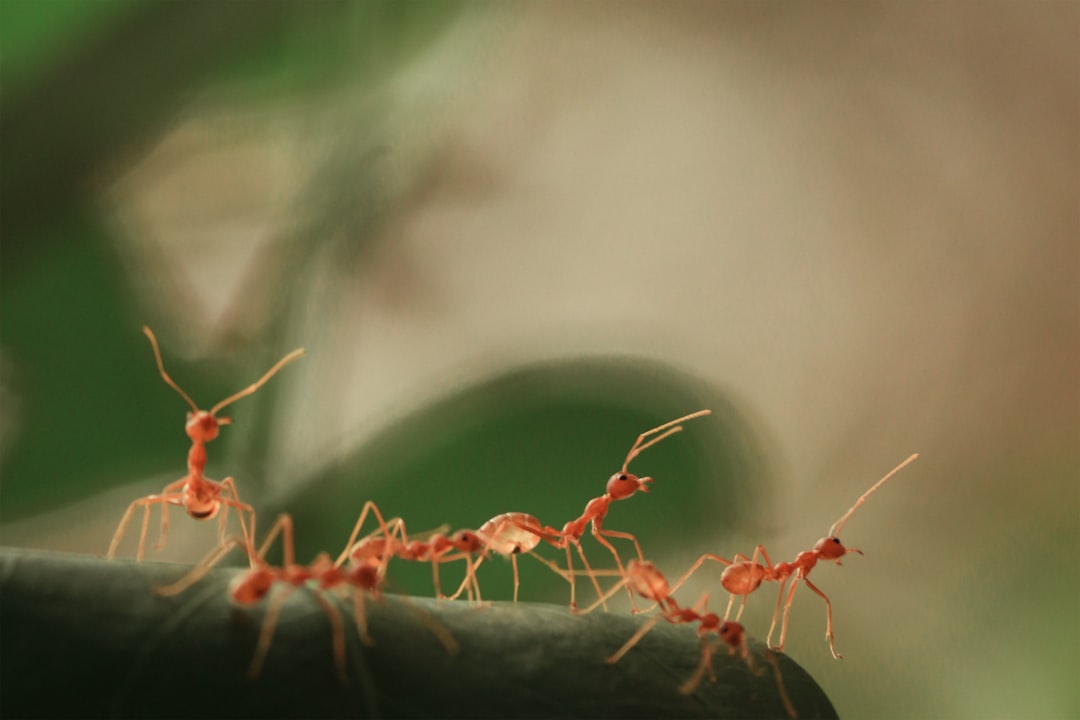
Best Ant-Keeping Starter Kit: A Beginner's Complete Guide
Best Ant-Keeping Starter Kit: A Beginner's Complete Guide
A complete ant-keeping starter kit for beginners needs five components: a test tube setup for the queen's founding stage, an outworld (foraging arena) for when workers emerge, a solid formicarium to move into as the colony grows, an escape barrier like Fluon or talcum powder, and a food source covering both protein and liquid sugar. Everything else is optional. Get these five right and the colony can grow from a single queen to hundreds of workers without a single product change in the first several months.
Table of Contents
The Five Components Every Starter Kit Needs
| Component | Purpose | Notes |
|---|---|---|
| Test tube setup | Founding chamber for the queen | Self-regulates humidity for 3–5 months; best founding environment available |
| Outworld (foraging arena) | Feeding zone once workers emerge | Keeps food waste out of the nest; connects to test tube via vinyl tubing |
| Escape barrier | Prevents ants from leaving the outworld | Fluon (PTFE liquid) or talcum powder applied to the container walls |
| Formicarium | Long-term colony home once colony outgrows the tube | Acrylic or gypsum with pre-formed chambers; not gel, not basic sand |
| Food: protein + sugar | Colony nutrition | Pre-killed fruit flies or crickets for protein; sugar water or honey water for energy |
Source: Stateside Ants Colony Care Guide; AntsCanada Starting Your Colony
What to skip: Gel ant farms and basic sand farms are not appropriate for long-term colony keeping. According to Stateside Ants, the sugar content in gel farms is harmful to colonies, and sand farms carry collapse and dehydration risks. Most cheap plastic kits on major retail marketplaces fall into this category. Search for "formicarium" rather than "ant farm" to find setups built for long-term keeping with a queen.
Best Beginner Ant Species
Species selection is the most consequential first decision in ant keeping. Beginners should prioritize docile temperament, manageable growth rate, and environmental conditions that are easy to replicate at room temperature. Per Ant-Shack's beginner species guide:
| Species | Common Name | Temperament | Growth Rate | Special Requirements |
|---|---|---|---|---|
| Lasius niger | Black Garden Ant | Docile | Moderate | None; thrives at room temp |
| Formica fusca | Silky Ant | Non-aggressive | Moderate | Prefers slightly cooler conditions |
| Camponotus pennsylvanicus | Carpenter Ant | Docile | Slower | Larger enclosure; slightly higher humidity |
All three are considered hardy, observable, and forgiving for new keepers. Lasius niger is the most widely recommended starting species — low-maintenance, active, and visually engaging without requiring specialized equipment.
One firm rule: Never introduce ants from outside the colony, even of the same species. Ants only cooperate with colony members and will fight or kill introduced individuals.
The Founding Stage: What Actually Happens
After a nuptial flight (the annual mass mating event where winged queens and males emerge), a mated queen sheds her wings and begins founding a colony alone. This is called the founding stage, and it is where most beginner mistakes occur.
There are two founding types, and which applies to your queen determines how you care for her:
Fully Claustral Founding (most common)
The queen seals herself in a small chamber and raises her first workers entirely off her own fat reserves — specifically by metabolizing the muscle tissue from her now-shed wings. According to Stateside Ants:
-
Do not feed a fully claustral queen during founding
-
Do not disturb the test tube more than once or twice per week — stress can cause her to consume her own eggs and larvae
-
Do not move her into a larger setup before workers emerge
-
Keep the test tube covered and in a quiet, dark location
The test tube provides self-regulating humidity via a water reservoir sealed with cotton — according to Best Ants UK, a properly set-up test tube maintains suitable humidity for 3–5 months with minimal intervention.
Semi-Claustral Founding (less common)
These queens cannot raise their first generation on fat reserves alone and must forage for food. During this stage:
-
Offer small protein portions (pre-killed fruit flies work well) before larvae appear
-
Once larvae are visible, increase protein offerings
-
Sugars (honey water or sugar water) should also be available
-
Remove uneaten food within 24–48 hours to prevent mold
How to tell which type your queen is: Check the species listing where you purchased your queen. If founding type is not listed, she is almost certainly fully claustral — the most common founding method. Social parasitism, the third founding method, is not suitable for beginners.
Feeding Your Colony
Once the first workers (called nanitics) emerge, feeding begins. All ant colonies need two nutritional categories: protein for larval development and sugars for adult worker energy. According to Stateside Ants:
Protein sources (pre-kill before offering):
-
Fruit flies — ideal for small, young colonies
-
Crickets — suitable as colony grows
-
Mealworms or superworms
-
Cockroaches
-
Table scraps (less nutritious than insects, but usable for larger colonies)
Sugar sources:
-
Sugar water (mix sugar and water; offer in tiny drops — ants can drown in oversized drops)
-
Honey water
-
Liquid feeders (recommended as colony grows; more hygienic and controllable than open drops)
Feeding frequency: At least twice per week in the early stages. A useful rule of thumb from Stateside Ants: match the protein volume to the visible brood pile — offer an amount of food that would roughly cover the pile of eggs, larvae, and pupae in the nest. Remove any uneaten food within 1–2 days to prevent mold, which can be fatal to small colonies.
Granivorous species (seed harvesters like Pogonomyrmex californicus) use seeds as their carbohydrate source instead of liquid sugars. Suitable seeds include Kentucky Bluegrass, dandelion, chia, and crushed almonds. These species still require protein.
Heating and Diapause
Heat accelerates colony growth for most species. Some species will not grow at all without supplemental heat. Heating options include:
-
Heating cables — laid along one side of the nest to create a thermal gradient
-
Heating mats — position so only part of the nest sits on the mat; avoid placing heat near the water reservoir to prevent flooding
-
Space heaters or incubators — more consistent but require conservative settings
Always create a heat gradient rather than heating the entire setup uniformly, so ants can move to cooler areas if needed. If ants are clustering away from the heat source, the temperature is too high.
Diapause (seasonal dormancy) is required by many temperate species to continue healthy growth. Signs that a colony is ready for diapause include reduced activity and a drop in brood count. During diapause:
-
Cool ants to approximately 38–42°F using a mini fridge, wine cooler, or cool garage (ensure it does not drop below freezing)
-
Duration: typically 2–4 months, depending on species
-
Do not feed during diapause
-
Feed a large amount before entering diapause and again immediately after
Not all species require diapause — check the species information for your specific colony before attempting it.
When to Upgrade from Test Tube to Formicarium
The most common beginner error is moving a colony too early. According to Best Ants UK, premature moves can cause:
-
Queens to stop laying eggs
-
Workers to emerge crippled from stress
-
Mold problems from the expanded surface area
Move to a formicarium when:
-
The colony has 10–25 workers (smaller docile species) or 20–50 workers (larger species like Camponotus)
-
The test tube is visibly crowded and the ants are actively searching for more space
-
The colony is feeding consistently and the queen is still laying
Use the light method to encourage a smooth move: attach the new formicarium via tubing, keep it dark, and expose the old test tube to light. Ants will relocate naturally within minutes to hours, though some colonies take longer.
Mistakes That Kill Colonies in the First Month
| Mistake | Why It's Harmful |
|---|---|
| Using a gel ant farm | Sugar content harmful to colonies; no proper humidity control |
| Feeding a fully claustral queen | Stresses the queen; may cause her to eat her own brood |
| Moving queen before workers emerge | Queen separated from ideal humidity and security; likely fatal |
| Disturbing the test tube daily | Stress causes brood consumption and failed founding |
| No escape barrier on outworld | Workers escape; queen at risk once workers discover exits |
| Large sugar water drops near small ants | Ants drown |
| Leaving food in the nest longer than 2 days | Mold growth; can kill a small colony rapidly |
| Heating the water reservoir end of the tube | Causes flooding of the nest |
At Talis-us, the Ant-Keeping micro-store stocks Talis Curated-badged founding kits, test tube setups, formicariums, escape barriers, and feeding supplies — selected for quality and appropriate beginner use, not volume. Every product is vetted so you can build a complete, functional first setup without sorting through conflicting recommendations.
FAQ
What does a beginner ant-keeping starter kit include?
A complete starter kit includes a test tube setup (the queen's founding chamber), an outworld for foraging once workers emerge, a solid formicarium for long-term housing, an escape barrier (Fluon or talcum powder), and food covering both protein and liquid sugar. Gel ant farms and basic plastic sand farms are not suitable for keeping a queen-right colony long-term.
What is the easiest ant species for beginners?
Lasius niger (Black Garden Ant) is the most widely recommended species for first-time keepers. It is docile, adapts to room temperature without additional heating, has a moderate growth rate, and requires no special diet. Formica fusca and Camponotus pennsylvanicus are also strong beginner choices with slightly different care requirements.
Do I need to feed my queen ant during founding?
For fully claustral queens — the most common founding type — feeding during the founding stage is not recommended and can cause stress that leads to the queen consuming her own brood. Fully claustral queens raise their first workers entirely from fat reserves stored in their wing muscles. Semi-claustral queens do need protein and sugars during founding; check your species listing to confirm which type you have.
How long should a queen ant stay in a test tube?
Keep the queen in her test tube until the colony has 10–25 workers for smaller species, or 20–50 workers for larger species like Camponotus. Test tubes self-regulate humidity for 3–5 months and provide the dark, enclosed conditions queens instinctively seek during founding. Moving too early is one of the most common causes of failed colonies.
How do I stop my ants from escaping?
Apply Fluon (PTFE liquid) or talcum powder to the interior walls and rim of your outworld. Both create a surface so slippery that ants cannot gain purchase. Reapply Fluon periodically as it can degrade over time, especially in humid conditions. Check that all connection tubing has no gaps and that lid fittings are secure.
Care information in this guide is based on published guidance from Stateside Ants, AntsCanada, Ant-Shack, and Best Ants UK. Species-specific requirements vary — always verify care details for your specific ant species before purchase.

De Talis Us



Dejar un comentario
Este sitio está protegido por hCaptcha y se aplican la Política de privacidad de hCaptcha y los Términos del servicio.