


Bearded Dragon Habitat Setup: Enclosure, Lighting & Heat Guide
Bearded Dragon Habitat Setup: Enclosure, Lighting & Heat Guide
A correct bearded dragon habitat has four non-negotiable elements: an enclosure of at least 4×2×2 feet for adults, a T5 HO UVB bulb producing a UVI of 4.0–4.5 in the basking zone, a basking surface temperature of 108–113°F, and a cool side maintained at 77–85°F. Without all four, digestion, immune function, and bone density suffer — often silently, until a vet visit confirms the damage.
Table of Contents
Enclosure Size by Life Stage
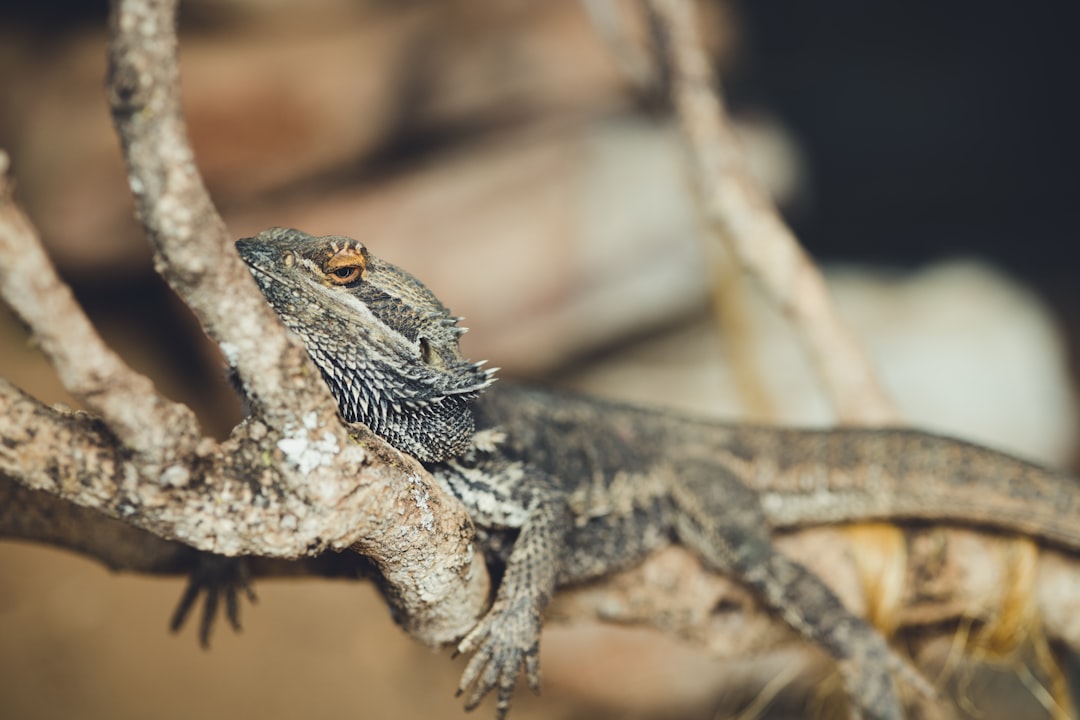
Bearded dragons (Pogona vitticeps) are active, semi-arboreal lizards that reach 15–20 inches in adulthood and live 7–10 years in captivity with proper husbandry, according to the UC Davis School of Veterinary Medicine.
According to VCA Animal Hospitals reptile specialists Gregory Rich, DVM, Laurie Hess, DVM, and Rick Axelson, DVM, the enclosure should measure at least three times the lizard's total body length and be at least 16 inches wide so the animal can turn without restriction. For adult dragons, that means a minimum 60–100 gallon enclosure — and bigger is always better.
| Life Stage | Minimum Enclosure Size | Notes |
|---|---|---|
| Juvenile (under 6 months) | 20–40 gallons | Must be 4× the dragon's body length and width |
| Sub-adult (6–12 months) | 40–75 gallons | Upgrade as dragon grows |
| Adult (12 months+) | 75–120+ gallons / 4×2×2 ft | 4×2×2 ft PVC or wood enclosures recommended |
Sources: VCA Animal Hospitals; NC State College of Veterinary Medicine
Glass terrariums work for juveniles. For adults, front-opening PVC or wood enclosures retain heat more efficiently and reduce stress caused by top-down approach (which mimics predator behavior).
UVB Lighting Requirements
Bearded dragons are diurnal baskers that depend on UVB exposure to synthesize vitamin D3 and absorb dietary calcium. Without adequate UVB, even a well-supplemented dragon will develop metabolic bone disease (MBD).
According to ReptiFiles, bearded dragons need a UV Index (UVI) of 4.0–4.5 in the basking area, as measured by a Solarmeter 6.5. Key setup rules:
-
Use a T5 HO linear fluorescent UVB bulb — T8 bulbs and coil/compact UVB bulbs do not produce adequate output for this species
-
The bulb length should cover roughly half the length of the enclosure (22" bulb for a 4' enclosure; 34" bulb for a 6' enclosure)
-
Position the bulb on the same side as the basking heat source, not over the cool end
-
Replace T5 fluorescent UVB bulbs every 12 months — visible light does not indicate UVB output; expired bulbs appear functional but produce no usable UVI
-
Never use glass or plastic bulb covers — both block UVB rays entirely, rendering the bulb ineffective
Suitable UVB bulbs (with verified mesh-adjusted distances per ReptiFiles):
-
Arcadia T5 HO Desert 12%: 11" from basking surface with mesh; 16–17" without mesh
-
Arcadia T5 HO Dragon 14%: 11–12" with mesh; 17–18" without mesh
Recommended photoperiod: 10–12 hours of light per day, reduced to 8–10 hours in winter to mimic natural seasonal variation and support the dragon's circadian rhythm.
Temperature Gradient
Bearded dragons are ectothermic — they cannot regulate body temperature internally. A correct temperature gradient lets them move between warm and cool zones to thermoregulate throughout the day.
Based on research cited by ReptiFiles — referencing Judish Badham's PhD thesis and verification by Dr. Jonathan Howard — the optimal core body temperature for Pogona vitticeps is 36.3°C (97.3°F), which requires the following enclosure temperatures:
| Zone | Surface/Air Temperature |
|---|---|
| Basking surface | 108–113°F (42–45°C) |
| Basking air | Up to 99°F (37°C) |
| Cool side air | 77–85°F (25–29°C) |
| Nighttime (all zones) | 55–75°F (12–24°C) |
Heat source type matters. Use halogen or incandescent flood bulbs — at least two placed side by side to create a basking zone wide enough to warm the dragon's full body length. Ceramic heat emitters and heat mats produce infrared C only, which cannot penetrate past skin surface and do not replicate the sun's warming effect efficiently.
Use an infrared temperature gun to verify basking surface temperature, and a digital probe thermometer to monitor air temperature on both sides. Do not take readings until the heat source has been running for at least 3 hours.
Substrate
NC State College of Veterinary Medicine recommends covering the enclosure floor with a substrate that is safe, easy to clean, and unlikely to cause impaction if accidentally ingested.
Safe substrate options:
-
Reptile carpet (easy to clean, good for juveniles)
-
Ceramic tile (holds warmth, easy to sanitize, zero impaction risk)
-
Bioactive substrate (topsoil and play sand mix, 4–6" deep, supports natural digging behavior — appropriate for adults with established feeding habits)
Avoid for juveniles: Loose sand, gravel, or calcium sand. Young dragons cannot distinguish food from substrate and are at high risk for gastrointestinal impaction.
Humidity
Despite coming from arid Australian scrublands, bearded dragons are not kept bone-dry. According to ReptiFiles, ambient humidity helps maintain healthy lungs, skin, and scale condition.
Target humidity: 30–40%. A shallow water dish in the cool zone maintains ambient moisture without raising humidity to levels that cause respiratory infections. Lightly mist the cool side of the enclosure 2–3 times per week — never mist the basking zone or raise humidity above 50% for extended periods.
Enrichment and Furnishings
A functional bearded dragon enclosure includes:
-
Basking platform: Light-colored flat stone or sturdy wood branch elevated close to the heat source. Stone absorbs and retains radiant heat effectively.
-
Hides: At least one hide on the cool side for retreat and stress reduction. Avoid placing hides under the basking spot.
-
Climbing structures: Low, stable branches or cork rounds support natural climbing behavior and contribute to physical activity.
-
Water dish: Shallow, heavy enough not to tip, placed on the cool side.
Keep decor minimal for juveniles — a cluttered enclosure makes it harder to monitor the dragon's movement and temperature-seeking behavior.
Common Setup Mistakes
| Mistake | Why It Matters |
|---|---|
| Coil/compact UVB bulbs | Insufficient UVI output for this species; linked to MBD cases |
| Single heat bulb | Cannot create a wide enough basking zone; causes thermal hot spots |
| Glass or plastic UVB bulb covers | Blocks UVB rays entirely |
| Loose sand substrate for juveniles | High impaction risk |
| Heat mat as primary heat source | Produces IR-C only; ineffective for basking thermoregulation |
| Enclosure too small | Prevents a functional temperature gradient; causes chronic stress |
Once your habitat is set up correctly, the next step is nutrition. Feeding a bearded dragon properly depends on the same age-based thinking that drives enclosure sizing — juveniles and adults have different needs. See the full breakdown in our companion guide: Best Food for Bearded Dragons: A Vet-Backed Feeding Guide.
At Talis-us, the Bearded Dragon HQ collection carries Talis Curated-badged UVB bulbs, basking setups, substrates, and supplements — each vetted for species appropriateness and quality so you can build a correct habitat without sorting through conflicting product claims.
FAQ
What size enclosure does a bearded dragon need?
Adult bearded dragons need a minimum of a 4×2×2 foot enclosure (approximately 75–120 gallons). According to VCA Animal Hospitals, the enclosure must measure at least three times the lizard's total body length and at least 16 inches wide. Larger enclosures are always preferable, as they allow for a proper temperature gradient and enrichment space.
What UVB bulb is best for a bearded dragon?
A T5 HO linear fluorescent UVB bulb rated 10–12% (such as the Arcadia Desert 12% or Dragon 14%) is the standard recommendation for this species. The bulb should produce a UVI of 4.0–4.5 in the basking area and be replaced every 12 months regardless of visible light output.
What temperature should a bearded dragon's basking spot be?
The basking surface temperature should be 108–113°F (42–45°C), based on research into the optimal core body temperature of Pogona vitticeps (36.3°C / 97.3°F). Use an infrared temperature gun, not a stick-on dial thermometer, for accurate surface readings.
Can I use sand as substrate for a bearded dragon?
Loose sand is not recommended for juvenile bearded dragons due to impaction risk. Adults in bioactive setups can use a topsoil-and-sand mix with adequate depth (4–6 inches) for burrowing, but juveniles should be kept on reptile carpet, ceramic tile, or paper towel until their feeding accuracy and immune systems are more developed.
How many hours of light does a bearded dragon need per day?
10–12 hours of UVB and daylight lighting per day, on a consistent timer. Reducing to 8–10 hours in winter months mimics the natural seasonal variation of their native Australian habitat and supports healthy circadian rhythms. All light sources should be turned off completely at night.
Care recommendations in this guide are based on published guidance from VCA Animal Hospitals, NC State College of Veterinary Medicine, UC Davis School of Veterinary Medicine, and ReptiFiles. Always consult a reptile-experienced veterinarian for health concerns specific to your dragon.

De Talis Us


Dejar un comentario
Este sitio está protegido por hCaptcha y se aplican la Política de privacidad de hCaptcha y los Términos del servicio.