


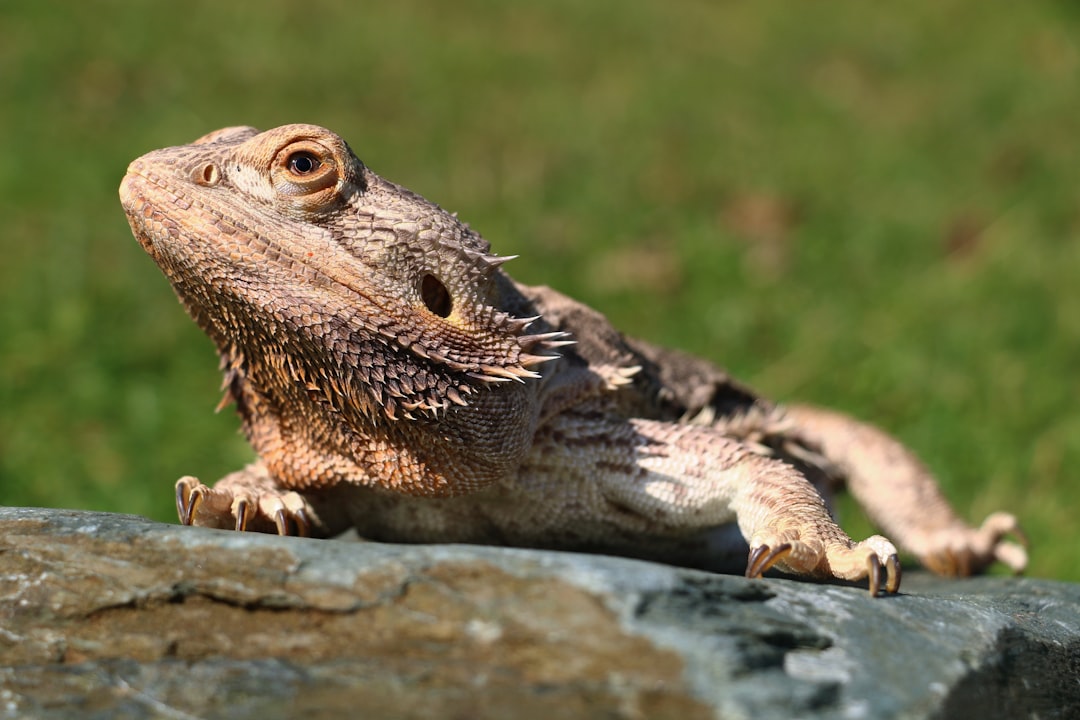
Bearded Dragon Water Needs: Essential Care Tips
does a bearded dragon need water
You’ve probably heard that these spiky reptiles are desert royalty that never touch a drop of liquid. But while they are incredible survival experts, they certainly aren't magic. Many new owners naturally ask, does a bearded dragon need water to thrive in a home enclosure? Yes, they absolutely do, but they rarely sip from a bowl the way a typical household pet does.
Have you ever noticed your lizard staring at their dish like it’s a strange alien object? According to expert reptile keepers, this confusion stems directly from their evolutionary instincts. In the wild Australian outback, standing water is incredibly scarce, so these animals evolved to catch morning dew or lick rare raindrops directly off rocks and leaves rather than searching for ponds.
Understanding your bearded dragon water needs means looking beyond just a traditional drinking dish. Veterinary recommendations emphasize that these lizards actually take in moisture in three specific ways: oral hydration from occasional drinking, moisture-rich foods like fresh greens, and environmental humidity. Proper hydration through all these combined methods remains the number one factor in preventing dangerous kidney issues as they age.
Fortunately, mastering this essential part of bearded dragon care is much easier once you know what to observe. Soon, you will learn how to spot the early warning signs of a dehydrated pet, such as sunken eyes or unusually wrinkled skin. Keeping your dragon perfectly hydrated requires specific techniques to avoid turning their dry habitat into a swamp.

Why Your Desert Lizard Isn't "Waterproof": The Truth About Reptile Hydration
You might assume your pet is completely waterproof since they originate from the hot outback. Unlike humans, these reptiles don't sweat, which helps them hold onto precious moisture. Their bodies are incredible recycling machines designed to squeeze every drop of liquid out of their meals. However, this extreme efficiency doesn't mean they never get thirsty, and "silent" dehydration can quietly damage their internal organs over time.
The clearest window into overall bearded dragon health actually comes from cleaning their tank. Because their kidneys are built to conserve liquids, they don't leave wet puddles like a puppy might. Instead, they excrete a solid, chalky substance alongside their stool called a urate. Understanding bearded dragon urate appearance meaning is an essential skill because it acts as a daily, built-in hydration meter for your pet.
Checking these droppings regularly reveals exactly what is happening inside your lizard. A well-hydrated dragon produces soft, pure white urates. If you spot hard, yellow, or orange urates instead, your pet is actively struggling with dehydration. While monitoring their waste is crucial for tracking internal water levels, their exterior needs just as much attention.
The "Sponge" Effect: How Humidity and Misting Keep Skin Healthy
Think of your pet's skin like a natural sponge. When a dragon sheds, overly dry air makes that old skin cling tightly to their body. While they absolutely need a warm, dry enclosure to stay healthy, targeted moisture softens these dry patches and prevents painful "stuck shed" from cutting off circulation to their toes or tail.
Rather than heavily spraying their entire home, which can cause respiratory sickness, focus on direct watering. Many lizards completely ignore bowls because they simply do not recognize still water. However, a droplet resting on their snout activates a wild instinct to lick it off, making a bearded dragon drinking from a spray bottle a highly common sight. When misting a bearded dragon tank, follow three basic rules:
- Target Area: Aim a gentle mist directly above their nose, avoiding their eyes.
- Temperature: Use lukewarm water so you do not shock their warm system.
- Frequency: Offer this gentle misting 2–3 times a week, especially when their skin looks dull before a shed.
External moisture keeps scales healthy, but you must also verify their internal water levels are safe with a quick hands-on check.
How to Perform the "Pinch Test": Spotting Dehydration Before It Becomes an Emergency
Guessing if your reptile needs water doesn't require a veterinary degree. Because these pets instinctively hide weakness, the earliest signs of dehydration in bearded dragons usually look like a sudden drop in energy. An active lizard might refuse to move or keep their eyes closed all day. As internal moisture drops, the fat pads behind their eyes deflate, causing noticeable sunken eyes in bearded dragons. When you spot these visual changes, it is time to perform a 10-second home health check.
Confirm your suspicions using the skin pinch test. Healthy reptile skin has natural elasticity, meaning it acts like a rubber band and bounces back quickly. Gently pinch a small fold of loose skin along their side. If it instantly smooths out, their water levels are fine. However, if the pinched wrinkles stay stuck in a raised ridge—a warning sign called tenting—they lack water.
Catching mild tenting early means you can often fix it at home by offering moisture-rich greens or gentle misting. Yet, if the skin stays tented for several seconds alongside deeply sunken eyes and severe lethargy, they need immediate veterinary fluid therapy. If your pet constantly struggles with hydration despite your efforts, the environment or the presentation of water might be to blame.

Why Your Dragon Ignores Their Water Bowl—and How to Fix It
When your bearded dragon stares at a full bowl acting like it doesn't exist, rest assured you aren't doing anything wrong. In the wild, these desert animals recognize water by movement, like a trickling rain puddle. Because their eyes evolved to spot scurrying insects, perfectly still liquid is essentially invisible to them.
Solving this mystery simply requires adding motion. Wiggling your finger in the dish to create ripples easily catches their attention. For a more permanent fix, owners often compare standing water vs water dripper for lizards. A dripper system slowly drops moisture into the bowl, creating constant, gentle splashes that visually signal to your pet exactly where the drink is located.
Adjusting to this new setup takes a little patience. When training a bearded dragon to drink, use a small plastic dropper to gently drip water onto their snout so they naturally lick it off, then slowly lure them toward the rippling bowl. Once they connect the dots, daily hydration becomes much easier. Still, drinking isn't the only way to keep their skin and organs healthy.
The Benefits of the "Weekly Soak": Bathing for Hydration and Hygiene
You might have heard a strange rumor that lizards hydrate by soaking moisture through their bottom. Let's clear that up right away: do bearded dragons absorb water through their vent? No, they do not. This "vent drinking" idea is a stubborn myth. Just like humans, a dragon sitting in a bathtub isn't drinking through their skin. Hydration only happens when they physically swallow liquid.
Still, the benefits of bathing a bearded dragon are fantastic for their overall care. A warm soak loosens shedding skin, washes away dirt, and often triggers their natural instinct to take a big gulp of water directly from the tub. To keep bath time safe and stress-free, always follow this checklist:
- Temperature: Keep it lukewarm (90-95°F) to prevent thermal shock.
- Depth: Water should only reach their front elbows.
- Duration: 10 to 15 minutes is plenty.
- Supervision: Never leave your pet unattended.
Bath-time drinking is a great win, but you can't rely on it daily. If your pet still ignores their bowl and the tub, it is time to sneak moisture directly into their meals.
Salad as a Water Source: High-Moisture Greens for Picky Drinkers
For owners struggling with stubborn drinkers who ignore water bowls, nature built a clever backup plan. In the wild, these lizards get most of their moisture from plants. You can use this trick at home to secretly hydrate them through daily salads.
Building a hydrating meal means balancing moisture with nutrition using a three-veggie mix. Staples like collard greens and butternut squash offer essential vitamins, while a splash of bell pepper adds healthy moisture. Avoid iceberg lettuce; it lacks nutrients and provides only "empty" hydration. Selecting the right high water content vegetables for bearded dragons keeps them naturally hydrated without compromising their diet.
Be cautious with sweet, watery treats like melon. Excellent bearded dragon care requires limiting fruits, as excess liquid and sugar quickly cause diarrhea. Ironically, an upset stomach strips moisture from their body, leaving them more dehydrated than before. Once their diet is balanced, the next step is looking at the air they breathe.
Managing Tank Humidity Without Creating a Swamp
Balancing the moisture in the air is just as critical as managing your lizard's diet. Think of their tank like the Australian outback—it should be warm and dry, not a tropical rainforest. The proper humidity for bearded dragon enclosure setups sits in a "goldilocks zone" of 30 to 40 percent. If the air becomes too dry, your pet might struggle to shed their skin cleanly, much like dealing with chapped lips during a harsh winter.
Tipping the scales toward excess moisture creates a much bigger problem. While misting a bearded dragon tank occasionally helps loosen stubborn patches of shedding skin, overdoing it or placing a large water bowl directly under a heat lamp quickly turns their home into a swamp. Desert reptiles simply aren't built to inhale damp air. Breathing constant moisture often causes respiratory infections, which act like severe lizard colds requiring prompt veterinary care to cure.
Monitoring these levels requires a reliable digital hygrometer. For the most accurate readings, place one gauge on the cool side and another near the basking spot, keeping both away from direct water sources. Once the environmental air is perfectly balanced, you can safely offer a shallow drink.
Keeping the Water Safe: Conditioners and Electrolyte Boosters
Filling up a water bowl straight from the sink might seem harmless, but local treatment plants use chlorine to keep human drinking water safe. While fine for us, these chemicals can build up in a lizard's small body, potentially leading to heavy metal poisoning over time. Adding a quality tap water conditioner for reptiles instantly neutralizes these hidden dangers, turning harsh tap water into a safe oasis.
Sometimes, your pet needs more than just clean water to bounce back from stress. Think of reptile electrolytes like a sports drink for your lizard—they quickly replace essential minerals lost during tough times. While daily use isn't required, understanding the proper frequency of reptile electrolyte soaks can safely rescue a struggling pet. Experts recommend offering these nutrient-rich baths in three specific situations:
- Recovering post-illness
- Displaying extreme lethargy
- Struggling with a heavy shed
Treating their moisture sources carefully ensures every soak actively strengthens your dragon's health. Once these basic water quality supplies are sitting ready on your shelf, applying them is incredibly simple.
Your Daily Hydration Checklist for a Thriving Dragon
You no longer have to stare at an untouched water bowl and wonder if your pet is secretly parched. By understanding that true hydration comes from fresh greens, occasional baths, and proper tank humidity, you can now manage their bearded dragon health with total confidence.
To ensure your approach is working, make a quick visual health check part of your morning schedule. A perfectly hydrated reptile will greet you with bright, alert eyes and skin that snaps right back into place after a gentle pinch. When cleaning their enclosure, always look for solid, bright white urates as the ultimate proof that their internal systems are functioning beautifully.
Start your new bearded dragon care routine tomorrow morning by simply misting their fresh salad before serving. This effortless step instantly boosts their daily moisture intake without causing them any stress. As you continue to read their subtle body language, keeping your desert companion happily hydrated will quickly become second nature.


De Talis Us


Dejar un comentario
Este sitio está protegido por hCaptcha y se aplican la Política de privacidad de hCaptcha y los Términos del servicio.