


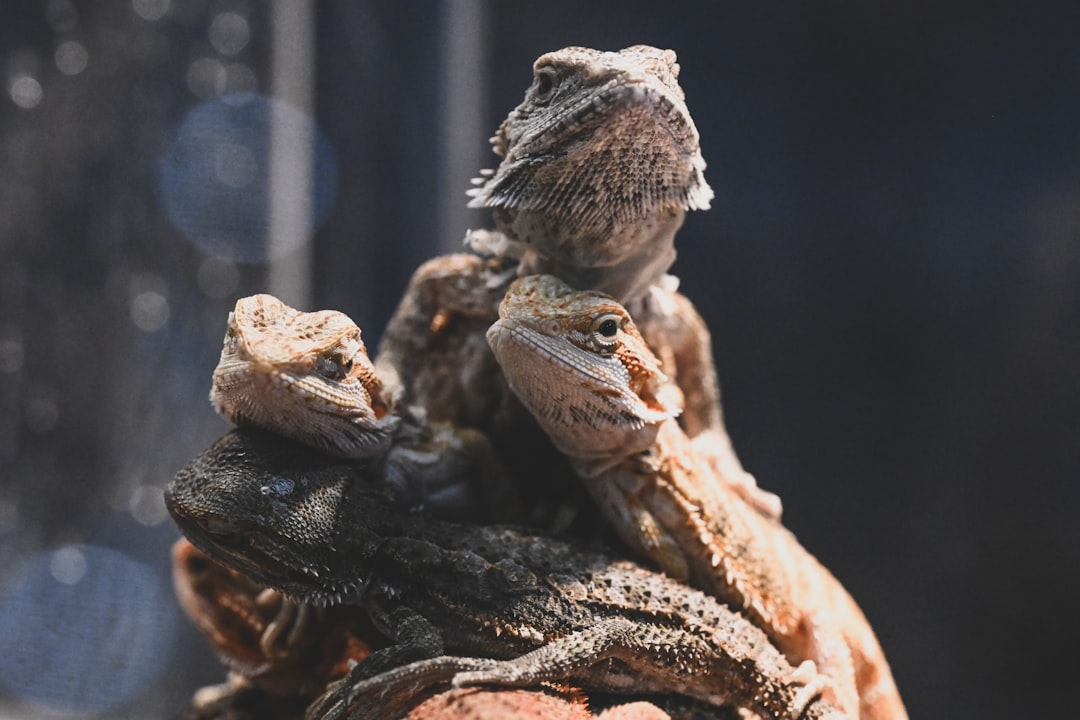
Bearded Dragon Lifespan: Essential Care Tips
Understanding the Lifespan of Bearded Dragons
When you bring home a bearded dragon, you aren't just getting a pet for the weekend—you are meeting a companion who might be with you longer than your car. There is a common misconception that lizards only live a few years. In reality, planning for the bearded dragon lifespan means preparing for a long-term lifestyle impact. According to veterinary consensus, a well-cared-for dragon living in your home will typically reach 10 to 12 years of age.
This extended timeframe highlights the massive gap between captive longevity and wild expectancy. Out in nature, these reptiles face harsh predators and food shortages, usually surviving only 3 to 5 years. Inside your living room, excellent husbandry—meaning their daily care and safe environment—creates a haven where they easily outlive many popular mammals. Consider these basic bearded dragon facts regarding life expectancy:
- Hamsters: 2 to 3 years
- Large Dogs: 10 to 12 years
- Captive Bearded Dragons: 10 to 15 years
Are you prepared for a reptile that will grow alongside your family for over a decade? While 10 years is average, reaching that impressive 15-year milestone is the ultimate goal for a pro keeper. Whenever you look at your pet and wonder, "how old is my bearded dragon going to live to be?" remember that achieving double digits requires the right daily routine, consistent care, and your long-term dedication.

Why Captive Bearded Dragons Outlive Their Wild Cousins by a Decade
When picturing the Australian outback, it is easy to imagine a rugged lizard, but the wild reality is harsh. In nature, bearded dragons face a constant battle against predators, extreme weather, and unpredictable food shortages. These daily survival challenges explain why the wild vs captive beardie life expectancy is so dramatically different. A wild dragon considers itself lucky to reach its fifth birthday, typically surviving only three to five years before the elements finally catch up to them.
Bringing that lizard into your living room completely rewrites its biological clock. Inside a controlled glass enclosure, those environmental threats disappear entirely. Excellent bearded dragon care—specifically good "husbandry" (your daily maintenance of their environment)—means they never have to outrun a hawk or starve during a seasonal drought. You are providing a safe sanctuary, allowing their bodies to age naturally instead of wearing out prematurely from chronic survival stress.
Beyond just a safe tank, modern veterinary medicine acts as the ultimate life-extender. In the wild, a minor parasite infection is often a slow death sentence. At home, a quick trip to the vet resolves issues early, easily pushing your companion's potential age into the double digits. However, this long life only happens if your artificial environment accurately mimics the sun, providing the essential UVB rays that prevent bone failure and early death.
The 'Crumbly Foundation' Warning: Why UVB Lighting Prevents Bone Failure and Early Death
Just keeping your bearded dragon warm isn't enough. To understand the importance of UVB lighting for reptiles, think of their skeleton like a brick house. Calcium is the brick, but Vitamin D3 is the mortar. UVB light allows their skin to create Vitamin D3, letting their body actually absorb the calcium they eat. Without it, the foundation crumbles into Metabolic Bone Disease (MBD), a condition that leaves their bones fatally soft and deformed.
A common beginner mistake is buying a small, coiled UVB bulb from a starter kit. These simply lack the intensity for desert lizards. For successful metabolic bone disease prevention in reptiles, you need a linear T5 HO (High Output) tube light. This long bulb must stretch across at least half the enclosure, bathing your dragon in necessary rays as they move around.
Building this vital artificial sunbeam requires getting three specific details right:
- The Bulb: Choose a 10.0 or 12% T5 HO linear tube.
- The Fixture: Use a reflective housing to direct the invisible UV rays downward.
- The Distance: Mount the light 12 to 18 inches directly above the basking spot for safe, optimal exposure.
Remember that this equipment has a hidden expiration date. UVB bulbs lose their invisible output over time, meaning a light that looks perfectly bright to human eyes might actually be "empty" of UV rays. Replace these tubes every 6 to 12 months to protect their skeletal health. Once your lighting foundation is rock solid, you can focus on building their body from the inside out with a "seesaw" diet strategy for every life stage.

Fueling Longevity: The 'Seesaw' Diet Strategy for Every Life Stage
Feeding your bearded dragon is like balancing a seesaw that slowly tips as they age. Young dragons are growing rapidly and need a heavy protein diet, meaning their meals should be 80% insects and 20% vegetables. However, once they reach adulthood around 18 months of age, that seesaw flips entirely. Feeding an adult dragon a juvenile's bug-heavy diet will quickly lead to obesity and organ failure. To hit those double-digit ages, mature dragons require 80% fresh greens and only 20% insects, keeping them lean while protecting their liver and kidneys.
The bugs you do offer must be packed with nutrition before they become a meal. Think of feeder insects like empty lunchboxes; if you don't fill them up first, your reptile gets no actual vitamins. This practice is called gut-loading (feeding insects highly nutritious foods 24 hours before offering them to your lizard), and the impact of gut loading insects on health cannot be overstated. A cornerstone of proper bearded dragon care involves feeding these bugs specific foods to achieve a healthy calcium-to-phosphorus ratio. Phosphorus naturally drains calcium from the body, so every meal must contain significantly more calcium than phosphorus to keep their bones strong.
When filling the salad bowl, not all grocery store produce is created equal. The best vegetables for senior bearded dragons—and healthy adults—focus heavily on high calcium and low phosphorus. Here are five longevity-boosting daily staples:
- Collard greens
- Mustard greens
- Turnip greens
- Butternut squash
- Endive
Once you master this dietary seesaw, you must ensure their body is warm enough to actually digest these rich foods through a correct temperature gradient.
Thermal Health: How a Correct Temperature Gradient Prevents Respiratory Stress
Because you already know your bearded dragon is cold-blooded, you might assume they need a uniformly hot tank. In reality, they require a habitat set up like a home with different climate zones. Establishing proper enclosure temperature gradients—where one side features a basking spot around 100°F and the opposite end drops to 75°F—allows your lizard to manually control its internal thermostat. This thermal regulation acts as the invisible engine powering digestion; without intense heat, food simply ferments in their stomach instead of providing nutritional value.
Once they absorb enough heat, you will likely notice your dragon sitting still with its mouth wide open. This natural cooling behavior is called gaping, acting exactly like a dog panting to vent excess warmth. It is a sign of excellent husbandry (proper daily care) and proves your temperatures are effective. Conversely, if your dragon is constantly hiding in the cool zone, your heat bulb is likely too intense.
Maintaining this strict balance of targeted heat and low humidity is the ultimate key to preventing respiratory infections in terrariums. When an enclosure remains cold and damp, a reptile's lungs cannot fight off ambient bacteria, creating a severe illness that threatens their lifespan. By keeping their climate perfectly dialed in, you safeguard their immune system. With habitat and diet fully optimized, your focus naturally shifts to tracking their developmental milestones and recognizing the signs of aging.

How to Spot Aging: From Juvenile Growth Spurts to the Senior Sunset
Watching your lizard transition through the various stages of bearded dragon growth is highly rewarding, but their behavior will change drastically over the years. Around their first birthday, many dragons experience a deep, seasonal sleep called brumation—essentially reptile hibernation. Unlike sickness, the effects of brumation on long-term health are completely natural and give their bodies a much-needed restorative rest. The key difference is that a healthy brumating dragon maintains its overall weight, whereas a sick, lethargic dragon drops ounces rapidly.
As your companion reaches their senior years—usually around age seven or eight—their physical appearance will naturally shift. The most obvious signs of aging in central bearded dragons involve a general mellowing of temperament and "fat pad depletion." These fat pads are the vital energy reserves located right behind their eyes. In a young, plump reptile, these bumps bulge outward like small cushions, but they safely and slowly sink inward as the lizard reaches its elderly stages.
To confidently monitor their timeline without panicking over natural changes, use this quick guide to separate normal aging from illness:
- Healthy Aging: Gradual slowing down, slightly sunken fat pads, duller scales before a shed, and seasonal brumation.
- Red Flags: Rapid weight loss, persistently cloudy eyes, black or rotting tail tips, and sudden weakness outside of winter months.
Recognizing these physical shifts early buys you precious time to adjust their husbandry and proactively optimize their daily routine.
The Proactive Keeper’s Checklist: Annual Exams and Gut-Loading for Max Life
Spotting the signs of aging is only half the battle; the next step is protecting their health before problems arise. Rather than waiting for sickness, you unlock incredible annual exotic vet checkup benefits by visiting a specialized reptile veterinarian yearly. One major threat is entirely invisible: internal parasites. A routine fecal test allows your vet to spot these microscopic thieves before they steal vital nutrients, safeguarding your pet's immune system from the inside out.
Nutrition and environment must also evolve as your companion slows down. If you are wondering how to extend your lizard's life, master "gut-loading"—feeding your feeder insects nutrient-rich vegetables before offering them to your dragon so every bug acts like a multivitamin. Combine this supercharged diet with habitat modifications to combat common health issues in pet lizards, like joint stiffness. Lowering their basking logs prevents dangerous falls, while moving food bowls closer to resting spots conserves their elderly energy.
Committing to a preventative routine stops minor hiccups from becoming major emergencies. To stay ahead of the curve, always complete this simple Annual Health Checklist:
- Fecal test: Screen for hidden parasites that drain energy.
- Blood work: Catch early signs of organ stress in seniors.
- Lighting check: Swap UVB bulbs every six months, as invisible output decays.
Mastering these preventative steps naturally secures your companion's long-term roadmap, guaranteeing a thriving pet for years to come.
Your 15-Year Roadmap: Final Steps to Guarantee a Thriving Companion
Initially, a tiny lizard might seem like a simple, short-term pet. However, with the right husbandry, you hold the blueprint for a decade-long friendship. You have the power to transform a delicate reptile into a robust companion by mastering the "Big Three" of bearded dragon care: providing high-quality UVB lighting, balancing a dietary seesaw of bugs and greens, and maintaining a spacious, warm habitat. Managing these daily husbandry elements means you are directly adding healthy years to your pet's life.
Committing to a reptile for over a decade might feel overwhelming at first, but it quickly becomes a deeply rewarding routine, much like preparing a healthy meal for a lifelong friend. Seeing your dragon happily basking on their tenth birthday is wonderful proof of your dedication to their well-being.
A great first step in applying this knowledge is to check the age of your current UVB bulb. Even if a light still shines brightly, its invisible, life-saving UV output drops off after six months, quietly weakening your dragon's bones. By auditing your equipment and replacing old bulbs on a set schedule, you secure their physical foundation for tomorrow. Every small adjustment ensures your dragon thrives right by your side well into their senior years.

De Talis Us


Dejar un comentario
Este sitio está protegido por hCaptcha y se aplican la Política de privacidad de hCaptcha y los Términos del servicio.