


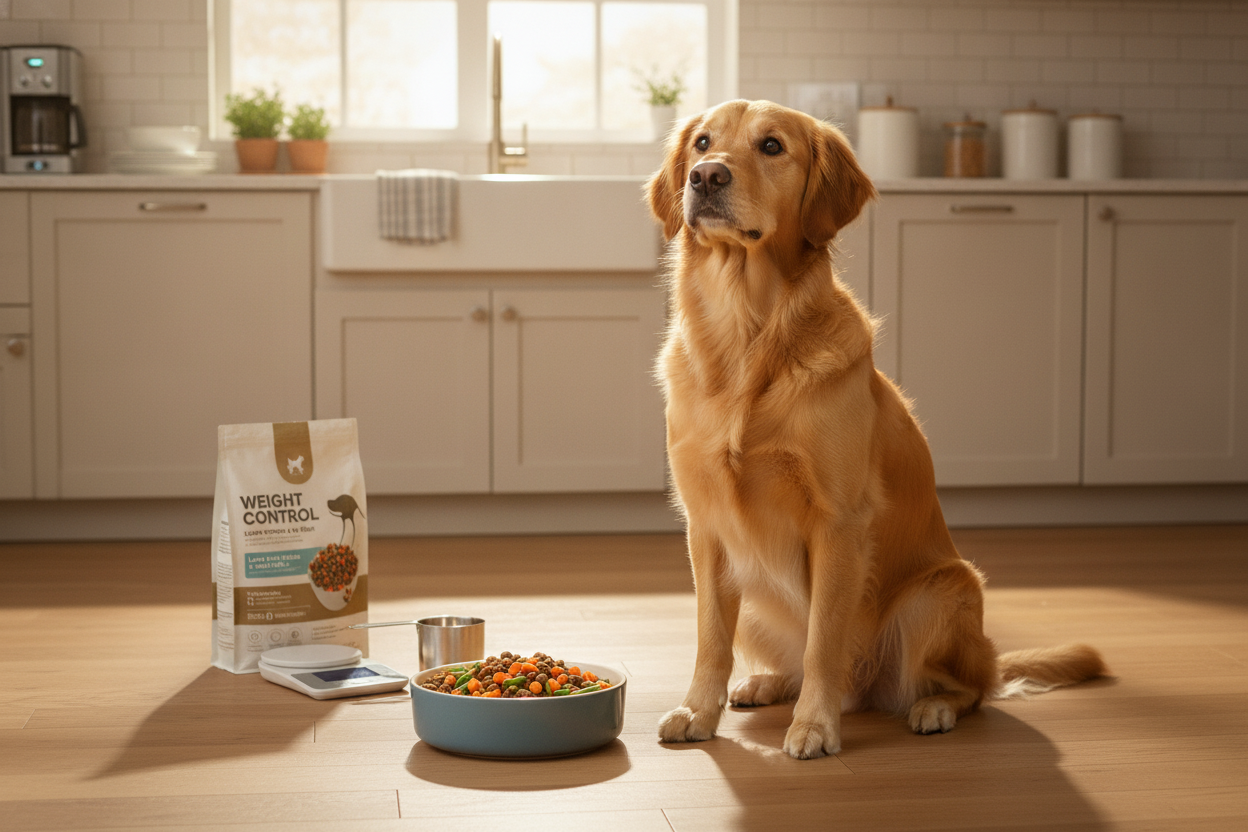
Weight Control Dog Food: Best Picks for Healthy Dogs
Your Dog's Weight Affects More Than You Realize
When your dog starts gaining a few extra pounds, it can be easy to brush it off as just a sign of a comfortable, well-fed life. But the truth is, excess weight puts real pressure on your dog's joints, reduces their energy levels, and can significantly shorten their healthy years. Veterinary studies consistently show that maintaining a healthy body weight can extend a dog's life by up to two years, and that is not a small thing when every year with your companion matters.
If your pup has been slowing down on walks, struggling to get up from rest, or simply looking a little rounder than usual, it may be time to take a closer look at what is in their bowl. Finding the right weight control dog food is one of the most impactful steps you can take. This guide covers everything you need to know, from what to look for on the label to how to make the switch smoothly, so you can feel confident and caring in every feeding decision.
What Makes a Dog Food Good for Weight Management?
Not all dog foods marketed as "light" or "reduced calorie" are created equal. Some simply cut portions while leaving the same low-quality ingredients in place. A truly effective weight management formula works with your dog's body, not just against the scale.
Key Ingredients to Look For in Weight Control Dog Food
When you are scanning ingredient labels, here is what actually makes a difference:
High-Quality Protein: Protein is your dog's best friend when it comes to weight loss. It supports lean muscle mass, keeps metabolism active, and helps your dog feel fuller for longer. Look for named protein sources like chicken, turkey, salmon, or lamb listed as the first ingredient. Avoid formulas where protein comes primarily from by-product meals or unnamed meat sources.
Controlled Fat Content: Fat is calorie-dense, so weight management formulas should contain lower fat percentages, typically between 7% and 12% on a dry matter basis. However, some healthy fats like omega-3 and omega-6 fatty acids are still important for coat health and joint support, so you want a balance rather than a complete reduction.
Added Fiber: Fiber is a powerful tool for weight control. Ingredients like beet pulp, chicory root, peas, and sweet potato add bulk to meals without adding significant calories. This helps your dog feel satisfied after eating, which reduces begging behavior and overeating between meals.
No Unnecessary Fillers: Corn syrup, artificial flavors, excessive starch, and low-quality grain fillers add empty calories without nutritional benefit. A clean ingredient list with whole food sources is always a better choice for a dog working toward a healthier weight.
L-Carnitine: This naturally occurring amino acid compound helps the body convert fat into energy. Many premium weight management formulas include it specifically to support fat metabolism during weight loss.
Top Dog Food Picks for Healthy Weight Loss
With so many options on the market, narrowing down your choices can feel overwhelming. The best approach is to look for formulas that combine the ingredients above with a caloric density appropriate for your dog's size, age, and activity level. Your veterinarian can recommend a specific daily calorie target, and from there, you can find a food that fits.
Wet vs. Dry Weight Control Dog Food
One of the most common questions pet owners ask is whether wet or dry food is better for weight management. The honest answer is that both can work well, but they offer different advantages.
Dry weight control dog food is convenient, shelf-stable, and easy to measure for precise portion control. Many dry formulas are also fortified with fiber and protein to support satiety. The crunch can also contribute to dental health as a bonus.
Wet dog food has a naturally high moisture content, which adds volume to each meal without adding calories. This is particularly helpful for dogs that tend to eat quickly or seem hungry shortly after meals. The water content in wet food helps your dog feel physically full, which can ease the transition to smaller portions. Wet food is also highly palatable, making it easier to get picky eaters on board with a new diet.
Some pet owners find that mixing a small amount of wet food with dry kibble gives their dog the best of both worlds: the portion control and convenience of dry food combined with the satiety and hydration benefits of wet food. If your dog is particularly food-motivated or struggling with hunger between meals, this combination approach is worth trying.
How to Transition Your Dog to a Weight Management Diet
Switching your dog's food too quickly can lead to digestive upset, including loose stools, gas, and vomiting. A gradual transition over seven to ten days is the standard recommendation, and it gives your dog's gut microbiome time to adjust.
Here is a simple transition schedule to follow:
- Days 1 to 3: Serve 75% current food and 25% new weight management food.
- Days 4 to 6: Move to a 50/50 mix of old and new food.
- Days 7 to 9: Shift to 25% current food and 75% new food.
- Day 10 and beyond: Serve 100% of the new weight management formula.
During this period, keep a close eye on your dog's stool consistency and energy levels. Some dogs with sensitive stomachs may need a slower transition stretched over two weeks. If you notice persistent digestive issues, consult your vet before continuing.
It is also important to weigh your dog regularly, ideally every two weeks, so you can track progress and adjust portions if needed. Weight loss should be gradual, around 1% to 2% of body weight per week. Losing weight too quickly can actually cause muscle loss and nutritional deficiencies, which is the opposite of what you want.
Pairing the Right Dog Treats With a Weight Control Plan
Here is something that often gets overlooked: treats can quietly undo all the progress your dog makes with a great weight management food. If you are feeding a carefully portioned, calorie-controlled diet but still offering high-calorie treats throughout the day, the math simply does not add up.
The good news is that there are plenty of low-calorie dog treats designed specifically to complement a weight loss plan. Look for treats that are:
- Under 10 calories per piece, especially for small to medium dogs.
- High in protein rather than sugar or starch.
- Free from artificial additives and unnecessary fillers.
- Single-ingredient options like freeze-dried chicken, turkey, or sweet potato slices.
You can also use small pieces of fresh vegetables as treats. Carrots, cucumber slices, and green beans are naturally low in calories and many dogs genuinely enjoy them. Just make sure to avoid foods that are toxic to dogs, including grapes, onions, and garlic.
As a general rule, treats should make up no more than 10% of your dog's daily calorie intake. If you are using treats for training purposes and giving them frequently, opt for the smallest possible piece size and adjust the main meal portions accordingly.
The Right Food Is One of the Best Gifts You Can Give Your Dog
Choosing the right weight control dog food is not just a practical decision. It is a genuinely loving one. When your dog reaches and maintains a healthy weight, you will likely notice real changes: more energy on walks, easier movement, a brighter mood, and a longer, healthier life spent by your side.
Focus on quality ingredients, proper portions, and smart treat choices to support steady and safe weight loss. Be patient with the process, celebrate small milestones, and stay consistent. Your dog is counting on you, and with the right food in their bowl, you are already giving them something truly valuable.
Explore weight management dog food options that prioritize real ingredients and balanced nutrition. Your dog deserves to feel their absolute best every single day, and that goal is well within reach.

Written by Talis Us


Leave a comment
This site is protected by hCaptcha and the hCaptcha Privacy Policy and Terms of Service apply.