


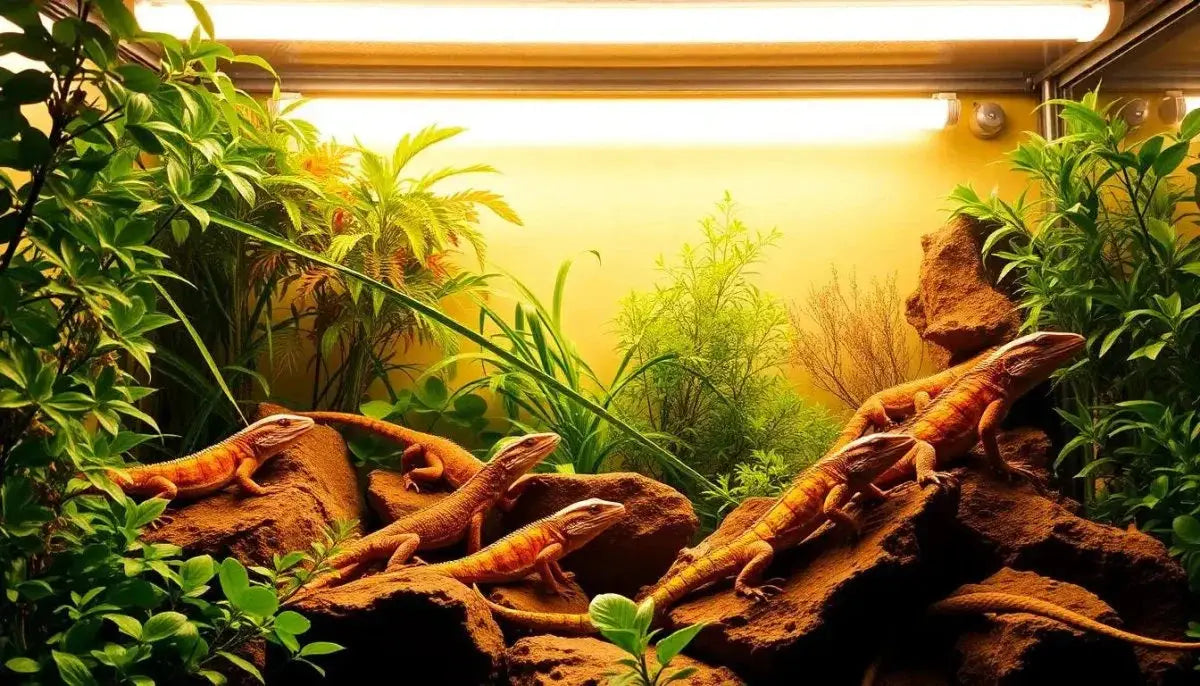
Unlock the Power of UVB Tube Lights for Your Pets
As a pet owner, you know that providing the right environment for your furry, feathered, or scaly companions is crucial to their health and well-being. One often overlooked aspect of pet care is the importance of proper lighting, particularly when it comes to UVB tube lights. At Talis Us, we're passionate about helping pet owners like you understand the benefits of UVB lighting and how it can enhance the lives of your beloved pets.
The Importance of UVB Lighting for Pets
UVB, or ultraviolet B, is a specific wavelength of light that is essential for many animals, including reptiles, amphibians, and some birds. This type of light plays a crucial role in the production of vitamin D3, which is necessary for the proper absorption of calcium and other minerals. Without adequate UVB exposure, pets can develop a range of health issues, such as metabolic bone disease, shell deformities, and even blindness.
Reptiles and Amphibians
For reptiles and amphibians, UVB lighting is particularly important, as they rely on it to regulate their body temperature and maintain their overall health. These animals are ectothermic, meaning they rely on external sources of heat and light to regulate their body temperature. By providing them with a UVB-rich environment, you can help them thrive and avoid common health problems.
Birds and Small Mammals
While not as dependent on UVB as reptiles and amphibians, birds and small mammals can also benefit from the inclusion of UVB tube lights in their habitat. UVB exposure can help these animals maintain healthy skin, feathers, and fur, as well as support their immune system and overall well-being.
Choosing the Right UVB Tube Light
When it comes to selecting the right UVB tube light for your pet, there are a few key factors to consider:
Wattage and Intensity
The wattage and intensity of the UVB tube light will determine how much of the beneficial UVB rays are produced. It's important to choose a light that is appropriate for the size of your pet's enclosure and their specific needs.
Tube Length
The length of the UVB tube light should be chosen based on the size of your pet's habitat. The tube should cover a significant portion of the enclosure to ensure even distribution of the UVB rays.
Replacement Schedule
UVB tube lights have a limited lifespan and will gradually lose their effectiveness over time. It's important to replace them according to the manufacturer's recommendations to ensure your pet is receiving the necessary UVB exposure.
Incorporating UVB Tube Lights into Your Pet's Habitat
When setting up UVB tube lights in your pet's habitat, it's important to consider the placement and positioning of the light. The light should be positioned so that your pet can easily move in and out of the UVB-rich area, allowing them to regulate their exposure as needed.
It's also important to provide your pet with a temperature gradient, with the UVB tube light positioned at one end of the enclosure and a cooler area at the other. This will allow your pet to thermoregulate and move between the different temperature zones as needed.
Conclusion
At Talis Us, we understand the importance of providing your pets with the best possible care, and that includes ensuring they have access to the right lighting. By incorporating UVB tube lights into your pet's habitat, you can help them thrive and maintain optimal health. Browse our selection of high-quality UVB tube lights and other pet supplies to give your furry, feathered, or scaly friend the care they deserve.
Frequently Asked Questions
How often should I replace my pet's UVB tube light?
The replacement schedule for UVB tube lights can vary depending on the manufacturer and the specific light. As a general rule, it's recommended to replace the tube every 6-12 months, or as directed by the manufacturer.
Can I use a UVB bulb instead of a tube light?
While UVB bulbs can be a viable option for some pets, UVB tube lights are generally considered more effective and efficient. Tube lights provide more even and consistent UVB coverage throughout the enclosure, which is important for the health and well-being of your pet.
How do I know if my pet is getting enough UVB exposure?
Signs that your pet may not be getting enough UVB exposure include lethargy, poor appetite, and signs of metabolic bone disease, such as soft or deformed shells or limbs. If you notice these symptoms, it's important to consult with a veterinarian or a reptile specialist to ensure your pet is receiving the proper lighting and care.

Written by Talis Us



Leave a comment
This site is protected by hCaptcha and the hCaptcha Privacy Policy and Terms of Service apply.