



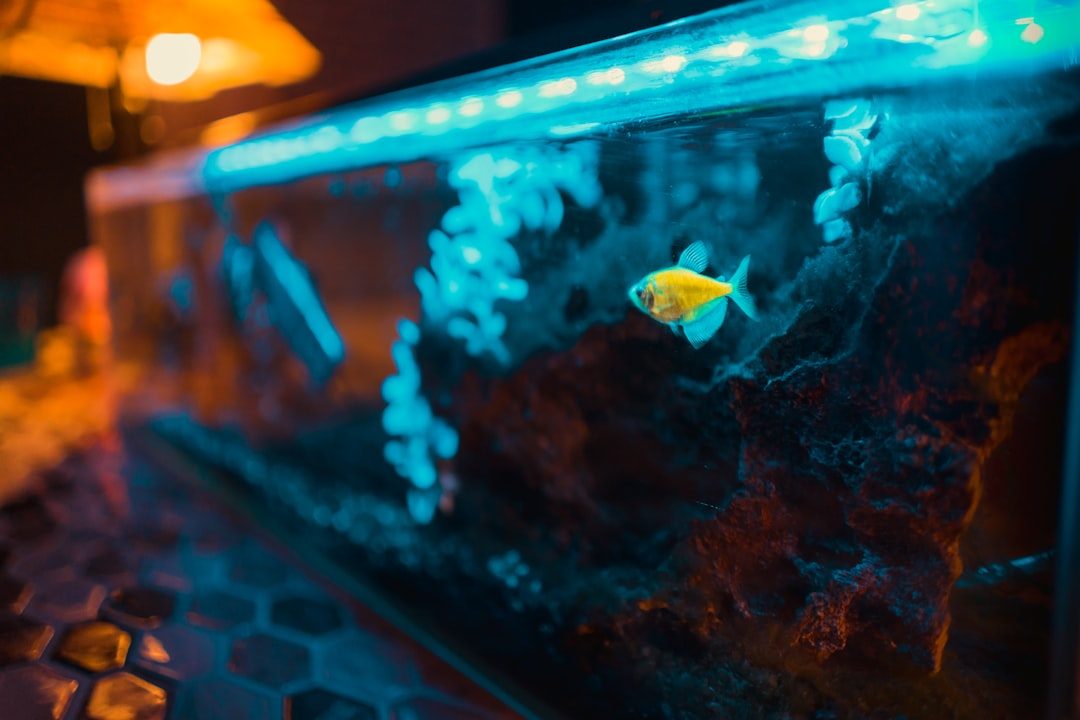
Unique Fish Tank Decorations: A Complete Guide for 2026
Unique Fish Tank Decorations: A Complete Guide for 2026
Written by the Talis-US Editorial Team Last reviewed: July 2026
TLDR
-
The most visually distinctive aquariums combine natural hardscape (driftwood, rocks) with live plants in a recognized aquascaping style — Nature Aquarium, Iwagumi, Dutch, or Biotope.
-
Driftwood is the single most versatile and impactful decoration available: it adds visual structure, provides fish with hiding spots and territories, and can alter water chemistry to replicate natural biotopes.
-
Marimo moss balls are one of the easiest unique decorations for beginners — they absorb nitrates, require no substrate or lighting, and are safe for virtually all freshwater fish.
-
Avoid anything painted, made from unknown plastics, or containing untreated metal. These materials leach chemicals into the water column.
-
Certain woods — including yew, pine, and ivy — are toxic to fish and should never go into a tank, even if they appear intact.
Table of Contents
Why Decoration Matters for Fish, Not Just Aesthetics {#why-it-matters}
Decorating a fish tank is not purely cosmetic. In the wild, fish rely on physical structure for shelter, territory establishment, spawning, and stress reduction. Without adequate cover, fish in bare tanks frequently exhibit stress behaviors: color fading, appetite loss, hiding near the filter output, or surface-gulping.
Charterhouse Aquatics notes that "in the wild, fish rely on cover and shelter to feel safe from predators, rest, and establish territories. In your aquarium, they need the same! Without proper hiding spots, fish may become stressed, aggressive, or lethargic, which can impact their health and lifespan."
The goal of unique fish tank decorations, then, is to satisfy that behavioral need while creating a visually compelling display. Natural materials — driftwood, rocks, live plants — tend to achieve both objectives better than novelty ornaments.
Driftwood: Types, Benefits, and How to Prepare It {#driftwood}
Driftwood is the single most impactful decoration available for freshwater aquariums. Beyond aesthetics, it provides hiding spots for reclusive species, serves as a spawning site for egg-laying fish, and can even act as a food source for wood-eating catfish species (which scrape algae and microscopic organisms called aufwuchs from its surface). Depending on the type, it can also lower pH and soften water — a significant benefit when keeping Amazonian species that prefer acidic conditions.
According to the INJAF Guide to Aquarium Wood by aquarist Jared Cave (commercial aquarium wood) and Simon Morgan of the British Cichlid Association (wild-collected wood), these are the most commonly available types:
Bogwood
The most widely used aquarium wood worldwide. Authentic bogwood has been preserved in anaerobic bog conditions for hundreds to thousands of years, which produces its characteristic dark, rich coloration. Modern retail "bogwood" is typically wood dried outdoors rather than true peat-preserved wood, but it performs similarly. It leaches tannins — natural compounds that tint the water a tea color — which is harmless and actually mimics the blackwater conditions of the Amazon basin. Tannins have mild antibacterial and fungicidal properties.
To reduce tannin release: soak the wood in a bucket for one to four weeks, changing the water regularly, before placing it in the tank.
Mopani Wood
Dense, heavy, and striking in a two-tone appearance — the sandblasting process that prepares it for retail reveals contrasting light and dark wood beneath the bark. It originates from the Mopane tree (Colophospermum mopane) of sub-Saharan Africa. Like bogwood, it leaches tannins and may produce white fungal growth initially (harmless; it stops within a few weeks). Always soak thoroughly before use.
Redmoor Wood (Red Moor Root)
One of the most visually appealing driftwood options available. Its reddish hues and tangled, branching root structure create dramatic focal points in mid-to-large tanks. It releases very little tannin compared to bogwood and rarely produces fungal growth, though it typically needs soaking before it sinks. Higher price point than most alternatives, but the visual result often justifies it.
Spider Wood (Azalea Root)
Golden-brown with a highly branched, spider-like structure. Spider wood floats when first introduced and requires soaking to sink. It does not leach tannins or alter pH, making it a cleaner choice for tanks where you want the wood look without water discoloration. It is particularly popular in shrimp tanks and nano aquascape setups.
Sumatran Driftwood (Mangrove Root)
Smooth-textured cut sections of mangrove root, sandblasted for aquarium use. Available in sizes from 25cm to over 150cm for large tanks. It doesn't release tannins, but may need a soaking period to sink. A popular choice for aquascapers building open, architectural driftwood compositions.
Safe Woods to Collect Yourself
Simon Morgan of the British Cichlid Association via INJAF confirms these native species are safe for aquariums: Alder, Apple, Beech, Birch, Cherry, Hawthorn, Heather, Oak, Pear, Sycamore. Dry freshly collected pieces for two weeks to remove sap, then soak before use.
Woods That Are Toxic — Never Use
Per the same INJAF source: Cedar, Cypress, Grape vine, Horse chestnut, Lilac, Ivy, Pine, Spruce, Walnut, and Yew should never go into an aquarium. Yew in particular is toxic; pine and yew are only considered safe in the form of centuries-preserved true bogwood — a condition you cannot replicate yourself.
Rock Formations and Hardscape {#rocks}
Rocks provide structure, territory boundaries, and caves that many species — cichlids, plecos, loaches, and bottom-dwellers — cannot thrive without. The key rule: only use rocks confirmed as aquarium-safe. Certain minerals, particularly those with metallic veins (pyrite, copper-based minerals), corrode in water and release compounds toxic to fish.
Charterhouse Aquatics lists these as reliably safe choices:
| Rock Type | Best For | Aesthetic Style | Water Chemistry Impact |
|---|---|---|---|
| Dragon Stone | Aquascaping, shrimp tanks | Rocky, jagged, nature-inspired | Minimal |
| Seiryu Stone | Iwagumi, Nature Aquarium | Blue-grey, dramatic | Slightly raises pH/hardness |
| Slate | Caves, ledges, layering | Flat, natural, minimalist | None |
| Lava Rock | Cichlid tanks, planted tanks | Porous, rustic | Slightly raises pH |
| River Rock | Naturalistic setups | Smooth, rounded | Minimal |
When stacking rocks, always secure the structure to prevent collapses that can crack tank glass. Aquarium-safe silicone adhesive or aquascaping putty works well for complex formations.
Marimo Moss Balls {#marimo}
Marimo moss balls are among the most distinctive low-effort decorations available for any freshwater aquarium. Despite the name, they are not actually moss — they are a rare form of filamentous green algae (Aegagropila linnaei) that naturally forms into perfectly spherical shapes in cold freshwater lakes, shaped by gentle rotating currents over many years. They are found naturally in Japan, Scotland, Estonia, Iceland, and Australia, and were featured in the BBC's Green Planet: Water Worlds, narrated by David Attenborough, per Highland Moss.
According to Aqua Essentials, their practical benefits in a tank include:
-
Natural filtration: absorb nitrates and excess nutrients from the water column
-
No substrate required: rest on the tank floor or float freely
-
No special lighting needed: grow in standard aquarium light conditions
-
Compatible with nearly all freshwater inhabitants including shrimp, snails, bettas, and community fish
-
Extremely slow-growing (1–5mm per year), meaning they hold their shape indefinitely
For maintenance: roll them gently during water changes to maintain their spherical shape and expose all surfaces to light. Give them a light squeeze and rinse in dechlorinated water if they look brown or flatten.
Live Moss Walls and Planted Backdrops {#moss-walls}
A living moss wall transforms the back or side panel of a tank into a dense green curtain that fish and shrimp actively explore. The effect is difficult to replicate with any artificial product.
Charterhouse Aquatics recommends building moss walls with aquarium-safe mesh and aquatic mosses including:
-
Java Moss (Taxiphyllum barbieri): most forgiving, tolerates a wide range of conditions, attaches easily to surfaces
-
Christmas Moss (Vesicularia montagnei): frond-like structure resembling pine branches, slightly more demanding
-
Weeping Moss (Vesicularia ferriei): drooping growth pattern that creates a waterfall-like effect on vertical surfaces
Moss walls also serve a biological function: they harbor beneficial bacteria and microorganisms that shrimp and fry feed on, and they absorb nutrients that would otherwise fuel algae growth.
Coconut Shell Caves {#caves}
Coconut shells are one of the most versatile natural cave options for aquariums, particularly for smaller fish and bottom-dwellers. They are:
-
Completely natural and fish-safe when properly cleaned
-
Inert: do not alter water chemistry
-
Functional: provide enclosed shelter for bettas, dwarf cichlids, corydoras, plecos, and shrimp
-
Useful in breeding setups as spawning caves for cave-spawning species
Charterhouse Aquatics lists them as a top DIY choice for tropical, nano, and breeding tanks. Preparation: remove all flesh completely, scrub thoroughly, soak in plain water for 24–48 hours, and smooth any sharp cut edges with fine sandpaper before placing in the tank.
Aquascaping Styles: A Visual Roadmap {#aquascaping-styles}
Aquascaping is the discipline of arranging plants, rocks, substrate, and wood into cohesive underwater landscapes. Understanding the major styles helps you design a tank with intentional visual coherence rather than adding decorations ad hoc.
| Style | Core Elements | Skill Level | Character |
|---|---|---|---|
| Nature Aquarium | Plants + driftwood + rocks, organic layout | Intermediate | Mimics a natural landscape — forest floor, riverbank, valley |
| Iwagumi | Rocks only + carpet plants, minimalist | Advanced | Japanese-inspired; requires precise stone placement and ratio |
| Dutch Aquarium | Dense plants in rows/groups, high color variety | Advanced | Vibrant color contrast; no hardscape, all plant-driven |
| Biotope | Species-accurate plants, substrate, and decor for a specific region | Intermediate–Advanced | Amazon, Southeast Asia, African rift lake, etc. |
| Jungle Style | Dense, overgrown, layered plants, minimal hardscape | Beginner–Intermediate | Lush, dramatic, "controlled chaos" |
Per AquascapingLove, the Nature Aquarium style was pioneered by the legendary Japanese aquarist Takashi Amano, who drew on principles of Japanese wabi-sabi aesthetics to create layouts that felt organically wild rather than arranged. His work transformed aquascaping from a hobby into a recognized art form.
For beginners: Jungle Style and Nature Aquarium offer the most room for creativity without requiring the precision of Iwagumi or the botanical knowledge of a Dutch layout.
Live Plants vs Artificial Plants {#live-vs-artificial}
One of the most fundamental decisions in aquarium decoration: live plants or artificial? There is no universally correct answer — both are legitimate choices depending on the tank's goals.
| Factor | Live Plants | Artificial Plants |
|---|---|---|
| Oxygen production | ✅ (daytime, via photosynthesis) | ❌ |
| CO2 absorption | ✅ (daytime) | ❌ |
| Nitrate reduction | ✅ | ❌ |
| Hosts beneficial bacteria | ✅ | ❌ |
| Algae suppression | ✅ | ❌ |
| Food source for herbivores | ✅ | ❌ |
| Risk of introducing parasites/snails | ⚠️ Yes | ❌ None |
| Risk of O2 drop at night (dense tanks) | ⚠️ Yes | ❌ None |
| Maintenance required | Medium–High | Low |
| Lighting requirement | Medium–High | None |
| Lifespan | Ongoing if healthy | Indefinite |
| Can be disinfected/bleached | ❌ | ✅ |
According to The Spruce Pets, live plants "create a more natural environment for fish and provide benefits that artificial plants can't replicate" — primarily the absorption of CO2 and release of oxygen, as well as hosting the bacteria that break down waste. However, in densely planted tanks, the reverse process at night (plants consuming oxygen and releasing CO2) can cause issues; running an airstone overnight addresses this.
Artificial plants have improved dramatically in realism and are the preferred choice for fish species that uproot or consume live plants (goldfish, larger cichlids), for owners who cannot meet live plant lighting requirements, or for tanks that need to be cleaned thoroughly and regularly.
A hybrid approach works well in many tanks: live plants in the background and mid-ground for their biological benefits, with resilient hardscape (driftwood, rocks) and a few accent artificial plants in species-specific locations.
Themed Aquarium Ideas {#themed-tanks}
Beyond natural aquascaping, some of the most visually striking tanks use a consistent fictional or geographic theme executed with resin ornaments, substrate choices, and lighting.
Space Theme Black substrate (to simulate the void of space), silver/chrome rocks, glowing astronaut figurines, and UV-reactive corals. Use black lights or RGB LED bars with a blue-purple setting to make the tank glow. Works especially well for betta tanks given bettas' affinity for vertical structure.
Ancient Ruins Resin temple columns, broken arch ornaments, and scattered stone pieces half-buried in substrate. Planted tanks work particularly well in this theme — moss growing over ruins creates an authentically aged look. Popular fish choices: angelfish, discus, or tetras that complement a tropical-ancient aesthetic.
Blackwater Amazon Biotope Not a "novelty" theme but one of the most stunning natural looks possible. Dark substrate (fine sand or small gravel), bogwood leaching tannins to create amber-colored water, leaf litter on the substrate (Indian almond leaves are aquarium-safe and biologically beneficial), dense Amazon sword plants, and small schooling tetras (neon, cardinal, black phantom). This replicates the actual environment of the Rio Negro basin.
Minimalist Zen / Iwagumi White or light grey substrate, three to five Seiryu or dragon stones placed in asymmetric triangular groupings, and a carpet of dwarf baby tears or Monte Carlo. No fish distractions — often kept with a single school of small fish (ember tetras, celestial pearl danios). The tank becomes sculpture.
Coral Reef (Saltwater) For those running marine tanks: live rock with encrusting coralline algae, coral frags (torch coral, hammer coral, zoanthids), and a clean white sand bed. Unique additions include mini gorgonian fans, neon-colored clownfish hosting in anemones, and phosphorescent macro algae in refugiums.
Materials to Avoid {#avoid}
Not every visually appealing object belongs in a fish tank. Charterhouse Aquatics identifies these as materials to exclude:
Painted objects: Many conventional paints contain resins, solvents, and pigments that leach into water. Even "non-toxic" craft paints are formulated for human exposure, not long-term aquatic submersion. Unless a paint is specifically rated as aquarium-safe (only two-part epoxies generally qualify), avoid painted décor.
Untreated metals: Most metals oxidize underwater. Copper is particularly dangerous to fish, shrimp, and invertebrates even at low concentrations. Aluminum, iron, and zinc corrode in varying timescales. Stainless steel is the only metal considered broadly safe for aquarium use, and only grades 304 and 316.
Construction adhesives and silicones not rated for aquariums: Many construction silicones contain mold inhibitors (fungicides) that kill beneficial bacteria and stress fish. Only use silicone labeled specifically for aquarium or food-grade use.
Unknown plastics: PVC-free aquarium plastics are safe; many other plastic types leach plasticizers (phthalates) into warm water over time. If a plastic object wasn't marketed for aquarium use, its submersion safety is unknown.
Untreated outdoor materials: Rocks, wood, and objects collected from nature without research, soaking, and testing can introduce pesticide residue, bacterial pathogens, toxic minerals, or parasites. When collecting your own hardscape, always identify the material, soak it thoroughly, and research species-specific safety before use.
Quick Decoration Comparison Table {#comparison}
| Decoration | Beginner Friendly | Fish Benefit | Alters Water | Maintenance | Unique Factor |
|---|---|---|---|---|---|
| Driftwood (bogwood) | ✅ | Hiding/territory | pH ↓ slightly | Low | High |
| Spider Wood | ✅ | Hiding/territory | Minimal | Low | Very High |
| Dragon Stone Formations | ✅ | Territory/caves | Minimal | Low | High |
| Marimo Moss Balls | ✅ | Nitrate absorption | None | Very Low | High |
| Live Moss Wall | ⚠️ Intermediate | Grazing/habitat | Minimal | Medium | Very High |
| Coconut Cave | ✅ | Shelter/spawning | None | Low | Medium |
| Live Planted Scape | ⚠️ Intermediate | Multiple | Varies | Medium–High | Very High |
| Artificial Plants | ✅ | Visual shelter | None | Low | Medium |
| Themed Resin Ornaments | ✅ | Visual shelter | None | Low | High |
| Blackwater Biotope | ⚠️ Intermediate | Full habitat | pH ↓, tannins | Low–Medium | Very High |
Frequently Asked Questions {#faq}
What is the most unique decoration for a fish tank? Driftwood — particularly Spider Wood or Redmoor Wood — combined with live moss attached to it creates a look that is nearly impossible to replicate with any commercial ornament. The combination of natural wood grain, organic branching structure, and living plant growth produces a genuinely one-of-a-kind centerpiece in every tank.
Are marimo moss balls good for fish tanks? Yes. Marimo moss balls (Aegagropila linnaei) are safe for virtually all freshwater fish and invertebrates, absorb nitrates from the water as passive filtration, require no substrate or special lighting, and grow slowly enough to maintain their shape for years with minimal care. They are one of the most beginner-appropriate and visually distinctive additions for any tank.
What rocks are safe to put in a fish tank? Aquarium-safe rocks confirmed by the aquarist community include Dragon Stone, Seiryu Stone, Slate, Lava Rock, and smooth River Rock. Rocks with metallic veins, those that react (bubble or fizz) when you apply a drop of vinegar to them (indicating calcite content that raises pH), or those collected from areas with potential chemical contamination should be avoided or tested carefully.
Can I put driftwood from outside in my fish tank? Possibly, but with significant preparation. INJAF recommends identifying the wood species first — toxic species including yew, pine, ivy, and lilac should never enter an aquarium. Safe species (oak, beech, birch, apple) should be dried for two weeks to remove sap, then soaked thoroughly before use. Beach driftwood presents additional risks from saltwater exposure and potential oil pollutants and is generally not recommended.
How do I decorate a fish tank for a specific theme? Choose a theme that aligns with a coherent color palette and a compatible substrate. Use a small number of anchor pieces (a primary hardscape element, a key ornament) rather than filling the tank with unrelated objects. Planted tanks work with almost any theme — moss growing over ruins, plants framing a space-themed centerpiece, or leaf litter completing a biotope setup all build visual depth that loose ornaments alone cannot achieve.
Do fish tank decorations affect water quality? Yes. Natural materials like driftwood lower pH and release tannins (beneficial for many soft-water species). Certain rocks raise pH and hardness (Seiryu stone, coral sand). Painted or metal decorations can release harmful compounds. Live plants reduce nitrates and improve water quality. Inert natural materials like slate and coconut shell have minimal chemical impact. Match your decoration choices to your fish species' preferred water parameters.
Shop Fish Tank Decorations
Talis-US carries a curated selection of aquarium decorations, live plants, driftwood, hardscape rocks, and accessories for freshwater and saltwater setups. Browse our Fish Collection at talis-us.com for picks reviewed for fish safety and aquascape compatibility.
This article is for educational purposes and does not constitute veterinary or professional aquarist advice. Consult a specialist for guidance on water chemistry adjustments specific to your fish species.

Written by Talis Us



Leave a comment
This site is protected by hCaptcha and the hCaptcha Privacy Policy and Terms of Service apply.