



Ultimate Pet Gift Guides: Dogs, Cats, Reptiles & More
Gift guides by pet parent for dog people cat people reptile keepers bird owners ant keepers
The best pet gifts fit the animal’s needs and the person’s everyday routine. These pet gift guides cover dog people, cat people, reptile keepers, bird owners, and ant keepers, with ideas for play, comfort, care, and meaningful keepsakes. Whether you’re welcoming a new pet owner or shopping for an experienced keeper, start with what they actually use—not simply what looks good in wrapping paper.
How do you choose a useful gift for a pet parent?
Choose a gift by checking the pet’s species, individual preferences, current supplies, and the owner’s available space. Ask what needs replacing, what the animal enjoys, and whether the owner wants something practical or personal. Treat the ideas below as a shortlist to discuss rather than a reason to surprise someone with unfamiliar care equipment.
For toys, the animal’s size, age, and play style matter. Inspect construction, avoid swallowable pieces, and remember that even a durable toy needs regular checks and replacement when damaged. Supervise the first sessions with a new toy rather than assuming its packaging guarantees safety. (americanhumane.org)
Before shopping, gather a few details:
- Exact animal and size: “A reptile” is not enough information for choosing habitat equipment. Ask for the species and the product the keeper wants.
- Existing favorites: A replacement for a much-loved item may be more welcome than an entirely new category of gift.
- Food restrictions: Get approval before adding treats, supplements, or unfamiliar foods to a gift basket.
- Home setup: Check floor space, enclosure dimensions, storage, and access to power before buying bulky equipment.
- Ongoing commitments: Ask who will buy replacement parts, pay subscriptions, or clean the gift after the excitement fades.
Keep a gift receipt whenever possible. For technical purchases, a contribution toward the owner’s chosen model is a thoughtful gift—not a less imaginative one.
Gifts for dogs and the people who care for them
For dog people, organize your shortlist around an activity: shared play, meals, walks, or rest. That gives the gift a clear purpose and makes it easier to ask useful questions. “Would you use a washable bed cover?” is more helpful than “Does your dog need anything?”
Toys for shared play and food puzzles
Consider a correctly sized food-dispensing toy, a simple puzzle, or a snuffle mat if the owner wants feeding enrichment. These provide ways to offer some of the dog’s usual food through searching or problem-solving. Short reward-based training sessions and scent games are other enrichment options, so a gift can include time together rather than just equipment. (aaha.org)
For shared play, ask whether the dog prefers retrieving, tugging, or carrying soft toys. Choose the toy around that answer, not the breed pictured on its label. Avoid buying several copies before the owner has tried the first one, and never treat an “indestructible” claim as a promise. (americanhumane.org)
A small play bundle could pair one approved toy with a washable storage basket and a handwritten offer to join a familiar walking route. Keep the contents focused; a basket packed with unsuitable extras is not better value.
Comfort and everyday walking supplies
A comfortable, washable bed or replacement cover is worth considering when the owner has already identified the right size and style. Dogs need a clean, quiet resting place where they can remain undisturbed, so ask where the bed will go before choosing it. A spare blanket may be easier to accommodate than another large bed. (rspca.org.uk)
Other gifts for dogs and their owners can be deliberately simple:
- A walking organizer: Choose a pouch or entryway basket sized for the owner’s existing leash, bags, and approved treats.
- Washable towels: Build a small cleanup kit around the owner’s preferred fabric and laundry routine.
- An exact replacement: Reorder a worn favorite only after checking its size and model.
- A planned outing: Offer transport or company for an activity the owner and dog already enjoy.
Leave fitted harnesses, boots, and unfamiliar training equipment to the owner unless they provide precise details. Getting the fit and intended use right matters more than preserving the surprise.
Gifts for cats and the people who live with them
Useful gifts for cats make room for familiar feline activities: hiding, resting, scratching, and playing. Safe hiding places, elevated resting areas, and opportunities for predatory play are part of a cat-friendly home. Start by asking which of those options the cat already uses—and which the owner has room to improve. (aaha.org)

Interactive toys and beginner food puzzles
A wand toy is a good candidate when the owner wants something they can use with their cat. Games that allow stalking, chasing, pouncing, and batting offer appropriate outlets for hunting behavior. Choose the style around the cat’s existing preferences rather than assuming every cat wants flashing lights or noisy movement. (cats.org.uk)
Include storage in your thinking. Strings, feathers, and other attachments need inspection, and loose pieces should not be available to swallow. Suggest putting interactive toys away after supervised play instead of leaving them scattered around the home. (americanhumane.org)
A simple food puzzle is another option to discuss with the owner. Ask them to choose a suitable design and use food from the cat’s established feeding plan. The aim is an enjoyable activity, not a difficult challenge or an excuse to add unlimited treats. Food puzzles are among the enrichment options recommended for cats. (aaha.org)
Scratching surfaces and resting spaces
A scratching post can be a practical gift, but first check what the cat already chooses: an upright post, a horizontal surface, or another texture. Cats need opportunities to scratch, and additional scratching options can be useful in an indoor environment. Ask the owner about placement as well as size before ordering. (pdsa.org.uk)
For a bed, plush pet couch, or blanket, compare practical details rather than appearance alone:
- Access: Can the cat enter the proposed resting spot comfortably?
- Cleaning: Is the whole item washable, or only its cover? Check the care label.
- Placement: Has the owner identified a quiet location with enough room?
- Familiar preferences: Does the cat usually choose covered spaces, open cushions, or a plain folded blanket?
For the human half of the household, consider an approved grooming tool, a washable furniture throw, or a litter-supply organizer. Ask before buying litter, scented products, or a different tray design; these change an established routine. If the owner wants help with shedding or litter cleanup, let them identify the task and choose the tool rather than promising that one gift will solve everything.
Gifts for reptile keepers
Reptile gifts need a more exact shopping brief than most pet-themed presents. Temperature, humidity, lighting, water, and enclosure needs depend on the animal being kept. A product labeled “for reptiles” is not enough information to establish that it belongs in a particular setup. (merckvetmanual.com)
If you do not know the species or enclosure arrangement, choose a keeper-focused gift or contribute toward an approved purchase. You can still make it personal by including a photograph, care-record notebook, or note explaining which planned upgrade you want to support.
Approved monitoring and habitat equipment
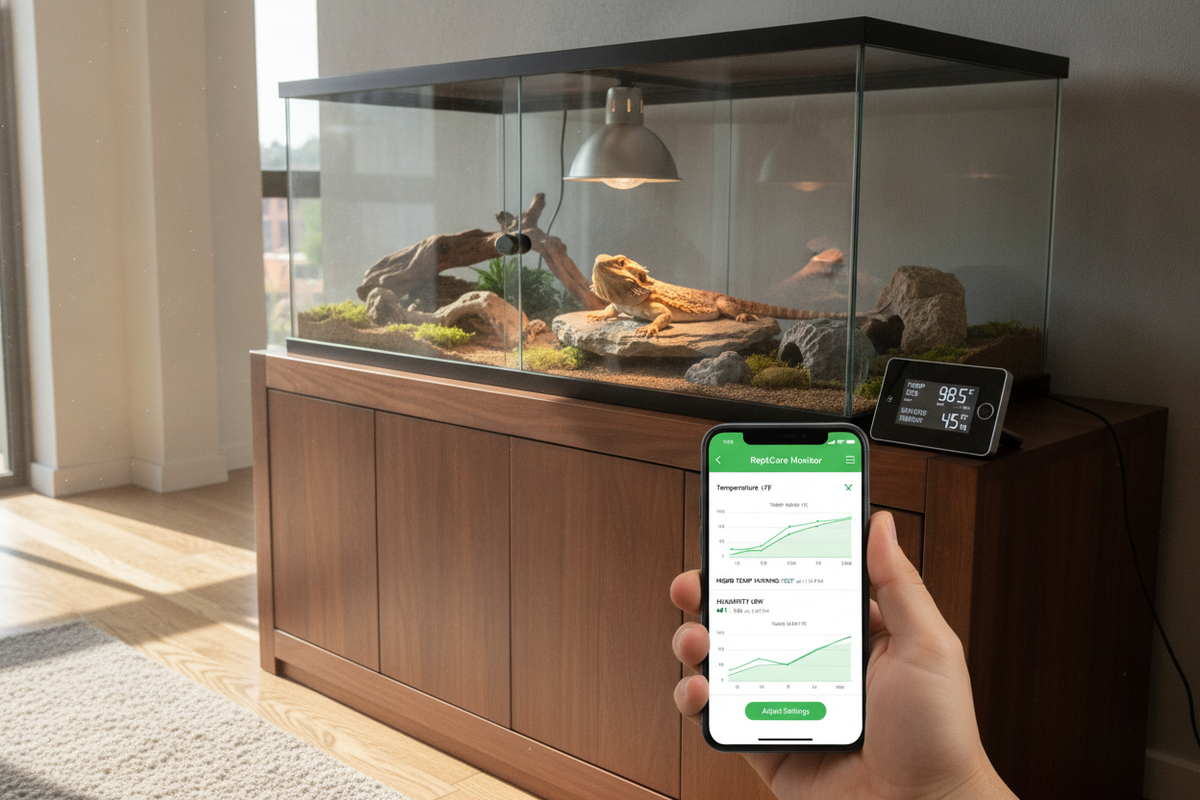
A keeper may welcome a replacement thermometer, humidity monitor, or thermostat—but ask for the exact item. A thermometer measures temperature; a thermostat controls a compatible heat source. For example, RSPCA royal python guidance calls for suitable thermostat control and separate temperature checks rather than relying on the thermostat setting alone. (rspca.org.uk)
Before buying equipment, request:
- Species and setup details: Include the enclosure dimensions and the equipment already installed.
- The exact model: Do not substitute a similar-looking controller, probe, bulb, or fitting without approval.
- Installation plans: Confirm that the keeper wants to fit the item and understands its instructions.
- Replacement requirements: Check whether the purchase creates a need for additional compatible parts.
Lighting deserves particular care. UVB provision involves more than selecting a bulb with a reptile on the box; placement near appropriate resting or basking areas is part of the setup. Leave the specifications and installation decisions to the keeper working from reliable species-specific guidance. (merckvetmanual.com)
Keeper-selected furnishings and personal gifts
Ask whether a hide, branch, shelf, or background is already on the keeper’s wish list. Get the dimensions and intended material before ordering, and do not add found outdoor objects as surprise enclosure decorations. This keeps your gift aligned with the habitat plan instead of creating another item the keeper must evaluate.
For a less technical present, consider enclosure labels, a species portrait, or a storage case for existing tools. These acknowledge the keeper’s interest without changing the animal’s environment. A well-chosen personal gift can be preferable to an impressive-looking habitat accessory with no confirmed use.
Gifts for bird owners
For bird owners, start with the species, the individual bird’s habits, and the owner’s approach to enrichment. Foraging toys and puzzles can provide opportunities to explore and work for food, but construction must suit the bird. Toy parts should not be swallowable or create entanglement hazards. (vcahospitals.com)
Foraging toys and replacement materials
Ask which toys the bird already uses before choosing a new one. An owner-approved refill or replacement may be more useful than a large unfamiliar toy. Check attachments, removable pieces, open links, and loose fibers carefully; attractive packaging does not remove the need for inspection. (vcahospitals.com)
A focused bird gift could include:
- An approved foraging toy: Let the owner select the difficulty and size.
- Replacement components: Buy the exact materials requested for an existing toy system.
- A storage container: Keep unopened supplies organized outside the enclosure.
- A gift receipt: Make it easy to exchange anything unsuitable.
Present the gift to the owner rather than placing it directly in the cage. Some birds are frightened by unfamiliar objects and need gradual introductions. The owner should decide how and when to offer something new, while continuing to inspect it during use. (vcahospitals.com)
Gifts for the owner’s routine
A washable cleanup mat, supply organizer, or notebook can support the owner without changing the cage. Ask about dimensions and cleaning preferences before choosing. For something decorative, a portrait or framed photograph keeps the focus on their particular bird rather than a generic bird motif.
Avoid adding perfume, sprays, or strongly scented household products to the package. Birds’ respiratory systems are sensitive to chemical fumes, including perfumes and other sprays. A bird-themed gift does not need fragrance to feel special; choose an unscented, nonchemical keepsake instead. (merckvetmanual.com)
Gifts for ant keepers
For an ant keeper, start with the species name, colony stage, and existing equipment. Nest sizing is not interchangeable: specialist manufacturer Tar Heel Ants considers both worker and queen size when advising on suitable nests. Buying the largest habitat available is therefore not a reliable shortcut. (tarheelants.com)
If those details are unavailable, focus on observation and record-keeping rather than housing. A gift can celebrate this small-scale hobby without introducing new animals or altering the colony’s environment.
Observation and keeper-approved tools
Ask the recipient to select any tool that will be used inside the setup. For a personal gift, consider a magnifying glass, phone photography stand, illustrated ant book, or colony journal. Choose the stand around the recipient’s phone and viewing arrangement, and avoid anything that requires moving the nest simply to use it.
A colony journal could include spaces for:
- Species and source: Record the colony’s identification and background.
- Dated photographs: Keep observations together without needing elaborate equipment.
- Keeper notes: Leave room for the owner’s established feeding and maintenance records.
- Future purchases: Create a wish list with exact sizes and supplier details.
For habitat gifts, request the exact component and supplier. Ask the keeper to confirm connections, dimensions, and suitability before purchase. Do not substitute generic tubing or a decorative ant farm because it appears similar to the requested item.
Avoid surprise colonies
Treat live ants as a planned responsibility, not a novelty stocking filler. In the United States, USDA regulates ant imports and interstate movement, and permit requirements apply. Before purchasing or shipping ants, check current USDA APHIS guidance and confirm that the specific shipment is permitted; do not rely solely on a seller’s assurance. (aphis.usda.gov)
For a gift, there is rarely a reason to make live animals the surprise. Offer to fund a keeper-selected purchase after the recipient has checked the requirements. That leaves species choice, timing, and preparation with the person who will care for the colony.
Personalized gifts and thoughtful keepsakes
Personalized gifts are worth considering when the owner already has the equipment they need. A portrait, embroidered bag, custom socks, engraved key ring, or photo book can celebrate a particular animal without changing its care. Keep the design tied to the recipient’s taste rather than assuming every pet owner wants a novelty slogan.
For commissioned artwork, supply clear reference photographs and check names carefully. Include distinctive markings and ask whether the owner prefers a realistic image or a simpler illustration. A cat’s facial pattern, a bird’s coloring, or a reptile’s markings may matter more to the recipient than an elaborate background.

Matching gifts do not have to mean matching clothing. Pair an owner’s tote with an embroidered supply pouch, or coordinate a mug with a portrait print. This creates a connected set without asking the animal to wear something unfamiliar.
Memorial gifts require a quieter approach. Ask whether a keepsake would be welcome, confirm the preferred photograph and wording, and avoid making it a public surprise. A simple card or an offer to help assemble a photo album may be the better choice if you are unsure.
When is a smart pet gadget worth giving?
A smart gadget is worth considering when the owner has identified a specific task it should help with and wants the device involved. Before purchasing a feeder, camera, or automated litter product, check the exact model, maintenance needs, compatibility, and ongoing costs. Convenience should be a clear use case, not an assumed benefit.
Work through a few practical questions together:
- What task should it handle? Identify the routine the owner wants to support rather than buying technology for its own sake.
- What happens during a power or connection failure? Read the product instructions and agree on the backup arrangement.
- How is it cleaned? Check access to washable parts and the manufacturer’s maintenance directions.
- What does continued use require? Confirm subscriptions, consumables, replacement parts, and app access.
- Can it be returned? Check the policy before opening or installing it.
Do not promise that automation will solve a health or behavior concern. If that is the reason for the purchase, encourage the owner to discuss the concern with their veterinarian first. For gifting, a contribution toward a carefully chosen device is often more sensible than selecting one without the owner’s input.
Build a focused gift bundle
Choose one main item, one useful supporting item, and a personal note. For example, pair an approved dog toy with a storage pouch, a cat blanket with a portrait card, or an ant journal with a phone stand. Keep technical habitat purchases separate unless the recipient has specified every component.
For a new pet owner, add an offer of practical help: collecting an order, organizing supplies together, or contributing toward a planned purchase. For an experienced keeper, ask for the wish list they have been refining. The strongest gift is not necessarily the newest or largest—it is the one that fits the animal, respects the owner’s choices, and earns a place in everyday life.

Written by Talis Us



Leave a comment
This site is protected by hCaptcha and the hCaptcha Privacy Policy and Terms of Service apply.