


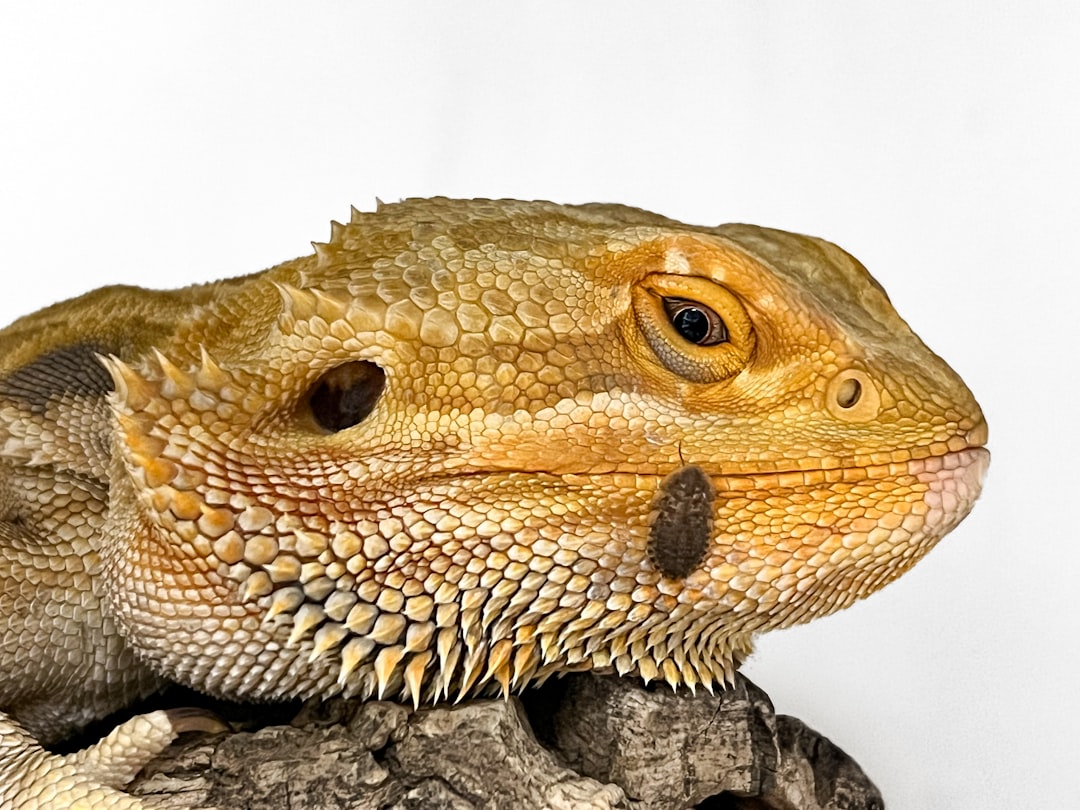
Ultimate Bearded Dragon Decor Kit for Ideal Setup
Essential Bearded Dragon Decor Kit Guide
Bringing a bearded dragon into your home is like adopting a tiny, scaly piece of the Australian Outback. These charismatic reptiles, affectionately known as "beardies," are beloved for their distinct personalities, gentle demeanor, and fascinating behaviors. However, keeping them healthy and happy requires much more than just a glass box and a heat lamp. To help your reptilian friend thrive, you need to create a carefully curated environment.
For both beginner reptile keepers and experienced herpetoculturists, finding the right habitat components can be overwhelming. This is where investing in a comprehensive bearded dragon decor kit comes into play. A well-designed kit not only saves you time but ensures you have all the foundational pieces necessary for a safe, engaging, and beautiful enclosure.
In this comprehensive guide, we will explore everything you need to know about setting up your dragon’s home, from choosing the right flooring to adding the perfect finishing touches. Let's dive into the ultimate bearded dragon setup!

The Foundation: Choosing the Right Flooring
Before you can start arranging the exciting components of your bearded dragon decor kit, you have to lay the groundwork. The bottom layer of your enclosure is critical for your dragon's health, hygiene, and overall comfort.
Loose Substrate vs Reptile Carpet
The debate over the best flooring for bearded dragons has been going on for years in the reptile community. When weighing loose substrate vs reptile carpet, there are several factors to consider based on your dragon’s age and your husbandry experience.
- Reptile Carpet: Traditionally, reptile carpet has been recommended for beginners. However, it can harbor dangerous bacteria if not washed daily, and its woven fibers can occasionally snag a dragon's nails.
- Loose Substrate: For adult dragons, a naturalistic loose substrate (like a 50/50 mix of organic topsoil and washed play sand) allows for natural digging behaviors. However, loose substrate is not recommended for baby or juvenile dragons, as they are clumsy eaters and prone to swallowing their bedding.
Safer Solid Alternatives
If you are worried about your dragon ingesting loose particles, preventing impaction with reptile floor liners is an excellent strategy. Impaction occurs when a reptile swallows something it cannot digest, causing a life-threatening intestinal blockage.
Instead of traditional carpet, consider these solid alternatives:
- Textured Slate Tile: Slate tile looks incredible, naturally files down your dragon's nails, and absorbs heat perfectly.
- Non-Adhesive Shelf Liner: Easy to wipe down, inexpensive, and completely safe.
- Custom PVC Mats: Many modern bearded dragon supplies include pre-cut, textured PVC mats that mimic the look of rock or sand but are completely solid and easy to sanitize.

Must-Have Elements in Your Bearded Dragon Decor Kit
Once your flooring is sorted, it is time to build the landscape. A standard bearded dragon decor kit will typically include three main categories of items: basking platforms, hides, and climbing structures.
1. Basking Spots and Heat Zones
Bearded dragons are cold-blooded desert dwellers. They rely entirely on their environment to regulate their body temperature and digest their food. A premium decor kit must include a dedicated basking spot that can safely absorb and retain heat from your overhead lamps.
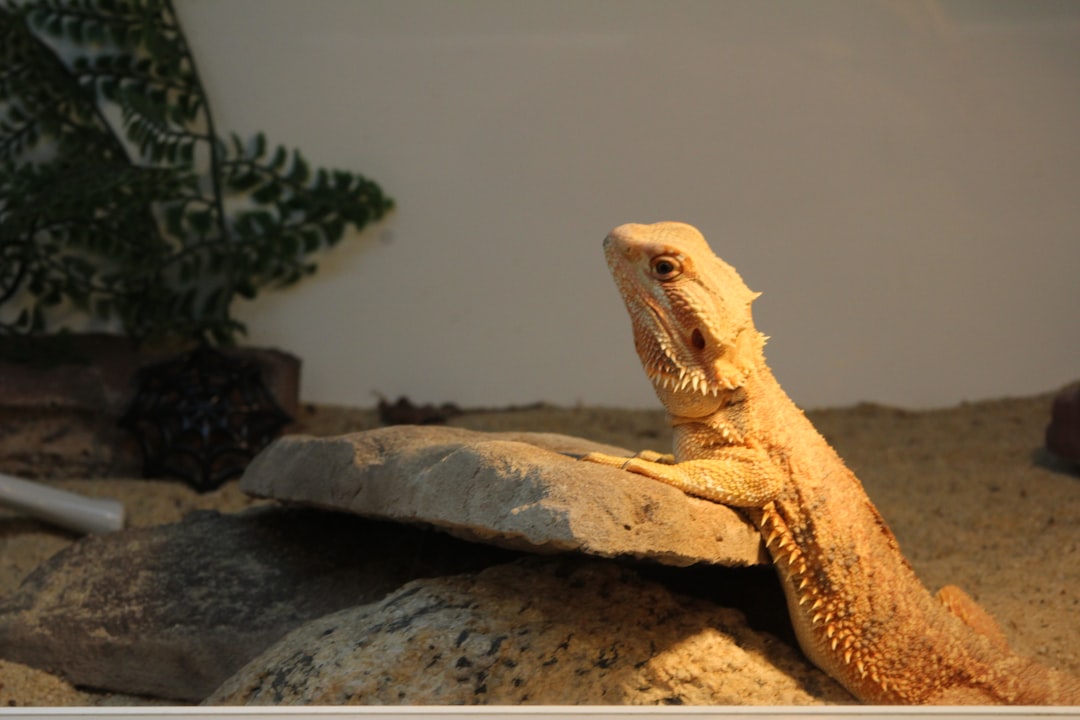
When selecting a basking platform, natural stone is incredibly effective. Look for UVB-friendly basking rocks made of slate or natural flagstone. These materials absorb thermal radiation from your heat bulb and warm the dragon's belly, aiding in digestion. Furthermore, these rocks do not reflect UVB rays in harmful ways, ensuring your dragon gets a steady, safe dose of artificial sunlight.
If you prefer a lighter, easier-to-clean option, non-toxic resin basking platforms are fantastic alternatives. Modern resin platforms are cast from molds of real rocks, offering a highly realistic appearance without the immense weight. Just ensure the resin is explicitly labeled as heat-resistant and non-toxic, so it won’t off-gas dangerous fumes when placed under a 105°F (40°C) heat lamp.
2. Hides for Security and Rest
Even top predators need a place to feel safe. Reducing bearded dragon stress with hides is a fundamental aspect of reptile husbandry. A stressed bearded dragon may refuse to eat, turn dark in color, and pace the glass (often called "glass surfing").
Your enclosure should have at least two hides:
- The Warm Hide: Placed near (but not directly under) the basking spot.
- The Cool Hide: Placed on the opposite end of the terrarium to allow the dragon to escape the heat entirely.
A good decor kit will include hides that are snug but large enough for your dragon to turn around in. Cork bark tubes, resin caves, and hollowed-out half-logs are all excellent choices that blend seamlessly into a desert aesthetic.
3. Branches and Vertical Enrichment
Bearded dragons are semi-arboreal, meaning that in the wild, they love to climb fence posts, bushes, and low trees to survey their territory. Providing vertical space is vital for their muscle tone and mental health.
When choosing branches, a common question arises: what size branches for adult bearded dragons are actually safe? As a rule of thumb, the branch should be at least as wide as the dragon's body to provide proper support. If a branch is too thin, your dragon will struggle to balance, which can lead to falls and joint stress. Look for thick pieces of Grapewood, Ghost Wood, or Manzanita.
To maximize the vertical space on your glass walls, consider adding magnetic ledges for vertical enrichment. These incredibly strong, resin-coated foam ledges attach to the side of your glass tank via heavy-duty magnets. They provide an elevated lookout point that beardies absolutely adore, effectively increasing the usable square footage of your tank.

Bringing the Outback Home: Arid Terrarium Landscaping Ideas
Functionality is crucial, but aesthetics matter too! You have to look at this enclosure every day in your living room or bedroom, so making it beautiful is a rewarding part of the hobby. A naturalistic bearded dragon habitat setup mimics the animal’s wild environment, stimulating their natural instincts while looking like a gorgeous piece of living art.
Landscaping with Plants
When brainstorming arid terrarium landscaping ideas, plants are often the first thing that comes to mind. But should you use real or fake foliage?
The debate of artificial plants vs live succulents comes down to your dragon's appetite. Bearded dragons are omnivores, and many love to take a bite out of their decor.
- Live Succulents: If you use live plants, they must be 100% non-toxic and pesticide-free. Edible options like Aloe Vera (in moderation), Haworthia, Echeveria, and spineless Prickly Pear cactus are excellent. The downside? Your dragon might trample or eat them faster than they can grow.
- Artificial Plants: High-quality silk or plastic desert plants provide excellent visual appeal and shade. However, you must monitor your dragon closely when introducing fake plants. If your beardie is prone to chewing on plastic leaves, they must be removed immediately to prevent impaction.
Taking the Next Step: The Bioactive Route
For the ultimate naturalistic experience, many keepers are now creating a bioactive bearded dragon vivarium. A bioactive setup is essentially a self-sustaining ecosystem. It utilizes a deep, custom-mixed soil substrate (often clay, sand, and topsoil) inoculated with a "cleanup crew" of beneficial insects, such as arid springtails and powder blue isopods.
These tiny bugs break down your dragon's waste, aerating the soil and providing nutrients for live desert plants. While a bioactive setup requires more initial research and investment than a standard bearded dragon decor kit, it drastically reduces the need for full substrate changes and offers unparalleled enrichment for your pet.

Enrichment and Accessories for a Happy Dragon
A bare tank with just a rock and a food bowl will lead to a lethargic, bored lizard. Just like dogs or cats, reptiles benefit heavily from mental stimulation. When shopping for bearded dragon supplies, look beyond the basics.
Aside from your main decor kit, there are several essential desert reptile tank accessories you should consider:
- Hammocks: Woven seagrass or mesh hammocks are wildly popular in the beardie community. They provide a comfortable, breathable lounging spot. Just ensure your dragon's nails are trimmed so they don't get caught in the mesh.
- Dig Boxes: If you use solid floor liners but still want to let your dragon exhibit natural digging behaviors (especially important for females who may need to lay unfertilized eggs), provide a small, shallow plastic bin filled with a safe soil/sand mix.
- Enrichment Toys: Believe it or not, lizards can play! Enrichment foraging toys for lizards, such as plastic treat-dispensing balls, can be filled with a few live mealworms or dried insects. As the dragon bats the ball around, bugs fall out, encouraging exercise and mimicking the thrill of the hunt.
Monitoring and Maintenance: Keeping It Safe and Clean
Even the most stunning bearded dragon decor kit will fail if the environmental parameters are incorrect or if the tank becomes unsanitary. Precision and cleanliness are the hallmarks of a responsible reptile keeper.
Dialing in the Climate
Bearded dragons require a very specific temperature gradient to survive. This means one side of the tank must be hot, and the other side must be cool. Proper hygrometer and thermometer placement is absolutely non-negotiable.
Never rely on those cheap, analog dial thermometers that stick to the glass—they only measure the ambient temperature of the glass itself, not the basking surface or the air your dragon breathes. Instead, you need at least two digital probe thermometers (one for the cool zone, one for the warm zone) and a digital hygrometer to measure humidity.
- Placement: Place the hot-side probe directly on the basking rock (target temp: 100°F–110°F for adults). Place the cool-side probe inside or near the cool hide (target temp: 75°F–80°F). The hygrometer probe should be placed in the middle of the tank to ensure humidity stays between 30% and 40%, preventing respiratory infections. Additionally, keep a digital infrared temp gun handy to instantly check surface temperatures of your decor.

The Art of Sanitization
Reptiles carry bacteria, and their enclosed environments can quickly become breeding grounds for mold and parasites if not maintained. Knowing how to sanitize reptile tank decor will save you from expensive exotic vet bills down the line.
Here is a simple, effective cleaning routine for your decor kit:
- Daily Spot Cleaning: Remove feces, uneaten greens, and dead insects immediately. Wipe down the immediate area with a reptile-safe wipe or a mixture of 50/50 distilled water and white vinegar.
- Weekly Decor Wipe Down: Remove your resin basking platforms, food bowls, and smooth hides. Wash them in hot water with a mild, unscented dish soap. For thorough disinfection, use a veterinary-grade cleaner like Chlorhexidine or F10SC. Rinse heavily and dry completely before returning them to the tank.
- Monthly Deep Clean for Wood and Rock: Porous items like real wood branches and natural slate rocks can soak up bacteria. To sanitize natural wood, scrub it with a wire brush and hot water, then bake it in your oven at 250°F (120°C) for 1 to 2 hours to kill any pathogens (monitor closely to prevent fire hazards). For natural rocks, boiling them in water for 20 minutes is a highly effective sanitization method.
By keeping your beautifully landscaped terrarium spotless, you ensure that your dragon's home remains a sanctuary rather than a health hazard.
Frequently Asked Questions About Bearded Dragon Kits
To ensure you have all the knowledge needed to build your ultimate setup, let's address a few common questions reptile keepers have when putting together their terrariums.
Can I use items from my backyard in my bearded dragon setup? While it is tempting to collect free rocks and branches from outside, it comes with risks. Outdoor items can carry toxic sap, pesticides, parasites, and harmful fungi. If you choose to use outdoor wood or rocks, you must identify the wood species (e.g., avoid pine or cedar, which are toxic to reptiles) and rigorously sanitize the items by boiling or baking them before introducing them to the enclosure. Buying a pre-curated bearded dragon decor kit is usually much safer and less stressful.
How often should I rearrange my bearded dragon's decor? Unlike some pets that thrive on constant environmental changes, bearded dragons can actually get stressed if their "furniture" is moved too often. It is best to establish a layout that works and stick to it. If you want to provide new enrichment, do so by introducing temporary toys or rotating a single piece of decor out during a deep clean, rather than rearranging the entire tank.
Does my decor block UVB light? It certainly can! When setting up your climbing branches and hides, ensure they do not completely block your dragon's access to their linear UVB tube. The highest basking branch or rock should be placed at a specific distance from the UVB bulb (usually 10 to 14 inches, depending on the strength of the bulb) to ensure they get the correct UV index for synthesizing Vitamin D3.
Conclusion
Building the perfect habitat for your scaly companion doesn't have to be a source of stress. By investing in a high-quality bearded dragon decor kit, you are setting the stage for a lifetime of health and happiness for your pet.
Remember that the foundation of a great setup starts with safety—choosing the right flooring, ensuring proper branch sizes, and utilizing secure, heat-safe basking spots. From there, you can let your creativity run wild with arid landscaping, vertical climbing ledges, and engaging enrichment toys.
Whether you opt for an easy-to-clean minimalist setup with resin rocks and slate tile, or you decide to take the plunge into a fully bioactive desert oasis, prioritizing your dragon's physical and mental needs is what truly matters. Take your time, monitor those temperatures, keep the decor sanitized, and enjoy the incredibly rewarding experience of watching your bearded dragon explore and thrive in the miniature world you’ve created just for them.

Written by Talis Us


Leave a comment
This site is protected by hCaptcha and the hCaptcha Privacy Policy and Terms of Service apply.