


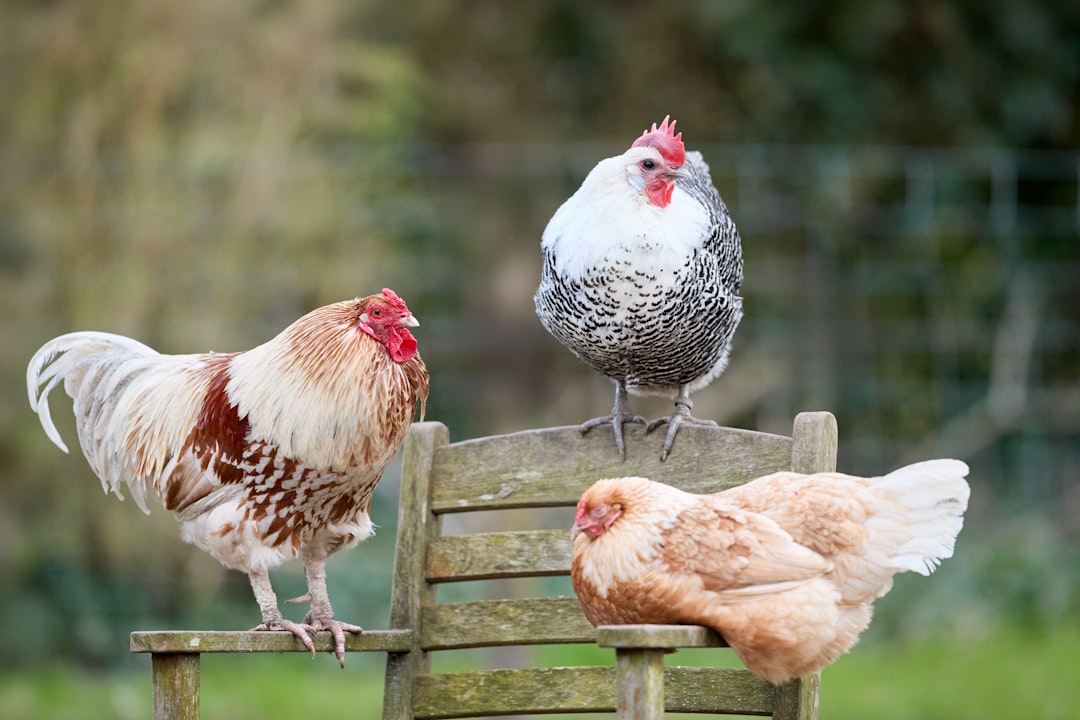
Ultimate Backyard Flock Hub: Build & Maintain
Creating the Ultimate Backyard Flock Hub
There is nothing quite like stepping into your garden with your morning coffee and collecting a basket of fresh, warm eggs. That peaceful suburban dream is what drives so many families toward self-sufficiency, but achieving it requires more than just buying a few birds. You are actually building a complete Backyard Flock Hub—a thriving ecosystem right next to your patio where your family, your garden, and your animals work beautifully together.
Many beginners worry that raising chickens demands the endless hours of a full-scale farm. According to common homesteading wisdom, you actually only need about fifteen minutes a day to keep a small suburban setup happy and healthy. Determining if your yard is truly "Flock Ready" requires evaluating the real-world time and cost commitment before bringing any chicks home.
Before picking out a coop, be aware of a phenomenon affectionately known as "Chicken Math." This is a highly common trap where an aspiring keeper plans for exactly three hens, but magically leaves the feed store with six because the fluffy chicks were simply too cute to resist. Planning your space correctly from day one prevents overcrowding and ensures your backyard sanctuary can safely handle these inevitable flock expansions.
Navigating urban poultry keeping regulations serves as your final hurdle before breaking ground. Starting a backyard flock requires a quick call to city hall to ask three basic legal questions: how many birds are allowed, what are the property line setback rules, and are roosters strictly banned? Answering these questions immediately guarantees your new morning routine remains a stress-free joy rather than a neighborhood dispute.
Navigating the Rules: Why Your Zip Code Determines Your Coop Size
Before buying wood for a coop, you must check how your city views your future feathered friends. Under many urban poultry keeping regulations, chickens walk a fine line between household pets and agricultural livestock. Pet classifications usually mean fewer hurdles, while livestock designations often bring stricter rules for suburban yards.
Navigating backyard chicken laws involves two essential terms: flock limits (the maximum number of birds allowed) and setback requirements—which simply means the legal distance your coop must sit from property lines. Decode your local rules using this quick checklist:
- Search your city’s municipal code online for the keyword "poultry."
- Find the exact setback distance required from your shared fence.
- Check if roosters are banned (they almost always are).
Good fences make good neighbors, but free breakfasts are even better. Practice "Neighbor Diplomacy" by sharing your plans early and offering a weekly carton of fresh eggs to ease any noise concerns. With the paperwork sorted and neighbors happy, the next step is designing a secure, spacious habitat.
The Six-Bird Blueprint: Designing a Coop That Prevents Crowding and Disease
Think of the coop as your flock's bedroom, where they need personal space to sleep comfortably without squabbling. For a standard chicken coop 6 chickens call home, always apply the "Rule of 4." This simply means providing four square feet of interior floor space per bird, totaling 24 square feet inside.
Beginners often buy pre-fab coops only to discover major predator weak points like flimsy locks and thin netting. When building a predator proof coop, swap standard chicken wire for hardware cloth—a rigid, tightly woven metal mesh. Chicken wire merely keeps your chickens inside, while hardware cloth actually keeps hungry wildlife out.
Fresh air matters just as much as floor space. Reliable diy plans for chicken coop builds emphasize cubic air turnover—the continuous replacement of stale, damp air with fresh outdoor breezes. Aim for one square foot of ventilation per bird, placed high near the roof to avoid chilling your hens while they sleep.
Double-check these essential coop features for a flock of 6:
- 24 square feet of secure interior space.
- 6 square feet of roof-line ventilation.
- Rigid hardware cloth fastened on all windows.
With the basic layout complete, security becomes the top priority.

Building a Fort Knox: Predator-Proofing Strategies to Keep Your Flock Safe
As the sun sets on your backyard, local wildlife wakes up. You might think a sliding bolt is enough when building a predator proof coop, but suburban raccoons have surprisingly nimble, toddler-like hands. To outsmart them, always use a two-step latch—like a carabiner clip—that strictly requires opposable thumbs to open.
Foxes and stray dogs prefer a different tactic: digging underneath. To stop these persistent ground hunters, install a predator skirt (also called a hardware cloth apron). This is simply a two-foot wide border of rigid metal mesh laid flat on the grass around your coop's exterior perimeter. When an animal tries digging at the base of the fence, they immediately hit the hidden metal and quickly give up.
Securing your setup from ground to sky provides total peace of mind. Add these four must-have hardware upgrades to your build:
- Carabiners on all human-access doors and nesting boxes.
- A rigid predator skirt staked firmly into the soil.
- Overhead wire netting across the run to block swooping hawks.
- Drip-free automatic waterer systems for small coops to prevent muddy puddles from rusting your ground wire.
With your fortress completely secured, you can confidently select your birds.
Picking Your Starter Squad: Matching Breeds to Your Lifestyle and Climate
Choosing your birds is just like picking a family dog. Different types of chickens have physical traits suited for specific environments. In snowy regions, heavy birds with small combs—the fleshy red crest on their head—resist frostbite beautifully. Conversely, Southern keepers need heat-tolerant, lightweight birds to survive sweltering suburban summers.
Beyond weather, you must balance egg volume with bird longevity. While beginners naturally seek the best chicken breeds for egg production, high-yield commercial birds often stop laying after just two years. Instead, explore heritage breeds—traditional birds raised before industrial farming that lay at a steady, manageable pace for much longer. Similarly, dual-purpose breeds—sturdy, medium-sized chickens historically kept for both eggs and meat—make remarkably resilient backyard pets.
When researching types of chickens breeds, families should always prioritize temperament over maximum yield. The "Docile Trio" offers the best value for suburban families with young children:
- Buff Orpingtons: The sweet, fluffy "golden retrievers" of the flock.
- Plymouth Rocks: Calm, incredibly cold-hardy, and reliable daily layers.
- Australorps: Quiet, heat-tolerant birds that handle being held gracefully.
Once you select the perfect birds for your household, they will need a warm, safe indoor nursery.
From Brooder to Backyard: Essential Equipment for Raising Healthy Chicks
Bringing home chicks is the sweetest part of learning how to start a backyard flock, but they need an indoor nursery called a brooder before moving outside. Think of this as a cozy, draft-free playpen. The most essential equipment for brooding chicks is a heat plate—a warm canopy they duck under. Unlike risky heat lamps, plates create a safe temperature gradient, allowing babies to step away to self-regulate when they get warm, perfectly mimicking a mother hen.
Your tiny flock only needs a few specific tools to thrive. Travel stress often causes pasty butt, a dangerous issue where droppings block their rear vent. Adding a splash of apple cider vinegar to their water prevents this digestive blockage. Here is your 'Chick Survival' supply list:
- Pine shavings for clean bedding.
- Shallow chick feeders to minimize waste.
- Small waterers to prevent accidental drowning.
As fuzz transforms into real feathers, you must begin hardening off—gradually lowering the brooder's temperature to match the yard. Fully feathered six-week-old birds can then safely graduate to the outdoor coop. Now that they are safely housed, providing the right nutrition will fuel their rapid growth.

The Nutrition Formula: Feeding for Golden Yolks and Strong Shells
Just like puppies, young chickens need meals tailored to their rapid growth. From day one until eight weeks old, provide a high-protein crumble called chick starter. During the "teenage" phase between eight and eighteen weeks, transition them to developer/grower feed, which reduces protein levels to safely support their developing bones.
The menu changes once that first egg appears in the nesting box. Meeting the nutritional requirements for laying hens means switching to adult layer pellets packed with essential nutrients. You should always provide crushed oyster shell in a separate dish so each hen can self-regulate her calcium intake for strong eggshells, which ensures you never accidentally over-medicate the flock.
Processing these meals requires a little extra help since birds lack teeth. Offering a small bowl of grit—tiny pieces of crushed rock—gives them the internal mechanism needed to grind up solid food. This becomes especially vital when sharing kitchen leftovers with the best chicken breeds for egg production; while safe treats like watermelon rinds are fantastic, you must strictly avoid toxic scraps like avocado pits or raw beans.
What goes in must come out, and your flock's daily diet naturally dictates their waste, making odor and manure management a natural next step.
Natural Odor Control: How to Manage Manure and Keep Neighbors Happy
There’s a common fear that keeping backyard chickens means your yard will smell like a barn, but natural ways to control coop odors are surprisingly simple. By pairing good airflow with dry pine shavings, you easily neutralize ammonia spikes before they bother the neighbors.
Instead of scrubbing every weekend, smart keepers use the Deep Litter Method—a technique using indoor composting to reduce major cleanings to just twice a year. Here is your four-step routine:
- Start with four inches of pine shavings on the coop floor.
- Toss scratch grains inside to encourage hens to naturally stir the bedding.
- Add fresh shavings weekly right over the new waste.
- Let good bacteria break down the bottom layers over time.
This system creates the ideal nitrogen-to-carbon ratio (mixing nitrogen-rich manure with carbon-rich shavings), acting as your built-in guide to sustainable chicken manure composting. Come spring, this aged mixture transforms into "Black Gold"—a rich, free fertilizer for your vegetable garden. While a clean coop keeps your birds healthy, changing seasons will introduce new environmental challenges to monitor.
Troubleshooting the Flock: Managing Molting, Winter, and Common Ailments
Seeing your hens suddenly lose handfuls of feathers can be terrifying, but don't panic. This is just a molt—a natural process where they drop old feathers to grow a fresh, warm winter coat. While a natural molt is completely harmless, sudden bald patches might also signal external pests. Think of biosecurity as a "shoes-off" policy for your backyard; keeping wild birds and outside germs away aids in preventing common poultry diseases and stops mites or lice before they spread.
When temperatures drop, maintaining a healthy flock in winter requires simple adjustments rather than expensive gear. Skip the highly flammable heat lamps; instead, prevent frostbite by blocking cold drafts while maintaining high ventilation, and use a plug-in heated dog bowl to keep water liquid in sub-zero weather. Because chickens naturally hide illness, quickly scan for these signs during your morning feed:
- Healthy: Alert, bright eyes and a plump, vibrant red comb.
- Sick: Huddled in a corner, puffed-up feathers, or a pale comb.
- Pests: Constant scratching or a dirty vent area under the tail.
Mastering these seasonal basics ensures your birds stay happy year-round and prepares you to launch your flock.

Your Backyard Flock Hub Action Plan: The 30-Day Launch Sequence
Starting a backyard flock doesn't have to be overwhelming. By focusing strictly on your "Must-Have" equipment—a secure coop, basic waterers, and quality feed—and ignoring the "Nice-to-Have" gadgets for now, you are fully prepared to welcome your new birds.
To keep your momentum going, execute a steady four-week timeline from your coop build to your chick arrival. Follow this practical 30-day timeline to prepare for your new arrivals:
- Days 1-7: Confirm local zoning laws and pick the perfect shaded spot for your coop.
- Days 8-14: Build or assemble your predator-proof coop and secure the run hardware cloth.
- Days 15-21: Purchase your essential brooder supplies, chick starter feed, and pine shavings.
- Days 22-30: Set up the brooder's heat source, test the temperature, and bring your chicks home.
Once comfortable with this daily routine, tap into your local poultry community for long-term support. Connecting with other Backyard Flock Hub readers or chatting with the friendly folks at your neighborhood feed store provides a fantastic safety net when you need quick, practical advice.
What once felt like a complex farming operation is now just an enjoyable extension of your daily routine. The very first morning you walk out to the backyard in your slippers and discover a warm, freshly laid egg waiting in the nesting box, you'll know exactly why this rewarding journey was worth every simple step.

Written by Talis Us



Leave a comment
This site is protected by hCaptcha and the hCaptcha Privacy Policy and Terms of Service apply.