



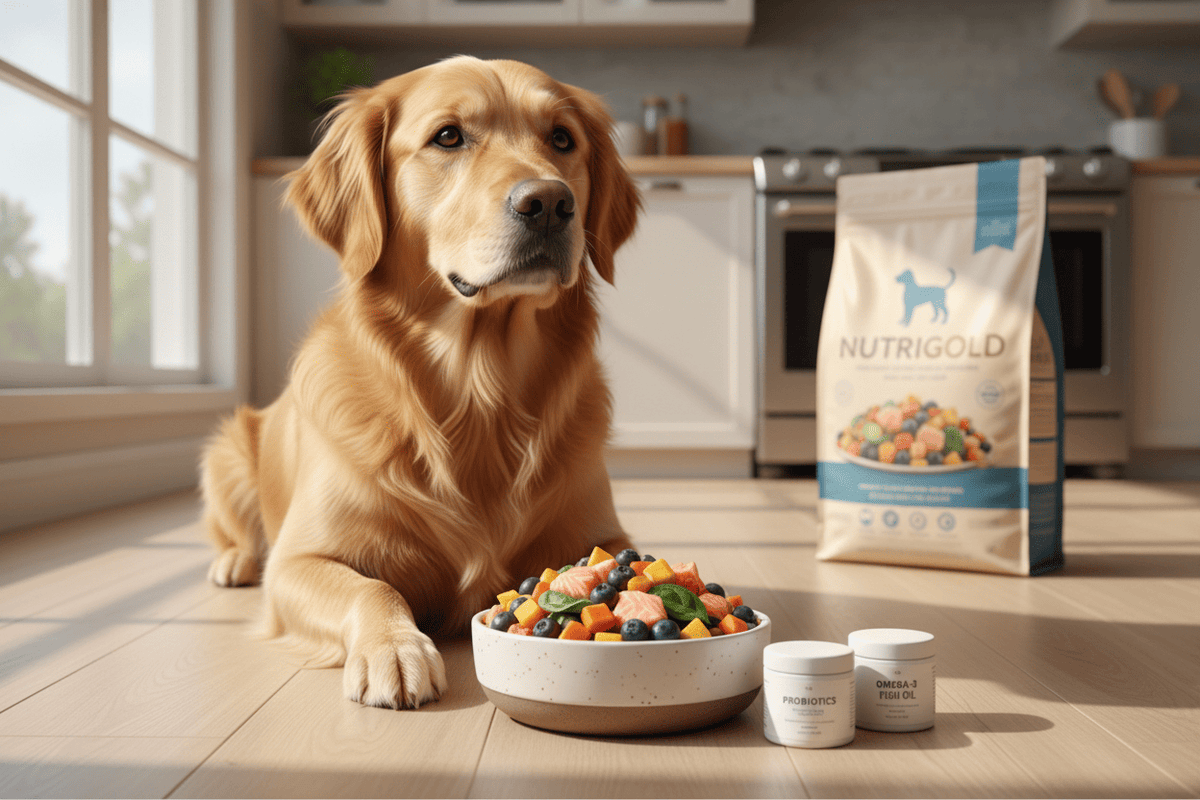
Top 5 Premium Ingredients for Optimal Canine Health: What Your Dog's Food Should Contain
The Power of Premium Nutrition in Your Dog's Diet
When it comes to your furry companion's health, what goes into their bowl matters more than you might think. Premium dog food ingredients can significantly impact your pet's overall health, energy levels, coat quality, and even their lifespan. As more pet parents prioritize quality nutrition, understanding what truly makes certain ingredients "premium" becomes essential for making informed choices about your dog's diet.
Today's pet food market is flooded with options claiming to be "premium" or "high-quality," but what does that actually mean? In this comprehensive guide, we'll explore the top five premium dog food ingredients that veterinarians and canine nutritionists consistently recommend for optimal health. We'll also discuss why these ingredients matter and how to identify truly high-quality options when shopping for your four-legged family member.
High-Quality Animal Proteins: The Foundation of Canine Nutrition
Protein is the cornerstone of your dog's diet, providing essential amino acids that support muscle development, immune function, and overall health. However, not all protein sources are created equal. Premium dog foods feature high-quality animal proteins as their first ingredient, ideally from named sources like chicken, beef, lamb, or fish rather than vague terms like "meat meal" or "animal by-products."
Quality protein should comprise at least 18-25% of your adult dog's diet, with puppies requiring even higher amounts (22-32%) to support their rapid growth. The biological value of the protein—how efficiently your dog's body can use it—matters just as much as the quantity.
Why Human-Grade Meat Sources Make a Difference
The term "human-grade" indicates that the meat in your dog's food is handled, processed, and transported according to the same standards required for human consumption. This distinction is significant for several reasons:
Superior Quality Control: Human-grade ingredients must meet stricter safety and quality standards than those designated as "feed grade," reducing the risk of contamination.
Higher Nutrient Retention: These ingredients typically undergo less processing, preserving more of their natural nutritional value.
Better Digestibility: Human-grade proteins are often more digestible for dogs, meaning your pet can absorb more nutrients from their food.
Reduced Fillers and By-products: Foods with human-grade meat sources typically contain fewer low-quality fillers and by-products that offer minimal nutritional value.
According to a study published by the Association of American Feed Control Officials (AAFCO), the source and quality of protein in dog food significantly impacts how well dogs can utilize the nutrients, with higher-quality proteins showing better digestibility rates and improved overall health outcomes.
Omega-Rich Fish Oils and Their Remarkable Benefits
Omega-3 fatty acids, particularly EPA (eicosapentaenoic acid) and DHA (docosahexaenoic acid), are powerful nutrients that support numerous aspects of canine health. Premium dog foods often include fish oil from sources like salmon, sardines, or anchovies as a concentrated source of these beneficial fatty acids.
The benefits of omega-3s for dogs are extensive and well-documented:
Anti-inflammatory Properties: Omega-3s help reduce inflammation throughout the body, benefiting dogs with arthritis, allergies, or inflammatory skin conditions.
Cognitive Function: DHA specifically supports brain development in puppies and cognitive function in senior dogs.
Heart Health: Regular consumption of omega-3s contributes to cardiovascular health by helping maintain healthy blood pressure and reducing triglycerides.
Skin and Coat Quality: Perhaps the most visible benefit, omega-3s promote a lustrous coat and healthy skin, reducing dryness, itching, and excessive shedding.
Research from North Carolina State University's College of Veterinary Medicine has shown that dogs with osteoarthritis experienced significant improvements in mobility and reduced pain when their diets were supplemented with omega-3 fatty acids from fish oil.
Selecting Products with Sustainable, Pure Marine Sources
When evaluating dog foods with fish oil, consider these factors to ensure you're getting a premium ingredient:
Source Transparency: Look for brands that specify the exact source of their fish oil (e.g., "wild-caught Alaskan salmon oil" rather than just "fish oil").
Sustainability Certifications: Certifications from organizations like the Marine Stewardship Council (MSC) indicate environmentally responsible sourcing.
Purity Testing: Premium brands often test their fish oils for contaminants like mercury and PCBs, which can be harmful to dogs.
Preservation Methods: Quality fish oils should be preserved with natural antioxidants like mixed tocopherols (vitamin E) rather than artificial preservatives.
The concentration of EPA and DHA matters more than the total amount of fish oil. Look for products that specify the omega-3 content, ideally providing at least 20-30 mg of combined EPA and DHA per pound of your dog's body weight daily.
Antioxidant-Packed Fruits and Vegetables
Just as they benefit human health, fruits and vegetables provide dogs with essential vitamins, minerals, and antioxidants that support overall wellness. Premium dog foods incorporate these plant-based ingredients not as fillers but as functional components that deliver specific health benefits.
Key antioxidant-rich fruits and vegetables commonly found in high-quality dog foods include:
Blueberries: Rich in anthocyanins that combat oxidative stress and support cognitive function
Cranberries: Support urinary tract health and provide vitamin C
Sweet Potatoes: Excellent source of beta-carotene and fiber
Spinach: Provides iron, vitamins A and K, and lutein for eye health
Carrots: Contain beta-carotene for vision support and dental health
Pumpkin: Offers fiber for digestive health and beta-carotene
A study published in the Journal of Nutritional Science demonstrated that dogs fed diets containing antioxidant-rich fruits and vegetables showed improved immune function and reduced markers of oxidative stress compared to dogs on standard diets.
Superfood Ingredients That Support Immune Function
Certain plant-based ingredients have earned "superfood" status due to their exceptional nutrient density and health-promoting properties:
Kale: This leafy green is packed with vitamins A, C, and K, calcium, and antioxidants that support immune health and fight inflammation.
Turmeric: Contains curcumin, which has powerful anti-inflammatory and antioxidant properties beneficial for dogs with arthritis or other inflammatory conditions.
Chia Seeds: Provide omega-3 fatty acids, fiber, and protein in a highly digestible form.
Kelp: A sea vegetable rich in iodine, which supports thyroid function, and contains numerous minerals essential for overall health.
Coconut Oil: Contains medium-chain triglycerides (MCTs) that provide readily available energy and support cognitive function, especially in senior dogs.
When evaluating dog foods, look for these ingredients in their whole, recognizable form rather than as extracts or powders, which may have lost some of their nutritional value during processing.
Wholesome Grains vs. Grain-Free Options
The debate over grain inclusion in dog food has been ongoing for years, with strong advocates on both sides. The truth is that both quality whole grains and grain-free alternatives can be appropriate depending on your dog's specific needs.
Wholesome grains that can benefit dogs include:
Brown Rice: Easily digestible and provides B vitamins and fiber
Oats: Excellent source of soluble fiber and nutrients
Quinoa: Complete protein containing all essential amino acids
Barley: Rich in fiber and helps maintain steady blood sugar levels
These grains provide complex carbohydrates for energy, fiber for digestive health, and essential nutrients that contribute to overall wellness.
Navigating Complex Carbohydrate Choices for Your Dog
When deciding between grain-inclusive and grain-free options, consider these factors:
Individual Sensitivities: True grain allergies are rare in dogs, but some may have sensitivities to specific grains. If your dog shows signs of food sensitivity (itching, digestive upset, ear infections), work with your veterinarian to identify the specific trigger.
FDA Investigation: In 2018, the FDA began investigating a potential link between grain-free diets and dilated cardiomyopathy (DCM) in dogs. While research is ongoing, some veterinarians recommend caution with grain-free diets, particularly those high in legumes like peas and lentils.
Quality Matters: Whether grain-inclusive or grain-free, the quality of ingredients and nutritional balance is what truly matters. Low-quality fillers can appear in both types of food.
Alternative Carbohydrates: Grain-free foods typically use ingredients like sweet potatoes, chickpeas, or tapioca as carbohydrate sources. These can be nutritious options when properly balanced with other ingredients.
The American Kennel Club notes that most dogs digest properly prepared grains efficiently, contrary to popular myths about grain intolerance. Unless your dog has a diagnosed grain sensitivity or allergy, wholesome grains can be a valuable part of their diet.
Beneficial Supplements and Functional Ingredients
Premium dog foods often include targeted supplements and functional ingredients that address specific health concerns and support overall wellness. These specialized additions can make a significant difference in your dog's quality of life, especially as they age.
Key beneficial supplements to look for include:
Glucosamine and Chondroitin: Support joint health and mobility, particularly important for large breeds and senior dogs
MSM (Methylsulfonylmethane): Works synergistically with glucosamine and chondroitin to support joint function
L-Carnitine: Helps maintain healthy weight and supports heart function
Taurine: An amino acid essential for heart health and eye function
Prebiotics and Probiotics: Support digestive health and immune function
Probiotics, Glucosamine, and Other Health-Enhancing Additions
Probiotics deserve special attention as they've become increasingly important in canine nutrition. These beneficial bacteria support gut health, which is connected to numerous aspects of overall wellness:
Digestive Support: Probiotics help maintain a balanced gut microbiome, improving digestion and nutrient absorption.
Immune Function: Approximately 70% of the immune system is located in the gut, making probiotics crucial for immune health.
Reduced Inflammation: A healthy gut microbiome helps regulate inflammatory responses throughout the body.
Mental Health: Emerging research suggests a connection between gut health and cognitive function in dogs, similar to the "gut-brain axis" in humans.
Look for dog foods that specify the types and amounts of probiotics they contain. Common beneficial strains include Lactobacillus acidophilus, Bifidobacterium animalis, and Enterococcus faecium. The probiotic count should be expressed in CFUs (colony-forming units), with higher numbers generally indicating more potent formulations.
Making Informed Choices for Your Dog's Nutritional Needs
After exploring these premium ingredients, it's clear that quality nutrition can significantly impact your dog's health and longevity. When selecting dog food, consider these practical tips:
Read Ingredient Lists Carefully: Look for named animal proteins as the first ingredient, recognizable fruits and vegetables, and specific supplements rather than vague terms.
Consider Your Dog's Individual Needs: Age, activity level, breed, size, and any health conditions should all factor into your decision.
Consult Your Veterinarian: Your vet can provide personalized recommendations based on your dog's specific health profile and nutritional requirements.
Transition Gradually: When switching to a new food with premium ingredients, introduce it gradually over 7-10 days to avoid digestive upset.
Monitor Results: After transitioning to a premium food, watch for improvements in coat quality, energy levels, stool consistency, and overall vitality.
Remember that even the highest-quality ingredients won't benefit your dog if the overall formula isn't properly balanced. Look for foods that meet AAFCO (Association of American Feed Control Officials) standards for complete and balanced nutrition appropriate for your dog's life stage.
By prioritizing these premium ingredients in your dog's diet, you're making an investment in their long-term health and happiness. Quality nutrition isn't just about extending your dog's life—it's about enhancing the quality of those years through optimal health and vitality.

Written by Talis Us


Leave a comment
This site is protected by hCaptcha and the hCaptcha Privacy Policy and Terms of Service apply.