


The Ultimate Guide to Terrarium Starter Kits: Everything You Need to Get Started
So you've decided to create your own little slice of nature right in your home. Maybe you've been scrolling through social media and seen those gorgeous terrariums with tiny plants, moss, and maybe even a little reptile friend living inside. Or perhaps you're just looking for a cool new hobby that doesn't require a ton of space or maintenance. Whatever brought you here, you're in the right place! Let's talk about terrarium starter kits and how they can help you build an amazing miniature ecosystem without pulling your hair out.
What Exactly is a Terrarium?
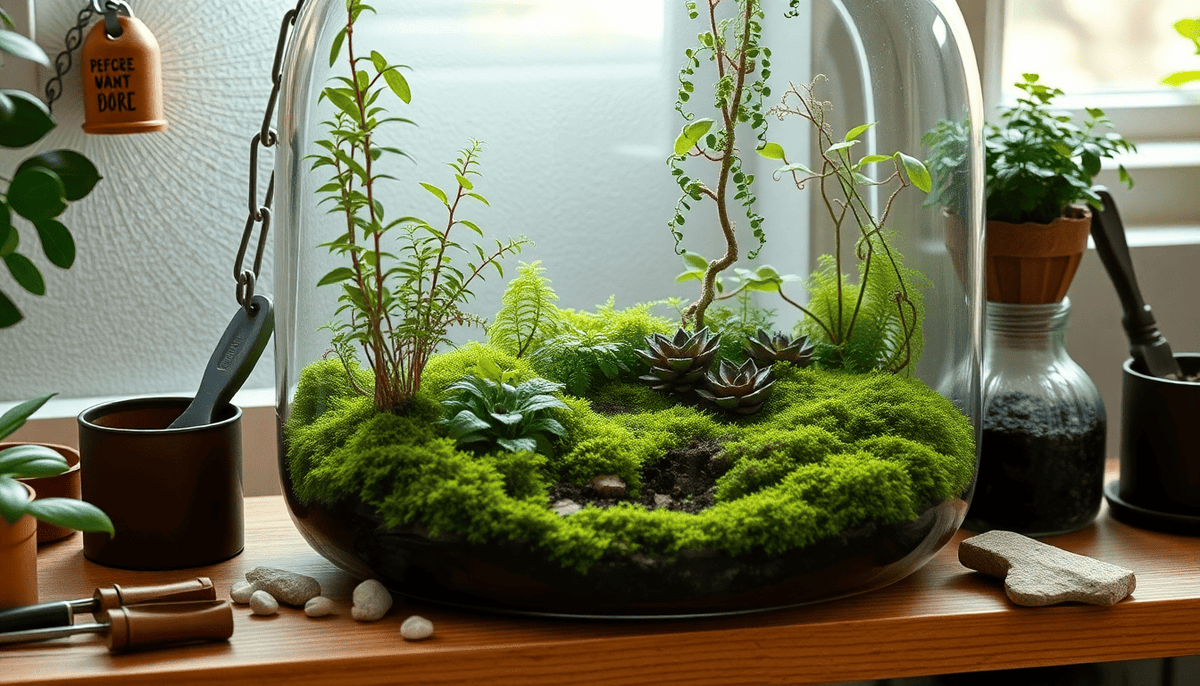
Before we dive into the nitty-gritty of starter kits, let's make sure we're all on the same page about what a terrarium actually is. A terrarium is basically a transparent container that holds soil, plants, and sometimes small animals, creating a self-contained ecosystem. Think of it as a little world in a glass box. The beauty of terrariums is that they can be as simple or as complex as you want them to be.
There are two main types of terrariums you'll encounter: closed and open. Closed terrariums are sealed containers that create their own water cycle – the moisture condenses on the glass and drips back down to the soil. Open terrariums, on the other hand, are more exposed to the air and require a bit more maintenance since they don't have that self-regulating moisture system. Both have their charm, and honestly, both can be incredibly rewarding to maintain.
Why Choose a Starter Kit?
You might be wondering why you should buy a starter kit instead of just gathering supplies yourself. Great question! There are actually several solid reasons why starter kits are awesome, especially if you're new to the terrarium game.
First off, starter kits take the guesswork out of what you need. When you're just beginning, it's easy to get overwhelmed by all the options available. Do you need activated charcoal? What kind of soil is best? How much moss should you use? A good starter kit comes with everything you need in the right proportions, so you don't have to become an expert before you even start.
Second, starter kits are usually more cost-effective than buying everything separately. Retailers bundle items together at a better price point than if you purchased each component individually. Plus, you're not buying stuff you don't need – everything in the kit serves a purpose.
Third, and this is huge, starter kits often come with instructions. Whether it's a printed guide or access to online tutorials, having step-by-step instructions makes the whole process way less intimidating. You can follow along and create something beautiful without feeling like you're just winging it.
Finally, starter kits are perfect for testing the waters. If you're not sure whether you'll actually enjoy maintaining a terrarium, a starter kit is a lower-risk way to find out. You're not investing a ton of money, and you can always upgrade to fancier setups later if you fall in love with the hobby.
Types of Terrarium Starter Kits
Not all starter kits are created equal, and that's actually a good thing because it means there's something for everyone. Let's break down the different types you'll find out there.
Plant-Only Terrarium Kits
These are the most common type of starter kit, and they're perfect if you just want to grow plants in a contained environment. Plant-only kits typically include a glass container, potting soil, moss, small plants (usually succulents or tropical plants), and decorative elements like rocks or wood. These kits are low-maintenance and great for people who want to enjoy the aesthetic of a terrarium without worrying about caring for animals.
The plants in these kits are usually chosen because they thrive in humid environments and don't need a ton of light. Ferns, moss, and small tropical plants are popular choices. If you go with a succulent terrarium kit, you'll be working with plants that prefer drier conditions, so the setup is a bit different.
Reptile Terrarium Kits
If you're interested in actually housing a reptile or amphibian, reptile terrarium starter kits are where it's at. These kits are more comprehensive because they need to provide a proper habitat for a living creature. You'll typically get a larger glass enclosure, substrate (the material that goes on the bottom), heating elements, lighting, decorations, and sometimes even the reptile itself, depending on the kit.
These kits are more expensive than plant-only options, but that makes sense because you're creating a home for an animal. Bearded dragons, leopard geckos, corn snakes, and tree frogs are popular reptiles for terrarium habitats. Make sure you research what kind of reptile you want before committing to a kit, because different animals have different needs.
Aquatic Terrarium Kits
Also called paludariums or riparium kits, these combine water and land elements. They're perfect if you want to create a habitat that mimics a wetland or rainforest environment. These kits include a waterproof container, substrate, aquatic plants, terrestrial plants, and sometimes small aquatic animals like shrimp or fish.
Aquatic terrarium kits are a bit more complex because you need to maintain water quality and balance the aquatic and terrestrial ecosystems. But if you're up for the challenge, they're absolutely stunning and incredibly rewarding.
Moss Pole Kits
These are specialized kits designed for plants that naturally climb or grow on moss poles in their native habitats. They include a moss pole, climbing plants, and everything else you need to create a vertical garden. Moss poles are great for small spaces and add a really cool vertical element to your décor.
What's Inside a Typical Starter Kit?
Let's talk about what you'll actually find when you open up a terrarium starter kit. Understanding each component will help you appreciate why it's included and how to use it properly.
The Container
The container is the foundation of your terrarium. Most starter kits include a glass container, which is ideal because it's transparent, durable, and allows you to see your creation from all angles. Containers come in various shapes and sizes – cubes, rectangles, spheres, and even geometric shapes. The size you choose depends on how much space you have and what you want to put inside.
Glass is the preferred material because it doesn't degrade over time and provides excellent visibility. Some kits might include plastic containers, which are lighter and more affordable but can become cloudy over time and don't look quite as nice.
Substrate Layers
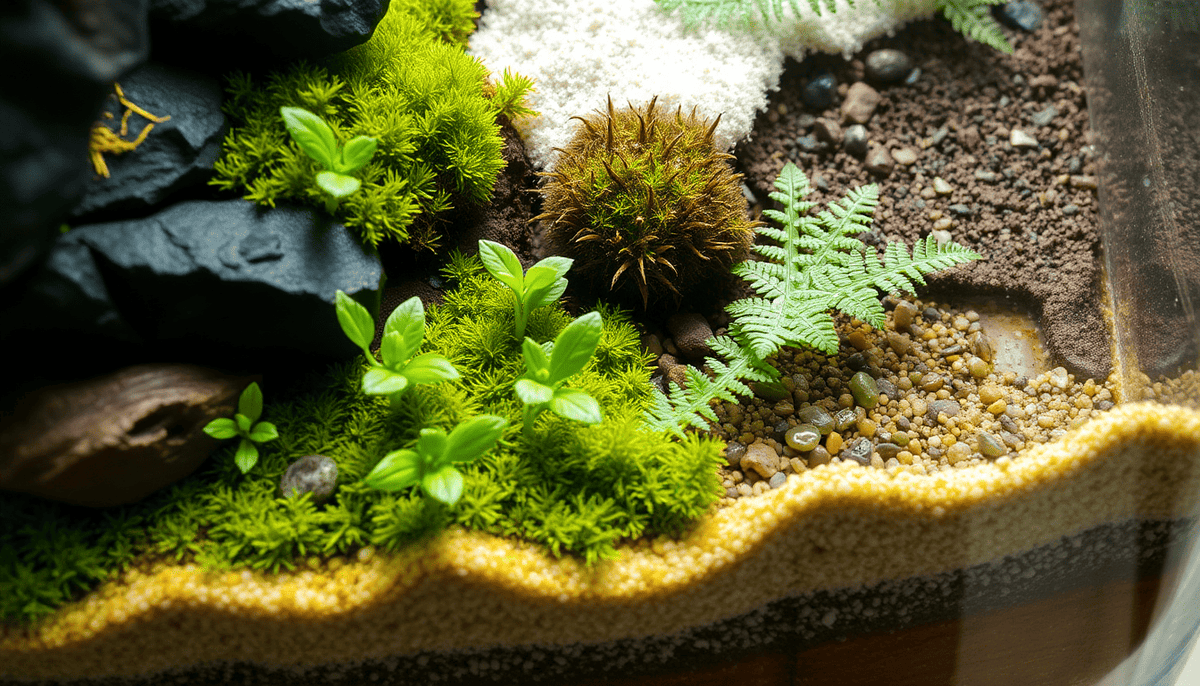
Most terrariums require multiple layers of substrate to function properly. A typical starter kit will include several components for this:
Gravel or Pebbles: This goes at the very bottom and provides drainage. It prevents water from pooling at the bottom of your terrarium, which would lead to root rot and mold.
Activated Charcoal: This layer sits on top of the gravel and helps filter the water, keeping it fresh and preventing odors. It's especially important in closed terrariums where water recycles.
Potting Soil: This is where your plants' roots will grow. It should be nutrient-rich and well-draining. Some kits include specialized soil for specific plant types.
Moss: Usually sphagnum moss, this layer sits on top of the soil and helps retain moisture while also looking great aesthetically.
Plants
The plants included in your starter kit are carefully selected to thrive in terrarium conditions. Common choices include:
- Ferns (like the Boston fern or maidenhair fern)
- Moss varieties
- Small tropical plants
- Succulents (for drier terrariums)
- Pothos or other vining plants
- African violets
- Begonias
These plants are chosen because they don't grow too large, they tolerate the humidity levels in terrariums, and they're relatively forgiving if you're new to plant care.
Decorative Elements
To make your terrarium look like a real miniature world, starter kits usually include decorative items like:
- Small rocks or pebbles
- Pieces of wood or cork bark
- Figurines or miniatures
- Colored sand or gravel
- Shells or other natural elements
These aren't just for looks – they also provide texture and interest to your terrarium, making it feel more like a complete ecosystem.
Tools
Many starter kits include small tools to help you build and maintain your terrarium:
- A small shovel or spoon for adding soil
- Tweezers for placing plants and decorations precisely
- A spray bottle for misting
- Sometimes a small rake or brush
These tools might seem simple, but they make the building process so much easier, especially when you're working in a small space.
Instructions
Finally, every good starter kit includes detailed instructions. These might be printed on paper, included as a booklet, or available online. The instructions will walk you through the layering process, planting techniques, and maintenance tips. Don't skip reading these – they're genuinely helpful!
Choosing the Right Starter Kit for You
With so many options out there, how do you pick the right one? Here are some factors to consider:
Your Living Space
How much room do you have? If you're in a small apartment, a large reptile terrarium might not be practical. A small plant terrarium, on the other hand, can fit on a shelf, desk, or windowsill. Think about where you want to display your terrarium and choose a kit that fits that space.
Your Experience Level
Are you completely new to plants and terrariums, or do you have some experience? If you're a total beginner, go with a simple plant-only kit. If you've kept plants before and want more of a challenge, a more complex kit might be perfect for you.
Your Interests
Do you want to grow plants, keep a reptile, or create an aquatic ecosystem? Your interests should guide your choice. There's no point in buying a reptile kit if you're not interested in caring for animals.
Your Budget
Starter kits range from pretty affordable to quite expensive. Plant-only kits are usually the cheapest, while reptile and aquatic kits cost more. Set a budget and look for kits within that range. Remember, a more expensive kit isn't necessarily better – it just might have more features or a larger container.
Maintenance Level
How much time do you want to spend maintaining your terrarium? Closed plant terrariums are very low-maintenance – you might only need to mist them occasionally. Reptile terrariums require daily feeding and regular cleaning. Aquatic terrariums need water quality monitoring. Choose based on how much time you're willing to invest.
Aesthetic Preferences
Let's be honest – you want your terrarium to look good! Consider the style of your home and choose a kit that matches your aesthetic. Do you prefer a modern, minimalist look? A natural, woodland vibe? A tropical paradise? There are kits to match every style.
Setting Up Your Terrarium: A Step-by-Step Guide
Okay, you've got your starter kit. Now it's time to actually build this thing! Here's a general guide to setting up your terrarium. Remember, your specific kit might have slightly different instructions, so always follow those first.
Step 1: Prepare Your Workspace
Before you start, make sure you have a clean, flat surface to work on. Lay out all your materials so you can see what you're working with. This is also a good time to wash your hands and make sure your container is clean.
Step 2: Add the Drainage Layer
Start by adding your gravel or pebbles to the bottom of the container. This layer should be about an inch thick, depending on the size of your container. The purpose is to create space for water to drain away from the soil and roots.
Step 3: Add the Charcoal Layer
Next, add your activated charcoal. This layer should be about half an inch thick. The charcoal acts as a filter and helps keep your terrarium fresh and odor-free. This step is especially important for closed terrariums.
Step 4: Add the Soil Layer
Now it's time for the potting soil. This layer should be about two to three inches thick, depending on what you're planting. Spread it evenly across the charcoal layer. This is where your plants' roots will grow, so make sure it's nice and even.
Step 5: Add the Moss Layer
Gently add your moss on top of the soil. This helps retain moisture and looks great. You can arrange it however you like – some people create a smooth surface, while others make it more textured and natural-looking.
Step 6: Plant Your Plants
Now for the fun part! Carefully remove your plants from their containers and gently loosen the roots. Create small holes in the soil where you want to plant them. Arrange them so they have room to grow and look balanced in the container. Taller plants usually go in the back, shorter ones in the front.
Step 7: Add Decorative Elements
Once your plants are in place, add your rocks, wood, and other decorative elements. This is where you get creative and make your terrarium uniquely yours. Just make sure you're not overcrowding the space – your plants need room to grow.
Step 8: Water Your Terrarium
Lightly mist your terrarium with water. You want the soil to be moist but not waterlogged. For closed terrariums, use less water since it will recycle. For open terrariums, you might need to water a bit more.
Step 9: Place Your Terrarium
Find the perfect spot for your terrarium. Most plants prefer bright, indirect light. A windowsill that doesn't get direct afternoon sun is often ideal. Avoid placing your terrarium in direct sunlight, as it can get too hot and cause condensation issues.
Step 10: Monitor and Adjust
Over the next few days, watch your terrarium. If it's a closed terrarium, you should see some condensation on the glass – that's normal and actually a good sign. If there's too much condensation, crack the lid open for a bit. If there's not enough moisture, mist it lightly.
Maintenance Tips for Your Terrarium
Once your terrarium is set up, you'll want to keep it looking beautiful and healthy. Here are some maintenance tips:
Watering
For closed terrariums, you might not need to water very often – maybe once a month or even less. The water cycle is self-contained, so it recycles naturally. For open terrariums, check the soil regularly and water when the top inch feels dry.
The key is not to overwater. Terrariums are prone to mold and root rot if they're too wet. It's better to underwater slightly than to overwater.
Lighting
Most terrarium plants prefer bright, indirect light. If your terrarium is in a dark corner, it might not thrive. On the flip side, direct sunlight can cause the temperature inside to spike and create too much condensation. A spot near a window with filtered light is usually perfect.
Pruning and Maintenance
As your plants grow, you might need to trim them back to keep them from taking over the terrarium. Use small scissors or pruning shears to carefully remove dead leaves and trim back overgrown plants. This keeps your terrarium looking neat and prevents one plant from shading out the others.
Cleaning
Occasionally, you might notice algae or mold growing on the glass or soil. This is usually a sign of too much moisture. Wipe down the glass with a soft cloth, and if there's mold on the soil, carefully remove the affected area. Make sure your terrarium has adequate air circulation to prevent this from happening.
Pest Management
Occasionally, pests like spider mites or mealybugs might find their way into your terrarium. If you notice any pests, remove affected plants and treat them separately. You can use organic pest control methods like neem oil or insecticidal soap. The key is to catch problems early before they spread.
Common Mistakes to Avoid
Learning from others' mistakes is way better than making them yourself. Here are some common terrarium mistakes and how to avoid them:
Overwatering
This is the number one killer of terrariums. People see the soil and think it needs water, but terrariums actually need very little water. Remember, it's a closed ecosystem. Start with minimal watering and only add more if you notice the plants are wilting.
Too Much Direct Sunlight
While plants need light, too much direct sun can cause temperature spikes and excessive condensation. Find a spot with bright, indirect light instead.
Overcrowding
It's tempting to fill your terrarium with tons of plants and decorations, but this can lead to poor air circulation and overcrowding. Leave some space for your plants to grow.
Using the Wrong Plants
Not all plants thrive in terrariums. Avoid plants that need dry conditions or lots of direct sun. Stick with the plants recommended for terrariums – they're recommended for a reason!
Ignoring the Instructions
I know it's tempting to just dive in and do your own thing, but the instructions that come with your kit are there for a reason. They're based on what actually works. Follow them, at least for your first terrarium.
Placing It in a Bad Location
A terrarium in a dark corner or next to a heating vent won't thrive. Choose a location with appropriate light and stable temperatures.
Not Cleaning the Container
Before you start

Written by Talis Us


Leave a comment
This site is protected by hCaptcha and the hCaptcha Privacy Policy and Terms of Service apply.