


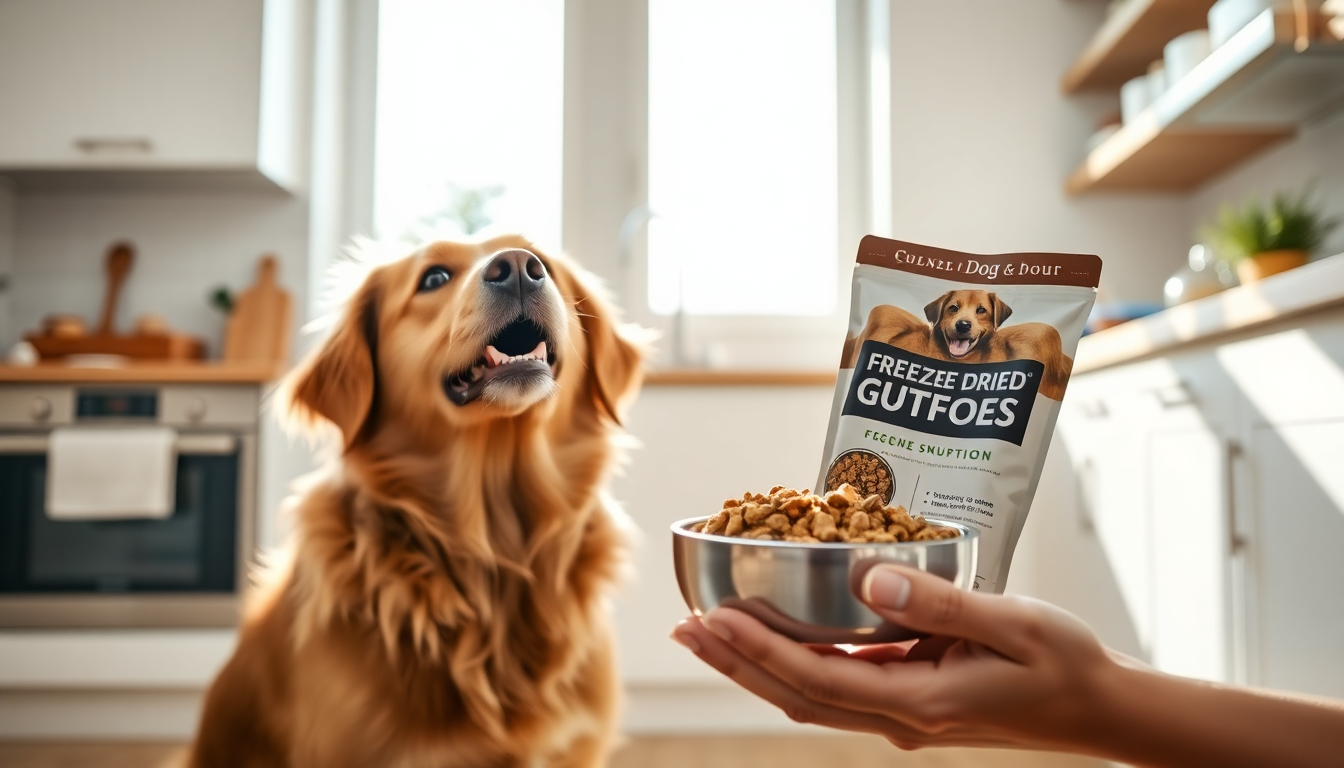
The Complete Guide to Choosing Freeze Dried Dog Food for Your Pet
Introduction
Freeze dried dog food has become increasingly popular among pet owners who want to provide their dogs with high-quality, nutritious meals. As a responsible pet owner, you want to ensure that your dog receives the best possible nutrition to support their health, energy levels, and overall well-being. Freeze dried dog food offers a unique combination of convenience, nutrition, and quality that appeals to many dog owners today.
At Talis US, we understand that choosing the right food for your dog can be overwhelming. With so many options available on the market, it's important to have a comprehensive understanding of what freeze dried dog food is, how it's made, and what factors you should consider when making your selection. This guide will walk you through everything you need to know about freeze dried dog food and help you make an informed decision that's best for your furry companion.
What is Freeze Dried Dog Food?
Freeze dried dog food is a type of pet food that has been processed using a specialized preservation technique called freeze drying. This method removes approximately 98% of the moisture content from the food while maintaining the nutritional integrity and bioavailability of the ingredients. Unlike traditional kibble or canned dog food, freeze dried dog food retains much of its original nutritional value and natural enzymes.
The freeze drying process involves freezing the raw ingredients and then placing them in a vacuum chamber where the frozen water is removed through sublimation. This process converts ice directly into water vapor without passing through a liquid state. The result is a lightweight, shelf-stable product that closely resembles the nutritional profile of raw dog food but with the convenience and safety of a processed product.
Freeze dried dog food typically comes in small, bite-sized pieces that can be fed as-is or rehydrated with water or broth to create a more traditional meal consistency. Many dog owners appreciate this flexibility, as it allows them to customize their dog's meals based on their pet's preferences and dietary needs.
The History and Evolution of Freeze Dried Pet Food
The freeze drying process was originally developed for human food preservation and space exploration. NASA used freeze dried food for astronauts because it was lightweight, shelf-stable, and retained most of its nutritional value. The pet food industry eventually adopted this technology to create premium pet food products.
In recent years, the freeze dried dog food market has experienced significant growth as pet owners have become more conscious about the quality of ingredients in their dog's diet. This trend aligns with the broader movement toward natural, minimally processed foods for both humans and pets. Today, freeze dried dog food represents one of the fastest-growing segments in the premium pet food market.
How Freeze Dried Dog Food is Made
Understanding the manufacturing process of freeze dried dog food can help you appreciate why it's considered a premium option and why it typically costs more than conventional dog food. The process involves several carefully controlled steps to ensure quality and safety.
Step One: Ingredient Selection and Preparation
The first step in creating freeze dried dog food is selecting high-quality ingredients. Reputable manufacturers source their proteins, vegetables, and other components from trusted suppliers. These ingredients are then inspected for quality and safety before being prepared for the freeze drying process. Some manufacturers use human-grade ingredients, while others source ingredients specifically for pet food production.
Step Two: Freezing
Once the ingredients are prepared, they are frozen at extremely low temperatures, typically between -40 and -50 degrees Fahrenheit. This rapid freezing process helps preserve the cellular structure of the ingredients and prevents the formation of large ice crystals that could damage the food's nutritional content and texture.
Step Three: Primary Drying
The frozen ingredients are then placed in a vacuum chamber where the temperature is gradually increased. In this environment, the ice in the food sublimates directly into water vapor, which is then removed from the chamber. This primary drying phase typically removes about 95% of the moisture content from the food.
Step Four: Secondary Drying
After the primary drying phase, the food undergoes a secondary drying process where the temperature is increased further to remove any remaining bound moisture. This step ensures that the final product is shelf-stable and resistant to microbial growth.
Step Five: Packaging
Once the freeze drying process is complete, the food is cooled and packaged in airtight containers to maintain its freshness and prevent moisture reabsorption. Many manufacturers include oxygen absorbers or other preservation methods to extend the shelf life of the product.
Benefits of Freeze Dried Dog Food
There are numerous advantages to choosing freeze dried dog food for your pet. Understanding these benefits can help you determine whether this type of food is the right choice for your dog.
High Nutritional Value
One of the primary benefits of freeze dried dog food is that it retains a high percentage of the original nutritional value of the ingredients. Unlike some processing methods that can destroy heat-sensitive nutrients, the freeze drying process preserves vitamins, minerals, and enzymes that are essential for your dog's health. This means that your dog receives more bioavailable nutrition from each serving compared to some other types of processed dog food.
Natural Ingredients
Most freeze dried dog food products are made with minimal ingredients and without artificial preservatives, colors, or flavors. This appeals to pet owners who want to provide their dogs with a diet that closely resembles what dogs would eat in nature. Many freeze dried products feature real meat as the primary ingredient, along with vegetables and other whole food components.
Improved Digestibility
Because freeze dried dog food is minimally processed and retains natural enzymes, many dogs find it easier to digest compared to conventional kibble. This can result in better nutrient absorption, improved stool quality, and reduced digestive issues for dogs with sensitive stomachs.
Convenience
While freeze dried dog food requires rehydration before feeding, it offers significant convenience advantages over raw dog food. It doesn't require refrigeration, has a long shelf life, and is easy to portion and serve. This makes it an excellent option for busy pet owners or those who travel frequently with their dogs.
Shelf Stability
Freeze dried dog food can be stored at room temperature for extended periods without refrigeration. This makes it ideal for emergency preparedness, travel, or simply having a backup food supply on hand. The long shelf life also means less food waste and better value for your money.
Reduced Risk of Contamination
The freeze drying process effectively eliminates pathogens that could cause foodborne illness in dogs. This makes freeze dried dog food a safer option compared to raw dog food, which carries a higher risk of bacterial contamination.
Palatability
Many dogs find freeze dried dog food highly palatable due to its concentrated flavors and natural ingredients. This can be particularly beneficial for picky eaters or dogs that have become bored with their regular food.
Potential Drawbacks of Freeze Dried Dog Food
While freeze dried dog food offers many benefits, it's important to consider some potential drawbacks before making your decision.
Cost
Freeze dried dog food is typically more expensive than conventional kibble or canned dog food. The specialized processing equipment and careful ingredient selection contribute to the higher price point. For budget-conscious pet owners, this may be a significant consideration.
Rehydration Requirement
Unlike kibble, most freeze dried dog food requires rehydration before feeding. This adds an extra step to meal preparation and may not be convenient for all pet owners. However, some dogs can eat freeze dried food dry, and some owners prefer to add it to other foods.
Limited Variety
While the freeze dried dog food market is growing, there may be fewer options available compared to conventional dog food brands. This could limit your choices if your dog has specific dietary requirements or preferences.
Transition Period
When switching to freeze dried dog food, many dogs require a gradual transition period to allow their digestive system to adjust. This transition should typically occur over 7-10 days to prevent digestive upset.
Storage Space
While freeze dried dog food doesn't require refrigeration, it does require proper storage in a cool, dry place. Some pet owners may find that the packaging takes up more storage space than expected.
Types of Freeze Dried Dog Food
There are several different types of freeze dried dog food available on the market, each with its own characteristics and benefits.
Freeze Dried Raw
Freeze dried raw dog food is made from raw ingredients that have been freeze dried to preserve their nutritional content while eliminating pathogens. This type of food closely mimics a raw diet but with added safety and convenience. It typically contains raw meat, organs, and sometimes vegetables and supplements.
Freeze Dried Cooked
Some manufacturers offer freeze dried dog food made from cooked ingredients. While this process may result in some nutrient loss compared to freeze dried raw, it still retains more nutrition than conventional cooked dog food and offers additional safety benefits.
Freeze Dried Toppers
Freeze dried toppers are designed to be added to your dog's regular food rather than served as a complete meal. These products can enhance the nutritional value and palatability of conventional kibble or other dog foods.
Freeze Dried Treats
In addition to complete meals, freeze dried dog treats are available in various flavors and formulations. These treats can be used for training, rewards, or simply as a healthy snack for your dog.
Freeze Dried Organ Meats
Some manufacturers offer freeze dried organ meats and other specialty proteins that can be used as toppers or mixed with other foods to provide additional nutritional benefits.
Key Ingredients to Look For
When choosing freeze dried dog food, it's important to understand what ingredients to look for and what to avoid. A high-quality freeze dried dog food should contain ingredients that support your dog's health and well-being.
High-Quality Proteins
The primary ingredient in freeze dried dog food should be a high-quality protein source. Look for specific meat sources such as beef, chicken, turkey, lamb, or fish rather than vague terms like "meat meal" or "animal by-products." The protein should ideally come from named sources that you can identify.
Organ Meats
Organ meats such as liver, kidney, and heart are nutrient-dense and provide essential vitamins and minerals. Many high-quality freeze dried dog foods include these ingredients to enhance nutritional value.
Vegetables and Fruits
While dogs are primarily carnivorous, vegetables and fruits can provide valuable fiber, vitamins, and minerals. Look for freeze dried dog foods that include vegetables such as carrots, broccoli, spinach, and fruits like apples or blueberries.
Healthy Fats
Omega-3 and omega-6 fatty acids are essential for your dog's skin, coat, and overall health. Look for freeze dried dog foods that include sources of these healthy fats, such as fish oil or flaxseed.
Probiotics and Enzymes
Some freeze dried dog foods include probiotics and digestive enzymes to support gut health and improve digestion. These additions can be particularly beneficial for dogs with sensitive stomachs.
Minimal Additives
High-quality freeze dried dog food should contain minimal additives, preservatives, or artificial ingredients. The ingredient list should be relatively short and composed of recognizable whole food items.
Ingredients to Avoid
Just as important as knowing what to look for is understanding what ingredients to avoid in freeze dried dog food.
Artificial Preservatives
Avoid freeze dried dog foods that contain artificial preservatives such as BHA, BHT, or ethoxyquin. These chemicals have been linked to health concerns in pets and are unnecessary in freeze dried products due to their natural preservation through the freeze drying process.
Artificial Colors and Flavors
Dogs don't require artificial colors or flavors in their food. These additives are primarily for human appeal and provide no nutritional benefit to your dog. They may also trigger allergic reactions or sensitivities in some dogs.
Fillers and By-Products
Avoid freeze dried dog foods that contain excessive fillers such as corn, wheat, or soy. Similarly, vague ingredients like "meat by-products" or "animal meal" should be avoided in favor of named, specific protein sources.
Excessive Grains
While some grains can be part of a balanced diet, excessive grain content in freeze dried dog food may indicate lower quality. Many dogs also have sensitivities to grains, making grain-free or low-grain options preferable for some pets.
Harmful Ingredients
Certain ingredients are toxic to dogs and should never appear in any dog food product. These include chocolate, grapes, raisins, onions, garlic, and xylitol. Always check the ingredient list carefully to ensure these harmful substances are not present.
Choosing the Right Freeze Dried Dog Food for Your Dog
Selecting the right freeze dried dog food for your individual dog requires careful consideration of several factors.
Consider Your Dog's Age
Different life stages require different nutritional profiles. Puppies need higher levels of protein and calories to support growth and development, while senior dogs may benefit from lower calorie content and joint-supporting ingredients. Look for freeze dried dog foods formulated specifically for your dog's life stage.
Evaluate Your Dog's Health Status
If your dog has specific health conditions such as allergies, digestive issues, or joint problems, you may need to choose a freeze dried dog food formulated to address these concerns. Some manufacturers offer specialized formulas for dogs with sensitive stomachs, allergies, or other health considerations.
Assess Your Dog's Activity Level
Active dogs require more calories and may benefit from higher protein content, while less active dogs may need lower calorie options to maintain a healthy weight. Consider your dog's daily activity level when selecting an appropriate freeze dried dog food.
Check for Breed-Specific Formulations
Some manufacturers offer freeze dried dog foods formulated for specific breeds or breed sizes. These formulations may be tailored to address common health concerns or nutritional needs associated with particular breeds.
Review the Guaranteed Analysis
The guaranteed analysis on the packaging provides information about the minimum percentages of protein, fat, and fiber, as well as the maximum percentage of ash and moisture. Compare these values across different brands to ensure you're selecting a product that meets your dog's nutritional needs.
Look for Third-Party Testing
High-quality freeze dried dog food manufacturers often have their products tested by third-party laboratories to verify nutritional content and ensure the absence of contaminants. Look for certifications from organizations such as AAFCO or other reputable testing bodies.
Consider Your Budget
While freeze dried dog food is more expensive than conventional options, prices vary significantly between brands and formulations. Determine your budget and look for the highest quality option within your price range.
Read Customer Reviews
Customer reviews can provide valuable insights into the quality of freeze dried dog food products and how well they work for other dogs. Look for reviews from verified purchasers and pay attention to comments about ingredient quality, palatability, and results.
Transitioning Your Dog to Freeze Dried Food
When introducing freeze dried dog food to your dog's diet, it's important to do so gradually to allow their digestive system to adjust.
The Transition Timeline
A typical transition period lasts 7-10 days. Begin by replacing approximately 10-15% of your dog's current food with freeze dried dog food. Over the course of the transition period, gradually increase the percentage of freeze dried food while decreasing the old food. By day 7-10, your dog should be eating 100% freeze dried dog food if that's your goal.
Monitoring Your Dog During Transition
During the transition period, monitor your dog closely for any signs of digestive upset such as vomiting, diarrhea, or constipation. If your dog experiences digestive issues, slow down the transition process by extending it over a longer period.
Rehydration Tips
When rehydrating freeze dried dog food, use filtered water or low-sodium broth. The general ratio is one part freeze dried food to two or three parts liquid, though you can adjust this based on your dog's preference. Allow the food to rehydrate for 5-10 minutes before serving.
Mixing with Other Foods
Some dog owners prefer to mix freeze dried dog food with their dog's regular food rather than replacing it entirely. This approach can provide nutritional benefits while maintaining dietary consistency. Freeze dried food can also be mixed with fresh vegetables or other whole foods to create a more varied diet.
Feeding Guidelines and Portion Control
Proper portion control is essential to maintain your dog's healthy weight and overall well-being.
Determining Appropriate Portions
The appropriate portion size for freeze dried dog food depends on several factors, including your dog's weight, age, activity level, and metabolic rate. Most manufacturers provide feeding guidelines on their packaging based on your dog's weight. However, these are general recommendations and may need to be adjusted based on your individual dog's needs.
Calculating Daily Caloric Needs
Freeze dried dog food is more concentrated than conventional kibble, meaning smaller portions provide more calories. A general rule of thumb is that freeze dried dog food provides approximately 3-4 times the calories of an equivalent weight of conventional kibble. This means you'll typically feed smaller portions of freeze dried food compared to other types of dog food.
Adjusting for Individual Needs
Every dog is unique, and their nutritional needs may vary. Monitor your dog's weight and body condition regularly. If your dog is gaining weight, reduce portion sizes. If your dog appears to be losing weight or seems hungry, you may need to increase portions.
Combining with Other Foods
If you're mixing freeze dried dog food with other foods, adjust portions accordingly to ensure your dog receives appropriate total calories and nutrition. Use a kitchen scale to measure portions accurately.
Storage and Shelf Life
Proper storage is essential to maintain the quality and safety of freeze dried dog food.
Storage Conditions
Store freeze dried dog food in a cool, dry place away from direct sunlight and moisture. Ideal storage temperatures are between 50-70 degrees

Written by Talis Us


Leave a comment
This site is protected by hCaptcha and the hCaptcha Privacy Policy and Terms of Service apply.