



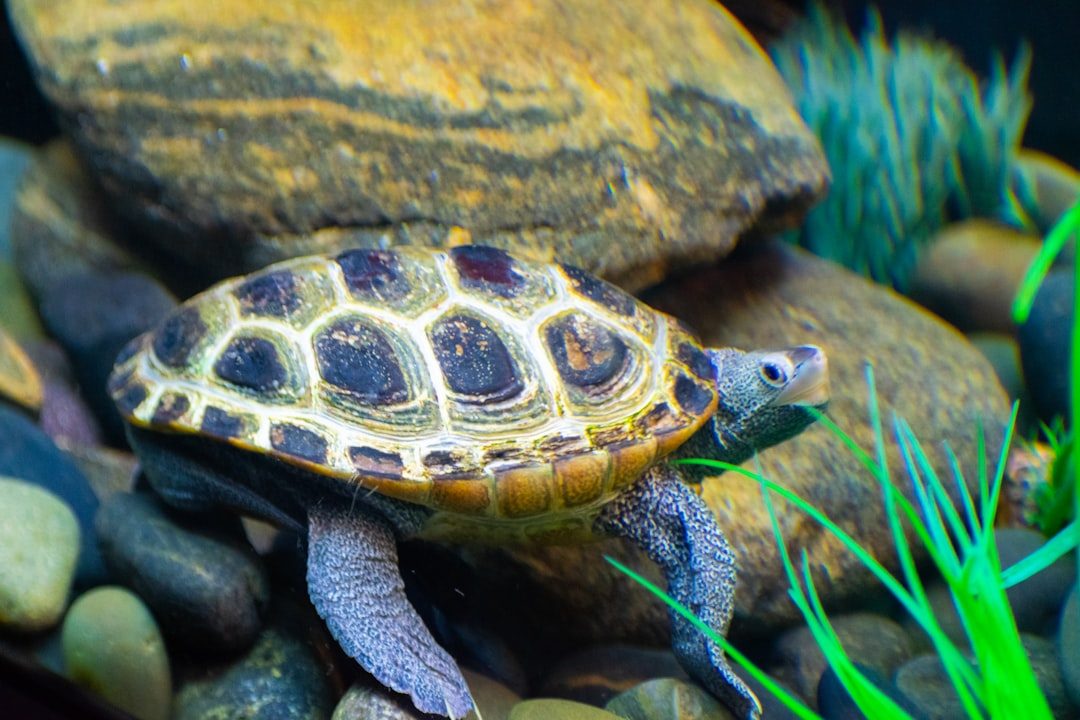
Setting Up a 10 Gallon Turtle Tank
Setting Up a 10 Gallon Turtle Tank
Setting up a 10 gallon turtle tank can work temporarily for very small, young aquatic turtles, or as a quarantine/rehab enclosure—but it’s easy to underestimate how messy turtles are and how quickly they outgrow small volumes. This guide walks you through a practical turtle tank setup for a 10 gallon aquarium, with a focus on clean water, safe heating/lighting, and a stress-free basking area—plus a turtle tank checklist for new owners you can follow step by step.

First: Is a 10-Gallon Tank Actually OK for a Turtle?
Many new keepers ask: can turtles live in fish tank sizes like 10 gallons? Technically yes for short periods, but it’s rarely the best aquarium size for turtles long-term. Most popular aquatic species (especially sliders) grow fast, produce a lot of waste, and need swimming depth plus a full basking zone.
A 10 gallon turtle tank is best used for:
- Hatchlings/very young aquatic turtles for a limited time
- Temporary housing while you prepare a larger upgrade
- Quarantine for a new turtle
- Medical recovery/monitoring
Not ideal for:
- Adult aquatic turtles
- Multiple turtles
- Red-eared sliders beyond the very small juvenile stage (they typically need far larger enclosures)
Quick rule of thumb: If you’re trying to decide the best aquarium size for turtles, plan bigger sooner than you think. A 10-gallon is a starter, not a finish line.

What You Need: Turtle Tank Checklist for New Owners
Use this turtle tank checklist for new owners before you start filling water:
Tank & layout
- 10 gallon aquarium with secure lid/screen top
- Basking dock (stable and easy to climb)
- Thermometer(s): water + basking temp (digital preferred)
Filtration & water
- Filter sized above the tank rating (turtles are heavy bioload)
- Dechlorinator/water conditioner
- Beneficial bacteria starter (optional but helpful)
- Siphon/gravel vacuum and bucket
Heating & lighting
- Submersible heater (if your species needs it)
- Basking heat lamp (a must for most aquatic turtles)
- UVB lighting for aquatic turtles (proper strength + correct distance)
- Light timer (keeps day/night consistent)
Safety & comfort
- Safe substrate for turtle aquarium (or bare bottom)
- Aquarium-safe decor (no sharp edges, no swallowable pieces)
- Floating plants or hides (optional; be careful with ingestion)

Step-by-Step: How to Set Up a Turtle Habitat in a 10-Gallon Aquarium
1) Choose the Right Water Level (And Keep Escape in Mind)
A common mistake in a small tank is filling it to the top. Turtles climb, and 10 gallons leaves little margin.
Setup tip:
- Start with enough depth to swim comfortably, but keep the waterline low enough that your turtle can’t climb out using the dock, heater cord, or filter.
If you’re wondering how to set up a turtle habitat safely, think like an escape artist: any object becomes a ladder.

2) Decide on Bottom Setup: Bare Bottom vs Substrate
In a 10 gallon aquarium, cleanliness is everything.
Best options in small tanks:
- Bare bottom: easiest to clean, best for monitoring waste/health
- Large river stones too big to swallow (only if truly oversized)
If you use substrate, prioritize safe substrate for turtle aquarium choices:
- Avoid small gravel (impaction risk)
- Avoid sharp stones
- Avoid sand unless you’re experienced and can manage cloudiness and ingestion risk
Practical recommendation: For a beginner turtle tank setup, bare bottom wins in 10 gallons.

3) Pick a Filter: “What Filter for Turtle Tank” in 10 Gallons?
Turtles foul water faster than fish. The question what filter for turtle tank is mostly about over-filtering and easy maintenance.
For a 10 gallon turtle tank, prioritize:
- Strong mechanical filtration (captures debris)
- Large biological media capacity (handles ammonia)
- Easy access for frequent rinsing
Canister Filter vs Internal Filter for Turtles
You’ll see debates about canister filter vs internal filter for turtles. Here’s the practical breakdown for a 10-gallon situation:
-
- Canister filter:Pros: best media volume, strong filtration, less clutter inside tank
- Cons: can be overkill in cost/flow; intake can be hazardous without a guard
- Internal filter (or hang-on-back):Pros: cheaper, simple, easier to match small tanks
- Cons: less bio media; may struggle with turtle waste
Best approach: Use the strongest filter you can safely fit and control—often a high-quality hang-on-back or compact canister with a pre-filter sponge on the intake.
Pro tip: Add a coarse sponge pre-filter to reduce clogging and protect tiny turtles.
4) Build a Basking Zone That Actually Works
Your turtle needs to climb out fully dry. In small tanks, the basking area is the make-or-break factor.
Basking Platform Height and Placement
Correct basking platform height and placement keeps your turtle warm, dry, and secure:
- Place the dock where it’s stable (no tipping)
- Ensure the turtle can climb easily (textured ramp)
- Keep the basking spot under both heat and UVB
- Don’t place it so high that the turtle can reach the tank rim and escape
If you’re setting up for sliders, people often search for the best basking dock for red-eared sliders. In a 10-gallon, pick a dock that:
- Supports the turtle’s full body weight
- Doesn’t rely on weak suction cups alone
- Has a grippy ramp and enough surface to dry completely
Safety note: Avoid “floating” docks that drift under the lamp and create hot spots or encourage climbing out.
Heating & Lighting: Getting Temperatures Right
Turtle Tank Water Temperature Range
The ideal turtle tank water temperature range depends on species and age, but many aquatic juveniles do well with warm, stable water rather than big swings.
General, beginner-safe guidance (verify for your species):
- Juveniles: often warmer than adults
- Sick turtles: may benefit from slightly warmer water under vet guidance
Use a reliable aquarium thermometer and adjust slowly—rapid shifts stress turtles.
Turtle Tank Heater vs Heat Lamp: Do You Need Both?
People often confuse turtle tank heater vs heat lamp—they solve different problems:
- Heater: warms the water to the correct range
- Heat lamp: warms the basking area so the turtle can thermoregulate and dry
In most indoor setups you’ll use both, because:
- The turtle swims most of the day (needs warm water)
- The turtle must bask under heat (needs a warm, dry zone)
Heater tips for 10 gallons:
- Use a turtle-safe or guarded heater when possible
- Place it where water flow passes it (near filter output)
- Keep cords secured so they don’t become climbing routes
UVB Lighting for Aquatic Turtles (Non-Negotiable)
UVB lighting for aquatic turtles supports natural behaviors and calcium metabolism. Without UVB, turtles are at risk for serious health issues over time.
UVB best practices:
- Use a UVB bulb designed for reptiles (not a regular household bulb)
- Ensure correct distance from basking surface (per manufacturer)
- Replace on schedule (UVB output declines even if the bulb still shines)
- No glass/plastic between UVB and turtle—these block UVB
Use a timer for consistency: roughly a day/night cycle that matches your household routine.
Water Quality: Cycling, Cloudiness, and Water Changes
Turtle Tank Cycling for Beginners (Simple Explanation)
Turtle tank cycling for beginners means building beneficial bacteria that convert toxic ammonia (from waste) into less toxic compounds. In a small tank, cycling is especially important because toxins build quickly.
Two realistic options:
- Fishless cycle (best if you can wait): set up tank, run filter/heater, add ammonia source, test until stable
- Cycle with the turtle in (common, higher maintenance): requires frequent water testing and more water changes early on
Minimum tools to do this well:
- Water test kit (ammonia, nitrite, nitrate)
- Dechlorinator
- Patience and consistent maintenance
How Often Change Turtle Tank Water in a 10-Gallon?
The smaller the tank, the more often you’ll change water. For new keepers, how often change turtle tank water depends on filtration, feeding habits, and whether the tank is fully cycled.
Common schedules in a 10 gallon turtle tank:
- Partial changes (25–50%): 1–3 times per week
- Spot-cleaning (siphon waste): as needed, often daily
- Full cleanouts: avoid routinely if the tank is cycled (you’ll disrupt bacteria)
Best habit: Feed in a separate tub when possible. It dramatically reduces waste and keeps your main tank cleaner.
Cloudy Turtle Tank Water Fix (Most Common Causes)
If you need a cloudy turtle tank water fix, diagnose before you dump and restart. Cloudiness is usually one of these:
1) Bacterial bloom (new tank / cycling):
- Looks milky or hazy
- Often happens in the first weeks Fix: keep filter running 24/7, don’t overclean media, do partial water changes, test water.
2) Dirty mechanical filtration:
- Debris is circulating
- Filter sponge/media clogged Fix: rinse sponges in old tank water (not tap), increase mechanical filtration, siphon solids.
3) Overfeeding / leftover food:
- Water fouls fast, smells Fix: feed less, remove leftovers, consider separate feeding tub.
4) Substrate dust:
- Especially after new sand/gravel Fix: rinse substrate thoroughly before use, run fine filter floss temporarily.
Stocking & Compatibility: One Turtle Means One Turtle
In a 10 gallon aquarium, don’t cohabitate turtles. Space, stress, and competition become immediate issues.
Also, if you’re tempted to add fish because you’re thinking “can turtles live in fish tank communities?”—many turtles will nip, chase, or eat fish, and fish waste adds to the load. In a 10-gallon, focus on the turtle’s needs first.
Quick Setup Example (Putting It All Together)
Here’s a realistic “works in 10 gallons” layout:
- Water depth: enough to swim, but below escape points
- Bare bottom
- Strong filter with sponge pre-filter
- Submersible heater set to species-appropriate water temp
- Dock that supports full body and stays stable
- Heat lamp aimed at dock (warm basking zone)
- UVB bulb aligned with basking spot
- Thermometers: one in water, one at basking surface
- Timer for lights
This is a clean, functional turtle tank setup you can maintain while planning the next tank upgrade.
Conclusion: The Best Way to Succeed With a 10-Gallon Turtle Tank
A 10 gallon turtle tank can be a solid short-term solution if you prioritize filtration, basking, and consistent water maintenance. Focus on a stable basking zone (dial in basking platform height and placement), proper UVB lighting for aquatic turtles, and tight water-quality habits—especially knowing how often change turtle tank water in such a small volume. If your turtle grows or you find yourself constantly fighting waste, that’s your sign the best aquarium size for turtles is the next one up—so you and your turtle can both breathe easier.

Written by Talis Us


Leave a comment
This site is protected by hCaptcha and the hCaptcha Privacy Policy and Terms of Service apply.