


Reptile Habitat Setup Checklist Essentials Beginners Always Miss
Understanding Your Reptile's Natural Habitat Requirements
Creating an optimal reptile habitat begins with understanding the specific ecological niche your scaly companion occupies in the wild. Many novice reptile keepers make the critical mistake of assuming all reptiles share similar environmental needs, when in reality, the physiological requirements of a desert-dwelling bearded dragon differ dramatically from those of a tropical gecko or temperate snake.
The concept of microhabitat specificity plays a crucial role in successful reptile husbandry. Your pet's natural range determines everything from substrate preferences to photoperiod requirements. Desert species evolved to thrive in low-humidity environments with dramatic temperature fluctuations, while tropical species require consistent warmth and elevated atmospheric moisture levels.
Research your reptile's endemic region thoroughly. Consider factors like altitude, seasonal variations, and vegetation density in their native habitat. This foundational knowledge will guide every subsequent decision in your habitat setup process, from choosing appropriate substrate materials to selecting the correct lighting spectrum.
Temperature Control and Thermal Gradients
Establishing Proper Basking Zones
Temperature regulation represents one of the most critical aspects of reptile care that beginners frequently underestimate. Reptiles are ectothermic creatures, meaning they rely entirely on external heat sources to regulate their body temperature and metabolic processes.
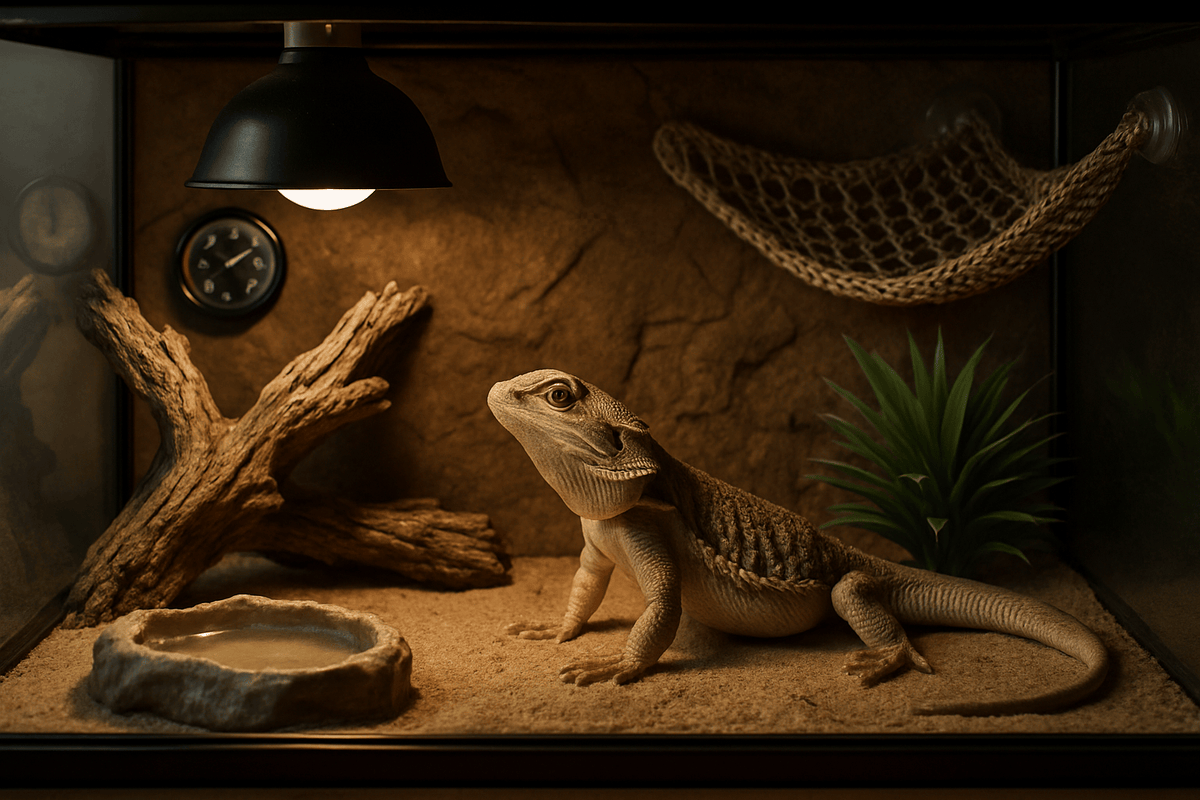
Creating an effective thermal gradient requires establishing distinct temperature zones within the enclosure. The basking spot should reach species-specific temperatures, typically ranging from 95°F to 110°F for most desert species, while the cool side should maintain temperatures 15-20°F lower. This gradient allows your reptile to thermoregulate naturally by moving between zones.
Avoid the common mistake of relying solely on ambient air temperature measurements. Surface temperatures matter significantly more for reptile comfort and health. Invest in quality infrared temperature guns to accurately measure basking surface temperatures and substrate warmth throughout the enclosure.
Nighttime Temperature Management
Many beginners overlook the importance of appropriate nighttime temperature drops. Most reptile species benefit from cooler evening temperatures that mimic natural circadian rhythms. This thermal cycling supports proper digestion, immune function, and reproductive health.
Ceramic heat emitters or radiant heat panels provide excellent solutions for maintaining minimal nighttime temperatures without disrupting natural light cycles. These devices emit infrared radiation without visible light, allowing your reptile to experience natural darkness while preventing dangerous temperature drops.
Remember that consistent temperature monitoring is essential for reptile health. Sudden temperature fluctuations can stress your pet's immune system and lead to serious health complications.
Humidity Levels and Atmospheric Moisture
Humidity management often proves challenging for new reptile owners, particularly those keeping tropical species or reptiles that require specific moisture levels for proper shedding. Understanding the relationship between temperature, ventilation, and humidity helps create stable atmospheric conditions.
Different reptile species require vastly different humidity ranges. Ball pythons thrive in 50-60% humidity, while crested geckos need 70-80% atmospheric moisture. Desert species like leopard geckos prefer much lower humidity levels, typically 30-40%.
Monitor humidity levels using digital hygrometers placed at different heights within the enclosure. Warm air holds more moisture than cool air, so humidity readings will vary throughout your temperature gradient. Position humidity gauges in both the warm and cool zones to understand moisture distribution patterns.
Create humidity microzones using water bowls, misting systems, or humid hide boxes. These localized moisture sources allow reptiles to seek appropriate humidity levels while maintaining proper ventilation throughout the enclosure.
Lighting Requirements and Photoperiods
UVB Radiation Essentials
Ultraviolet lighting represents perhaps the most misunderstood aspect of reptile habitat setup. Many species require specific wavelengths of UV radiation for calcium metabolism and vitamin D3 synthesis. Without adequate UVB exposure, reptiles develop metabolic bone disease and other serious health issues.
Choose UVB bulbs based on your reptile's natural sun exposure in the wild. Desert species typically require higher UV indices (10-12% UVB) compared to forest-dwelling species (5-6% UVB). Nocturnal species may require minimal or no supplemental UVB lighting.
Replace UVB bulbs every 6-12 months, even if they continue producing visible light. UV output diminishes significantly over time, reducing the bulb's effectiveness for vitamin D3 synthesis. Mark replacement dates on your calendar to ensure consistent UV provision.
Photoperiod Cycling
Natural light cycles regulate numerous biological processes in reptiles, including feeding behavior, reproduction, and seasonal activity patterns. Maintain appropriate photoperiods that reflect your reptile's natural geographic location and seasonal variations.
Most temperate species benefit from seasonal photoperiod adjustments, with longer daylight hours during summer months and shorter days during winter. Tropical species typically maintain consistent 12-hour light cycles year-round.
Substrate Selection and Safety Considerations
Substrate choice significantly impacts your reptile's health, behavior, and enclosure maintenance requirements. The wrong substrate can cause impaction, respiratory irritation, or difficulty maintaining proper humidity levels.
Consider your reptile's natural behaviors when selecting substrate materials. Burrowing species like sand boas require deep, loose substrates that support tunneling behavior. Arboreal species need substrates that maintain humidity while providing secure footing for terrestrial activities.
| Species Type | Recommended Substrate | Depth Required | Maintenance Level |
|---|---|---|---|
| Desert Species | Sand/soil mix, reptile carpet | 2-4 inches | Moderate |
| Forest Species | Cypress mulch, coconut fiber | 3-6 inches | High |
| Arid Species | Paper towels, tile | Minimal | Low |
Avoid substrates that pose impaction risks, particularly for young reptiles or species prone to substrate ingestion. Cedar and pine shavings contain aromatic oils that can cause respiratory irritation and should be avoided entirely.
Essential Equipment and Monitoring Tools
Successful reptile keeping requires reliable monitoring equipment to track environmental parameters continuously. Digital thermostats provide precise temperature control and prevent dangerous overheating situations that can prove fatal to reptiles.
Essential equipment includes:
- Digital thermostat with probe sensors
- Infrared temperature gun for surface measurements
- Digital hygrometer for humidity monitoring
- Timer systems for lighting control
- Backup heating elements for emergencies
Invest in quality equipment from reputable manufacturers. Cheap thermostats and heating elements can malfunction, creating dangerous temperature spikes or failures that endanger your reptile's life. Consider your pet's safety as a long-term investment rather than an initial expense.
Common Setup Mistakes to Avoid
New reptile owners frequently make predictable mistakes that compromise their pet's health and wellbeing. Understanding these common pitfalls helps you create a superior habitat from the beginning.
Oversized enclosures can stress young reptiles and make temperature management difficult. Start with appropriately sized habitats and upgrade as your reptile grows. Conversely, maintaining adult reptiles in undersized enclosures restricts natural behaviors and creates stress.
Poor ventilation leads to stagnant air, bacterial growth, and respiratory infections. Ensure adequate airflow while maintaining proper humidity levels through strategic vent placement and appropriate air circulation.
Neglecting quarantine protocols when introducing new animals or decorative elements can introduce parasites, diseases, or harmful chemicals into established habitats. Always quarantine new additions and sterilize decorative items before placement.

Written by Talis Us


1 comment
My 19yr old has a bearded and lovvvvves him but I know we are doing some things wrong / I have a tbi, mom of 4 older kiddos , very low income but am trying to make sure we do this rigt and really getting confused on proper lighting gauges humidity ETC
I am getting bigger enclosure of 120 and making sure habitat is correct in hopes but we NEED help with proper lighting/ heating stuff I truly need handful of best options that WILL BE OK TO USE FOR HIM that range in price that we can do PLEASE. I understand replacement 6-12 mo that hasn’t been done since she was given him well over 8-9 months ago .. we feed what we know and she IS TRYING but now he developed a cpl black spots-she took to vet on Friday / I feel it was a wasted uninformed visit that just took our money and I’m in hopes you can guide us or send me to someone who is willing to help us keep him in her life and thrive best we can do for him but I am also honestly afraid of being told I need to buy the $$$ for a companies profit vs gaining our and her friends business and or maybe abandoning him later due to cost and frustration of no help I hope this makes sense- I keep reading sooooooo many different articles blah blah I am overwhelmed Help needed please
Steph
Leave a comment
This site is protected by hCaptcha and the hCaptcha Privacy Policy and Terms of Service apply.