



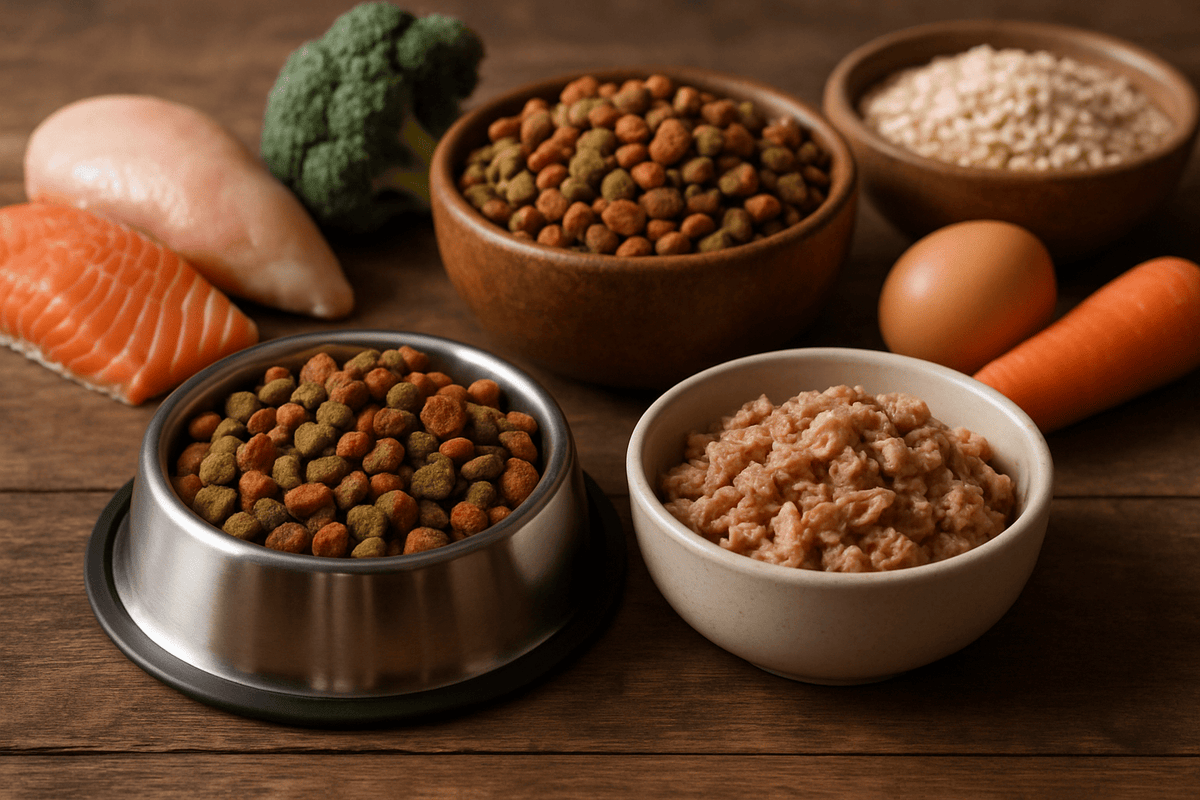
Pet Food Selection Guide: Nutrition Factors That Matter
Understanding Your Pet's Nutritional Requirements
Choosing pet food begins with comprehending the fundamental nutritional matrices that sustain your companion's physiological functions. Each species possesses distinct metabolic pathways that dictate their dietary necessities. Dogs, being omnivorous descendants of wolves, require a balanced amalgamation of proteins, carbohydrates, and fats. Cats, however, are obligate carnivores with heightened protein requirements and specific amino acid dependencies like taurine.
The Association of American Feed Control Officials (AAFCO) establishes nutritional adequacy standards that serve as benchmarks for commercial pet foods. These guidelines delineate minimum and maximum nutrient concentrations for different life stages. Puppies and kittens necessitate higher protein and caloric densities to support rapid growth phases, while senior pets often benefit from modified formulations addressing age-related metabolic changes.
Bioavailability represents another crucial consideration when choosing pet food. This concept encompasses how efficiently your pet's digestive system can extract and utilize nutrients from their diet. Premium formulations often incorporate chelated minerals and highly digestible protein sources that enhance nutrient absorption rates compared to conventional alternatives.
Deciphering Pet Food Labels and Ingredient Lists
Reading the Guaranteed Analysis
The guaranteed analysis panel provides quantitative information about macronutrient content, yet it requires sophisticated interpretation. Crude protein percentages indicate total nitrogen content but don't reveal protein quality or digestibility coefficients. Similarly, crude fat measurements encompass all lipid fractions without distinguishing between beneficial omega fatty acids and less desirable saturated fats.
Moisture content significantly impacts these calculations. Wet foods typically contain 70-80% moisture, while kibble maintains approximately 10% moisture levels. Converting to dry matter basis enables accurate comparisons between different product formats when choosing pet food formulations.
Ingredient Quality Indicators
Ingredient panels list components in descending order by weight before processing. Named protein sources like "deboned chicken" or "salmon meal" indicate higher quality than generic terms such as "meat by-products" or "poultry meal." Meal ingredients represent concentrated protein sources with moisture removed, often providing more actual protein per pound than fresh meats.
Premium pet food manufacturers prioritize ingredient transparency and source verification, often providing detailed information about their supply chain partnerships and quality assurance protocols.
Artificial preservatives like BHA, BHT, and ethoxyquin have raised concerns among discerning pet owners. Natural preservation methods utilizing mixed tocopherols (vitamin E) and ascorbic acid (vitamin C) offer safer alternatives while maintaining product stability and nutritional integrity.
Life Stage and Activity-Specific Nutrition
Choosing pet food requires careful consideration of your companion's current life stage and activity level. Puppy and kitten formulations contain elevated protein concentrations (minimum 22% and 26% respectively) to support tissue development and neurological maturation. These growth formulas also incorporate higher caloric densities to fuel rapid metabolic processes during the first year of life.
Adult maintenance diets focus on sustaining optimal body condition and supporting long-term health. Working dogs or highly active cats may require performance formulations with enhanced fat content providing concentrated energy sources. Conversely, sedentary pets benefit from weight management formulas featuring reduced caloric density and increased fiber content to promote satiety.
- Growth formulations for puppies and kittens under 12 months
- Adult maintenance diets for healthy, mature pets
- Senior formulations addressing age-related nutritional modifications
- Performance diets for working or highly active animals
- Therapeutic formulations for specific health conditions
Senior pets often develop decreased digestive efficiency and modified metabolic rates. Geriatric formulations typically feature easily digestible protein sources, joint-supporting supplements like glucosamine and chondroitin, and antioxidant complexes targeting cognitive function preservation.
Common Dietary Restrictions and Allergenic Considerations
Food Sensitivity Management
Food allergies and intolerances affect approximately 10% of companion animals, necessitating careful ingredient selection when choosing pet food. True allergic reactions involve immune system responses to specific proteins, while food intolerances typically manifest as digestive disturbances without immunological involvement.
Limited ingredient diets (LID) feature simplified formulations with novel protein sources and minimal additional components. These therapeutic approaches help identify problematic ingredients through systematic elimination protocols. Hydrolyzed protein diets represent another intervention strategy, utilizing enzymatically broken-down proteins that bypass typical allergenic recognition pathways.
Grain-Free and Alternative Carbohydrate Sources
The grain-free movement gained momentum among pet owners concerned about wheat, corn, and rice sensitivities. However, recent FDA investigations regarding dilated cardiomyopathy (DCM) in dogs consuming certain grain-free formulations have highlighted the complexity of nutritional interactions. Legume-heavy diets may interfere with taurine metabolism in susceptible breeds.
| Carbohydrate Source | Glycemic Index | Digestibility | Common Applications |
|---|---|---|---|
| Sweet Potato | Moderate | High | Sensitive stomach formulations |
| Brown Rice | Low-Moderate | High | Maintenance diets |
| Lentils | Low | Moderate | Grain-free formulations |
| Tapioca | High | High | Limited ingredient diets |
Quality Markers and Manufacturing Standards
Manufacturing protocols significantly influence final product quality and safety profiles. Facilities adhering to Good Manufacturing Practices (GMP) implement rigorous quality control measures including batch testing, contamination prevention, and traceability systems. Many premium manufacturers exceed minimum regulatory requirements by pursuing voluntary certifications and third-party auditing programs.
Choosing pet food from companies that conduct feeding trials provides additional assurance of nutritional adequacy. AAFCO feeding trial statements indicate that products have been tested on actual animals rather than relying solely on calculated nutrient profiles. These studies evaluate digestibility, palatability, and long-term health outcomes over extended periods.
Supply chain transparency has become increasingly important for discerning pet owners. Reputable manufacturers maintain detailed records of ingredient sourcing and processing methods. Some companies provide batch-specific information accessible through lot number tracking systems, enabling rapid identification and resolution of any quality concerns.
Transitioning Between Diets and Monitoring Success
Successful dietary transitions require gradual implementation to minimize gastrointestinal disturbances and allow beneficial microbiome adaptation. The standard seven-day transition protocol involves progressively increasing new food proportions while decreasing previous diet amounts. Sensitive animals may require extended transition periods lasting 10-14 days.
Monitoring your pet's response during dietary changes involves observing multiple physiological indicators. Stool quality, coat condition, energy levels, and appetite patterns provide valuable feedback regarding nutritional adequacy. Persistent digestive upset, excessive scratching, or behavioral changes may indicate incompatibility requiring alternative formulation selection.
Regular body condition scoring helps maintain optimal weight throughout your pet's life. This nine-point scale evaluates fat coverage over ribs and waist definition from overhead perspectives. Most healthy pets should maintain scores between 4-5, with clearly palpable ribs beneath minimal fat covering and visible waist tucking when viewed from above.
Choosing pet food represents one of the most impactful decisions affecting your companion's long-term health and vitality. By understanding nutritional fundamentals, interpreting label information accurately, and monitoring your pet's individual responses, you can make informed selections that support optimal wellness throughout their lifetime. Remember that nutritional needs evolve with age, activity levels, and health status, necessitating periodic reassessment and potential dietary modifications to maintain peak condition.

Written by Talis Us



Leave a comment
This site is protected by hCaptcha and the hCaptcha Privacy Policy and Terms of Service apply.