


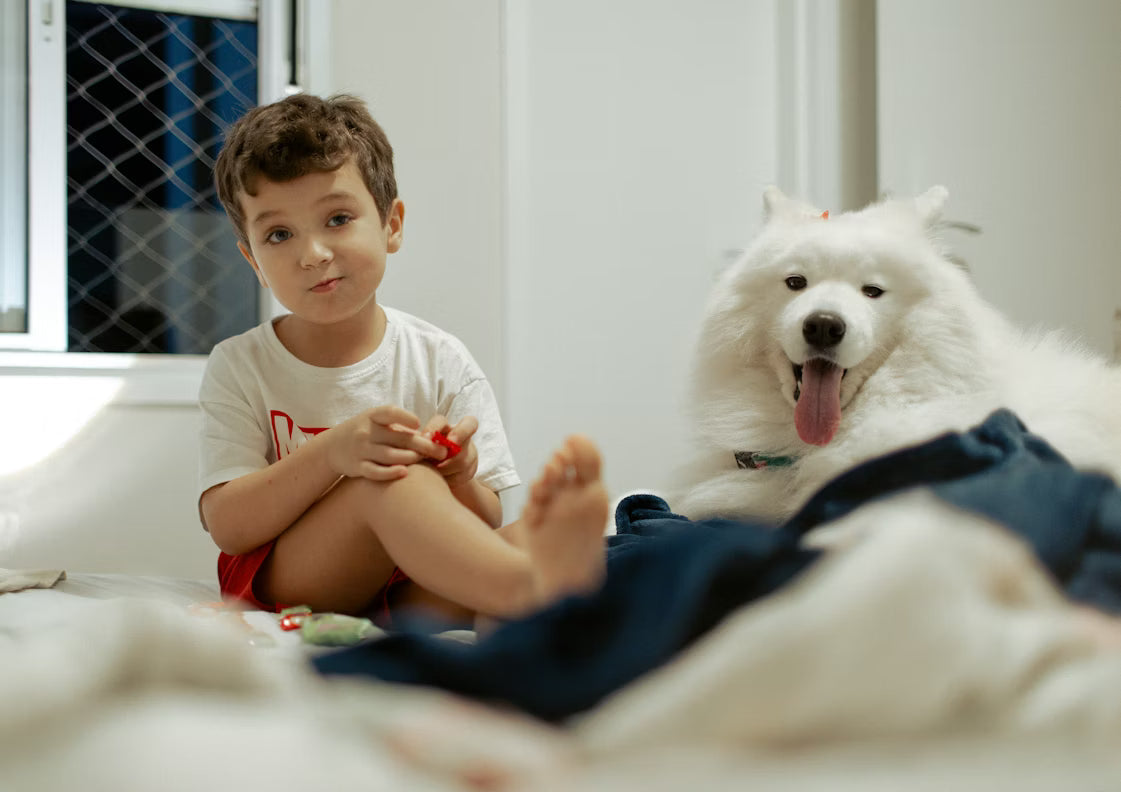
Introducing Pets to Children Safely
Introducing Pets to Children Safely: Essential Child Pet Interaction Safety and Family Pet Introduction Methods
Introducing pets to children can be a rewarding experience, fostering companionship and teaching responsibility. However, ensuring a safe and positive interaction is crucial for both the child and the pet. This article will guide you through the essential methods for safely introducing pets to children, focusing on the best practices for pet selection , preparation, and ongoing supervision. By understanding the characteristics of child-friendly pets and implementing effective introduction techniques, families can create a harmonious environment that benefits everyone involved. We will explore which pets are best suited for families, step-by-step methods for safe introductions, necessary pet supplies, and key supervision tips to ensure safety during interactions.
Which Pets Are Best Suited for Families with Children?
When considering a pet for a family with children, it's essential to evaluate the temperament and characteristics of various animals. Some pets are naturally more gentle , making them ideal companions for young ones.
What Makes a Pet Child Friendly?
A child-friendly pet typically exhibits specific traits that make it suitable for interaction with kids. These traits include a calm demeanor, patience, and a friendly disposition. For instance, breeds like Labrador Retrievers and Golden Retrievers are known for their gentle nature and adaptability, making them excellent choices for families. Additionally, smaller pets such as guinea pigs or rabbits can also be great companions, as they often enjoy gentle handling and interaction.
How to Choose the Right Pet Breed for Your Child’s Age Group
Selecting the right pet breed based on your child's age is crucial for ensuring a safe and enjoyable experience. For toddlers, smaller breeds or pets that are less energetic, such as Cavalier King Charles Spaniels, may be more appropriate. As children grow older, they can handle larger breeds like Beagles or Boxers, which require more interaction and playtime. It's important to consider the energy levels and size of the pet in relation to your child's ability to interact safely .
What Are the Step-by-Step Methods for Safe Pet Introduction to Children?
Introducing a new pet to your family should be a gradual process that prioritizes safety and comfort for both the child and the animal.
How to Prepare Your Home and Family for a New Pet Introduction
Preparation is key when bringing a new pet into your home. Start by creating a safe space for the pet, away from the hustle and bustle of daily activities. Involve your children in the process by discussing the responsibilities of pet ownership and setting clear rules for interactions. This helps children understand the importance of being gentle and respectful towards the new family member.
What Are the Recommended Supervised Introduction Techniques?
Supervised introductions are vital for ensuring a positive experience. Begin by allowing the pet to explore its new environment while keeping children at a distance. Gradually introduce them by allowing short, supervised interactions. Use positive reinforcement, such as treats or praise, to encourage calm behavior from both the pet and the child. Monitoring body language is essential; look for signs of stress or discomfort in either party and be ready to intervene if necessary.
Which Pet Supplies Enhance Safety During Child and Pet Interactions?
Having the right supplies can significantly enhance safety during interactions between children and pets.
What Child-Safe Pet Accessories Should You Use?
Investing in child-safe pet accessories is crucial for ensuring safe interactions. Look for items such as soft pet beds, chew-proof toys, and safety gates to create boundaries. Additionally, harnesses and leashes designed for children can help manage pet behavior during walks, ensuring that both the child and pet remain safe .
How Does Nutritious Pet Food Support Safe Behavior Around Children?
Providing nutritious pet food is essential for maintaining a pet's health and behavior. High-quality pet food can lead to better energy levels and temperament, making pets more tolerant and friendly around children. For instance, brands that focus on balanced nutrition can help prevent behavioral issues that may arise from poor diet, ensuring a more harmonious environment for family interactions.
What Are the Key Supervision and Ongoing Safety Tips for Families?
Ongoing supervision is critical in maintaining a safe environment for both children and pets .
How to Monitor Child and Pet Interactions Effectively
Effective monitoring involves being present during interactions and observing both the child and pet closely. Look for signs of stress in pets, such as growling or hiding, and teach children to recognize these signals. Establishing a routine for interactions can also help children understand when it is appropriate to engage with the pet.
What Are Common Safety Guidelines to Prevent Pet-Related Injuries in Children?
To prevent pet-related injuries, families should adhere to several safety guidelines. These include teaching children to approach pets calmly, avoiding sudden movements, and never disturbing a pet while it is eating or sleeping. Additionally, educating children about respecting a pet's space can help foster a safe and loving relationship .
How Can Training Pets Improve Safety in Family Environments?
Training pets is an essential aspect of ensuring safety in family environments.
What Training Techniques Promote Safe Behavior Around Children?
Positive reinforcement training techniques can significantly improve a pet's behavior around children. Techniques such as clicker training or reward-based systems encourage pets to respond positively to commands, making them more manageable during interactions. Consistency in training is key, as it helps pets understand expectations and reduces the likelihood of accidents.
How to Recognize and Respond to Pet Body Language for Safety
Understanding pet body language is crucial for maintaining safety. Common signs of discomfort, such as tail tucking or growling, should prompt immediate action. Teaching children to recognize these signs can empower them to interact safely and respectfully with pets, fostering a positive relationship .

Written by Talis Us




Leave a comment
This site is protected by hCaptcha and the hCaptcha Privacy Policy and Terms of Service apply.