



How to Tell if a Parakeet Is Male or Female
How to Tell if a Parakeet Is Male or Female
Parakeets, also known as budgerigars or budgies, are charming and popular pet birds. They are loved for their vibrant colors and playful nature. But how can you tell if your parakeet is male or female?
Determining the gender of a parakeet is often called "sexing parakeets." This process can be tricky, especially for new bird owners. However, with some guidance, you can learn to identify your parakeet's gender.
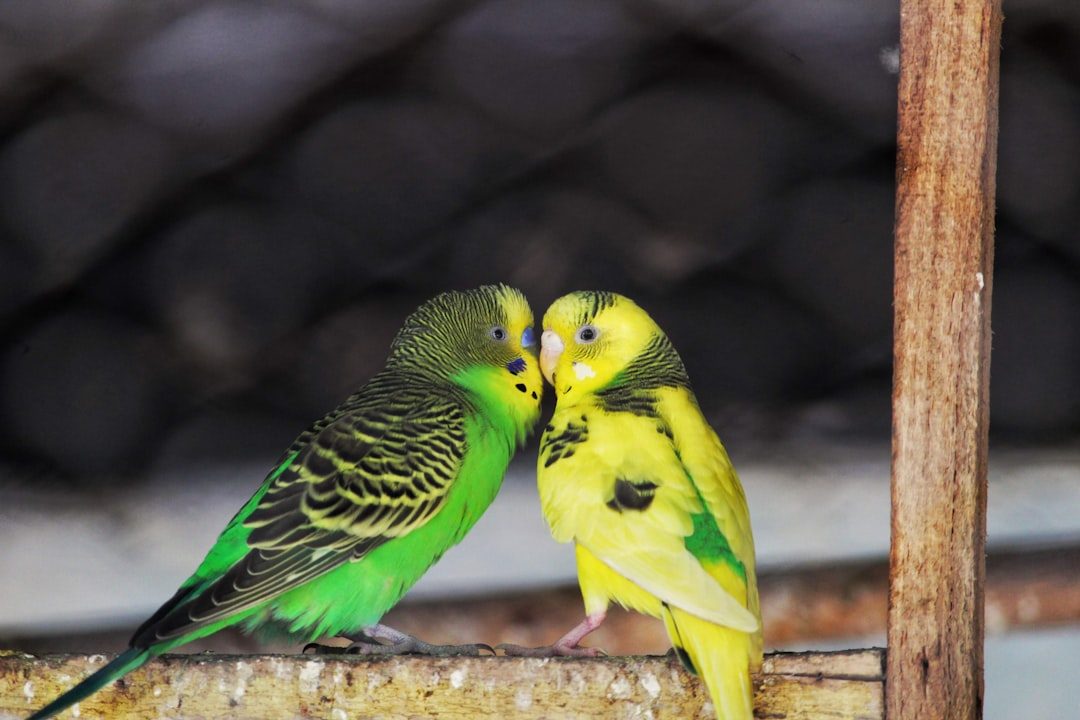
The cere, the fleshy area above the beak, is the primary indicator of a parakeet's gender. Male parakeets typically have a blue or purplish-blue cere. In contrast, female parakeets usually have a brown, tan, or white cere.

Behavioral differences also provide clues. Male parakeets are often more vocal and enjoy singing. Female parakeets may be more aggressive or territorial.
Understanding your parakeet's gender can enhance your bond with your pet. It can also help in providing appropriate care and companionship. Let's explore the fascinating world of parakeet gender identification.
Understanding Parakeet Basics
Before diving into gender identification, it's vital to grasp basic parakeet traits. Parakeets are small, social birds with vibrant colors. They originate from Australia but are now beloved pets worldwide.
Parakeets can live up to 15 years with proper care. They thrive on a balanced diet consisting of seeds, fruits, and vegetables. A well-maintained environment boosts their health, happiness, and well-being.
Below are some quick parakeet facts:
- Native to Australia
- Lifespan of up to 15 years
- Require a diet of seeds, fruits, and veggies
- Thrive in pairs or small groups
- Known for their playful behavior

Understanding these basics helps you create a nurturing environment for your parakeet. These social creatures require interaction and care. Providing mental stimulation through toys and activities promotes their health and longevity. Thus, knowing these fundamentals aids in your journey to become a responsible parakeet owner.
Why Gender Identification Matters
Identifying your parakeet's gender is crucial for many reasons. For instance, it influences their care and social dynamics. Knowing their gender can prevent unwanted breeding if you have multiple birds.
Understanding gender can also aid in nurturing a harmonious home environment. Here are some reasons why parakeet gender identification is important:
- Influences care and interaction
- Prevents unplanned breeding
- Enhances pet-owner relationship
- Aids in social compatibility
By understanding these aspects, you help ensure your parakeet thrives in your care. Proper identification facilitates tailored approaches to companionship and bonding. Gender-specific enrichment and activities can greatly improve your parakeet's quality of life. This understanding aids in appreciating the nuances of these delightful birds.
The Cere: The Key to Sexing Parakeets
One of the most reliable ways to determine a parakeet's gender is by observing the cere. The cere is the fleshy area located above the beak. It varies in color between males and females, serving as a primary indicator of gender.
Male parakeets generally have a vibrant blue or purplish-blue cere. This color change becomes more noticeable as they mature. Female parakeets, however, have a cere that ranges from tan to brown and may appear white at times.
During the breeding season, a female's cere might even become crusty or flaky, adding another layer to gender identification. Despite these visual cues, cere color can sometimes be misleading. For accurate identification, combine observation with knowledge of behavior.
Key points to consider when examining the cere include:
- Color differences between genders
- Changes during maturity or breeding season
- Impact of color mutations
Behavioral differences between male and female parakeets also offer clues. For instance, males may exhibit more vocal behaviors and courtship displays such as head bobbing. Meanwhile, females might display nesting instincts or territorial behaviors.

Visual identification should be done carefully, as handling can stress the bird. Always approach examination gently to avoid any distress or discomfort.

Cere Color in Adult Parakeets
As parakeets reach maturity, their cere color becomes a clearer indicator of gender. Males often boast a vibrant blue or purplish-blue cere. Meanwhile, females present with a cere that varies from brown to tan.
During breeding season, these colors might intensify, especially in females, whose cere may become crusty. Such nuances become apparent in mature parakeets, differentiating them from their youthful counterparts. To aid in understanding cere colors, keep this general guide in mind:
- Males: Blue or purplish-blue cere
- Females: Brown, tan, or sometimes crusty in breeding season
This enhanced color distinction in adults helps with accurate gender identification. However, always consider consulting with a professional if you encounter uncertainty.

Cere Color in Young Parakeets
Young parakeets present a unique challenge when it comes to gender identification. Their cere colors are not as distinctly defined as in adults. Often, their cere may appear pink or purplish regardless of gender.
These colors can be misleading, making it hard to distinguish males from females in younger birds. Typically, as they age, the cere color shifts, aiding in more accurate identification. When examining young parakeets, remember:
- Both genders: Pink or purplish cere
- Color changes with age
- Close observation needed for reliable identification
Young parakeets require patience and time for accurate sexing. Watching their behavior and allowing them to mature can lead to clearer identification.

Cere Color in Color Mutations
Some parakeets have color mutations that can influence cere color. These mutations can obscure typical gender markers, complicating visual sexing. For instance, parakeets with albino or lutino mutations may possess a cere that appears paler or less defined.
Understanding these mutations is key for accurate gender identification. In such cases, observing behavior or consulting a vet can be beneficial. Consider these traits when dealing with mutated parakeet colors:
- Pale or undefined cere in some mutations
- Altered color patterns due to genetic variations
- Behavioral observations as supplementary tools
If faced with a color mutation, always consider additional identification methods. Professional insight can provide clarity on unusual cere colors and aid in sexing your bird correctly.

Behavioral Differences: Male vs Female Parakeet
In addition to physical characteristics, parakeet behavior can provide insights into their gender. Males often engage in more vocal activities, making them natural performers. They enjoy singing, and their songs can vary in complexity and frequency.
On the other hand, female parakeets tend to be more subdued in their vocal expressions. However, they often display assertive behaviors, sometimes coming across as more territorial than their male counterparts. This difference in demeanor can be subtle but noticeable with close observation.
Males are also known for their courtship behaviors. These displays often include head bobbing, dancing, and more singing, especially in the presence of potential mates. Such enthusiastic behavior often serves as a clear indicator of a male parakeet.
Key behavioral differences to note:
- Males: More vocal, enjoys singing, courtship displays
- Females: Less vocal, may exhibit territorial or nesting behaviors
- Differences become evident through careful observation
Behavioral observation requires patience. Allow your parakeet time to settle into its environment for accurate assessment. This approach not only aids in identifying gender but also enriches your understanding of their unique personality.

Other Physical Differences Between Male and Female Parakeets
While cere color is the primary tool for sexing parakeets, other subtle physical differences exist between males and females. One such difference is in plumage brightness. Male parakeets often exhibit brighter and more vibrant feathers compared to their female counterparts, though this may not be universally applicable due to various color mutations.
Females may also exhibit certain physical characteristics linked to breeding readiness. During the breeding season, a female’s cere might become slightly crusty. Additionally, females can display nesting behaviors, leading to the development of stronger leg muscles, which can be visually apparent upon close inspection.
Here's a quick look at some of these differences:
- Males: Brighter plumage, overall more colorful
- Females: Possible cere texture change in breeding season, strong legs due to nesting behaviors
Incorporating these observations with cere color can help ensure a more accurate gender identification of your parakeet. Remember to observe consistently over time to gain a better understanding.

DNA Testing and Professional Sexing Methods
While visual cues like cere color and behavior can aid in sexing parakeets, they are not foolproof. DNA testing offers the most reliable method for determining parakeet gender. This testing involves analyzing a small sample, often a feather or blood, for genetic markers that distinguish male from female.
Professional assistance can be invaluable, especially if you have a rare or color-mutated parakeet. Avian veterinarians or specialized labs conduct DNA testing quickly and efficiently. Many bird owners choose this method to avoid ambiguity and ensure correct gender identification.
Here's what the DNA testing process generally involves:
- Sample Collection: A few feathers or a small blood sample
- Lab Analysis: Testing for genetic markers
- Results Interpretation: Clear identification by professionals
By opting for professional help, you mitigate the risk of misidentification. This ensures better care and management of your parakeet, enhancing your overall pet ownership experience.

Common Mistakes in Parakeet Gender Identification
Identifying a parakeet's gender can be tricky, especially for beginners. A common error is relying solely on cere color. Cere changes can be misleading due to age or health issues.
Another frequent mistake involves disregarding behavioral cues. Vocalization and aggression are often overlooked yet significant indicators.
To avoid errors, keep these in mind:
- Overlooking Age Factors: Young birds have unclear ceres.
- Ignoring Behavioral Differences: Both genders show distinct habits.
- Neglecting Color Mutations: Mutations may alter cere color.
By understanding these common pitfalls, parakeet owners can improve their gender identification efforts, leading to happier and healthier pets.
Tips for Examining Your Parakeet Safely
Examining your parakeet requires patience and gentleness. Birds can be fragile and stress easily, so handle them with care. Ensure your hands are clean and approach your pet calmly.
It's crucial to create a comfortable environment. A familiar setting can help minimize stress. Be patient and gentle, ensuring the parakeet feels safe during the process.
Here are tips to keep in mind:
- Approach Calmly: Sudden movements can scare them.
- Use Soft Hands: Avoid tight grips.
- Limit Handling Time: Short sessions are best.

By following these tips, you can create a positive and safe experience for both you and your parakeet.
Frequently Asked Questions About Sexing Parakeets
What age is best for sexing parakeets?
It's ideal to wait until they are at least six months old. By this age, the cere color starts becoming more distinct. However, some birds may show changes earlier or later.
Can I rely solely on behavior for parakeet gender identification?
Behavior can provide clues but isn't always reliable. For instance, both male and female parakeets might sing or act territorial. It's best to combine behavior with physical characteristics for accurate identification.
Here are some common questions:
- At what age is cere color reliable?
- Does diet impact cere color?
- Can two males coexist peacefully?
Is professional help necessary for sexing?
If you are uncertain, consulting an avian vet is wise. Professionals have the experience and tools needed. DNA testing is also an option for conclusive results.
Do color mutations complicate sexing parakeets?
Yes, they can. Certain mutations affect cere color, making visual identification challenging. In such cases, consider professional advice for accurate sexing.
Conclusion: Building a Better Bond Through Understanding
Understanding the gender of your parakeet enhances both care and companionship. It helps in providing appropriate toys, activities, and interactions suited to their needs.
Identifying parakeet gender fosters a deeper connection between you and your feathered friend. This knowledge aids in preventing unwanted breeding and addressing behavioral challenges effectively. By cultivating a nurturing environment, you help your parakeet thrive and build a fulfilling bond that enriches both your lives.

Written by Talis Us



Leave a comment
This site is protected by hCaptcha and the hCaptcha Privacy Policy and Terms of Service apply.