


How to Choose Natural Dog Food for Healthier Pets
Give dog food a closer look by checking its nutrient balance, ingredients, and fit for your dog's life stage. Choose a natural recipe that meets those needs. Then think about the food's form, medical concerns, and how easy it is to serve and store.
What Makes Dog Food Natural?
Natural dog food generally uses ingredients from plants, animals, or minerals, with limits on synthetic processing and additives. The word describes the ingredients and how they're prepared. On its own, it doesn't tell you if a recipe has everything your dog needs.
On U.S. pet food labels, natural foods may include added vitamins and minerals needed for balanced nutrition. These additions aren't a reason to rule out a meal that otherwise meets your dog's needs. A short ingredient list isn't always more nourishing than a longer, carefully planned one.
Processing isn't a simple good-or-bad test, either. Cooking helps control harmful germs, while drying removes moisture for storage. Compare what nutrients the finished food is meant to provide and how it needs to be handled.
Don't judge it only by how much it looks like fresh meat.
Talis Us is a family-owned pet supply store offering natural food, treats, and supplies chosen with health and safety in mind. Use that same practical approach to choose meals. Start with your dog's needs, not the most appealing words on the package.
Key Ingredients to Look for in Natural Dog Food
Look for clearly named animal ingredients, useful fat sources, and a recipe that provides key vitamins and minerals. Ingredients help you understand what's in the bowl. But what they do matters more than how appealing they sound to a person.
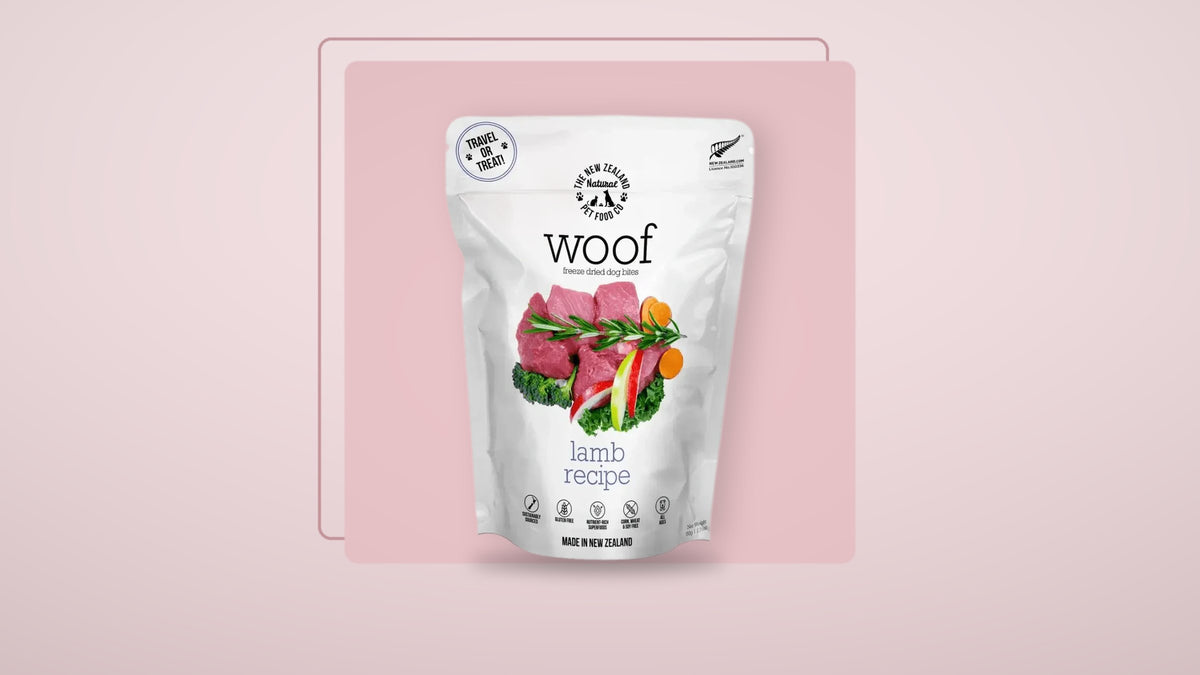
For a meat-focused option, The New Zealand Natural Pet Food Co Woof Lamb Freeze Dried Dog Food contains over 90% meat, organs, and bones from grass-fed, free-range lamb. It's made in small batches in New Zealand and includes fresh fruits and vegetables.
 The New Zealand Natural Pet Food Co Woof Lamb Freeze Dried
Freeze-drying removes moisture from frozen food in a vacuum. This lamb recipe is raw, so it still needs careful handling after drying. Drying isn't the same as cooking.
The lamb recipe also has Manuka honey, organic virgin coconut oil, kelp, green lipped mussels, and hoki oil. Consider these ingredients as part of the full recipe, not as reasons to expect a specific medical result.
It has no artificial preservatives or flavors and comes in 1.76oz, 9.9oz, and 2.2lb packages. A smaller package lets you check if your dog will eat it before you buy more.
Understanding Dog Food Labels and Certifications
Start with the nutritional adequacy statement. It explains if a food is complete and balanced and names the life stage it's meant for. Next, read the ingredient list, guaranteed analysis, calorie details, and feeding directions before comparing claims on the package front.
AAFCO, the Association of American Feed Control Officials, creates model standards used in U.S. pet food rules. A statement about its nutrient profiles or feeding tests is helpful. But AAFCO doesn't approve individual foods or give product certifications.
Ingredients are listed from highest to lowest weight before processing. Fresh meat contains water. So the first ingredient alone doesn't tell you the finished food's protein content or overall nutritional quality.
The guaranteed analysis lists amounts such as minimum protein and fat and maximum moisture and fiber. Wet and dried foods have very different water levels. You need to account for that moisture before comparing the protein percentages on their labels.
Organic and natural don't mean the same thing. If certification matters to you, check for the specific certification mark and what it covers. Words like premium don't replace a nutritional adequacy statement.
Grain-Free vs. Whole Grain Options in Natural Dog Food
Grain-free food isn't automatically healthier than food with whole grains. Many dogs digest cooked grains well. What matters is how the full recipe meets your dog's nutritional needs and any medically confirmed diet limits.
Whole grains can supply energy, fiber, and other nutrients. Grain-free recipes may use potatoes, peas, or other ingredients instead. So leaving out grains doesn't always remove carbohydrates or make a food right for every dog with food sensitivities.
Veterinarians have raised concerns about some grain-free diets and diet-linked dilated cardiomyopathy, a heart muscle disease. The link is complex, and a grain-free label alone doesn't show a food's risk. Talk with your veterinarian about your dog's diet, especially if heart health is already a concern.
The freeze-dried lamb recipe has no grain, gluten, corn, soy, or GMO ingredients. Knowing what's left out helps you screen recipes as you compare them. But you still need to check the food against your dog's specific needs.
The Role of Protein Sources in Natural Dog Food
Protein provides amino acids that help maintain muscles, repair tissue, and support other body functions. Choose a source your dog can tolerate, and look at the whole recipe. A higher protein percentage doesn't always mean a meal is a better fit.

For a beef-based option, Health Extension Grain Free Beef Recipe New York Style Wet Dog Food - Premium Wet Dog Food for Healthy Pets offers a grain-free recipe for dogs of all breeds and sizes. Its moist texture makes it different to serve and eat than dried food.
These two options differ in form and how flexibly you can feed them. Compare them to narrow your choice. Then use the label checks above to see how each fits your dog's needs.
| Feature | Freeze-dried lamb | Beef wet food |
|---|---|---|
| Format | Raw, freeze-dried food | Wet food |
| Featured animal protein | Lamb | Beef |
| Feeding purpose | Complete and balanced food | Everyday feeding or a topper for dry kibble |
Health conditions can change how much protein your dog needs. If your dog has kidney disease or another diagnosed condition, ask your veterinarian to review all the food's nutrients. Don't choose based on meat type alone.
Natural Dog Food for Puppies vs. Adult Dogs
Puppies need food made for growth, while adult dogs generally need food made to maintain health. Check that the nutritional adequacy statement matches your dog's life stage. A food labeled for different breed sizes doesn't necessarily meet the needs of growing dogs.
Large-breed puppies need careful mineral balance and calorie intake. Growing too fast can affect their developing bones and joints. Pick food made for their expected adult size, and don't add calcium unless your veterinarian tells you to.
An adult dog's portions should match their body condition, activity level, and whether they've been spayed or neutered. The package feeding guide is a starting point, not a set rule for every dog of the same weight.
Older dogs don't all need the same diet. When deciding if meals need to change, look at appetite, chewing ability, weight, and diagnosed illness. These are better guides than age alone.
Considering Allergies and Sensitivities in Dogs
Work with your veterinarian to pick food for suspected allergies. Itching, ear trouble, vomiting, and loose stools can have several causes. A grain-free label or an unfamiliar meat doesn't prove that a recipe will fix the problem.
Food allergies can involve animal proteins and other ingredients. A veterinarian may suggest an elimination diet. This carefully controlled feeding trial helps find out if food triggers symptoms.
During a prescribed feeding trial, treats, chews, table scraps, and flavored supplements can affect the results. Write down everything your dog eats and any changes in symptoms instead of switching recipes over and over.
Read the full ingredient list when avoiding a specific ingredient. A recipe named for one meat can still contain other animal ingredients, oils, or extras that matter for your dog's food restrictions.
Homemade vs. Commercial Natural Dog Food
Commercial food comes with measured feeding directions and a clear nutritional purpose. Homemade food needs careful planning to meet daily needs. Meat, vegetables, and rice alone don't reliably supply the right balance of minerals, vitamins, and essential fats.
If you want to make meals yourself, work with a veterinarian who specializes in nutrition. Follow the recipe exactly, including supplements and prep methods. Swapping ingredients without guidance can change the balance of nutrients.
Raw diets need extra food-safety care because they can carry harmful bacteria. Wash hands, bowls, utensils, and food prep surfaces. Keep raw pet food away from food for people.
Households with vulnerable people should discuss raw feeding risks with their veterinarian.
Store the freeze-dried lamb in a cool, dry place. Follow package directions for opened food. Wet food usually needs refrigeration after opening.
How to Transition Your Dog to Natural Food Safely
Introduce a new food slowly by mixing a small amount into your dog's current meals. Increase it as your dog tolerates it. Leave the rest of the feeding routine unchanged so you can better judge how your dog responds.
- Measure the old and new foods based on their calories rather than simply swapping equal amounts by volume.
- Slowly increase the new food's portion while watching your dog's appetite, stools, and comfort.
- Slow the switch if mild stomach upset starts, and contact your veterinarian if symptoms continue or get worse.
- Get veterinary care right away for repeated vomiting, blood in stool, very low energy, or refusal to drink.
Plan your next order before the current bag runs low. Talis Us orders arrive 4 to 7 days after you place them. Leave enough food on hand to avoid a sudden switch because the container is empty.
If you're adding the beef wet food to a meal, adjust the base portion to account for those calories. A topper changes the meal's total calories even when the amount looks small.
Tips for Choosing the Right Natural Dog Food for Your Pet
Make choosing dog food a practical decision by matching nutrition, serving routine, and your dog's response. A useful shortlist leaves you with foods you can measure consistently, store safely, and keep feeding without frequent unplanned changes.
- Record the starting point: Write down your dog's weight, body condition, appetite, and usual stool quality before changing meals.
- Measure consistently: Measure the same way each day. A kitchen scale can help you keep portions consistent.
- Include extras: Treats and food-filled toys add calories on top of regular meals.
- Review the result: Keep track of weight and comfort over time, and tell your veterinarian about changes that don't go away.
Look through the Freeze Dried Dog Food collection at Talis Us to compare choices for your dog's feeding routine.
Frequently Asked Questions
Can I rotate between different natural dog foods?
You can switch between foods if your dog handles changes well and each main diet meets their nutritional needs. Introduce new recipes slowly. Avoid switching during a vet's feeding trial or when a prescribed diet needs to stay the same.
Does natural dog food help clean teeth?
Natural dog food doesn't automatically clean teeth or prevent dental disease. Food texture alone can't replace regular toothbrushing and dental care from your vet. See a vet if your dog has lasting bad breath, pain while chewing, or bleeding gums.
Can dogs share one natural food in a multi-dog household?
Dogs can eat the same recipe if it meets each dog's needs for their life stage and health. Their portions may differ. Feed them separately if needed to track how much they eat, prevent food stealing, and spot changes in one dog's appetite.



Leave a comment
This site is protected by hCaptcha and the hCaptcha Privacy Policy and Terms of Service apply.