




Best Wet Dog Food: How to Choose for Your Pet
Finding the Right Wet Dog Food for Your Furry Friend
Choosing the right wet dog food can feel overwhelming, especially when every label seems to promise the world. But here is the truth: what your dog eats every single day plays a direct role in their energy levels, coat health, digestion, and long-term well-being. As a devoted pet owner, you deserve clear, trustworthy guidance that cuts through the noise.
This guide is designed to walk you through everything you need to know about selecting the best wet dog food for your companion. From decoding ingredient labels to matching food choices with your dog's unique life stage, you will finish reading with the confidence to make a caring, informed decision.
Understanding What Makes a Quality Wet Dog Food
Not all wet dog foods are created equal. While the soft texture and rich aroma might make any can seem appealing to your pup, the real measure of quality lies in what is actually inside.
High-quality wet dog food typically contains a high moisture content, which is one of its greatest advantages over dry kibble. That extra hydration supports kidney function, aids digestion, and is especially beneficial for dogs that do not drink enough water on their own. Beyond moisture, the nutritional profile matters enormously.
Look for foods that meet the standards set by the Association of American Feed Control Officials (AAFCO). A product labeled "complete and balanced" has been formulated to meet your dog's full nutritional needs, which means you can feel confident it is not just a tasty treat but a proper meal.
Key Ingredients to Look For (and Avoid) on the Label
Reading a pet food label does not have to feel like decoding a foreign language. Here is a straightforward breakdown:
Ingredients to prioritize:
- A named protein source as the first ingredient, such as chicken, beef, salmon, or turkey
- Whole vegetables like sweet potatoes, carrots, or peas for fiber and micronutrients
- Healthy fats such as fish oil or chicken fat, which support skin and coat health
- Natural preservatives like mixed tocopherols (vitamin E)
Ingredients to limit or avoid:
- Generic meat by-products or unnamed protein sources (listed simply as "meat")
- Artificial colors, flavors, and preservatives such as BHA, BHT, or ethoxyquin
- Excessive fillers like corn syrup, wheat gluten, or carrageenan
- Added salt or sugar, which can contribute to long-term health issues
A shorter, cleaner ingredient list is generally a positive sign. When you recognize most of what is on the label, you are likely looking at a product built with real nutrition in mind.
Matching Wet Dog Food to Your Dog's Unique Needs
Every dog is different, and the best wet food for a bouncy Labrador puppy is not necessarily the right choice for a senior Chihuahua with joint issues. Personalizing your selection based on your dog's individual profile is one of the most thoughtful things you can do as a pet parent.
How Age, Size, and Health Conditions Shape the Right Choice
Age matters significantly:
Puppies need calorie-dense formulas rich in DHA for brain development and calcium for growing bones. Look for products specifically labeled for puppies or "all life stages." Adult dogs thrive on balanced maintenance formulas, while senior dogs often benefit from recipes lower in calories but higher in joint-supporting nutrients like glucosamine and omega-3 fatty acids.
Size plays a role too:
Large breed dogs have different metabolic needs compared to small breeds. Some brands offer size-specific formulas that account for these differences, including appropriate portion guidance and nutrient ratios tailored to body weight.
Health conditions require extra attention:
If your dog has been diagnosed with a specific health condition, such as kidney disease, diabetes, food allergies, or a sensitive stomach, always consult your veterinarian before switching foods. Prescription or veterinary-recommended diets exist for many conditions and can make a real difference in your dog's quality of life.
For dogs with food sensitivities, limited ingredient diets (LID) can be a helpful option. These formulas use a minimal number of protein and carbohydrate sources, making it easier to identify and avoid triggers.
Activity level and weight:
A highly active working dog needs more calories and protein than a laid-back companion who spends most of the day napping on the couch. If your dog is overweight, look for wet foods labeled for weight management, which are typically lower in fat and calories while still providing complete nutrition.
How to Transition Your Dog to a New Wet Food Safely
Even when you have found the perfect wet dog food, introducing it too quickly can cause digestive upset, including loose stools, gas, or vomiting. Dogs have sensitive digestive systems, and sudden dietary changes can throw off the balance of gut bacteria.
The good news is that transitioning your dog to a new food is simple when done gradually and with patience.
A Simple Feeding Schedule to Avoid Digestive Upset
A seven to ten day transition plan is widely recommended by veterinarians and pet nutritionists. Here is a practical breakdown:
- Days 1 to 2: Serve 75% of the current food mixed with 25% of the new wet food
- Days 3 to 4: Move to a 50/50 mix of old and new food
- Days 5 to 6: Shift to 25% old food and 75% new wet food
- Days 7 to 10: Fully transition to 100% of the new wet food
During this period, monitor your dog closely. Watch for signs of digestive discomfort such as changes in stool consistency, reduced appetite, or unusual lethargy. If symptoms persist beyond a couple of days, slow the transition down or speak with your vet.
A few additional tips to support a smooth switch:
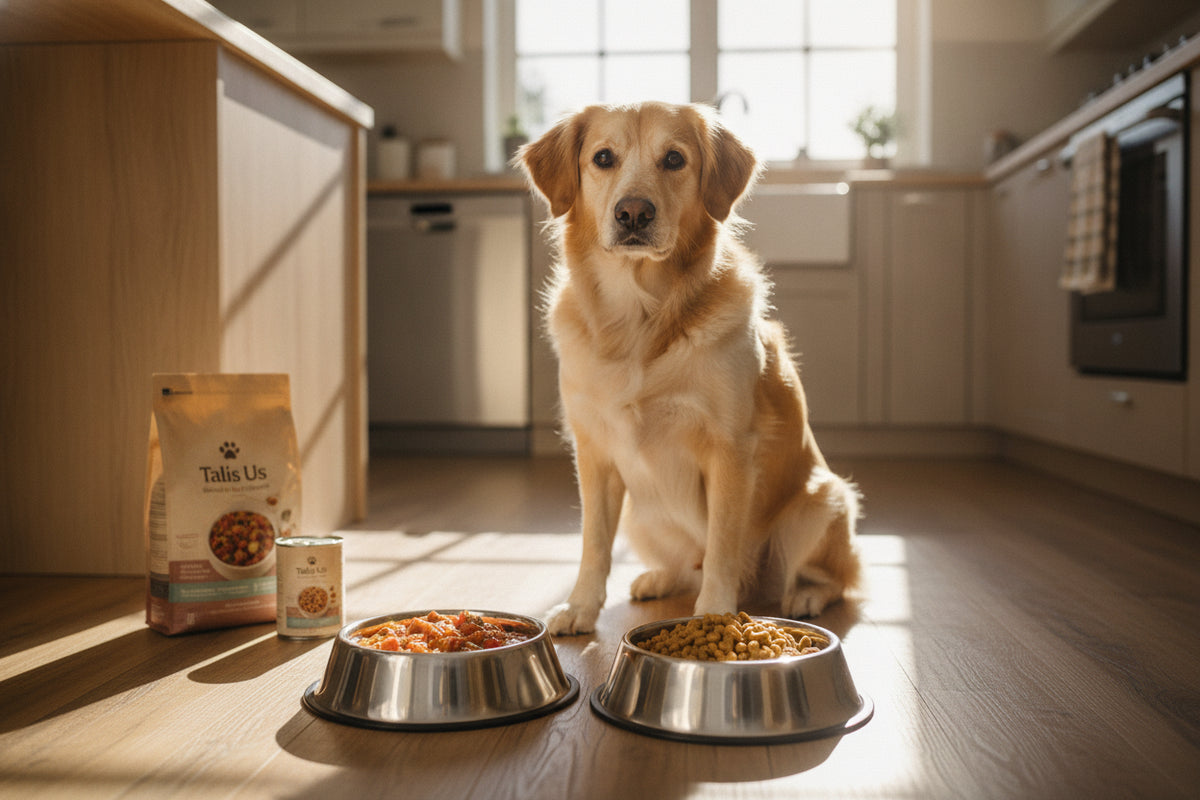
- Serve wet food at room temperature rather than straight from the refrigerator, as cold food can be harder on sensitive stomachs and less appealing to picky eaters
- Keep fresh water available at all times, especially as wet food already adds extra moisture to your dog's diet
- Stick to consistent feeding times to help regulate your dog's digestive rhythm
If you are mixing wet and dry food, which many pet owners do for variety and cost balance, make sure the combined portions align with your dog's daily caloric needs. Overfeeding, even with nutritious food, can lead to weight gain over time.
Your Dog Deserves the Best, and You Are Already Showing Up for Them
Choosing the best wet dog food comes down to one simple principle: knowing your dog. Their age, size, health history, and even their personal taste preferences all play a role in finding the food that will help them thrive.
Prioritizing real, recognizable ingredients and balanced nutrition sets your pet up for a longer, happier life. It is one of the most meaningful investments you can make in their daily well-being, and the fact that you are here, reading and researching, already says a great deal about the kind of pet owner you are.
Your dog is lucky to have someone so thoughtful looking out for them. Whether you are switching foods for the first time or refining a routine that has been working for years, trust your instincts, lean on your vet, and choose with love. That is always the right place to start.

Written by Talis Us


Leave a comment
This site is protected by hCaptcha and the hCaptcha Privacy Policy and Terms of Service apply.