


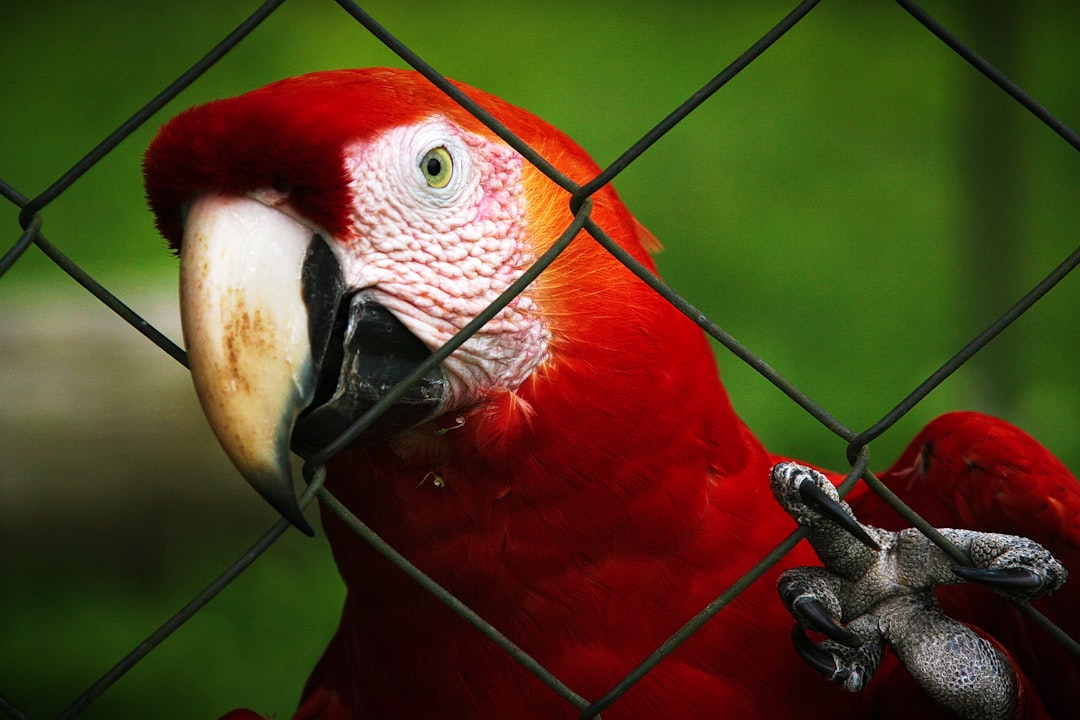
How to choose a bird cage for large birds
How to choose a bird cage for large birds
Bringing a large parrot into your home is an incredible, life-changing commitment. Birds like Macaws, Cockatoos, African Greys, and Amazon parrots are highly intelligent, deeply social, and famously destructive. Because your feathered companion will spend a significant portion of their life in their enclosure, that space needs to be a sanctuary, a jungle gym, and a secure fortress all rolled into one.
If you are wondering exactly how to choose a bird cage for large birds, you are in the right place. Selecting the right enclosure is one of the most important decisions you will make as an avian guardian. A poorly designed cage can lead to physical injuries, psychological distress, or even toxic exposure.
In this comprehensive guide, we will break down everything you need to know about purchasing large bird cages, from dimensions and bar spacing to materials and placement.

Size Matters: Finding the Perfect Dimensions
When it comes to large bird cages for parrots, the golden rule is simple: buy the biggest cage you can comfortably fit in your home and afford. In the wild, parrots fly miles every day. While a home environment cannot replicate the rainforest, providing ample space is critical for their physical and mental health.
Minimum Size Requirements
A cage must allow your bird to fully extend their wings and flap without their feathers touching the bars. When assessing the minimum cage dimensions for cockatoos (such as an Umbrella or Moluccan), you should look for a cage no smaller than 36 inches wide, 48 inches deep, and 48 inches high—though 40" x 30" x 6 फीट (height) is much more appropriate for their massive wingspans and active nature. Macaws require even larger spaces, often needing cages that exceed 40 inches in width and 36 inches in depth just to accommodate their long tail feathers.
The Indoor Flight Cage
If you have the space, you might want to look into indoor flight cage requirements. A true flight cage allows a bird not just to stretch, but to achieve short bursts of horizontal flight. For large species, an indoor flight cage should be at least double the wingspan of the bird in width. For a macaw with a three-foot wingspan, this means a cage six feet wide! When looking for bird cages, large horizontal dimensions are always vastly superior to tall, narrow vertical dimensions, as parrots fly side-to-side, not straight up and down like helicopters.
Understanding Bar Spacing and Thickness
A spacious cage means nothing if it is not structurally safe. This is where bar spacing and bar thickness come into play.
Getting the Spacing Right
The ideal bar spacing for large parrots generally falls between 1 inch and 1.5 inches. If the spacing is too wide, an inquisitive Cockatoo or Macaw might try to stick their head through the bars, risking strangulation or severe injury. If the spacing is too narrow, they can get their toes or beak trapped.
Heavy-Duty Thickness
Large parrots have incredible bite strength. A Hyacinth Macaw, for example, can snap a broomstick in half with minimal effort. Therefore, the bars must be thick and robust—usually a minimum of 3.5mm to 5mm gauge wire. Flimsy bars will be easily bent or snapped off entirely, creating sharp points that can lacerate your bird.

Materials and Finishes: Prioritizing Health and Safety
Birds explore the world with their beaks. Because they will inevitably mouth, chew, and lick the bars of their enclosure, the materials used in the cage are quite literally a matter of life and death.
The Great Debate: Powder Coated vs. Stainless Steel
When evaluating powder coated vs stainless steel enclosures, you must weigh budget against longevity and ultimate safety.
- Powder-Coated Cages: These are the most common and affordable options on the market. They are made by spraying dry paint onto wrought iron and baking it at high temperatures to create a hard finish. If you go this route, you must ensure the manufacturer explicitly uses non-toxic finishes for heavy chewers, guaranteed to be free of lead and zinc.
- Stainless Steel Cages: While they come with a hefty upfront price tag, the stainless steel macaw cage benefits are undeniable. Medical-grade stainless steel (usually 304 grade) will never rust, chip, or flake. It is incredibly easy to sanitize, looks beautiful in the home, and is 100% non-toxic. For birds with powerful beaks that easily chip powder coating, stainless steel is often the safest long-term investment.
The Danger of Heavy Metals
Avoid cheap, unbranded cages or antique enclosures, as they often contain lead paint or galvanized wire (which contains zinc). You should be aware of the common signs of metal toxicity in parrots so you can act quickly if you suspect poisoning. Symptoms of heavy metal toxicosis (HMT) include lethargy, excessive thirst (polydipsia), watery droppings (polyuria), loss of balance, seizures, and feather plucking. A safe cage eliminates this terrifying risk.
Cage Styles: Which Design Fits Your Bird?
Walk into any avian specialty store, and you will see a variety of cage architectures. The style you choose should depend on your bird's habits and your home's layout.
Dome Top vs. Playtop
One of the most frequent dilemmas is choosing between playtop vs dome top bird cages.
- Playtop Cages: These feature a built-in gym on the roof, complete with a perch, food bowls, and a tray. This is fantastic if your bird spends a lot of supervised time out of the cage and you want to save space by combining their cage and playstand.
- Dome Top Cages: These feature a curved, expansive roof. They do not have a play area on top, but they offer significantly more internal living space. A tall Cockatoo or a long-tailed Macaw often benefits heavily from the extra interior volume a dome top provides.
Space-Saving Solutions
If you have a smaller apartment or a tricky floor plan but still want to provide a massive enclosure, look into corner bird cages for space saving. These cages are designed with a 90-degree back angle to tuck neatly into the corner of a room, maximizing the floor plan while still giving the bird a wide, expansive front view.

Security: Defeating the Feathered Houdini
Never underestimate the intelligence of a large parrot. Cockatoos, in particular, are infamous for observing how their owners open latches, only to replicate the action the moment the human leaves the room.
To keep your pet safe from household dangers (like ceiling fans, toxic plants, or other pets), you absolutely need escape-proof locks for intelligent birds. Look for enclosures that utilize complex, multi-step locking mechanisms, such as spring-loaded latches housed inside a metal guard, or mechanisms that require a button to be pushed while a handle is turned. If your cage comes with a standard sliding latch, you will likely need to reinforce it with a heavy-duty, bird-safe padlock. Remember to secure the feeder doors as well, as clever parrots easily figure out how to push these open from the inside!
Maintenance: Features for Easy Cleaning
Let’s be honest: large parrots are incredibly messy. They fling fruit, shred wood, and scatter seeds with abandon. If a cage is difficult to clean, you will dread the chore, which can lead to unsanitary conditions for your bird.
When shopping, prioritize easy-to-clean parrot cage features.
- Slide-Out Trays and Grates: The bottom grate and the catch-tray should slide out seamlessly without you having to open the main cage door.
- Seed Guards: You might be wondering about seed guard effectiveness for messy eaters. Also known as "skirtings," these angled metal panels bolt around the bottom perimeter of the cage to catch debris that falls just outside the bars. While they won't catch 100% of a thrown blueberry, they do significantly reduce the amount of sweeping and vacuuming you have to do daily.
- Mobility: A massive wrought-iron or stainless steel cage can weigh well over 150 pounds. Therefore, heavy duty casters for large enclosures are non-negotiable. High-quality wheels allow you to easily roll the cage away from the wall to vacuum behind it, or roll it out onto a patio for a deep pressure-wash.
Setting Up the Interior: Perches and Enrichment
Once you have purchased the perfect cage, you have to furnish it correctly. An empty cage is a prison; a properly furnished cage is a playground.
A frequent question from new owners is: how many perches should a large cage have? As a general rule, a large parrot cage should contain at least three distinct perches, though four is often ideal depending on the volume of the cage.
However, it is crucial not to over-clutter the space. Your bird must still be able to flap their wings and move around.
- Varying Textures and Sizes: Never use uniform wooden dowels, as they can cause painful foot sores known as bumblefoot. Instead, use natural branches (like Manzanita, Java wood, or Dragonwood) that vary in thickness. This constantly exercises your bird's feet.
- Strategic Placement: Place one high up for sleeping (birds feel safest at the highest point), one near the food bowls, and another lower down. Never place a perch directly above food or water bowls, as this guarantees the bowls will be soiled with droppings.
Alongside perches, ensure you have plenty of heavy-duty chewing toys, foraging puzzles, and destructible materials to keep their highly active brains engaged.

Location, Location, Location
You have figured out how to choose a bird cage for large birds, but your job isn't quite done. Deciding where to place a large bird cage within your home is just as crucial to your parrot’s well-being as the cage itself.
Parrots are flock animals. They want to be where the action is.
- The Sweet Spot: Place the cage in a highly trafficked room, like a family room or living room, so the bird feels like a part of the family flock.
- Against a Wall: Ensure at least one side of the cage is backed up against a solid wall. This provides a sense of security and prevents the bird from feeling like predators can approach from all angles.
- Avoid the Kitchen: Never put a bird cage in or immediately adjacent to a kitchen. Non-stick cookware (Teflon) emits fumes when overheated that are highly toxic and instantly fatal to birds.
- Temperature and Light: Avoid placing the cage directly in front of drafty windows, air conditioning vents, or in direct, unshaded sunlight where they cannot escape the heat. Parrots also need 10 to 12 hours of uninterrupted, dark sleep each night, so if the cage is in a busy living room, you will need a high-quality, breathable cage cover to ensure they get their rest.
Conclusion
Choosing the right habitat is the foundational step in raising a healthy, happy, and well-adjusted parrot. By paying close attention to minimum dimensions, heavy-duty bar spacing, non-toxic materials, and essential security features, you are investing in your feathered companion’s future.
Whether you opt for a sprawling indoor flight cage, a space-saving corner enclosure, or a premium stainless steel model, always remember that bigger and safer is always the ultimate goal. A well-chosen cage not only provides a secure environment for your brilliant bird but also brings peace of mind to you, ensuring decades of joyous companionship.

Written by Talis Us


Leave a comment
This site is protected by hCaptcha and the hCaptcha Privacy Policy and Terms of Service apply.