


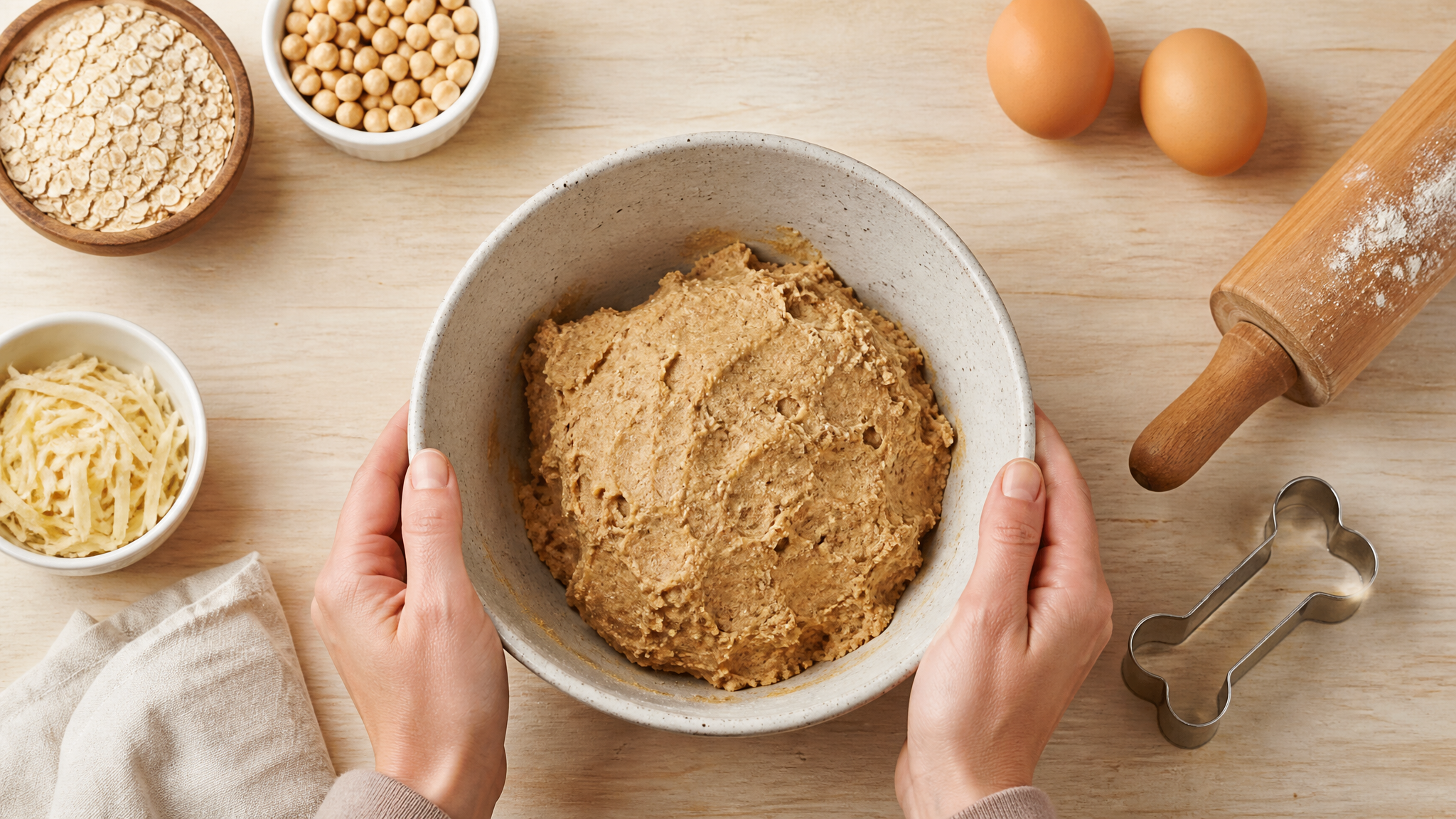
How to Make Hypoallergenic Dog Treats at Home
Your dog scratches at the same ear you just cleaned, licks a paw until the fur turns pink, or skips the enthusiasm at treat time. When a dog’s immune system reacts to a food protein, the signs can show up on the skin, in the ears, or as a persistent itch—yet pinpointing the exact trigger often involves more detective work than a quick label scan. Homemade hypoallergenic dog treats put you in charge of every ingredient that passes your dog’s lips, but only if you approach the process with patient observation and the right swaps.
Commercial treats frequently combine grains, multiple protein sources, or preservatives that can cross-react with a dog’s known sensitivities. By baking a batch at home, you strip the ingredient list down to a few whole foods, making it easier to avoid the triggers you’ve already identified and to spot a new reaction quickly.
Before You Start: Spotting Food Allergies in Dogs
Food allergy symptoms in dogs often involve the skin and ears. According to Parkwood Animal Hospital, itchy, red skin, recurring ear infections, constant paw licking, and puffy eyes can all point toward a food-related reaction—though similar signs overlap with environmental allergies, so a veterinarian’s input matters before you assume it’s the kibble. The same source notes that uncovering the specific protein or grain requires an elimination diet: feeding a novel or hydrolyzed protein under close supervision for several weeks, then reintroducing one ingredient at a time.
When you make treats at home, that careful reintroduction becomes much more practical. You control the flour, the binder, and the flavoring—no mystery “meat by-products” or unlabeled fillers. This doesn’t mean the treats will cure an allergy, but it does let you build a snack around what your dog tolerates today.
Ingredient Swaps: Building a Hypoallergenic Treat Pantry
Stocking a treat-making pantry for a sensitive dog means looking at the whole recipe through the lens of common triggers. Wheat, soy, chicken by-products, and dairy top the list for many dogs, so swapping them for single-source alternatives reduces the chance of a reaction while you watch for improvement. The suggestions below lean on whole-food options that PlayBarkRun and PetLab Co. highlight as workable starting points—none carry a guarantee, but each gives you a cleaner ingredient statement than most bagged snacks.
Peanut Butter: Check the Label for Xylitol
A smear of peanut butter can turn a biscuit into an event, but the wrong jar can do serious harm. Some brands sweeten with xylitol, an artificial sweetener highly toxic to dogs even in tiny amounts. Choose an all-natural peanut butter with a label that lists only peanuts—no added sugar, salt, or hydrogenated oils. The shift from a commercial blend to a single-nut butter won’t feel like a compromise to the dog, but it removes a variable that’s worth controlling.
Oat Flour: Gluten-Free vs. Regular
Wheat sits near the top of potential allergens for many dogs, so bakers often turn to oat flour as a stand-in. Though true gluten sensitivity isn’t well documented in canines, using certified gluten-free oat flour eliminates the risk of cross-contamination with wheat that can occur during milling. That distinction matters when you’re testing a suspected grain allergy and need every batch to be as pure as possible.
Eggs: Test First or Use a Substitute
Eggs bind dough beautifully, but they also rank as a common allergen. Start with a pea-sized taste of plain cooked egg, wait 24 to 48 hours, and watch for any flare-up. If the skin stays calm, you can proceed. If not, half a mashed banana or a spoonful of unsweetened applesauce can hold the mixture together without introducing a new protein.
Sweet Potato: A Single-Ingredient Base
A dehydrated sweet potato treat has exactly one ingredient, which makes an elimination trial far simpler. There’s no grain, no dairy, and no meat protein to second-guess. A low, slow bake firms the slices into a chewy leather that many dogs work on for a while—and you don’t have to wonder which component caused the ear to flare up.
5 Simple Hypoallergenic Dog Treat Recipes
These five recipes lean on a handful of forgiving ingredients, and the measurements are flexible enough that you can cut a slightly thicker slice or roll a smaller ball without ruining the batch. Before you commit to a full tray, introduce a tiny piece of a single-ingredient version of the new food—say, a plain baked sweet potato sliver—and wait a day to see how your dog responds.
| Recipe | Main Ingredients | Prep & Baking Details | Texture/Use Note |
|---|---|---|---|
| Sweet Potato Chews | Sweet potato, optional cinnamon | Slice ¼ inch thick; bake at 250°F for 2–3 hours | Leathery, long-lasting chew |
| Pumpkin Oat Crunchies | Oat flour, ½ cup unsweetened pumpkin purée, egg or substitute | Combine, roll and cut shapes; bake at 350°F for 15 minutes | Crisp biscuit with fiber from pumpkin |
| Almond & Oatmeal Bites | Oat flour, xylitol-free almond butter, egg or banana mash | Form small balls; bake at 350°F for 12 minutes | Nutrient-dense mini treat; almond butter has more manganese and calcium than peanut butter |
| Frozen Apple Yogurt Drops | 130g plain yogurt, finely grated apple (about 2 apples), optional honey | Mix, drop spoonfuls onto parchment; freeze until solid | No-bake, soft and cooling; introduce yogurt slowly in case of lactose sensitivity |
| Courgette (Zucchini) Chips | Thin-sliced courgette | Arrange slices on a sheet; dry in oven at 90°C until crisp | Single-ingredient, low-calorie; crunchy alternative to meat jerky |
Sweet Potato Chews
Slice a sweet potato into ¼-inch rounds or strips, leaving the skin on if it’s clean and your dog has tolerated it before. Arrange the pieces on a parchment-lined baking sheet and bake at 250°F for two to three hours, checking after the two-hour mark; you’re aiming for a deep orange, leathery bite that bends but doesn’t snap. A dusting of cinnamon adds aroma, but only if your cinnamon is fresh and free of other spice blends. Keep the finished chews in the refrigerator for up to seven days.
Pumpkin Oat Crunchies
Mix oat flour with ½ cup of unsweetened pumpkin purée and one egg or a mashed banana substitute until a dough forms. Roll it to a consistent thickness, cut out any simple shape, and bake at 350°F for about 15 minutes until the edges turn golden. Pumpkin brings a bit of soluble fiber that can soothe an unsettled stomach, though it’s not a treatment for digestive illness; the texture lands somewhere between a cracker and a cookie, and the biscuits firm up more as they cool.
Almond & Oatmeal Bites
Combine oat flour, a generous spoonful of xylitol-free almond butter, and either a beaten egg or enough mashed banana to bring the mix together. Shape it into marble-sized balls, place them an inch apart on a sheet, and bake at 350°F for 12 minutes. The finished treats are small, slightly dense, and carry a nuttier profile than peanut-butter biscuits. PlayBarkRun notes that almond butter supplies more manganese and calcium than peanut butter, though the real benefit here is avoiding an ingredient your dog can’t handle.
Frozen Apple Yogurt Drops
Grate about two apples on the fine side of a box grater, then stir the shreds into 130 grams of plain yogurt. A tiny drizzle of honey is optional. Drop teaspoon-sized mounds onto parchment and freeze until solid. Because some dogs have trouble digesting lactose, offer a single drop first and watch for any loose stool. Once cleared, these frozen bites serve as a soothing reward on a hot afternoon, and you can store them in the freezer for up to three months.
Courgette (Zucchini) Chips
Slice a courgette as thinly as you can with a sharp knife or a mandoline—lightly pat the rounds to remove surface moisture, then arrange them on a parchment-lined tray without overlapping. Set the oven to 90°C (about 195°F) and let them dry for several hours until they chip without bending. A single-ingredient vegetable crisp like this can work for a dog on a protein-restricted diet, and the result is lighter and less greasy than most jerky-style treats.
Storage, Serving Sizes & Safety
Refrigerated baked treats should be used within seven days, and anything you won’t finish in that window goes into the freezer, where frozen options like the apple yogurt drops can last up to three months. Even the most carefully chosen ingredients add calories, so keep all treats—including these homemade versions—to no more than 10% of your dog’s daily intake. That’s the guideline Parkwood Animal Hospital shares for treat feeding, and it helps maintain nutritional balance alongside a complete diet. For any chew that requires prolonged gnawing, stay nearby; a piece that breaks off too large can become a choking hazard, especially for a vigorous chewer. And regardless of the recipe, ingredients like xylitol, artificial colors, and chemical preservatives should never appear in your mixing bowl.
Common Mistakes to Avoid
Reaching for a jar of peanut butter without a label check remains one of the most dangerous shortcuts—xylitol can show up in brands you’d never suspect, so flip the jar every time, even on a restock. Over-treating is quieter but just as common: a handful of small bites can push a mid-sized dog well past the 10% calorie mark without anyone realizing it. When you’re testing a new food, resist the urge to debut two new ingredients in the same batch. If the dog reacts, you won’t know which one caused it, and you’ll have to start the elimination process over. Finally, don’t assume a grain-free label on a commercial bag makes it automatically hypoallergenic—those formulas often swap wheat for a novel protein or legume that your dog has never encountered, and novelty itself can trigger an immune response if the dog is predisposed.
Frequently Asked Questions
What are the most common symptoms of a food allergy in dogs?
Itchy, inflamed skin, recurring ear infections, constant paw licking, and puffy eyes are frequently noted by sources including Parkwood Animal Hospital. These signs resemble environmental allergy symptoms, so a veterinary evaluation is important for an accurate diagnosis.
How can I test a new treat for allergies?
Offer a tiny amount, then wait 24 to 48 hours without introducing any other new food. Using one ingredient at a time helps you connect a reaction directly to that item, rather than guessing among several changes.
Can homemade treats replace my dog's meals?
No, treats should complement a nutritionally balanced, vet-approved diet—not replace it. A practical rule of thumb is to keep treats under 10% of daily calories so the main diet still provides all essential nutrients.

Written by Talis Us


Leave a comment
This site is protected by hCaptcha and the hCaptcha Privacy Policy and Terms of Service apply.