


Gently Cooked Dog Food vs Dry Dog Food
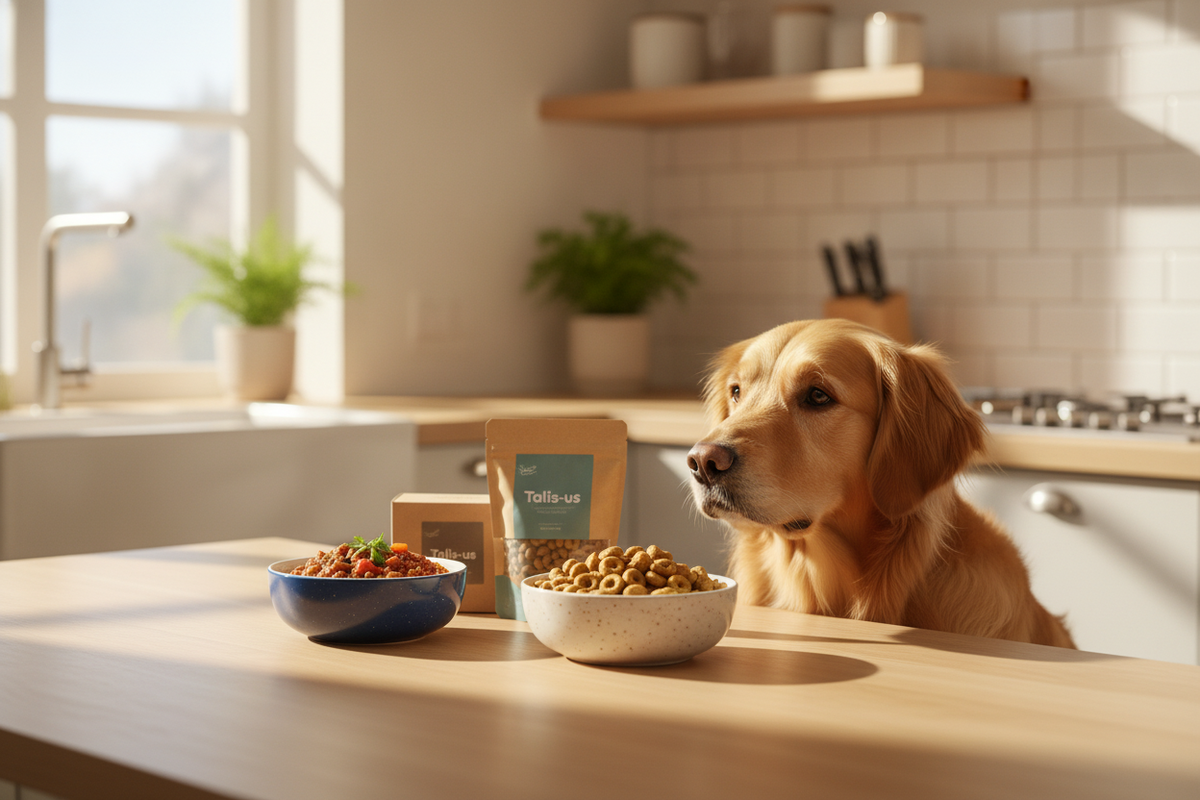
Choosing between gently cooked dog food and dry dog food is really a choice between freshness, convenience, digestibility, budget, and your dog’s individual needs. Gently cooked meals can offer high moisture, appealing texture, and a less processed feel, while kibble remains practical, shelf-stable, and nutritionally dependable when it is properly formulated. For a new pet owner, the smartest decision is not chasing the trendiest bowl—it is understanding what each food does well and where extra care is required.

What is the main difference between gently cooked dog food and dry dog food?
The main difference is how the food is processed and preserved. Gently cooked dog food is usually prepared with whole ingredients cooked at lower temperatures, often through steaming, baking, or sous vide-style methods, then refrigerated or frozen to maintain freshness. Dry dog food, or kibble, is typically made through high-heat extrusion that creates a shelf-stable product with low moisture and a long storage life.
That processing difference affects texture, aroma, moisture, digestibility, storage, and cost. Gently cooked food tends to look and smell more like a home-prepared meal, which can make it especially attractive to picky dogs. Kibble is more concentrated, easy to scoop, and convenient for busy households, travel, training, and automated feeders.
Neither format is automatically “good” or “bad.” A complete and balanced kibble can be a better choice than an unbalanced fresh meal, just as a carefully formulated gently cooked diet may suit a dog that struggles with low-moisture, highly processed food. The label, formulation, handling, and your dog’s response matter more than the marketing category.
Nutrition and ingredient quality
Gently cooked meals are often promoted because they use recognizable ingredients and relatively moderate heat. Lower-temperature cooking may help preserve some heat-sensitive nutrients and reduce the intensity of processing compared with extrusion. It also changes proteins and starches in ways that can improve digestibility while still reducing microbial risks associated with raw animal ingredients.
Kibble, however, has a major nutritional advantage: consistency. Reputable dry foods are formulated to meet established nutrient profiles, and the manufacturing process allows vitamins, minerals, fats, proteins, and fiber sources to be blended evenly. Because kibble is low in moisture, it is also calorie-dense, so small portions can provide substantial energy.
The phrase “fresh” does not guarantee nutritional completeness. If you choose gently cooked dog food, look for language such as “complete and balanced” and confirm whether the food is appropriate for your dog’s life stage. Puppies, large-breed puppies, pregnant dogs, seniors, and dogs with medical conditions have more exacting nutritional requirements than many owners expect.
Key label checks
Before switching foods, review the label with the same seriousness you would bring to your own health decisions:
- Nutritional adequacy statement: Look for a statement indicating the food is complete and balanced for the intended life stage.
- Protein and fat levels: Compare foods on a dry matter basis when possible, because moisture makes fresh food percentages look deceptively low.
- Calorie content: Gently cooked meals and kibble can differ dramatically in calories per cup, pouch, or ounce.
- Ingredient purpose: Whole ingredients are appealing, but every ingredient should contribute nutrition, texture, palatability, or preservation.
- Feeding guidance: Use label directions as a starting point, then adjust based on body condition, activity, and veterinary advice.
Digestibility, moisture, and mealtime appeal
Many dogs find gently cooked food exciting because it has stronger aroma, softer texture, and higher moisture than kibble. This can be helpful for seniors with reduced appetite, dogs with dental sensitivity, or pets that approach dry food with the enthusiasm of a sleepy cat at bath time. High-moisture meals may also support daily fluid intake, especially for dogs that do not drink enthusiastically.
Kibble’s low moisture is not automatically harmful, but it does place more responsibility on water intake. Dogs eating dry food should always have clean, accessible water. If your dog is prone to urinary concerns, constipation, or low thirst, discuss diet moisture with your veterinarian rather than assuming a food change will solve the issue.
Digestibility varies by formula, not just format. A gently cooked chicken-and-rice formula may be easy for one dog and completely wrong for another with a chicken sensitivity. Likewise, a high-quality kibble with well-selected fiber and protein sources may produce excellent stools and steady energy. Watch the dog in front of you: appetite, stool quality, coat condition, energy, gas, itching, and weight trends provide practical feedback.
Safety and storage responsibilities
Gently cooked food is safer than raw food when it is properly cooked, cooled, packaged, shipped, stored, and served. Cooking reduces pathogens, but the higher moisture content still means the food can spoil if it sits too long or warms repeatedly. Refrigeration and freezer management become part of the feeding routine.
Kibble is more forgiving. Its low moisture and packaging make it convenient, but it can still become rancid, stale, contaminated, or infested if stored carelessly. Keep dry food sealed in its original bag inside an airtight container, away from heat and humidity. Wash bowls and scoops regularly; a “dry” diet does not mean a sterile feeding station.
Practical storage checklist
Use this checklist to keep either diet safer:
- For gently cooked meals: Refrigerate opened food promptly, follow package timing, and discard anything that smells sour or looks abnormal.
- For frozen portions: Thaw in the refrigerator rather than on the counter, and avoid refreezing repeatedly.
- For kibble: Close the bag tightly, keep the lot code and expiration date, and avoid buying bags so large they remain open for months.
- For all diets: Wash bowls daily, measure portions accurately, and keep food away from curious paws.
- For travel: Use kibble, shelf-stable toppers, or chilled portions in insulated storage if refrigeration is reliable.

Which dogs benefit most from gently cooked dog food?
Dogs that may benefit most from gently cooked dog food include picky eaters, seniors, dogs with difficulty chewing hard kibble, pets needing more dietary moisture, and some dogs that appear to digest softer, less processed meals more comfortably. The format can also help owners who want a fresh-food approach without the pathogen concerns of raw feeding. However, dogs with medical conditions should transition only with veterinary guidance, because “fresh” is not the same as therapeutic.
New pet owners often notice the palatability advantage first. A dog that sniffs kibble and walks away may become far more engaged when offered a warm, aromatic meal. That can be useful, but it can also make portion control more important; delicious food is still capable of causing weight gain.
Gently cooked food may be less ideal for households with limited refrigerator space, irregular schedules, tight budgets, or frequent travel. It may also be challenging for dogs that graze all day, because fresh food should not sit out indefinitely. If your dog prefers nibbling over structured meals, you may need to create a more consistent feeding routine before making the switch.
Dry dog food remains useful
Kibble has earned its place in pet care because it solves everyday problems. It is affordable for many households, easy to portion, widely available, and convenient for multi-dog homes. For owners still learning the basics of pet care, a well-formulated dry food can provide dependable nutrition without complicated preparation.
Dry food can also be useful behaviorally. It works well in puzzle toys, training sessions, slow feeders, and enrichment games. Those activities matter because feeding is not only about nutrients; it is also an opportunity to slow fast eaters, reduce boredom, and make the dog’s day more mentally satisfying.
The drawback is that kibble quality varies widely. Some formulas are carefully designed and tested, while others lean heavily on marketing language. Do not judge only by the front of the bag. Ingredient lists, nutrient adequacy statements, calories, company transparency, and your veterinarian’s input provide a more reliable foundation.
Gently cooked food, raw diets, and homemade meals
Gently cooked food often appeals to owners who are curious about raw diets but uneasy about bacteria, parasites, and household handling risks. In that sense, it can function as a practical middle path: less processed than kibble in texture and presentation, but safer than raw when cooked and stored correctly. This matters in homes with children, immunocompromised people, older adults, or pets that lick faces like it is a full-time occupation.
Homemade dog food deserves special caution. Cooking meat, rice, vegetables, and a splash of oil may look wholesome, but dogs require precise amounts of calcium, phosphorus, essential fatty acids, trace minerals, and vitamins. Long-term deficiencies or imbalances may not be obvious immediately, which is why homemade dog food should be formulated with a veterinary nutritionist or a veterinarian using a complete recipe and appropriate supplements.
Commercial gently cooked meals can reduce that burden if they are complete and balanced. They are not automatically superior to homemade meals, but they usually provide more structure for owners who do not want to calculate micronutrients. If you do prepare meals at home, avoid improvising from internet recipes that lack professional formulation.
Comparison at a glance
|
Diet type |
Main strength |
Main limitation |
Best fit |
|---|---|---|---|
|
Gently cooked |
Fresh texture, moisture, strong aroma |
Higher storage and cost demands |
Picky dogs, seniors, fresh-food households |
|
Dry kibble |
Convenience, shelf stability, affordability |
Low moisture, more processing |
Busy homes, training, travel, routine feeding |
|
Raw diet |
Minimal cooking, high owner control |
Greater pathogen and handling concerns |
Experienced owners with veterinary guidance |
|
Homemade cooked |
Ingredient control |
High risk of nutrient imbalance |
Owners working from professional recipes |
Product formats and pouch options
Commercial fresh and gently cooked foods come in rolls, trays, frozen blocks, meal packs, and pouches. Pouches can be appealing because they are portion-friendly and simple to serve, especially for small dogs or owners testing a new texture. If you are comparing a product such as nulo gently cooked lamb apple dog food pouch, read the label carefully rather than relying on the product name alone.
Check whether it is intended as a complete meal, topper, or supplemental food. A topper can make kibble more exciting, but it should not quietly replace balanced calories unless the label supports that use. Also consider protein source, calorie density, storage instructions, and whether the formula suits your dog’s age, size, and health history.
For new pet owners, pouches can be a low-commitment way to evaluate palatability. Introduce them gradually, measure what you add, and reduce other calories accordingly. The goal is not to create a gourmet buffet of accidental overfeeding; it is to improve nutrition and enjoyment while maintaining a healthy body condition.
How should you transition from dry food to gently cooked food?
You should transition gradually over about a week or longer, mixing increasing amounts of the new gently cooked food with decreasing amounts of the current dry food while monitoring stool, appetite, vomiting, gas, and energy. Sensitive dogs may need a slower schedule, and puppies or dogs with medical issues should follow veterinary guidance. A careful transition gives the digestive system time to adapt and helps you distinguish normal adjustment from a genuine intolerance.
A simple transition plan might look like this:
- Days 1–2: Serve mostly the current food with a small amount of gently cooked food.
- Days 3–4: Move toward a balanced mix if stools remain normal.
- Days 5–6: Increase the gently cooked portion while reducing kibble.
- Day 7 and beyond: Feed the new diet fully if your dog is comfortable.
- If symptoms appear: Pause, return to the last tolerated ratio, or call your veterinarian if signs are persistent or severe.
Keep treats, chews, and table scraps stable during the transition. If you change five things at once, your dog’s digestive tract cannot leave a clear review. Measure portions by calories, not just volume, because a cup of kibble and a cup of gently cooked food are not nutritionally equivalent.
Cost, convenience, and sustainability of the routine
A diet only works if you can maintain it consistently. Gently cooked food usually requires more planning: ordering or shopping more often, refrigerating, thawing, portioning, and monitoring freshness. Kibble typically wins on convenience and cost per calorie, which is why it remains the default choice for many responsible owners.
That does not mean the decision has to be all-or-nothing. Many families use a hybrid approach, feeding primarily kibble with measured gently cooked portions as a topper or rotating fresh meals into the week. This can improve palatability and moisture while preserving convenience and budget control.
Before committing, ask yourself practical questions:
- Do I have enough refrigerator or freezer space?
- Can I afford this diet every month, not just during a trial period?
- Will my dog eat scheduled meals rather than grazing?
- Can I follow storage instructions consistently?
- Is the food complete and balanced for my dog’s life stage?
- Does my veterinarian have concerns based on my dog’s health history?
A balanced decision for your dog
The best choice is the one that meets your dog’s nutritional needs, suits your household, and keeps mealtime safe and sustainable. Gently cooked dog food offers freshness, moisture, aroma, and a less processed eating experience that many dogs genuinely enjoy. Dry dog food offers convenience, affordability, consistency, and ease that can make excellent care more realistic.
If you are a new pet owner, start with fundamentals: choose a complete and balanced diet, transition slowly, measure portions, and watch your dog’s body condition over time. Use gently cooked meals, kibble, pouches, or homemade dog food only when they fit into a thoughtful plan. Your dog does not need a perfect-looking bowl; your dog needs a diet that supports health, comfort, and a happy little tail-wag at mealtime.

Written by Talis Us


Leave a comment
This site is protected by hCaptcha and the hCaptcha Privacy Policy and Terms of Service apply.